



Neler Dahil
- Tiquet reservat
- Guia
- Visita guiada de 30 minuts (presentació exterior i museu)
- Audioguia digital
- Mapa digital
- Audioguia per a nens (disponible a petició)
- Donació del museu
Bu görüntüler aracılığıyla Doğa Tarihi Müzesi'nin çarpıcı mimarisini ve büyüleyici sergilerini keşfedin.
Doğal dünyayı anlama ve korumaya adanmış, dünya çapında ünlü bir kurum olan Londra Doğa Tarihi Müzesi'nin görkemli salonlarına adım atın. Muhteşem bir Viktorya dönemi binasında yer alan müze, devasa dinozor iskeletlerinden pırıl pırıl değerli taşlara kadar Dünya'nın tarihi boyunca olağanüstü bir yolculuk sunuyor. Bilim, keşif ve büyüleyici doğal güzelliğin birleştiği, geniş koleksiyonları ve ilgi çekici sergileriyle her yaştan ziyaretçiye ilham veren bir yerdir. Evrimi, biyoçeşitliliği ve gezegenimizi şekillendiren dinamik güçleri keşfedin, bu da müzeyi Birleşik Krallık başkentini ziyaret eden herkes için önemli bir durak haline getiriyor.
Doğa Tarihi Müzesi'nde resmi bir kıyafet kuralı bulunmamaktadır. Çokça yürüyeceğiniz ve ayakta duracağınız için rahat ve günlük giysiler tavsiye edilir. Farklı sergi salonları arasında sıcaklıklar değişebileceğinden katmanlı giysiler faydalı olabilir.
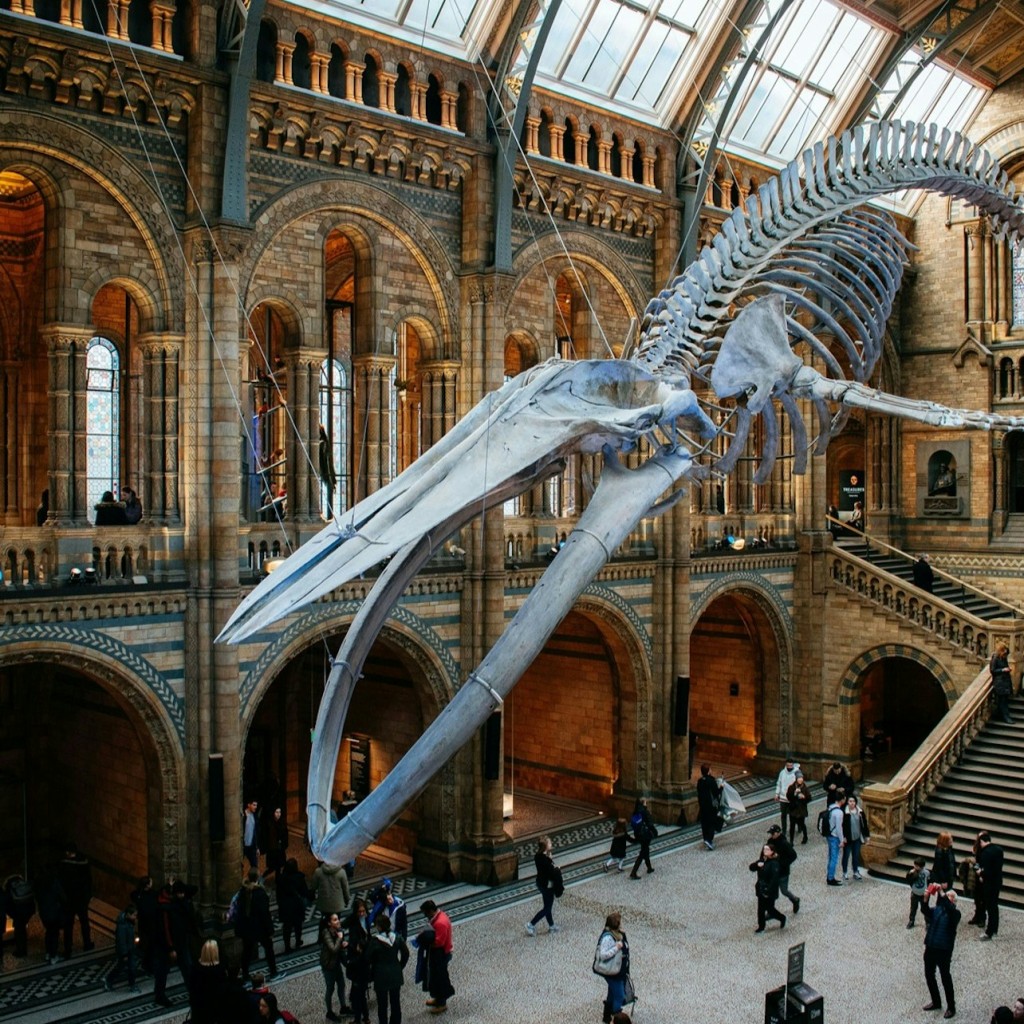
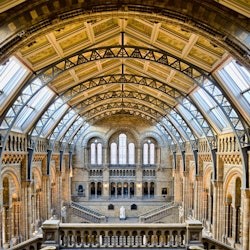
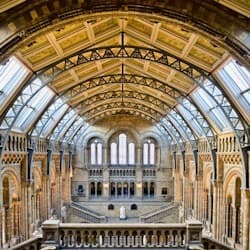
Londra Doğa Tarihi Müzesi, botanik, entomoloji, mineraloji, paleontoloji ve zooloji olmak üzere beş ana koleksiyonda 80 milyondan fazla öğeye ev sahipliği yapan, türünün dünyanın önde gelen müzelerinden biridir. Özellikle etkileyici kemerleri ve karmaşık detaylarıyla Hintze Salonu, ikonik mimarisiyle içerideki harikalar için görkemli bir sahne oluşturur. Estetik çekiciliğinin ötesinde, müze gezegenimizin geçmişi, bugünü ve geleceği hakkındaki anlayışımıza önemli katkılar sağlayan hayati bir bilimsel araştırma merkezi olarak hizmet vermektedir. Ziyaretçiler, popüler Dinozor Galerisi, büyüleyici memeliler bölümü ve jeoloji ve mineralojiyi sergileyen geniş Dünya Galerileri dahil olmak üzere çeşitli bölgeleri keşfedebilirler. İnteraktif sergileri, korunmuş örnekleri ve eğitim programlarıyla Doğa Tarihi Müzesi, Dünya'daki yaşamın inanılmaz çeşitliliğini ve karmaşıklığını vurgulayan zenginleştirici ve unutulmaz bir deneyim sunar.
Doğa Tarihi Müzesi Londra biletlerinizi veya turlarınızı çevrimiçi olarak rezerve etmek, daha sorunsuz ve keyifli bir ziyaret sağlamak için çeşitli avantajlar sunar. Tercih ettiğiniz tarih ve saat dilimini önceden güvence altına alabilirsiniz, bu özellikle yoğun sezonlarda faydalıdır ve potansiyel giriş kuyruklarını atlamanıza yardımcı olur. Çevrimiçi rezervasyon ayrıca müzenin geniş koleksiyonları ve gizli mücevherleri hakkında daha derinlemesine bilgiler sunan rehberli turlar veya yarı özel turlar gibi ayrıcalıklı deneyimlere erişim sağlar, sergileri anlama ve takdir etmenizi artırır. Bu, doğa dünyasını keşfinize daha iyi bir planlama ve daha rahat bir başlangıç yapmanızı sağlar.
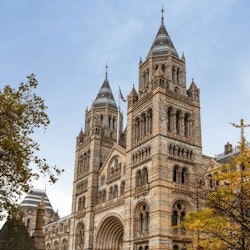
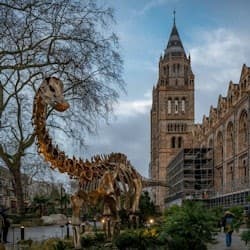
Doğa Tarihi Müzesi'nin kökenleri, 1753'te ulusa miras bıraktığı koleksiyonları British Museum'un temelini oluşturan Sir Hans Sloane'a kadar uzanır. Ancak, doğa tarihi koleksiyonları büyüdükçe özel bir alana ihtiyaç duyuldu. Alfred Waterhouse tarafından tasarlanan mevcut ikonik bina, bu genişleyen koleksiyonları barındırmak üzere özel olarak inşa edildi ve ilk olarak 1881'de halka kapılarını açtı. Genellikle 'doğanın katedrali' olarak anılan mimari tarz, flora ve faunayı tasvir eden karmaşık pişmiş toprak detaylara sahiptir. Yüzyıllar boyunca müze, araştırma ve halkla etkileşim çabalarını sürekli olarak genişleterek 1963'te bağımsız bir kurum haline geldi. Richard Owen (dinozor terimini icat eden kişi) gibi figürlerle erken ilişkisinden, biyoçeşitlilik ve çevre sorunları üzerine devam eden küresel araştırmalarına kadar bilimsel keşiflerde önemli bir rol oynamıştır.
Doğa Tarihi Müzesi genellikle her gün 10:00 - 17:50 saatleri arasında açıktır ve son giriş genellikle 17:30 civarındadır. Genellikle Noel döneminde birkaç gün kapalıdır. Özel etkinlikler veya resmi tatiller nedeniyle belirli saatlerin ve son giriş zamanlarının bazen değişebileceğini göz önünde bulundurmanız tavsiye edilir. Hafta içi günler, hafta sonlarına kıyasla genellikle biraz farklı kalabalık seviyeleri gösterir ve sabah erken saatler genellikle daha sakindir.
Doğa Tarihi Müzesi'ni en kalabalık zamanlarda gezmek istemiyorsanız, ziyaretinizi hafta içine, özellikle sabah açılıştan hemen sonra veya öğleden sonra geç saatlere planlayın. Okul tatilleri ve hafta sonları, özellikle Dinozorlar gibi popüler galerilerde çok yoğun olma eğilimindedir. Bir hafta sonu veya tatil sırasında ziyaret etmeniz gerekiyorsa, erken gelmek yardımcı olabilir. Okul tatilleri dışındaki sonbahar veya kış gibi yoğun olmayan sezonlar genellikle daha rahat bir deneyim sunar. Ayrılmış giriş için bir tur rezervasyonu yapmak da zamanınızı yönetmenize ve daha sorunsuz bir ziyaret sağlamanıza yardımcı olabilir.
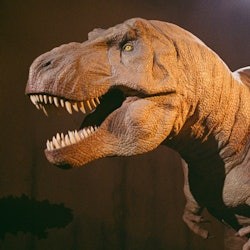
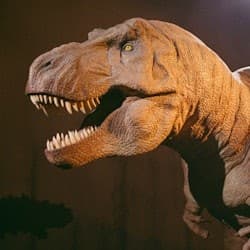
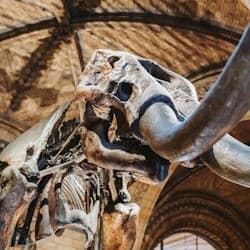
Doğa Tarihi Müzesi'nin içinde, sayısız harika şeyle büyüleneceksiniz. En büyük mavi balina iskeleti 'Hope'u içeren ikonik Hintze Salonu, görkemli bir giriş görevi görür. Kükreyen bir T-Rex ve diğer tarih öncesi devlerle yüzleşmek için Dinozor Galerisi'ne gidin. Dünya Galerileri jeolojiye derinlemesine dalarak etkileyici bir mineral, değerli taş yelpazesi ve simüle edilmiş bir deprem deneyimi sunar. En küçük farelerden bir mavi balina modeline kadar çeşitli türleri görmek için memeliler sergisini keşfedin. 'Dünya Vizyonları' galerisi gezegenimizin manzaralarına çarpıcı bir genel bakış sunarken, 'Hazineler' galerisi müzenin en nadir ve en önemli parçalarından bazılarını sergiler. Çalışan bilimsel koleksiyonlara bir göz atma imkanı sunan Darwin Merkezi'ni kaçırmayın.
Özellikle rehberli bir tura katılmak veya görmek istediğiniz belirli galeriler varsa ziyaretinizi önceden planlayın. Müze çok geniş, bu yüzden rahat ayakkabılar şiddetle tavsiye edilir. Binanın her yerinde ücretsiz Wi-Fi mevcuttur. Tazeleyici içecek veya yiyecek ihtiyacınız olursa bünyesinde birden fazla kafe ve bir restoran bulunmaktadır. Çantaları saklamak için dolaplar mevcuttur. Müze genel olarak bebek arabası ve tekerlekli sandalye erişimine uygun olup, her yerinde asansörler ve rampalar bulunmaktadır. Farklı bölgelerde gezinmenize ve tesisleri kolayca bulmanıza yardımcı olmak için varışta bir harita alın veya önceden indirin.
Ziyaretçilerden herkes için keyifli ve güvenli bir deneyim sağlamak amacıyla belirli kurallara uymaları rica olunur. Tabelalarda izin verildiği belirtilmedikçe sergilere dokunmaktan kaçının. Saygılı bir atmosferi korumak için koşmak veya yüksek sesli davranışlar teşvik edilmez. Yiyecek ve içecekler genellikle galerilerde yasaktır ancak belirlenmiş alanlarda tüketilebilir. Büyük çantaların dolaplara bırakılması gerekebilir. Flaşlı fotoğraf çekimi belirli alanlarda genellikle kısıtlıdır, bu yüzden tabelalara dikkat edin. Personel talimatlarına uyun ve koleksiyonların tarihi ve bilimsel değerine saygı gösterin.
Doğa Tarihi Müzesi, bilim, tarih veya sadece doğal dünyanın harikalarına ilgi duyan herkes için kesinlikle görülmeye değerdir. Hayranlık uyandıran mimarisi, eşsiz koleksiyonlarıyla birleştiğinde eğitici ve görsel olarak muhteşem bir deneyim sunar. Devasa dinozor iskeletlerinden pırıl pırıl değerli taşlara ve insan evrimi üzerine bilgilendirici sergilere kadar her merakı cezbedecek bir şeyler vardır. Sadece bir müze olarak değil, aynı zamanda hayati bir araştırma kurumu olarak da hizmet vermektedir; bu da burayı ziyaret etmenin çığır açan bilimle bağlantı kurma ve gezegenimizin inanılmaz biyoçeşitliliğine dair daha derin bir takdir kazanma fırsatı olduğu anlamına gelir.
Başlıca ilgi çekici yerler arasında Hintze Hall'daki mavi balina iskeleti 'Hope', Dinozor Galerisi'ndeki T-Rex ve diğer dinozorlar, mineral koleksiyonuyla Dünya Galerileri ve binanın çarpıcı Viktorya dönemi mimarisi bulunmaktadır.
Çoğu ziyaretçi ana galerileri ve sergileri keşfetmek için yaklaşık 3 ila 4 saat harcar. Her şeyi ayrıntılı olarak görmek isterseniz, daha fazla zamana veya birden fazla ziyarete ihtiyacınız olabilir.
Evet, müze çocuklar için oldukça uygundur; çok sayıda etkileşimli sergi, ilgi çekici gösteriler ve elbette genç ziyaretçiler arasında büyük bir hit olan her zaman popüler dinozor bölümü sunmaktadır.
Yiyecek ve içecekler genellikle sergi galerilerinde izin verilmez ancak çeşitli kafeler ve yerinde bulunan restoran dahil olmak üzere belirlenmiş yemek alanlarında tüketilebilir.
Doğa Tarihi Müzesi erişilebilirliğe önem vermektedir; bina genelinde asansörler, rampalar ve erişilebilir tuvaletler sağlamaktadır. Tekerlekli sandalyeler de ilk gelen ilk alır esasına göre ödünç alınabilir.
Evet, çeşitli rehberli tur seçenekleri mevcuttur ve genellikle önceden rezervasyon yapılması gerekir. Bu turlar, koleksiyonlar hakkında uzman görüşleri sunar ve daha derinlemesine bir deneyim sağlayabilir.
Müzeye ulaşmanın en uygun yolu, Piccadilly, District ve Circle hatları tarafından hizmet verilen ve müzeye doğrudan bir yaya tüneli sunan South Kensington istasyonuna Londra Metrosu ile gitmektir.
Doğa Tarihi Müzesi'ne toplu taşıma ile kolayca ulaşılabilir. En yakın Londra Metrosu istasyonu South Kensington'dır (Piccadilly, District ve Circle hatları) ve müzeden yaya alt geçidi ile sadece 5 dakikalık yürüme mesafesindedir. 14, 49, 70, 74, 345, 360, 414, C1 ve N97 numaralı otobüs servisleri de dahil olmak üzere birçok otobüs güzergahı yakında durmaktadır. Hyde Park veya Kensington Bahçeleri'nden manzaralı rotalarla diğer merkezi Londra cazibe merkezlerinden yürümek de bir seçenektir.
Doğa Tarihi Müzesi'nde resmi bir kıyafet kuralı bulunmamaktadır. Çokça yürüyeceğiniz ve ayakta duracağınız için rahat ve günlük giysiler tavsiye edilir. Farklı sergi salonları arasında sıcaklıklar değişebileceğinden katmanlı giysiler faydalı olabilir.