

Neler Dahil
- Recorregut de descobr
- La Tate Britain no té entrada (algunes exposicions tenen un càrrec)
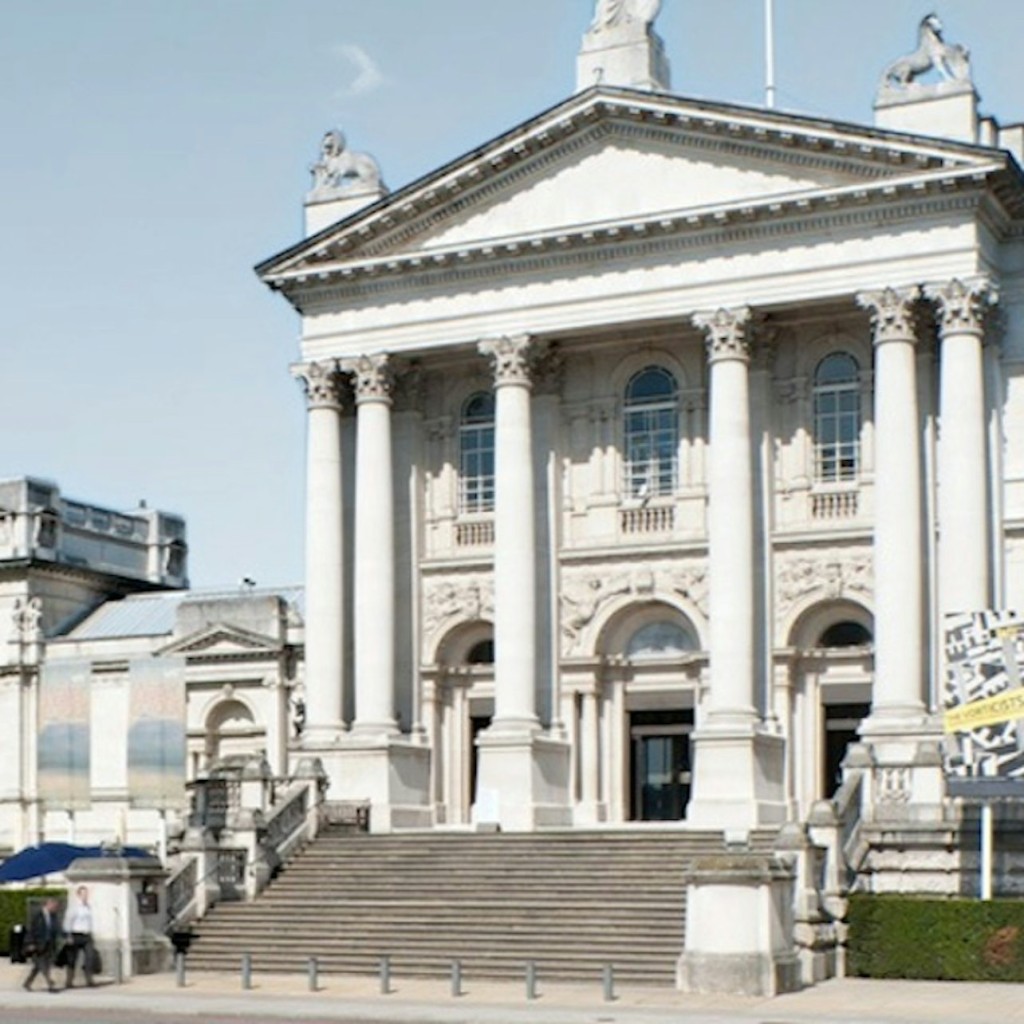
Explore a visual journey through the magnificent collections and stunning architecture of Tate Britain in these captivating photos.
Discover the rich tapestry of British art at Tate Britain, a venerable institution nestled on the banks of the River Thames. This iconic gallery houses an unparalleled collection spanning five centuries, from the 16th century to the present day. Visitors can immerse themselves in masterpieces by celebrated British artists such as J. M. W. Turner, William Blake, and John Constable, along with a diverse range of modern and contemporary works. Tate Britain is not only a repository of artistic heritage but also a vibrant hub for understanding the evolving story of British creativity through its permanent displays and acclaimed temporary exhibitions.
There is no specific dress code for visiting Tate Britain. Casual and comfortable attire is appropriate. As you may be walking and standing for extended periods, comfortable shoes are highly recommended. Layers of clothing might also be beneficial, allowing you to adapt to varying temperatures within the gallery spaces.
Tate Britain stands as a testament to the enduring legacy of British artistic endeavor. Originally established as the National Gallery of British Art in 1897, it has grown to become the world's most comprehensive collection of British art. The gallery offers a chronological journey through art history, showcasing the development of painting, sculpture, and new media. From the dramatic landscapes of Constable and Turner to the visionary works of Blake, and pioneering modern art, every visit reveals new insights. Beyond its permanent collection, Tate Britain hosts the prestigious Turner Prize and stages a dynamic program of temporary exhibitions, providing fresh perspectives on both historical and contemporary art. The architectural grandeur of the building itself, designed by Sidney R. J. Smith, adds to the immersive cultural experience, making it an essential destination for art enthusiasts and curious minds alike.
Booking your tickets online for Tate Britain offers a convenient and streamlined experience. It allows you to secure your entry in advance, especially beneficial for popular temporary exhibitions which can have limited capacity. Pre-booking can help save time upon arrival, letting you bypass ticket queues and start exploring the gallery sooner. Furthermore, online booking often provides access to different ticket options, including combination deals or specific time slots, ensuring a smoother visit tailored to your schedule.
The origins of Tate Britain can be traced back to the vision of Sir Henry Tate, a sugar magnate and philanthropist. Tate, a passionate art collector, offered his collection of British art to the nation, along with funds to build a gallery to house it. The gallery was designed by Sidney R. J. Smith and opened in 1897 as the National Gallery of British Art on the site of the former Millbank Prison. Its initial focus was exclusively on British art, a mission that distinguished it from the National Gallery. Over the decades, its collection expanded significantly, including the vast Bequest of J. M. W. Turner's works. In 2000, with the opening of Tate Modern, the institution was rebranded as Tate Britain to specifically house the national collection of British art from 1500 to the present day, while Tate Modern took on international modern and contemporary art. This restructuring solidified Tate Britain's role as the definitive home for British artistic heritage.
Tate Britain generally operates seven days a week, though specific opening and closing times can vary seasonally or due to special events and public holidays. It is usually open from late morning until late afternoon, with some late-night openings for specific programs or exhibitions. It is recommended to consult the most current schedule for precise timings before planning your visit, especially for bank holidays or during peak travel seasons.
To enjoy Tate Britain with fewer crowds, consider visiting on a weekday, especially in the morning shortly after opening. Weekends and school holidays tend to be busier. During peak tourist seasons, such as summer, early mornings remain your best bet for a more tranquil experience. Autumn and spring weekdays can also be ideal, offering pleasant weather for travel to the gallery and a generally quieter atmosphere inside. If you're interested in a specific temporary exhibition, checking its individual popularity and scheduling your visit during off-peak hours can enhance your experience.
Inside Tate Britain, a vast and diverse world of British art awaits. Begin with early British portraits and historical paintings, tracing the evolution of art through the centuries. Marvel at the dramatic seascapes and vibrant canvases of J. M. W. Turner, including works from his spectacular Bequest. Delve into the mystical realms of William Blake's illuminated books and watercolors, or admire John Constable's idyllic depictions of the English countryside. The gallery also features significant Pre-Raphaelite works, Victorian masterpieces, and a strong collection of 20th-century British modern art, including pieces by Francis Bacon and Henry Moore. Don't miss the challenging and thought-provoking contemporary art displays, which are regularly updated, and be sure to check for current temporary exhibitions.
Plan your visit in advance, especially if you intend to see a specific temporary exhibition, as these often require timed entry tickets. Photography without flash is generally permitted in the permanent collection areas, but rules may vary for special exhibitions. Large bags and backpacks may need to be stored in the cloakroom or lockers, often for a small fee. The gallery has cafes and a restaurant for refreshments, as well as a shop for art books and souvenirs. Accessibility features such as lifts and accessible toilets are available throughout the building.
To ensure the safety of the artworks and the enjoyment of all visitors, certain rules apply. Please refrain from touching any artworks or displays. Food and drink are not permitted in the gallery spaces. Large bags and backpacks are not allowed past security and must be checked into the cloakroom. Photography for personal use is generally permitted in the permanent collection without flash, but flash photography is strictly prohibited. Keep noise levels to a minimum and be mindful of other visitors.
Tate Britain is undeniably worth visiting for anyone with an interest in art, history, or British culture. It offers an unparalleled opportunity to journey through five centuries of British creativity, from foundational masterpieces to cutting-edge contemporary works. The chance to see iconic pieces by artists like Turner and Blake in person, coupled with the thought-provoking temporary exhibitions, makes for a truly enriching experience. Its historical significance, grand architecture, and comprehensive collection solidify its status as a must-see cultural landmark in London.
Tate Britain showcases British art from 1500 to the present day, including paintings, sculptures, and installations by celebrated artists like Turner, Blake, and Constable, alongside modern and contemporary works.
While entry to the permanent collection is often free, it is highly recommended to book timed tickets in advance for temporary exhibitions, as these can be very popular and may have limited availability.
Most visitors spend between 2 to 4 hours exploring Tate Britain's collections and any special exhibitions.
Yes, Tate Britain is designed to be accessible. It provides step-free access, lifts to all floors, accessible toilets, and offers wheelchairs for loan. Specific information can be found on their accessibility pages.
Photography without flash is generally permitted for personal use in the permanent collection galleries. However, flash photography is prohibited, and rules may vary for temporary exhibitions, so always look for signage.
Yes, Tate Britain features several options for food and drink, including cafes for lighter refreshments and a restaurant for more substantial meals.
The nearest Underground station is Pimlico (Victoria line), which is approximately an 8-minute walk from the gallery.
Tate Britain is easily accessible by public transport. The nearest Underground station is Pimlico (Victoria line), which is about an 8-minute walk away. Vauxhall station (Victoria line, National Rail, bus services) is also nearby, approximately a 15-minute walk across Vauxhall Bridge. Numerous bus routes stop directly outside the gallery, including routes 2, 36, 87, 88, 185, 436, and C10. Walking or cycling along the Thames Path can also be a pleasant way to arrive.
There is no specific dress code for visiting Tate Britain. Casual and comfortable attire is appropriate. As you may be walking and standing for extended periods, comfortable shoes are highly recommended. Layers of clothing might also be beneficial, allowing you to adapt to varying temperatures within the gallery spaces.