

Neler Dahil
- Visita guiada semiprivada
- Entrada a la Tate Modern
Tate Modern'ın büyüleyici mekanları ve ikonik sanat eserleri arasında görsel bir yolculuğa çıkın.
Modern ve çağdaş sanata adanmış dünyanın önde gelen müzelerinden biri olan Tate Modern'i keşfedin. Bu müze, ikonik eski Bankside Enerji Santrali'nde yer almaktadır. Thames Nehri'ne bakan bu mimari harika, 20. yüzyılın başlarından günümüze kadar uzanan sanat akımları arasında eşsiz bir yolculuk sunar. Ziyaretçiler, geniş galerilerinde etkili eserlerden oluşan geniş bir koleksiyonu, çığır açan geçici sergileri ve dinamik enstalasyonları keşfedebilirler. Tate Modern, her yıl milyonlarca insanı düşündürücü sergileri ve canlı atmosferiyle çeken bir kültür merkezidir. Londra'nın kalbinde bakış açılarını zorlayan ve sohbet başlatan başyapıtlar ve yenilikçi sanat formlarından ilham almaya hazırlanın.
Tate Modern'ı ziyaret etmek için belirli bir kıyafet kuralı yoktur. Geniş galerileri keşfederken uzun süreler boyunca yürüyeceğiniz ve ayakta duracağınız için rahat ve günlük kıyafetler önerilir.
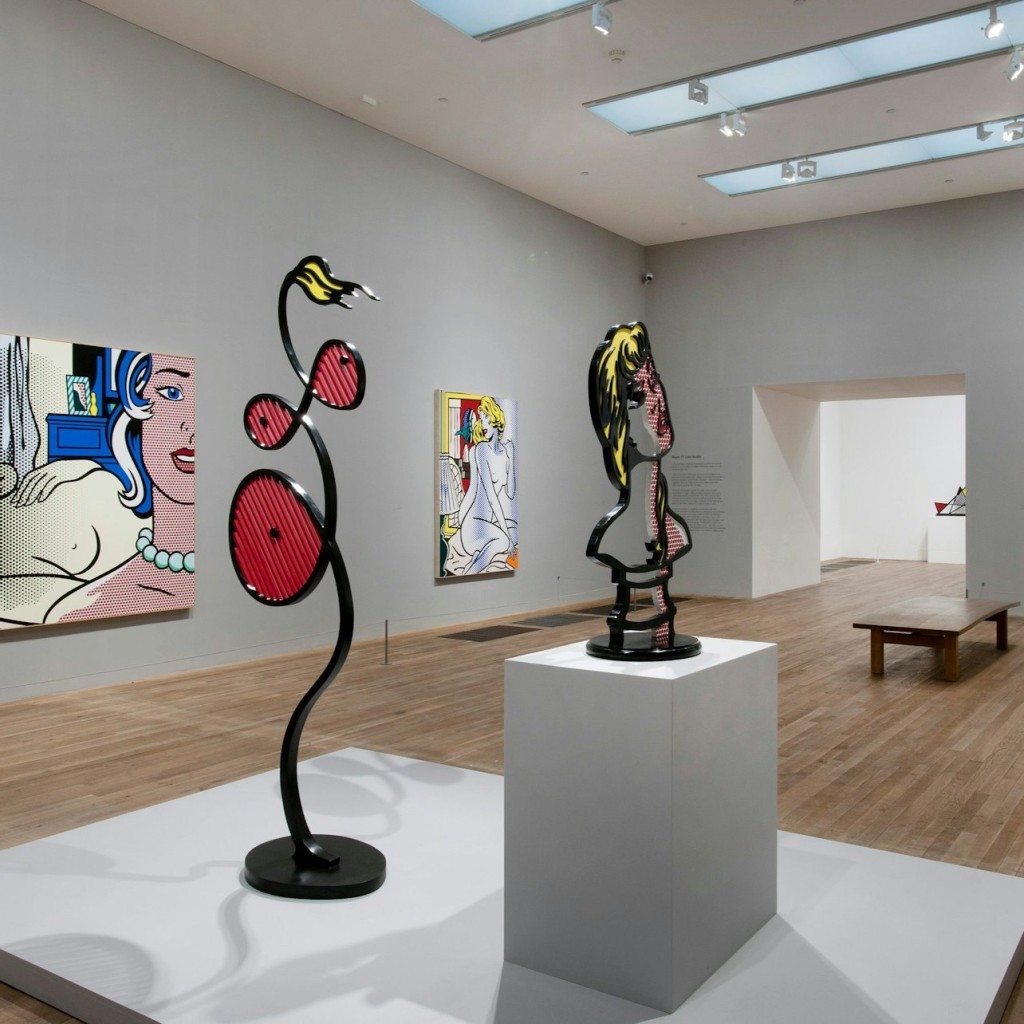
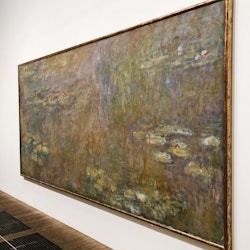
Tate Modern, 1900'den günümüze sanata küresel bir bakış açısı sunan modern ve çağdaş sanatın bir feneri olarak duruyor. Koleksiyonunda Pablo Picasso, Salvador Dalí, Andy Warhol ve Frida Kahlo gibi efsanevi sanatçıların ikonik eserleri ve daha birçokları yer almaktadır. Müze, eserleri kesin kronoloji yerine temaya göre düzenleyerek, farklı dönemler ve stiller arasında bağlantılar kurmaya teşvik eden yenilikçi sergileme yaklaşımıyla tanınır. Kalıcı koleksiyonun ötesinde, Tate Modern, belirli sanatçıları, akımları veya çağdaş konuları derinlemesine inceleyen dinamik bir özel sergi programına ev sahipliği yapmaktadır. Devasa bir endüstriyel alan olan Türbin Salonu, her yıl büyüleyen ve ziyaretçi deneyimini dönüştüren büyük ölçekli sipariş enstalasyonlarıyla özellikle ünlüdür. Kalıcı koleksiyona ücretsiz giriş ve çeşitli biletli sergiler ve turlar ile Tate Modern, deneyimli sanat meraklılarından meraklı yeni gelenlere kadar herkes için çeşitli ve erişilebilir bir sanat deneyimi sunar.
Tate Modern biletlerinizi ve turlarınızı çevrimiçi olarak ayırtmak, daha sorunsuz ve verimli bir ziyaret sağlamak için çeşitli avantajlar sunar. Ön rezervasyon, özellikle popüler özel sergiler veya rehberli deneyimler için tercih ettiğiniz giriş saatini garanti etmenizi sağlayarak uzun kuyruklardan kaçınmanıza yardımcı olabilir. Birçok çevrimiçi bilet esneklik sunarak gününüzü güvenle planlamanıza olanak tanır. Ayrıca, keşif turu veya yarı özel rehberli tur gibi bazı çevrimiçi paketler veya rehberli turlar, genel müze deneyiminizi zenginleştiren gelişmiş içgörüler ve özel erişim sağlar. Çevrimiçi olarak önceden planlama yapmak, sanattan daha fazla keyif almanızı ve daha az beklemenizi sağlar.
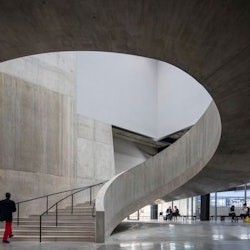
Tate Modern binası, aslen Sir Giles Gilbert Scott tarafından tasarlanan ve ikonik Battersea Power Station'ı da tasarlayan Bankside Power Station olarak hizmet veren zengin bir tarihe sahiptir. 1952'den 1981'de kapanmasına kadar faaliyetteydi. Yıllarca, devasa yapı atıl kaldı, ta ki Tate Gallery 1994'te onu uluslararası modern sanat için yeni bir ulusal müzeye dönüştürme niyetini açıklayana kadar. İsviçreli mimarlık firması Herzog & de Meuron, endüstriyel mirasını çağdaş mimari ihtiyaçlarla ustaca harmanlayarak binayı yeniden tasarlama görevini kazandı. Yüksek baca ve geniş Türbin Salonu da dahil olmak üzere orijinal karakterinin çoğunu korurken, modern galeri alanları yarattılar. Müze, kapılarını Mayıs 2000'de halka açtı ve hemen bir dönüm noktası kültürel kurum haline geldi. 2016'da, 'Switch House' (şimdi Blavatnik Binası olarak biliniyor) olarak bilinen bir eklenti, sergi alanlarını daha da genişletti ve panoramik izleme platformunu ekleyerek küresel bir sanat destinasyonu statüsünü pekiştirdi.
Tate Modern genellikle ziyaretçilerini her gün ağırlamaktadır. Standart açılış saatleri genellikle sabah 10:00'dan başlar, kapanış saatleri ise değişiklik gösterir ve genellikle Cuma ve Cumartesi günleri akşam 18:00 veya 20:00'ye kadar uzar. Bu saatlerin, özellikle resmi tatillerde, özel etkinliklerde veya mevsimsel ayarlamalar nedeniyle değişebileceğini belirtmekte fayda var. En güncel bilgiler için, özellikle belirli sergi saatleri hakkında, ziyaretçilerin ziyaretlerini buna göre planlamaları ve biletli sergilere son girişin genellikle kapanıştan bir saat önce olduğunu unutmamaları gerekmektedir.
Tate Modern'i daha az kalabalıkla deneyimlemek için, ziyareti hafta içi sabah, saat 10:00'da açılıştan hemen sonra planlamak idealdir. Pazartesi, Salı ve Çarşamba günleri genellikle Perşembe, Cuma ve hafta sonlarından daha az yoğundur. Okul tatillerinde veya yoğun turizm sezonlarında müze gün boyunca çok kalabalık olabilir. Hafta sonu ziyaret ediyorsanız, erken gelmeniz yine de önerilir veya kapanmadan yaklaşık iki saat önce, öğleden sonra geç saatlerde gelmeyi düşünebilirsiniz, ancak bu, kapsamlı keşif için mevcut zamanı sınırlayabilir.
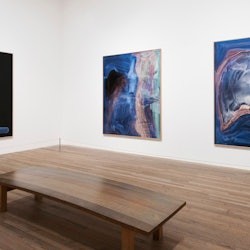
Tate Modern'in içinde ziyaretçiler, her biri farklı temalara ve sanat akımlarına adanmış, titizlikle küratörlüğü yapılmış bir koleksiyonu birkaç katta gezebilirler. Daimi koleksiyon, Matisse, Rothko ve Lichtenstein gibi devlerin eserleriyle Kübizm, Gerçeküstücülük, Pop Art, Minimalizm ve daha birçok akımın başyapıtlarını sergiler. Ünlü Türbin Salonu, her yıl değişen devasa, mekana özel enstalasyonlara ev sahipliği yaparak benzersiz bir gösteri sunar. Özel sergiler, belirli sanatçılar veya sanat tarihi dönemleri hakkında daha derinlemesine bilgiler sunar; örneğin, özel bir Picasso sergisi gibi. Sanatın ötesinde, müzede kafeler, mağazalar ve Londra siluetinin, St Paul Katedrali'nin ve Thames Nehri'nin nefes kesen panoramik manzarasını sunan 10. Kat izleme platformu dahil olmak üzere çeşitli tesisler bulunmaktadır.
Gelişmiş navigasyon ve sesli rehberler için ücretsiz Tate Modern uygulamasını indirmeyi düşünebilirsiniz. Müzenin her yerinde ücretsiz Wi-Fi mevcuttur. Çantaları saklamak için dolaplar mevcuttur, ancak ücretli olabilir. Kalıcı koleksiyonda kişisel kullanım için fotoğraf çekmek genellikle serbesttir, ancak özel sergiler için işaretleri kontrol edin. Yemek seçenekleri arasında kafeler ve nehir manzaralı bir restoran bulunmaktadır. Asansörler ve erişilebilir tuvaletler dahil olmak üzere sağlam erişilebilirlik özellikleri mevcuttur. Çok yürüyeceğiniz için rahat ayakkabılar giymeyi unutmayın.
Ziyaretçilerin sanat eserlerine ve binaya saygılı davranması beklenmektedir. Büyük çantalar ve sırt çantaları dolaplarda saklanması gerekebilir. Galeri alanlarında yiyecek ve içecek genellikle yasaktır. Sanat eserlerine dokunmaktan kaçının. Herkes için keyifli bir deneyim sağlamak amacıyla koşmak veya aşırı yüksek sesli davranışlar teşvik edilmez. Girişte güvenlik kontrolleri yapılabilir. Güvenli ve keyifli bir ziyaret sağlamak için müze personelinin tüm talimatlarına uyun.
Tate Modern, sanat, kültür veya yenilikçi mimariye ilgi duyan herkes için şüphesiz ziyaret etmeye değerdir. Koleksiyonu, sanatsal söylemi şekillendiren çığır açan eserlerle, dünya çapından modern ve çağdaş sanatın kapsamlı bir genel bakışını sunar. Çarpıcı bir endüstriyel dönüm noktası içinde yer alan müzenin saf ölçeği ve hırsı, unutulmaz bir atmosfer yaratır. Düşündürücü sergilerden nefes kesen Londra manzaralarına kadar, farklı zevklere ve entelektüel meraklara hitap eden zengin ve çok yönlü bir deneyim sunar. Burası sanatın gerçekten canlandığı bir yerdir.
Tate Modern'ın kalıcı koleksiyonuna giriş herkes için ücretsizdir. Ancak, özel sergiler ve bazı etkinlikler ücretli bilet gerektirebilir.
Kalıcı koleksiyon galerilerinde kişisel, ticari olmayan kullanım için fotoğraf çekmek genellikle serbesttir. Ancak, belirli sanat eserleri veya özel sergiler için özel kısıtlamalar geçerli olabilir, bu yüzden her zaman tabelalara dikkat edin.
Evet, Tate Modern, koleksiyonlar ve mimari hakkında daha derinlemesine bilgiler sağlayabilecek resmi keşif turları ve yarı özel seçenekler dahil olmak üzere çeşitli rehberli turlar sunmaktadır. Bu turlar genellikle biletlidir.
Tate Modern tamamen erişilebilirdir; tüm katlara çıkan asansörler, engelli tuvaletleri ve çeşitli hareketlilik ihtiyaçları olan ziyaretçiler için olanaklar mevcuttur. Tekerlekli sandalyeler de ödünç alınabilir.
Tate Modern, Kübizm, Gerçeküstücülük, Pop Art ve Minimalizm gibi akımları ve çağdaş enstalasyonları kapsayan, 1900'den günümüze uluslararası modern ve çağdaş sanatı sergilemektedir.
Evet, Tate Modern'da hafif atıştırmalıklardan tam öğünlere kadar çeşitli yiyecek ve içecek seçenekleri sunan birkaç kafe ve bir restoran bulunmaktadır; bazıları Thames Nehri manzarasına sahiptir.
Tate Modern'a tipik bir ziyaret, ilgi seviyenize ve özel sergileri görmeyi planlayıp planlamadığınıza bağlı olarak genellikle 2 ila 4 saat sürer.
Tate Modern'a çeşitli toplu taşıma seçenekleriyle kolayca ulaşılabilir. En yakın metro istasyonları Southwark (Jubilee Hattı), Blackfriars (District ve Circle Hatları) ve London Bridge'dir (Jubilee ve Northern Hatları). Southwark'tan yaklaşık 10 dakikalık bir yürüyüş mesafesindedir. Blackfriars İstasyonu, doğrudan Güney Bankası'ndaki Tate Modern'a giden Millennium Köprüsü'ne açılan bir çıkış sunar. Bölgeye yakın konumda birçok otobüs güzergahı da hizmet vermektedir.
Tate Modern'ı ziyaret etmek için belirli bir kıyafet kuralı yoktur. Geniş galerileri keşfederken uzun süreler boyunca yürüyeceğiniz ve ayakta duracağınız için rahat ve günlük kıyafetler önerilir.