



Neler Dahil
- Entrada d'accés ràpid
- Guia
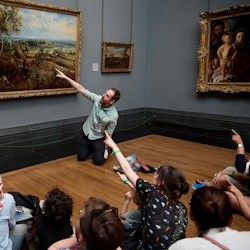
- Visita guiada
National Gallery'de sizi bekleyen nefes kesici sanat eserleri ve mimari ihtişamdan bazılarını görsel bir yolculukla keşfedin.
Londra'nın Trafalgar Meydanı'nın kalbinde yer alan Ulusal Galeri, dünyanın en seçkin sanat müzelerinden biri olarak öne çıkmaktadır. 2.300'den fazla tablodan oluşan ulusal bir koleksiyona ev sahipliği yapan galeri, ziyaretçilerine 13. yüzyılın ortalarından 20. yüzyılın başlarına kadar Avrupa sanat tarihi boyunca eşsiz bir yolculuk sunmaktadır. Bu köklü kurum, inanılmaz bir sanatsal akım ve stil yelpazesini sergileyerek, sanat meraklıları ve meraklı gezginler için mutlaka ziyaret edilmesi gereken bir yerdir. Çığır açan Rönesans sunaklarından canlı Empresyonist manzaralara kadar galeri, Batı resminin kapsamlı bir anlatısını sunarak, 700 yılı aşkın süredir insan yaratıcılığının ve ifadesinin evrimini ortaya koymaktadır.
National Gallery katı bir kıyafet kuralı uygulamamakta, ziyaretçileri günlük kıyafetlerle ağırlamaktadır. Ancak, bir kamu kültür kurumu olduğu için, mütevazı ve saygılı bir giyim tarzı genellikle takdir edilir. Kapsamlı koleksiyonu keşfederken muhtemelen çok yürüyeceğiniz için rahat ayakkabılar şiddetle tavsiye edilir.
Ulusal Galeri, zengin ve kapsamlı Avrupa resim koleksiyonuyla kutlanan bir kültür feneridir. Duvarları, Leonardo da Vinci, Botticelli, Michelangelo, Raphael, Vermeer, Rembrandt, Turner, Van Gogh ve Monet gibi hemen hemen her büyük sanatçının eserlerini sergilemektedir. Koleksiyon kronolojik olarak düzenlenmiş olup, ziyaretçilerin Bizans döneminden Yüksek Rönesans'a, Hollanda Altın Çağı'na, Empresyonizme ve Post-Empresyonizme kadar sanatın gelişimini takip etmelerine olanak tanır. Galeri, sadece tabloları izlemenin ötesinde, tarihi dönemleri, kültürel değişimleri ve sanatsal teknikleri gösteren derin bir eğitim deneyimi sunar. Her oda, düşünmeye ve keşfetmeye davet eden, sanatçıların yaşamları ve başyapıtlarının yaratıldığı toplumsal bağlamlar hakkında bilgiler sunan küratörlü bir alandır. Ulusal Galeri, zamansız güzelliği ve tarihi derinliği ile her yıl milyonlarca ziyaretçiye ilham veren, adeta canlı bir sanat ders kitabı işlevi görmektedir.
National Gallery ziyaretinizi çevrimiçi olarak rezerve etmek, daha sorunsuz ve zenginleştirici bir deneyim sağlayan çeşitli avantajlar sunar. Bilet veya turları önceden güvence altına alarak, özellikle yoğun sezonlarda veya kalabalık zamanlarda sıraları atlayarak zamandan tasarruf edebilirsiniz. Çevrimiçi rezervasyon ayrıca, eserleri anlama ve takdir etme yeteneğinizi artıran Dijital Sesli Rehber, Resmi Önemli Noktalar Turu veya Derinlemesine Rehberli Tur gibi özel deneyimlere erişim sağlar. Çocuklar için Hızlı Geçiş Bileti + Rehberli Tur veya öğleden sonra çayı veya öğle yemeği ile birleştirilmiş turlar gibi seçenekler, ekstra kolaylık ve değer katarak gününüzü etkili bir şekilde planlamanıza ve son dakika sorunları yaşamadan ziyaretinizi en üst düzeye çıkarmanıza olanak tanır.
National Gallery, İngiliz hükümetinin sanat koleksiyoncusu John Julius Angerstein'dan 38 tablo satın almasıyla 1824 yılında kurulmuştur. Kıta Avrupası'ndaki kraliyet sanat koleksiyonlarının millileştirilmesiyle oluşan ulusal galerilerin aksine, National Gallery halka açık olması amacıyla kamu fonlarıyla kurulmuştur. İlk evi Angerstein'ın Pall Mall'daki eviydi, ancak hızla büyüyen koleksiyonu taşınmayı zorunlu kıldı. 1838'de galeri, William Wilkins tarafından tasarlanan Trafalgar Meydanı'ndaki mevcut amaca yönelik binasına taşındı. 19. ve 20. yüzyıllar boyunca koleksiyon, büyük ölçüde özel vasiyetler ve önemli satın almalar yoluyla genişlemeye devam ederek onu günümüzdeki dünya standartlarında bir kurum haline getirdi. İkinci Dünya Savaşı sırasında, koleksiyonun güvenliği için Galler'deki bir arduvaz madenine taşındığı ve boş salonlarının halkın moralini yükseltmek için öğle yemeği konserleri için kullanıldığı dönemde galeri çok önemli bir rol oynadı. Halka açık erişim ve eğitime olan bu bağlılık, misyonunun temelini oluşturmaya devam etmektedir.
The National Gallery genellikle haftanın yedi günü ziyaretçilerini ağırlamaktadır. Standart açılış saatleri tipik olarak 10:00 - 18:00 arasındadır. Cuma günleri galeri genellikle açılış saatlerini 21:00'e kadar uzatarak akşam ziyaretleri için bir fırsat sunmaktadır. Özellikle belirli sanat eserlerini görmek veya rehberli bir tura katılmak istiyorsanız, geniş koleksiyonu keşfetmek için yeterli zaman ayırmanız tavsiye edilir. Tatil saatleri değişebilir ve galeri genellikle belirli resmi tatillerde kapalıdır.
National Gallery'de daha rahat ve daha az kalabalık bir deneyim için, hafta içi sabahları açılışından kısa bir süre sonra veya kapanıştan yaklaşık bir iki saat önce öğleden sonra geç saatlerde ziyaret etmeyi düşünün. Pazartesi, Salı ve Çarşamba günleri genellikle Perşembe, Cuma, hafta sonları ve okul tatillerine göre daha sakindir. Galeri, öğle saatlerinde ve yağmurlu günlerde özellikle kalabalık olabilir. Hafta sonları, özellikle Cumartesi öğleden sonraları en kalabalık olma eğilimindedir. Sonbahar veya kış (tatil dönemleri hariç) gibi yoğun olmayan sezonlarda ziyaret etmek de daha sakin bir deneyim sağlayabilir.
National Gallery içinde ziyaretçiler, sanat tarihi boyunca olağanüstü bir yolculuğa çıkabilirler. Botticelli ve Piero della Francesca gibi İtalyan ustaların erken Rönesans eserleriyle başlayarak modern resmin doğuşuna tanık olun. Hollanda ve Flaman galerilerinde Vermeer ve Rembrandt'ın karmaşık detaylarını, Rubens'in canlı manzaralarıyla birlikte hayranlıkla izleyin. Koleksiyonun İngiliz bölümünde J.M.W. Turner'ın dramatik deniz manzaraları ve Gainsborough'nun etkileyici portreleri yer alır. Birçoğu için öne çıkan nokta, Van Gogh'un 'Ayçiçekleri', Monet'nin 'Nilüferler'i ve Pissarro'nun şehir manzaraları önünde durabileceğiniz Empresyonist ve Post-Empresyonist odalardır. Leonardo da Vinci'nin 'Kayalıklar Bakiresi'ni veya Raphael'in 'Ansidei Madonna'sını kaçırmayın. Her kanat, sanatsal gelişime benzersiz bir bakış açısı sunarak tekniği, konuyu ve tarihsel bağlamı yakından incelemeye davet eder.
Ziyaretinizi önceden planlayın, özellikle rehberli bir tura veya belirli bir etkinliğe katılmayı düşünüyorsanız. Ana koleksiyona giriş ücretsizdir, ancak özel sergiler ücretli bilet gerektirebilir. Kapsamlı koleksiyonda gezinmek ve belirli sanat eserlerini bulmak için varışta bir galeri haritası alın. Ücretsiz Wi-Fi mevcuttur. Galerinin birden fazla girişi vardır; önce ziyaret etmek istediğiniz bölüme en yakın olanı göz önünde bulundurun. Paltolar ve çantalar için dolaplar mevcuttur. Flaşsız fotoğraf çekimi kişisel kullanım için genellikle serbesttir, ancak belirli sanat eserleri veya sergilerdeki özel kısıtlamaları kontrol edin. Galerinin geniş alanı nedeniyle rahat ayakkabılar şiddetle tavsiye edilir.
Tüm ziyaretçiler için keyifli bir deneyim sağlamak ve sanat eserlerini korumak amacıyla belirli kurallar mevcuttur. Büyük çantalar, sırt çantaları ve şemsiyeler vestiyer veya dolaplarda saklanması gerekebilir. Galeri odalarında yiyecek ve içecek bulundurmak yasaktır. Koşmak, yüksek sesle konuşmak ve sanat eserlerine dokunmak kesinlikle yasaktır. Resimlerden her zaman saygılı bir mesafede durun. Sanat eserlerinin hassas yüzeylerine zarar vermemek için flaşlı fotoğraf çekimine izin verilmez. Özellikle kalabalık alanlarda veya acil durumlarda galeri personelinin verdiği talimatlara uyun.
National Gallery, sanat, tarih veya kültüre ilgi duyan herkes için kesinlikle ziyaret etmeye değerdir. Kapsamlı koleksiyonu, yedi yüzyıl boyunca Batı sanatının gelişimine tanıklık etmek için eşsiz bir fırsat sunar ve hemen hemen her önemli Avrupalı ressamın başyapıtlarını içerir. Sergilenen sanat eserlerinin saf kalitesi ve genişliği şaşırtıcıdır, insan yaratıcılığına ve tarihi dönemlere dair derin bilgiler sunar. Sadece kitaplarda gördüğünüz ikonik tabloların birkaç metre yakınında durabileceğiniz, kalıcı bir izlenim bırakan zenginleştirici ve çoğu zaman derinden etkileyici bir deneyim sunan bir yerdir. Ayrıca, ücretsiz genel girişi sayesinde erişilebilir bir kültürel hazinedir.
National Galeri genellikle her gün sabah 10:00'dan akşam 6:00'ya kadar açıktır, Cuma günleri ise akşam 9:00'a kadar uzatılmış saatler uygulanır. Tatil saatleri değişebilir.
National Galeri'nin ana koleksiyonuna genel giriş ücretsizdir. Ancak, özel sergiler ücretli bilet gerektirebilir.
Van Gogh, Monet, Leonardo da Vinci, Botticelli, Turner, Rembrandt, Vermeer, Raphael gibi ünlü sanatçıların ve daha birçok Avrupalı ustanın eserlerini görebilirsiniz.
Kapsamlı bir ziyaret genellikle 3 ila 5 saat sürer, ancak ilginize ve mevcut zamanınıza bağlı olarak ziyaretinizi daha kısa veya daha uzun hale getirebilirsiniz.
Flaşsız fotoğraf çekimi genellikle kişisel, ticari olmayan kullanım için serbesttir. Ancak, bazı belirli sanat eserleri veya özel sergiler kısıtlamalara sahip olabilir.
Evet, National Galeri resmi önemli noktalar turları ve detaylı seçenekler de dahil olmak üzere çeşitli rehberli turlar sunmaktadır ve bunlar genellikle çevrimiçi olarak önceden rezerve edilebilir.
National Galeri genellikle erişilebilirdir; hareket kısıtlılığı olan ziyaretçileri ağırlamak için bina genelinde asansörler ve rampalar mevcuttur. Tekerlekli sandalyeler genellikle tesiste ödünç alınabilir.
The National Gallery, Trafalgar Square'da merkezi bir konumda yer almaktadır ve toplu taşıma ile kolayca ulaşılabilir. En yakın metro istasyonları, kısa bir yürüme mesafesinde bulunan Charing Cross (Bakerloo ve Northern hatları), Leicester Square (Northern ve Piccadilly hatları) ve Embankment (Bakerloo, Northern, District ve Circle hatları) istasyonlarıdır. Çok sayıda otobüs güzergahı da Trafalgar Square'a hizmet vererek Londra'nın çeşitli yerlerinden buraya ulaşımı kolaylaştırmaktadır.
National Gallery katı bir kıyafet kuralı uygulamamakta, ziyaretçileri günlük kıyafetlerle ağırlamaktadır. Ancak, bir kamu kültür kurumu olduğu için, mütevazı ve saygılı bir giyim tarzı genellikle takdir edilir. Kapsamlı koleksiyonu keşfederken muhtemelen çok yürüyeceğiniz için rahat ayakkabılar şiddetle tavsiye edilir.