

Neler Dahil
- Entry to the Acropolis of Lindos
- Self-guided audio tour in English on your smartphone
- Audio Guide covers in-depth insights (as per option selected)
- Offline content with text, audio narration and maps (as per option selected)
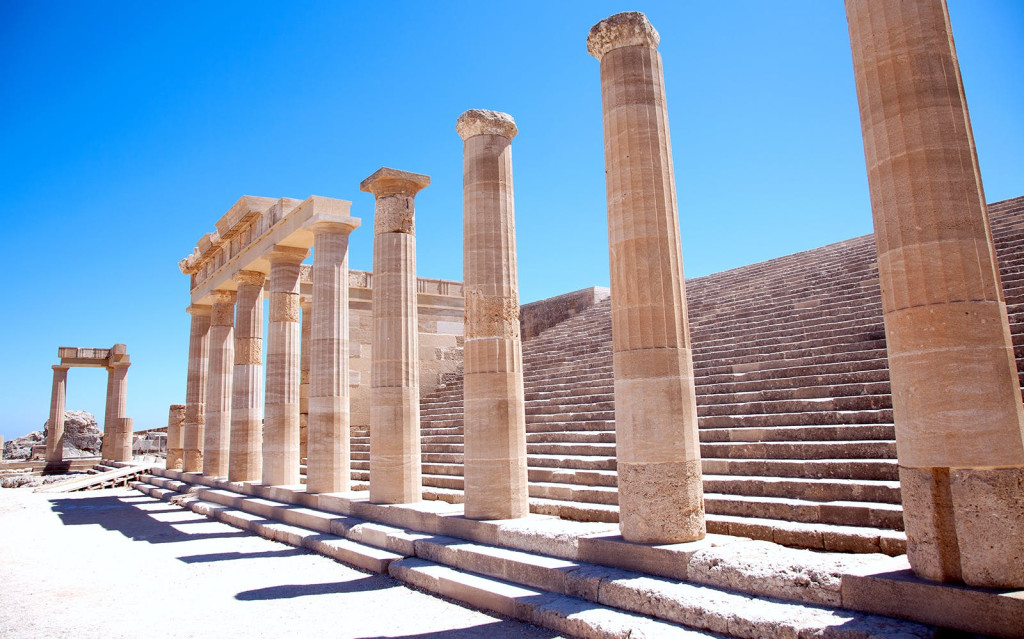
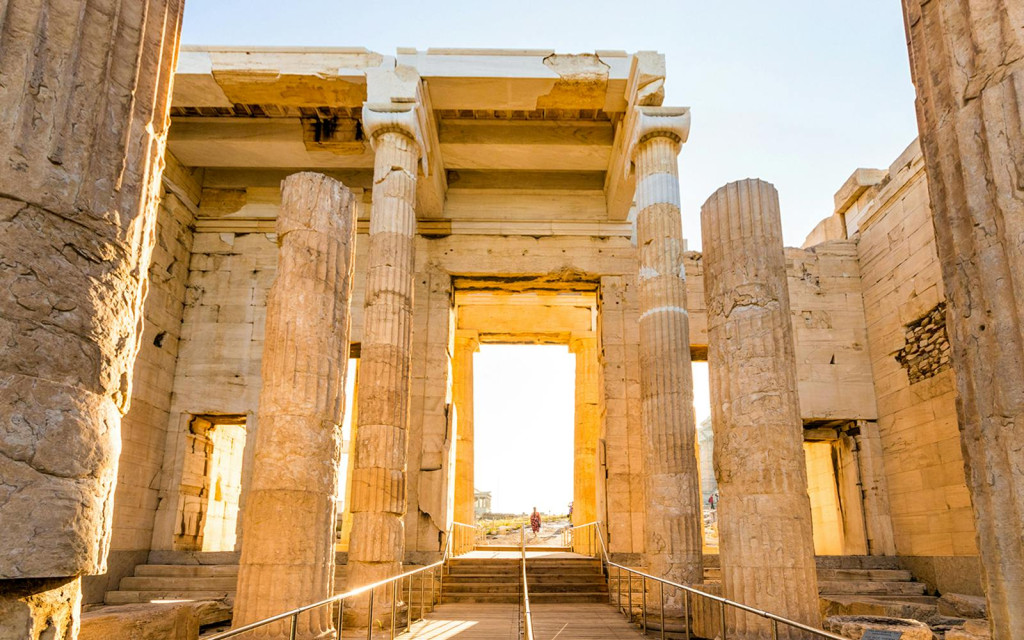
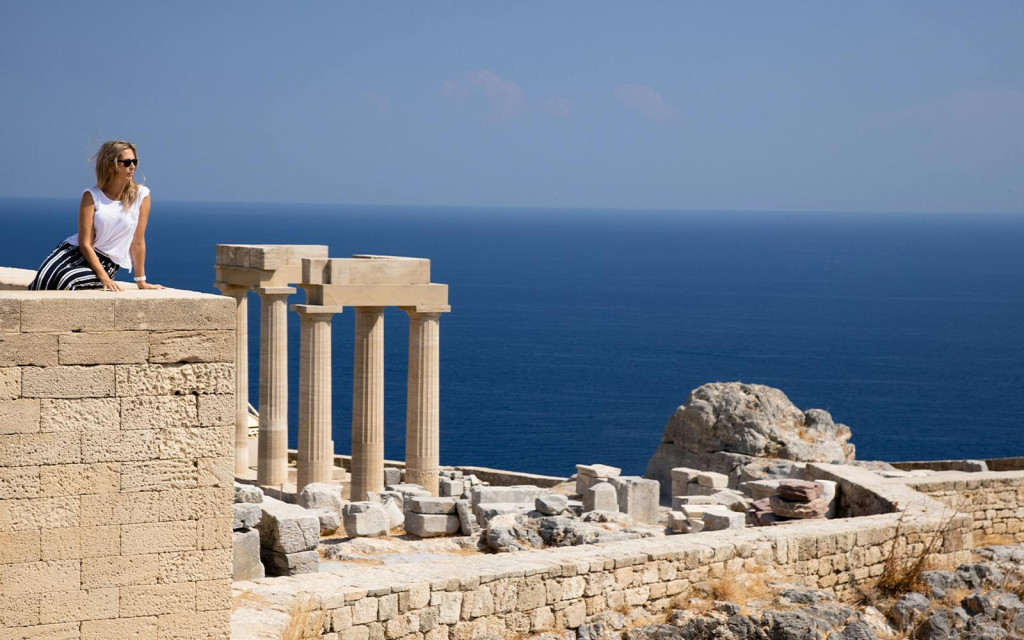
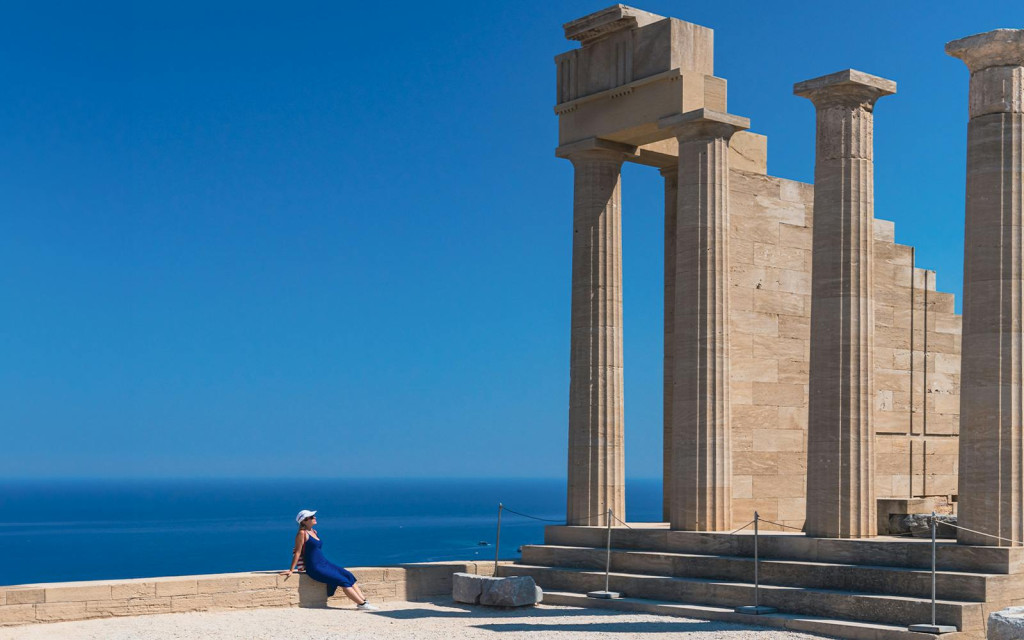
Explore a gallery of images showcasing the majestic Acropolis of Lindos, its ancient ruins, and the breathtaking views from its summit.
Perched dramatically atop a towering cliff overlooking the Aegean Sea, the Acropolis of Lindos is one of Rhodes' most captivating historical sites. This ancient citadel combines Hellenistic, Roman, Byzantine, and medieval influences, offering a unique journey through millennia of history. Visitors can explore the well-preserved ruins of the Temple of Athena Lindia, a Hellenistic stoa, and a Byzantine church, all encompassed within the formidable walls of a Knights of St. John fortress. The panoramic views from this elevated position are simply breathtaking, showcasing the picturesque village of Lindos, its two harbors, and the vast expanse of the sea. A visit to the Acropolis of Lindos is an essential experience for anyone exploring the rich heritage of Rhodes.
There is no strict dress code for visiting the Acropolis of Lindos. However, given the outdoor nature of the site and the need to climb, practical and comfortable clothing is recommended. Light layers are suitable for varying temperatures. Comfortable walking shoes are essential for navigating the uneven terrain and steps.
Step into one of Greece’s most remarkable archaeological treasures as you explore the Acropolis of Lindos, a clifftop sanctuary where ancient temples, medieval fortifications, and breathtaking coastal views come together.
Make your way to the historic village of Lindos on the island of Rhodes and begin the ascent to the Acropolis, perched 116 meters above the sea. After your ticket is validated, enter the archaeological complex and set off on a self-guided journey through centuries of history. If you've selected the audio guide option, use it to uncover fascinating stories and navigate the site with ease.
Discover a spectacular hilltop citadel that reflects the influence of multiple civilizations, from the ancient Greeks and Romans to the Byzantines and Ottomans. Dedicated to the goddess Athena, the Acropolis of Lindos offers a fascinating blend of sacred monuments, military architecture, and panoramic sea views.
Explore iconic ruins, including the Doric Temple of Athena, the grand Propylaea, and the impressive Hellenistic Stoa, lined with towering columns.
Trace the layers of history shaped by Greek, Roman, Byzantine, and Ottoman civilizations as you wander through the archaeological complex.
Visit the Byzantine Church of Saint John and discover the fortified walls built by the Knights of St. John, which transformed the site into a strategic maritime stronghold.
Admire sweeping views of the Aegean Sea, the whitewashed village of Lindos, and the surrounding coastline from one of Rhodes’ most scenic viewpoints.
See the remains of the ancient Theater of Lindos, once a vibrant venue for theatrical performances, festivals, competitions, and religious ceremonies.
Enhance your visit with an optional audio guide that brings the site's myths, history, and monuments to life.
The Acropolis of Lindos stands as a monumental testament to the diverse civilizations that have shaped the island of Rhodes over thousands of years. Its strategic location, commanding views of the surrounding coastline, made it an invaluable stronghold throughout antiquity and the Middle Ages. The site's most significant ancient structure is the Temple of Athena Lindia, dating back to the 4th century BCE, a sanctuary revered across the ancient world. Surrounding it are the remains of a monumental Hellenistic stoa, offering shade and gathering space in ancient times, and a propylaia that once served as the grand entrance. Later, the Byzantine period saw the construction of a church on the site, integrating Christian elements into the pagan past. Most strikingly, the Acropolis is fortified by a robust medieval castle built by the Knights of St. John in the 14th century, whose impressive battlements and towers still dominate the silhouette today. Exploring the Acropolis offers a layered experience, allowing visitors to trace the architectural and cultural evolution from ancient Greek worship to Crusader defense, all while enjoying unparalleled vistas of the Mediterranean landscape.
Booking your Acropolis of Lindos entry ticket online offers convenience and ensures a smoother visit, especially during peak season when the site can be busy. Pre-purchasing tickets allows you to bypass potential queues at the entrance, saving valuable time. Many online options, such as the Acropolis of Lindos Entry Ticket with Audio Guide, provide the added benefit of an insightful audio guide. This allows you to delve deeper into the history and significance of the various ruins at your own pace, enhancing your understanding and appreciation of this remarkable archaeological site without the need for a physical guide.
The history of the Acropolis of Lindos spans millennia, beginning as a sanctuary for the local deity, Athena Lindia, around the 10th century BCE. Lindos itself was one of the three ancient cities of Rhodes and a significant maritime power. The most prominent temple dedicated to Athena was built in the 4th century BCE on the site of an earlier structure. During the Hellenistic period, a monumental stoa was added, further enhancing the grandeur of the sanctuary. The Romans later maintained the site, and evidence of Byzantine occupation, including a small church, highlights its continued use. However, the Acropolis's most visible transformation occurred in the 14th century when the Knights of St. John, who controlled Rhodes, fortified it into a formidable medieval castle. This strategic stronghold played a crucial role in their defense against Ottoman expansion. They integrated the ancient ruins into their defensive structures, creating the unique blend of architectural styles seen today. The Acropolis has undergone significant archaeological restoration, particularly in the 20th century, to preserve its rich heritage.
The Acropolis of Lindos generally operates with varying opening hours depending on the season. During the summer months, it typically opens earlier in the morning and closes later in the evening to accommodate more visitors, often around 8:00 AM to 7:40 PM. In the winter, hours are usually shorter, perhaps from 8:30 AM to 3:00 PM. It is always recommended to consult current local schedules prior to your planned visit, as times can change, and the site may also be closed on specific public holidays.
To fully enjoy the Acropolis of Lindos and avoid the peak heat and crowds, the best times to visit are either early in the morning, shortly after opening, or in the late afternoon, a couple of hours before closing. During these times, the sunlight is often softer, which is ideal for photography, and the temperatures are more comfortable for the uphill walk. Visiting outside the peak summer months of July and August can also provide a more relaxed experience, with May, June, September, and October offering pleasant weather and fewer visitors.
Upon entering the Acropolis of Lindos, visitors are immediately immersed in layers of history. The most prominent ancient structure is the Temple of Athena Lindia, standing majestically at the highest point, its Doric columns hinting at its former grandeur. Below it, the monumental Hellenistic stoa with its impressive row of columns once provided shelter and a gathering place. The Propylaia, the grand entrance to the sanctuary, is also a significant ruin to explore. Within the medieval fortifications of the Knights of St. John, you can discern their defensive architecture, including impressive battlements and towers. Traces of a Byzantine church can also be found, showcasing the site's continuous occupation. As you navigate the pathways, interpretive signs provide context to the various structures, bringing their ancient stories to life. Beyond the ruins themselves, the unparalleled views of the turquoise sea, the surrounding coastline, and the charming village of Lindos below are an integral part of the experience.
Wear comfortable walking shoes suitable for uneven paths and steps, as the ascent to the Acropolis can be steep. Bring water, especially during warmer months, as there are limited facilities once inside. Consider visiting early morning or late afternoon to avoid heat and crowds. Sun protection like a hat and sunscreen is advisable. An entry ticket is required, and an audio guide can greatly enhance your understanding of the historical structures. There are no facilities for food or drink on the Acropolis itself, so plan accordingly.
Visitors are expected to treat the archaeological site with respect. Do not touch or climb on ancient structures. Dispose of litter properly in designated bins. Smoking is prohibited within the site. Large bags may need to be stored in lockers if available. Always follow the instructions of the site staff for your safety and the preservation of the monument. Pets are generally not permitted inside the Acropolis grounds.
The Acropolis of Lindos is undeniably worth visiting for its unparalleled historical significance, stunning architectural remains, and breathtaking natural beauty. It offers a rare opportunity to witness a site where ancient Greek worship, Roman influence, Byzantine Christianity, and medieval Crusader power converged, all within a single location. The panoramic views from the summit, encompassing the Aegean Sea and the picturesque village of Lindos, provide a spectacular backdrop to the ancient ruins. Whether you are a history enthusiast, an architecture admirer, or simply seeking an unforgettable vista, the Acropolis provides a rich and rewarding experience that captures the essence of Rhodes' enduring legacy.
The Acropolis of Lindos features structures from the Hellenistic, Roman, Byzantine, and medieval periods, including the ancient Temple of Athena Lindia and a Knights of St. John fortress.
The path to the Acropolis involves a significant uphill walk with steps and uneven surfaces. Access might be challenging for those with significant mobility issues.
While dedicated guided tours by a person might vary, tickets often include access to a digital audio guide which provides detailed information about the site.
It is advisable to bring water, especially during hot weather. There are no facilities to purchase food or drinks once inside the Acropolis. Please take any litter with you.
The walk from Lindos village to the Acropolis entrance typically takes about 15-20 minutes, depending on your pace and the heat.
Yes, photography is generally allowed for personal use. However, the use of drones or professional equipment may require special permission.
Restroom facilities are usually available near the entrance of the Acropolis site, but not within the ancient ruins themselves.
The Acropolis of Lindos is located above Lindos village. You can reach Lindos by public bus from Rhodes Town, by taxi, or by rental car, with parking available at the outskirts of the village. From the village, the ascent to the Acropolis requires a walk up a paved path. Alternatively, 'donkey taxis' are available for hire from the village square, offering a traditional ride up part of the hill.
There is no strict dress code for visiting the Acropolis of Lindos. However, given the outdoor nature of the site and the need to climb, practical and comfortable clothing is recommended. Light layers are suitable for varying temperatures. Comfortable walking shoes are essential for navigating the uneven terrain and steps.