

Neler Dahil
- Admission
- Audio Guide
- Sightseeing Bus Tour
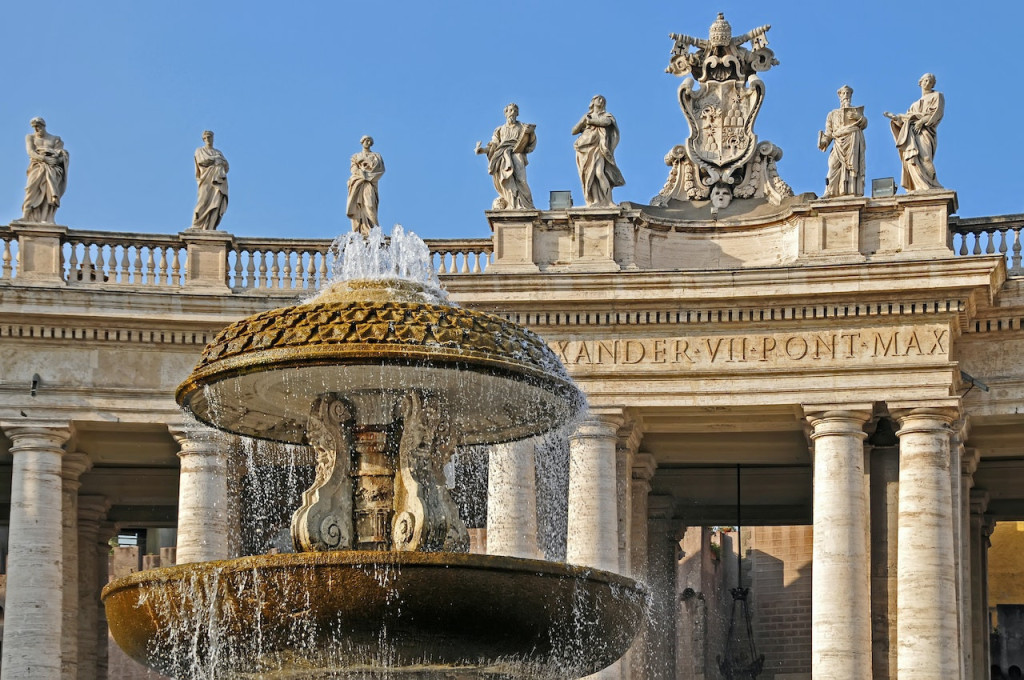
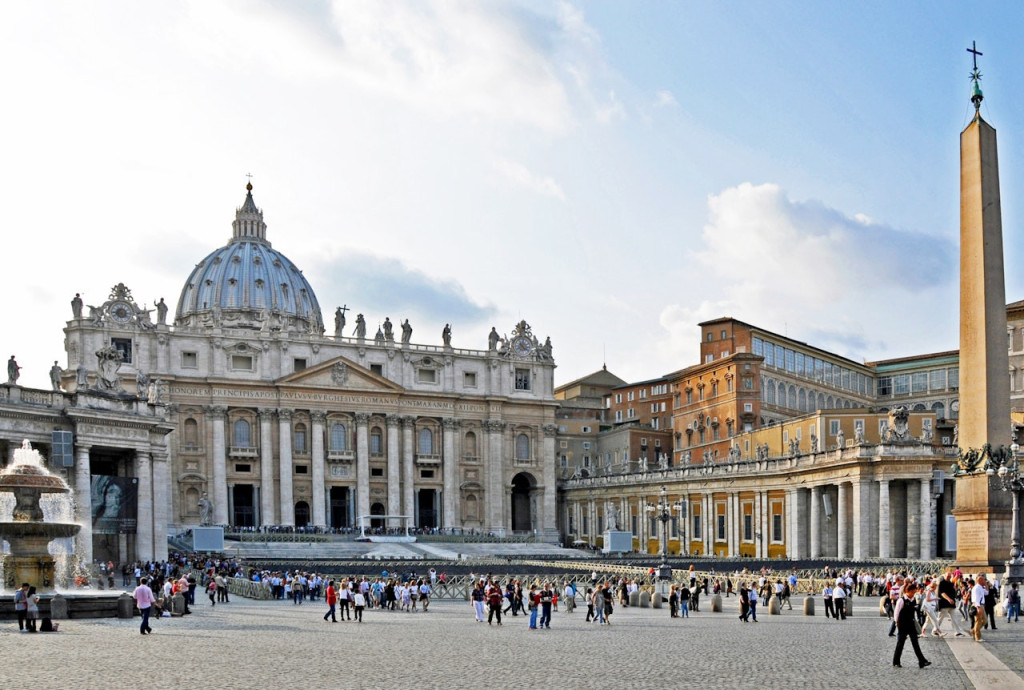
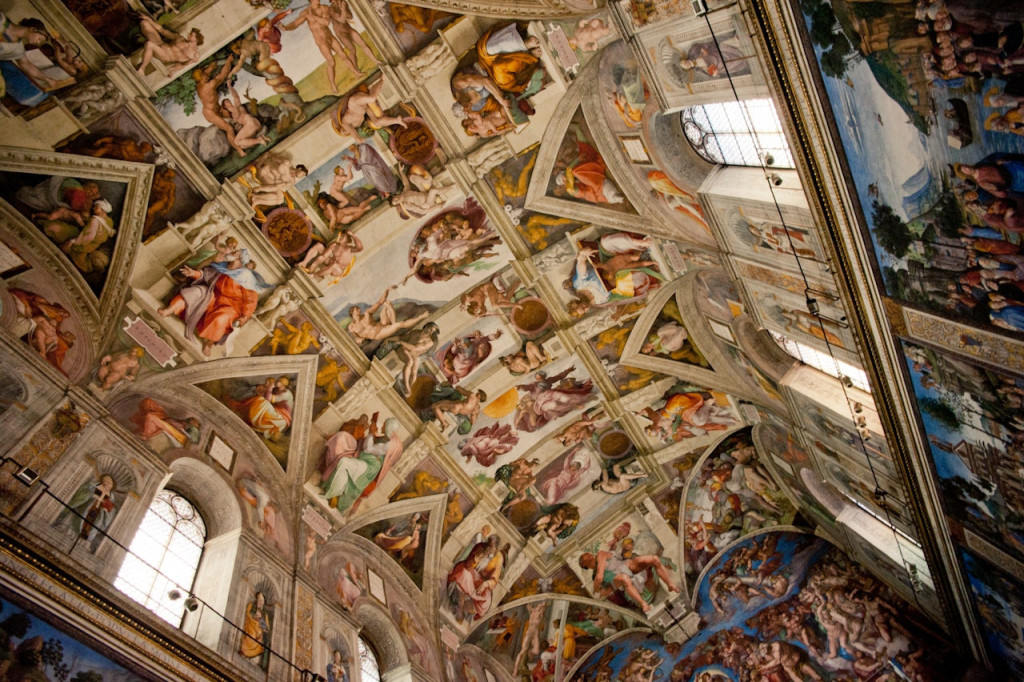
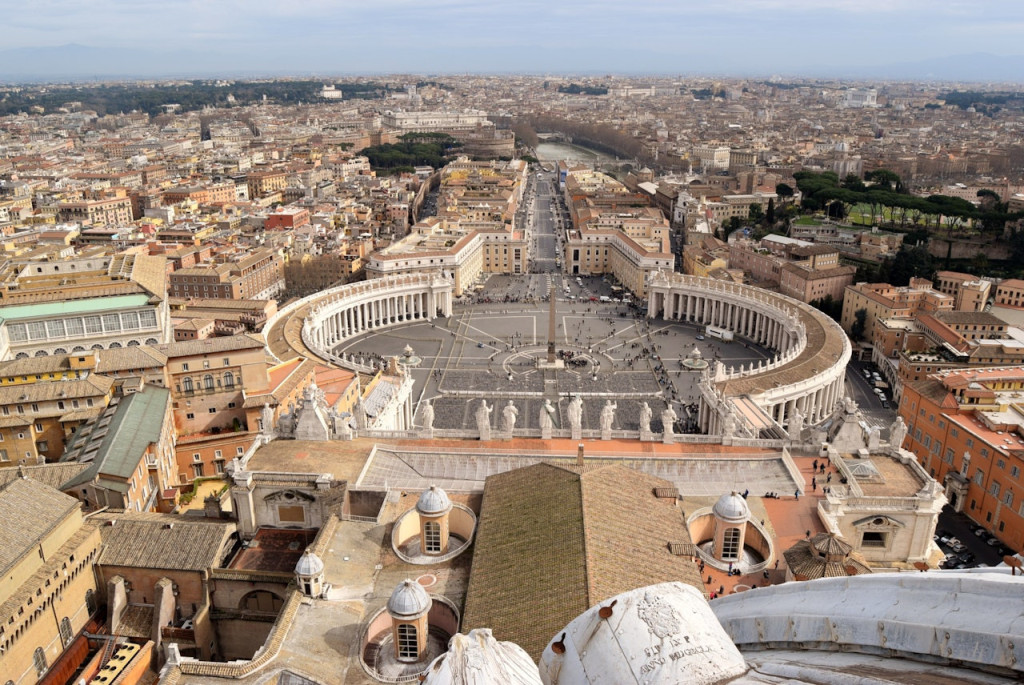
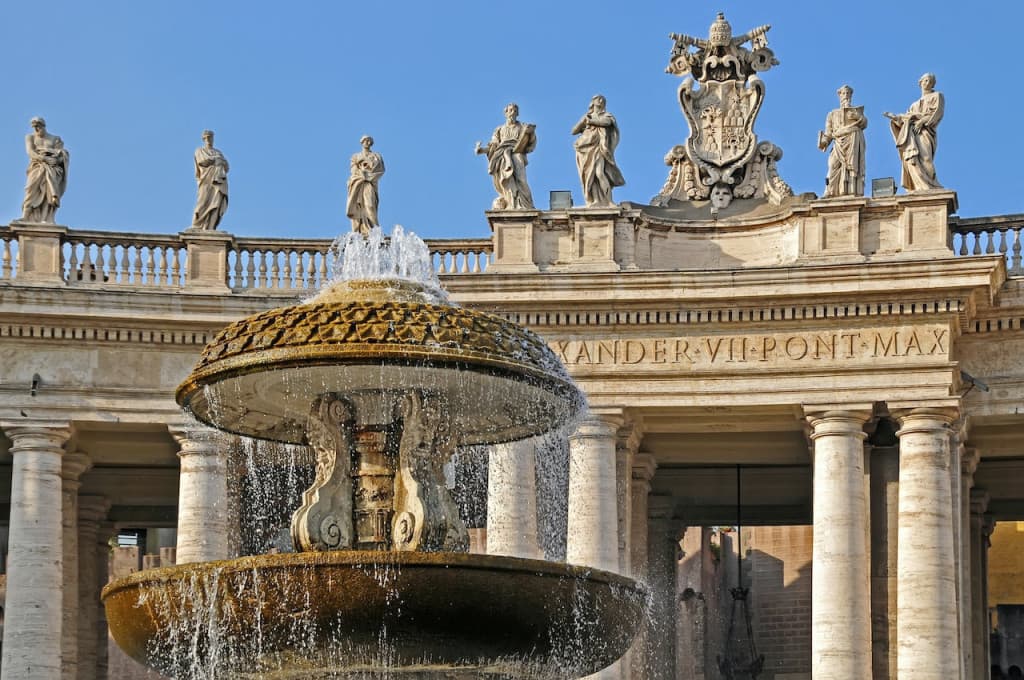
Omnia Kart ile Roma ve Vatikan Şehri'nde sizi bekleyen ikonik simge yapıların ve deneyimlerin çarpıcı görüntülerini keşfedin.
Omnia Card, Roma ve Vatikan Şehri'nin ikonik cazibe merkezlerini keşfetmek için kullanışlı bir yol sunar. Seçici gezginler için tasarlanan bu hepsi bir arada şehir kartı, başlıca yerlere, toplu taşımaya ve ayrıcalıklı avantajlara erişim sağlayarak gezi deneyiminizi kolaylaştırır. Hem 24 hem de 72 saatlik seçeneklerle sunulan Omnia Card, Ebedi Şehir'in zengin tarihine ve kültürüne kendi hızınızda dalmanıza olanak tanır. Sistine Şapeli de dahil olmak üzere muhteşem Vatikan Müzeleri'ni keşfedin ve Aziz Petrus Bazilikası'nın ihtişamına hayran kalın. Vatikan'ın ötesinde, kart aynı zamanda diğer önemli Roma simge yapılarına girişin yanı sıra şehrin toplu taşıma ağının sınırsız kullanımını ve bir üstü açık otobüs turunu da sağlayarak ziyaretinizi sorunsuz ve unutulmaz kılar.
Omnia Kart'ın kapsadığı dini mekanları, özellikle Aziz Petrus Bazilikası ve Sistina Şapeli dahil Vatikan Müzeleri'ni ziyaret ederken saygılı bir giyim kuralına uyulması gerekmektedir. Omuzlar ve dizler kapalı olmalıdır. Bu, kolsuz üstler, kısa şortlar veya mini etek giyilmemesi anlamına gelir. Diğer dini olmayan cazibe merkezleri için belirli bir kıyafet kuralı yoktur, ancak Roma'nın tarihi yerlerini keşfederken yoğun yürüme gerektirdiğinden rahat ayakkabılar şiddetle tavsiye edilir.
Omnia Card, iki temel bileşeni bir araya getiren kapsamlı bir turist kartıdır: Vatikan & Roma Kartı. Kartın Vatikan bölümü, Vatikan Müzeleri'ne ve Sistine Şapeli'ne öncelikli erişim, Aziz Petrus Bazilikası için bir sesli rehber ve Aziz Yuhanna Lateran Bazilikası ve Santa Maria Maggiore gibi diğer dini mekanlara giriş sağlar. Bu bileşen, Roma'nın ruhani kalbini normal kuyruklar olmadan deneyimlemenizi garanti eder. Omnia Card'a entegre edilmiş Roma Kartı öğesi, Kolezyum, Roma Forumu ve Capitoline Müzeleri gibi Roma'nın en ünlü yerlerinden oluşan özel bir listeden iki üst düzey cazibe merkezine ücretsiz giriş sunar. Ayrıca Roma'nın toplu taşıma ağında (metro, otobüs, tramvay ve banliyö trenleri) sınırsız seyahat ve panoramik şehir manzaraları için bir üstü açık otobüs turu içerir. Kart, farklı seyahat güzergahlarına uyum sağlayacak esneklik sunan hem 24 saatlik hem de 72 saatlik sürelerde mevcuttur. Kartın aktivasyonu, bir cazibe merkezinde veya toplu taşıma araçlarında ilk kullanımınızla başlar ve değerini en üst düzeye çıkarmanıza olanak tanır. Bu kart, lojistiği basitleştirir, zaman kazandırır ve bireysel bilet ve ulaşım ücretlerini satın almaya kıyasla genellikle finansal tasarruf sağlar, bu da onu Roma'nın engin kültürel mirasını keşfetmek için ideal bir yol arkadaşı yapar.
Omnia Kartınızı çevrimiçi olarak önceden rezerve etmek, daha sorunsuz bir seyahat deneyimi için çeşitli önemli avantajlar sunar. Bu, kartınızı gelmeden önce güvence altına almanızı, teslim alma noktalarındaki olası kuyrukları önlemenizi ve ziyaretinizde hemen kullanmaya başlamanızı sağlar. Çevrimiçi rezervasyon genellikle ayrıntılı dijital bilgilerle birlikte gelir ve seyahat programınızı etkili bir şekilde planlamanıza yardımcı olur. Ayrıca, önceden satın alma, özellikle Vatikan Müzeleri gibi önceden rezervasyon gerektiren popüler cazibe merkezleri için bazen daha iyi fırsatlar veya belirli zaman dilimleri sunabilir. Bu proaktif yaklaşım, lojistiğe daha az, Roma ve Vatikan Şehri'nin harikalarının keyfini çıkarmaya ise daha fazla zaman harcamanızı sağlayarak seyahatinizi daha rahat ve verimli hale getirir.
Omnia Kartı, turist deneyimini geliştirmek için tasarlanmış modern bir yenilik olsa da, 'tarihi' Roma ve Vatikan Şehri'nin binlerce yıllık zengin mirasıyla ayrılmaz bir şekilde bağlantılıdır. Entegre bir şehir kartı konsepti, ziyaretçilere Roma'nın sayısız tarihi, kültürel ve dini hazinelerine, antik Roma kalıntılarından Rönesans şaheserlerine ve Barok kiliselerine kadar düzenli bir şekilde erişim sağlamak için ortaya çıkmıştır. Kart, Roma İmparatorluğu'nun gücünün tanıkları olan Kolezyum ve Roma Forumu gibi binlerce yıldır ayakta duran yerlere erişimi, Katolik Kilisesi'nin ruhani kalbi olan ve Aziz Petrus'un mezarı üzerine inşa edilmiş Aziz Petrus Bazilikası ile birleştirir. Sistina Şapeli'ne ev sahipliği yapan Vatikan Müzeleri, kökenlerini 16. yüzyılın başlarında başlayan papalık koleksiyonlarına dayandırır. Kart, bu zamansız destinasyonları deneyimlemek için çağdaş bir yaklaşımı yansıtarak, derin tarihlerini günümüz gezgini için erişilebilir ve yönetilebilir hale getirir, yüzyılların sanatını, mimarisini ve inancını pratik bir tur çözümünde birleştirir.
Omnia Kart'a dahil olan cazibe merkezleri, yıl boyunca değişen açılış ve kapanış saatleriyle faaliyet göstermektedir. Vatikan Müzeleri ve Kolezyum gibi çoğu büyük site, genellikle sabahları açılır ve öğleden sonra veya erken akşam saatlerinde kapanır. Bazı cazibe merkezleri, müzeler için genellikle Pazartesi günleri gibi belirli kapanış günlerine veya resmi tatillerde ayarlanmış saatlere sahip olabilir. Özellikle mevsimsel değişiklikler, özel etkinlikler veya bakım kapanışları ile ilgili en güncel bilgiler için, seyahat planınızı etkili bir şekilde yapmak amacıyla ziyaret etmeyi düşündüğünüz belirli sitelerin bireysel programlarına başvurmanız her zaman önerilir.
Omnia Kartınızı Roma ve Vatikan Şehri'ni keşfetmek için kullanmak için en uygun zaman, nisan-haziran ve eylül-ekim ayları arasındaki omuz mevsimleridir. Bu aylarda hava genellikle hoştur, gezi ve yürüyüş için rahat sıcaklıklar hakimdir. Bu dönemde, sıcaklıkların çok yüksek olabileceği ve popüler yerlerin aşırı kalabalık olabileceği temmuz ve ağustos aylarına kıyasla daha az aşırı kalabalık görülür. Özellikle açılış saatinde sabah erken veya öğleden sonra geç saatlerde ziyaret etmek, Vatikan Müzeleri ve Aziz Petrus Bazilikası gibi önemli cazibe merkezlerindeki en büyük kalabalıklardan kaçınmanıza yardımcı olabilir, böylece daha dingin ve keyifli bir deneyim yaşarsınız.
Omnia Kartı ile Roma ve Vatikan Şehri'nin en saygın yerlerine eşsiz erişim kazanırsınız. Vatikan Şehri içinde, Laocoön Grubu ve Raphael Odaları gibi şaheserlere ev sahipliği yapan Vatikan Müzeleri'nin kapsamlı koleksiyonlarını keşfedebilir, Michelangelo'nun ikonik freskleriyle nefes kesici Sistina Şapeli'nde zirveye ulaşabilirsiniz. Katolikliğin anıtsal bir sembolü olan Aziz Petrus Bazilikası, sesli rehber eşliğinde sürükleyici bir deneyim sunar. Vatikan'ın ötesinde, kart Roma'nın diğer tarihi mücevherlerinden bir seçkiye giriş sağlar. Seçiminize bağlı olarak, bu, Kolezyum ve Roma Forumu'nun antik ihtişamını, etkileyici Capitoline Müzeleri'ni veya Borghese Galerisi'ni içerebilir. Kart ayrıca toplu taşımayı da kapsar, bu sayede bu olağanüstü yerler arasında kolayca gezinebilir ve şehrin gizli köşelerini keşfedebilirsiniz.
Omnia Kart'ı kullanırken, kartın genellikle ilk kullanımda, ister bir cazibe merkezine giriş ister toplu taşıma için olsun, etkinleştiğini unutmayın. Bazı popüler cazibe merkezleri, özellikle Vatikan Müzeleri ve Kolezyum, kartla bile önceden zaman aralığı rezervasyonu gerektirebilir, bu nedenle girişi garantilemek ve sırayı atlamak için bunları önceden kontrol edip ayırtmak akıllıca olacaktır. Kart toplu taşımayı içerir, ancak otobüslere veya tramvaylara binerken biletinizi doğrulamayı unutmayın. Kaybolması veya çalınması durumunda yenilenemeyeceği için kartı güvende tutun. Her cazibe merkezi için, özellikle yarım gün sürebilecek Vatikan Müzeleri için yeterli zaman ayırın. Fiziksel kartın teslim alma noktalarına dikkat edin, çünkü bunlar genellikle şehirdeki sabit noktalardır.
Omnia Kart'ın kapsadığı cazibe merkezlerini ziyaret edenler genel davranış kurallarına uymalıdır. Bu, sergilere dokunmaktan kaçınmayı, flaşlı fotoğrafçılığın yasak olduğu yerlerde kullanmamayı ve özellikle dini mekanlarda belirlenmiş sessiz alanlara saygı göstermeyi içerir. Büyük çanta veya sırt çantalarının bazı müzelerde dolaplara bırakılması gerekebilir. Yiyecek ve içecekler genellikle sergi alanlarında yasaktır. Herkesin konforu ve güvenliği için, personel üyelerinin talimatlarına uyun ve bireysel mekanlar için herhangi bir özel giriş gereksinimi veya güvenlik kontrolü olup olmadığını öğrenin. Sigara içmek genellikle kapalı alanlarda ve belirlenmiş açık alanlarda yasaktır.
Omnia Kart, Roma ve Vatikan Şehri'ndeki birden fazla önemli cazibe merkezini ziyaret etmeyi planlayan ve toplu taşımayı yoğun bir şekilde kullanmak isteyen gezginler için kesinlikle dikkate alınmaya değerdir. Değeri, ön ödemeli erişim kolaylığı, popüler yerlerdeki kuyrukları atlayarak potansiyel zaman tasarrufu ve biletleri ve ulaşımı bir araya getirmenin finansal faydasında yatmaktadır. Vatikan Müzeleri, Aziz Petrus Bazilikası gibi mutlaka görülmesi gereken önemli noktalara ve seçtiğiniz diğer Roma cazibe merkezlerine girişi, bir hop-on hop-off otobüs ve sınırsız toplu taşıma ile birleştirerek, kart lojistiği basitleştirir ve genel keşif deneyimini geliştirir, böylece biletleme yerine keşfe daha fazla odaklanılmasını sağlar.
Omnia Kart, Roma ve Vatikan Şehri için en iyi cazibe merkezlerine erişim, Aziz Petrus Bazilikası için sesli rehber, üstü açık otobüs turu ve sınırsız toplu taşıma sağlayan bir şehir geçiş kartıdır.
Vatikan Müzeleri, Sistine Şapeli, Aziz Petrus Bazilikası (sesli rehberli) ve iki büyük Roma cazibe merkezi seçimi (örneğin Kolezyum, Roma Forumu, Capitoline Müzeleri) ile diğer bazilikalar dahildir.
Omnia Kart, bir cazibe merkezinde veya toplu taşımada ilk kullanımınızla etkinleşen 24 saatlik veya 72 saatlik süreler için mevcuttur.
Vatikan Müzeleri ve Kolezyum gibi çok popüler cazibe merkezleri için, giriş garantisi ve sıra atlamak için Omnia Kart ile bile önceden zaman dilimi rezervasyonu yapılması genellikle tavsiye edilir.
Evet, Omnia Kart, geçerlilik süresi boyunca Roma'nın toplu taşıma ağının (metro, otobüsler, tramvaylar ve banliyö trenleri) sınırsız kullanımını içerir.
Online rezervasyon yaptıktan sonra, Roma'daki belirlenmiş toplama noktaları (genellikle merkezi turizm bilgi ofislerinde veya büyük ulaşım merkezlerinin yakınında bulunur) hakkında talimatlar alacaksınız.
Aziz Petrus Bazilikası ve Sistine Şapeli gibi Vatikan sitelerini ziyaret ederken, omuzların ve dizlerin kapalı olmasını gerektiren katı bir kıyafet kuralı vardır. Kolsuz üstler, kısa şortlar veya mini eteklere izin verilmez.
Omnia Kart'ın kendisi fiziksel bir destinasyon değil, bir geçiş kartıdır. Fiziksel kartınızı genellikle Roma'daki belirlenmiş teslim alma noktalarından, çoğunlukla büyük ulaşım merkezlerinin veya turizm bilgi merkezlerinin yakınından alırsınız. Kartı aldıktan sonra, çeşitli cazibe merkezlerine ulaşmak için karta dahil olan Roma'nın geniş toplu taşıma ağını (metro, otobüsler, tramvaylar) kullanabilirsiniz. Birçok merkezi Roma simgesi, toplu taşıma duraklarından yürüyerek de kolayca ulaşılabilir. Kart teslim alma noktaları için detaylı talimatlar rezervasyon sırasında sağlanacaktır.
Omnia Kart'ın kapsadığı dini mekanları, özellikle Aziz Petrus Bazilikası ve Sistina Şapeli dahil Vatikan Müzeleri'ni ziyaret ederken saygılı bir giyim kuralına uyulması gerekmektedir. Omuzlar ve dizler kapalı olmalıdır. Bu, kolsuz üstler, kısa şortlar veya mini etek giyilmemesi anlamına gelir. Diğer dini olmayan cazibe merkezleri için belirli bir kıyafet kuralı yoktur, ancak Roma'nın tarihi yerlerini keşfederken yoğun yürüme gerektirdiğinden rahat ayakkabılar şiddetle tavsiye edilir.