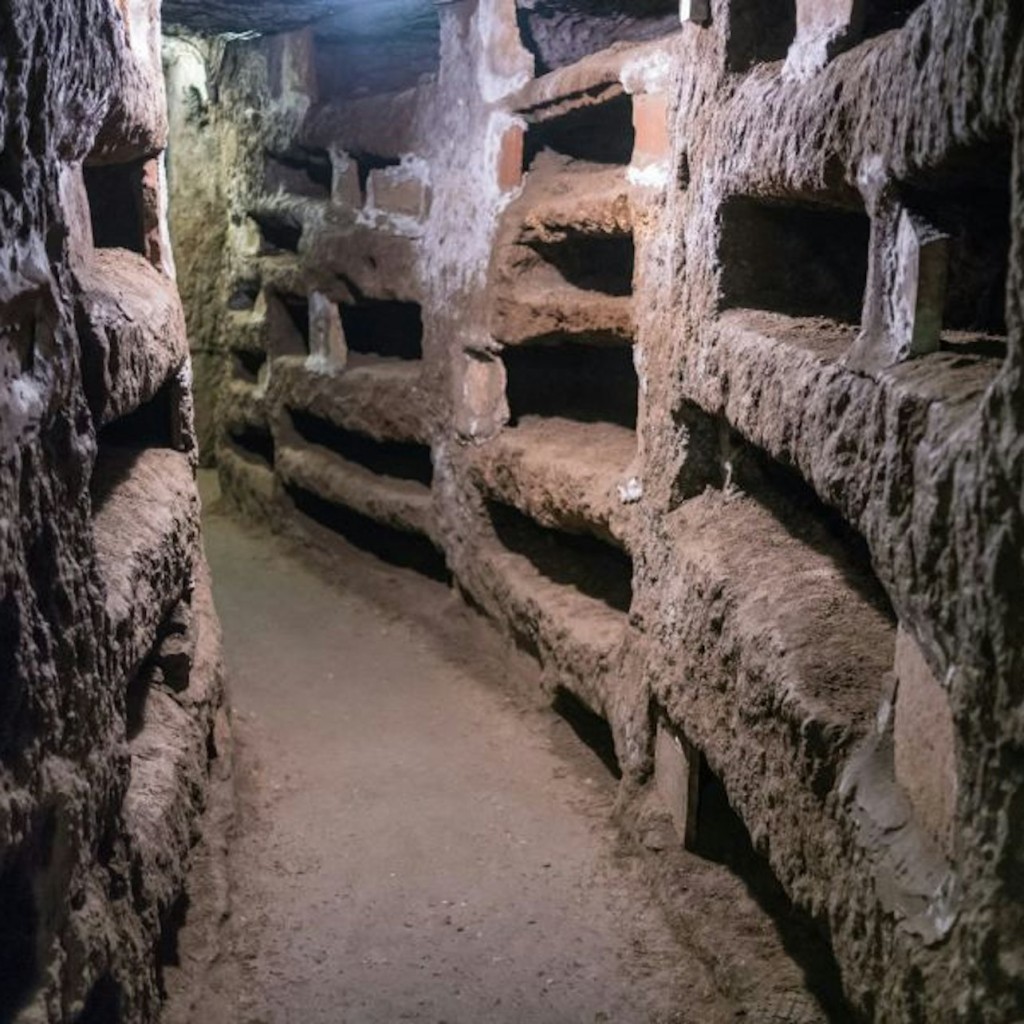
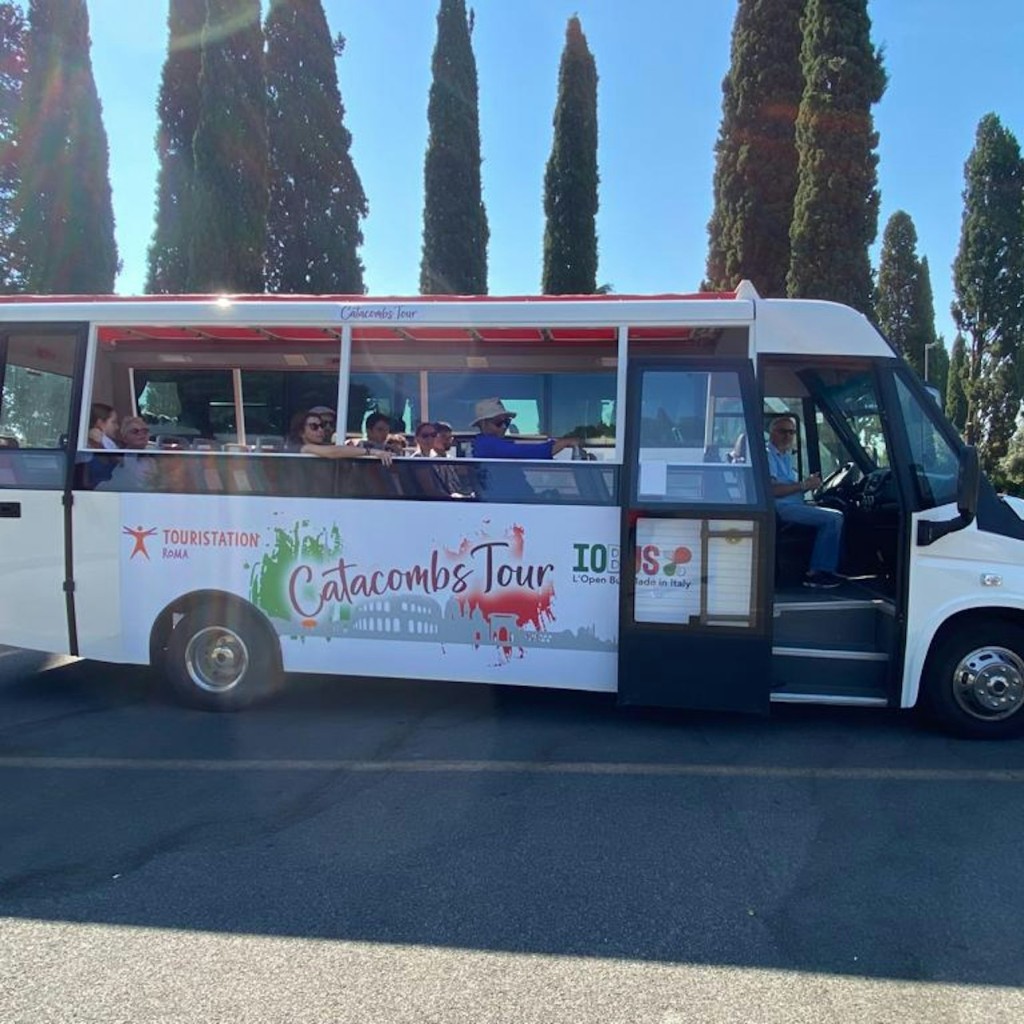
Roma Katakombları, Ebedi Şehir'in en önemli arkeolojik ve tarihi hazinelerinden birini temsil eder ve erken Hristiyan Roma'sına eşsiz bir bakış açısı sunar. Bu yeraltı mezarlıkları, MS 2. yüzyıldan itibaren, ağırlıklı olarak Hristiyan topluluğu tarafından, ayrıca şehir surlarının dışında toplu mezar yerleri arayan bazı Yahudi ve pagan gruplar tarafından oluşturulmuştur. Romalıların ölü yakma uygulamasının aksine, Hristiyanlar defin (gömme) yöntemini tercih etti, bu da ölülerini barındırmak için geniş yeraltı labirentlerinin kazılmasına yol açtı. Başlıca katakomblar arasında, 'Papalar Mahzeni' ve erken Hristiyan şehitlerini barındırmasıyla bilinen Aziz Callixtus Katakombları; en eski ve en kapsamlılardan biri olan, etkileyici freskler içeren Domitilla Katakombları; ve 'Yunan Şapeli' ve Meryem Ana'nın bilinen en eski tasviriyle ünlü Priscilla Katakombları bulunmaktadır. San Sebastiano ile Aziz Marcellinus ve Petrus Katakombları da korunmuş anıt mezarları ve zengin tarihleriyle benzersiz bakış açıları sunar. Bu alanları keşfetmek, sanat, inanç ve tarihin dokunaklı bir karışımını ortaya çıkarır, erken dönem inananların direncini ve bağlılığını sergiler. Serin, sessiz odalar, yukarıdaki canlı şehre keskin bir tezat oluşturarak, tüm ziyaretçiler için düşünceli ve derinden etkileyici bir deneyim sunar.