Catedral de Lisboa (Sé de Lisboa): Tiquet d'entrada - Pack WonderfulDayCatedral de Lisboa (Sé de Lisboa): Tiquet d'entrada - Pack WonderfulDay - 1Catedral de Lisboa (Sé de Lisboa): Tiquet d'entrada - Pack WonderfulDay - 2Catedral de Lisboa (Sé de Lisboa): Tiquet d'entrada - Pack WonderfulDay - 3

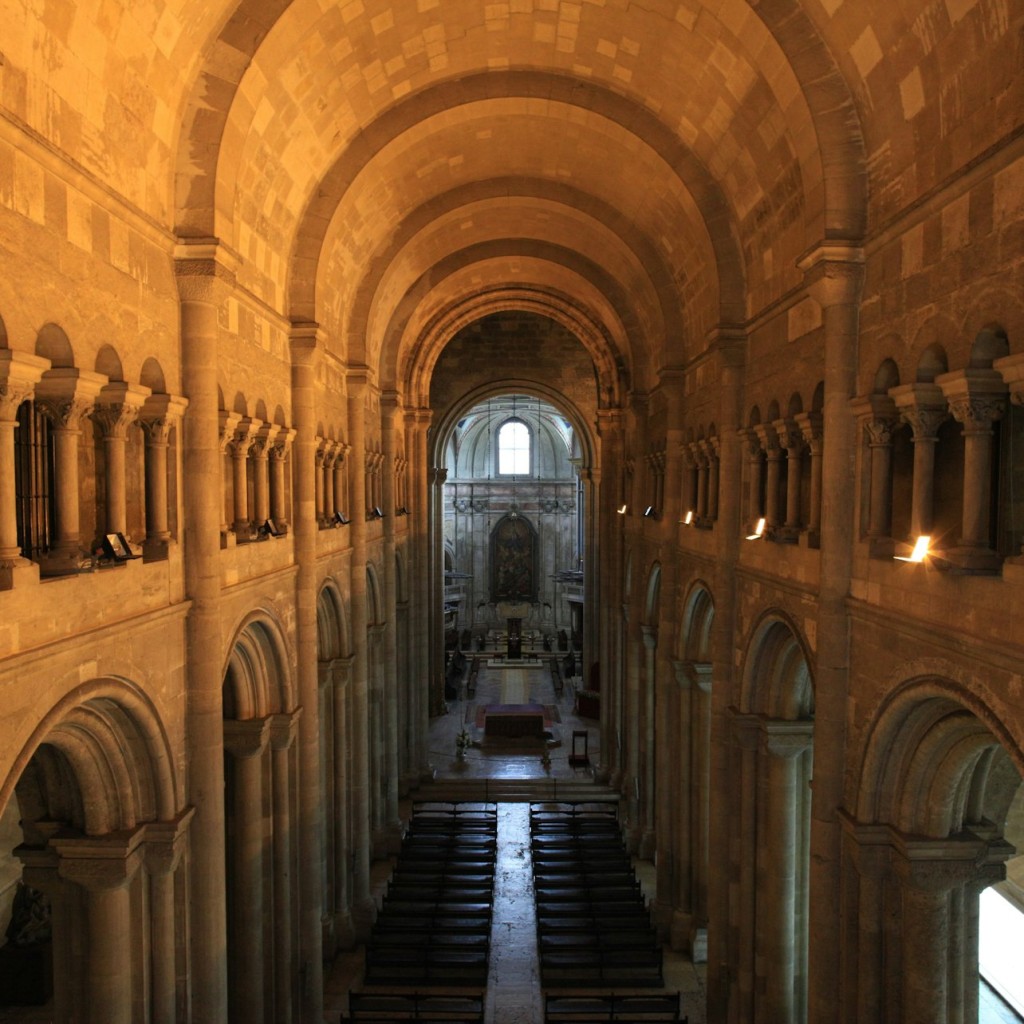
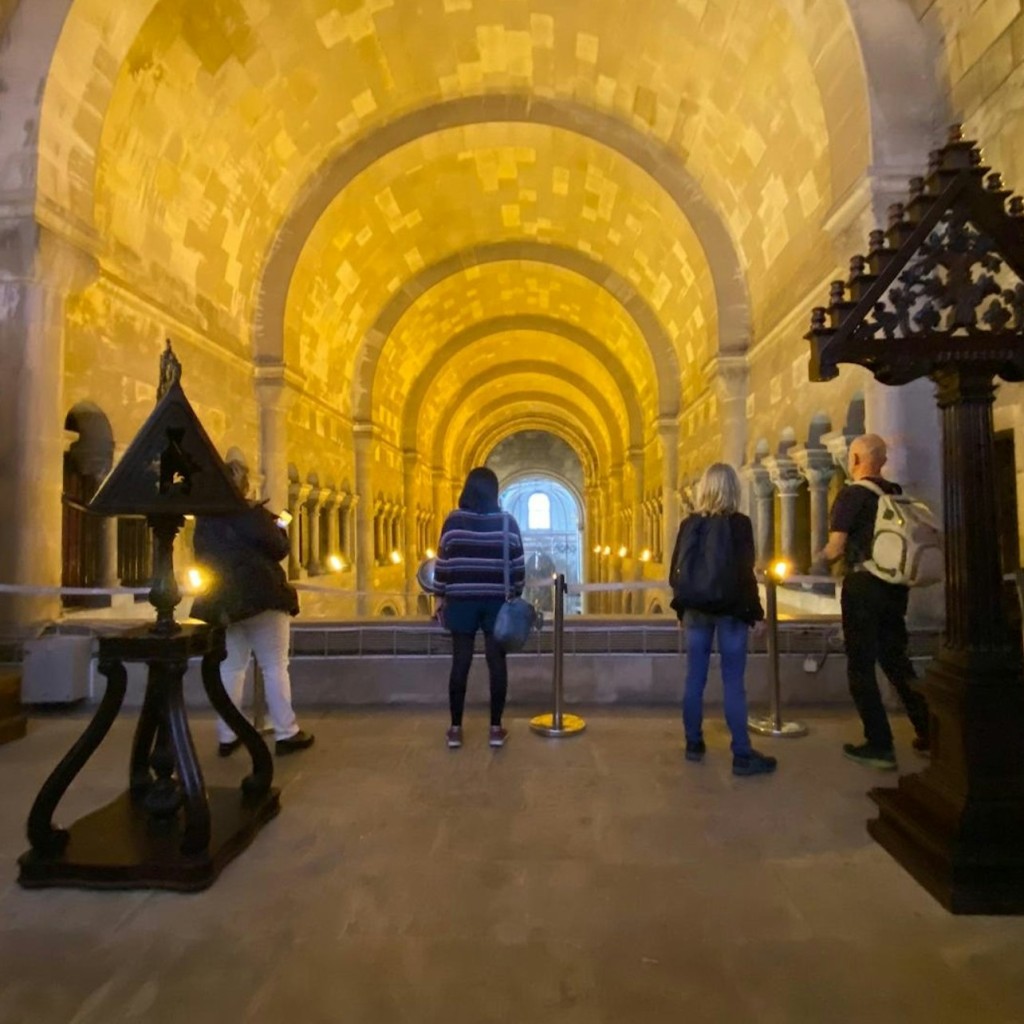
Explore the timeless beauty and architectural grandeur of Lisbon Cathedral through this captivating collection of images, showcasing its historic facade, intricate interiors, and serene cloisters.

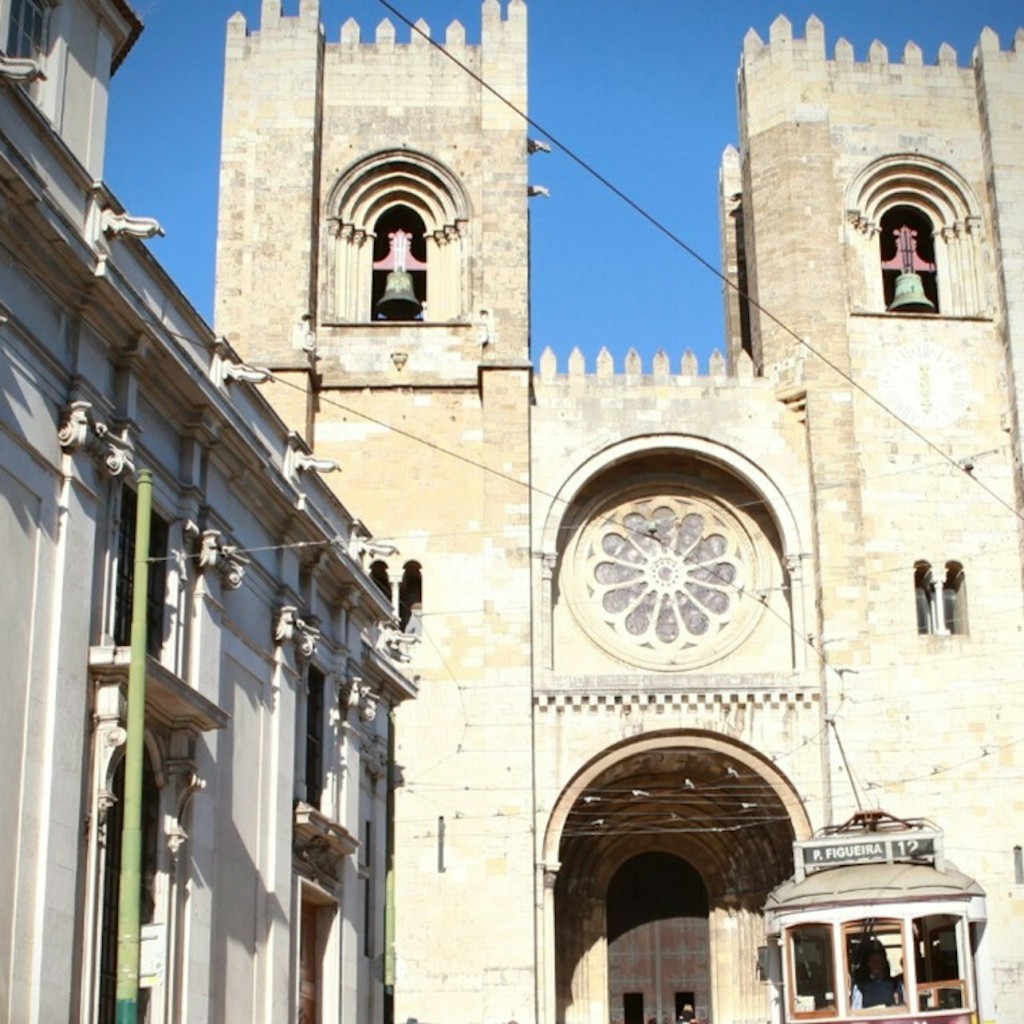
Discover the venerable Lisbon Cathedral, locally known as Sé de Lisboa, a foundational landmark that stands as a testament to the city's enduring history. Located prominently in the ancient Alfama district, this majestic Romanesque structure is one of Lisbon's oldest and most significant religious buildings. Visitors are invited to explore its imposing facade, step inside to marvel at its solemn interior, and wander through its historic cloisters. The cathedral offers a profound journey through centuries of Portuguese heritage, blending architectural styles from its initial Romanesque construction to Gothic additions and Baroque embellishments. It provides a unique window into Lisbon’s past, inviting contemplation and admiration for its resilience through earthquakes and reconstructions.

Від8.00
Child
099 вік
7.00
Infant
099 вік
0.00
Adult
099 вік
8.00
Місце зустрічі
Lisbon
Largo da Sé
Години роботи
Lisbon Cathedral is generally open daily to visitors, though specific hours for the church, cloister, and treasury may vary. It is advisable to check current schedules.
Тривалість візиту
A typical visit to Lisbon Cathedral, including the main church, cloister, and treasury, usually takes between 1 to 2 hours.
Найкращий час для відвідування
The best time to visit Lisbon Cathedral is during the morning or late afternoon to avoid larger crowds and enjoy a more peaceful experience.
Адреса
The Lisbon Cathedral is centrally located in the historic Alfama district, at Largo da Sé, 1100-585 Lisboa, Portugal.
Дрес-код

As a prominent religious site, visitors to Lisbon Cathedral are encouraged to dress respectfully. This typically means covering shoulders and knees. Avoid overly revealing attire such as tank tops, short shorts, or mini-skirts. While there isn't usually a strict enforcement at the entrance, modest clothing is appreciated and demonstrates reverence for the sacred space.

Коротко про досвід

Що включено

  • Tiquet d'entrada
  • Accés al cor superior i balcó
  • Accés al Museu del Tesouro da Sé
  • Accés a les naus i ambulatori
  • Entrada a l'església de la Torre del Castell de Sant Jordi (si se selecciona)
  • Una copa a l'església del castell de la Torre de Sant Jordi (si se selecciona)

Що не включено

  • Visita guiada
  • La Sagristia, un espai no visible
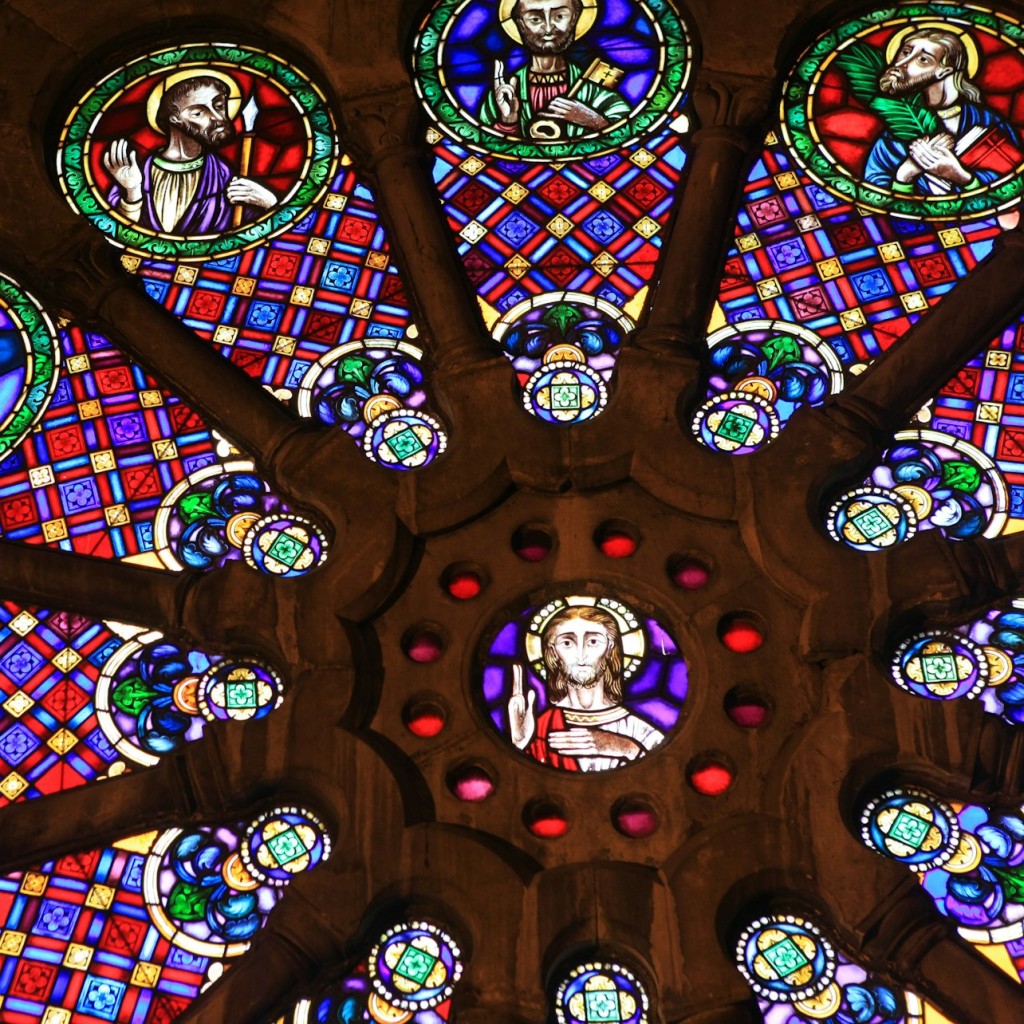
Cada racó de Sé de Lisboa explica una història, i una visita vol dir 800 anys d'història! Entra i explora-ho tot, des del cor alt fins a la capella major, des de la nau central fins al ambulatori amb les seves capelles radiants. Amb aquestes entrades a la catedral de Lisboa, visiteu el baptisteri, on es van batejar nombroses personalitats de la història portuguesa, com el pare António Vieira i Sant Antoni. També pots pujar a l'Alt Cor per veure de prop les vitralls de colors, veure vestidures autèntiques i altres artefactes religiosos, i fer un passeig per les naus de l'església.

Чого очікувати

Upon arrival at Lisbon Cathedral, you can expect to be greeted by its imposing Romanesque facade and twin bell towers, making it instantly recognizable. Inside, the atmosphere shifts to one of solemn grandeur, with high ceilings and ancient stone work. You'll navigate through the main nave, explore side chapels adorned with religious art, and potentially visit the tranquil Gothic cloister where archaeological discoveries reveal layers of Lisbon's past. The Treasury Museum, if included in your visit, will display exquisite vestments and precious artifacts. Expect to spend time soaking in the history, admiring the architecture, and perhaps finding a quiet moment for reflection amidst the centuries of heritage.

Про Lisbon Cathedral (Sé de Lisboa) Tickets & Visitor Information

Lisbon Cathedral, or Sé de Lisboa, is an unmissable historical and architectural marvel in the heart of Portugal's capital. Built upon the ruins of a former mosque after the Christian reconquest in 1147, it has witnessed and survived numerous significant events, including the devastating 1755 earthquake. Its robust Romanesque design, characterized by thick walls, twin bell towers, and a rose window, gives it the appearance of a fortress, reflecting its initial dual role as a place of worship and defense. Over the centuries, elements of Gothic architecture were introduced, notably in its stunning cloister and a grand rose window. The interior houses various chapels, an ancient baptismal font, and a treasury filled with precious religious artifacts. Exploring the Sé de Lisboa offers a comprehensive historical narrative, showcasing the layers of construction and the profound spiritual and cultural significance it holds for the city of Lisbon.
Основні моменти

Admire the imposing Romanesque architecture with its fortified towers
Explore the serene Gothic cloister and its archaeological excavations
Visit the Treasury Museum housing a collection of religious art and artifacts
Discover the ancient baptismal font where Saint Anthony of Lisbon was baptized
Experience centuries of Lisbon's history preserved within its walls

Чому варто бронювати онлайн?

Booking your Lisbon Cathedral entry tickets online offers several advantages, ensuring a smooth and hassle-free visit. Pre-purchasing tickets allows you to bypass potential queues at the entrance, especially during peak tourist seasons, saving valuable time. Online booking also guarantees your entry, providing peace of mind, and often presents options for combined tickets, such as entry to the Treasury or even a Lisbon Hop-on Hop-off Bus tour, offering better value and convenience for exploring other city attractions. Secure your visit effortlessly and focus on enjoying the rich history and beauty of the Sé de Lisboa.

Історія

The history of Lisbon Cathedral is deeply intertwined with the very foundation of Portugal. Its construction began in 1147, immediately following the Christian reconquest of Lisbon from the Moors by King Afonso Henriques, who designated the site of the former mosque for the new cathedral. This act symbolized the triumph of Christianity and the birth of a new nation. Initially built in a robust Romanesque style, intended to serve both as a church and a fortress, it has undergone numerous transformations throughout the centuries. Gothic elements were added in the 13th and 14th centuries, including the impressive cloisters. The devastating 1755 Lisbon earthquake caused significant damage, leading to extensive reconstruction efforts that also introduced Baroque and Neoclassical features. Despite these changes, the cathedral has remarkably retained its foundational Romanesque character, standing as a living monument to Lisbon's resilient spirit and its long, complex history.

Години роботи

The Lisbon Cathedral typically opens its doors to visitors daily. However, operating hours for the main church, the Gothic cloister, and the Treasury Museum may differ and are subject to change, especially on public holidays or during special religious services. While the church itself generally has extended hours, access to the cloister and treasury usually closes earlier. It is recommended to check the specific opening times for each section closer to your visit to ensure full access.

Найкращий час для відвідування

To fully appreciate the serene beauty and historical depth of Lisbon Cathedral, consider visiting either in the early morning shortly after opening or in the late afternoon before closing. These times generally see fewer crowds, allowing for a more reflective experience and better opportunities for photography. Weekdays are usually less busy than weekends. The shoulder seasons (spring and autumn) also offer pleasant weather for exploring Lisbon and the cathedral without the peak summer tourist rush.

Що подивитися всередині

Inside Lisbon Cathedral, visitors can explore a multitude of historically rich areas. The main nave impresses with its robust Romanesque structure, leading to the altar. Along the sides, numerous chapels dedicated to various saints showcase diverse artistic styles and altarpieces. A highlight is the Gothic cloister, accessible for a separate fee, which provides a tranquil space and houses ongoing archaeological excavations revealing Roman, Visigothic, and Moorish foundations beneath the cathedral. The Treasury Museum, also requiring a separate ticket, displays a precious collection of vestments, jewels, and sacred artifacts accumulated over centuries. Don't miss the baptismal font, believed to be where Saint Anthony of Lisbon was baptized, and the intricate details of the sacristy and chapter house.

Що потрібно знати

When planning your visit to Lisbon Cathedral, wear comfortable shoes as you'll be walking on uneven surfaces, especially if exploring the archaeological site in the cloisters. Photography is generally allowed in most areas, but flash photography might be restricted in certain sections, particularly within the Treasury. Consider purchasing a combined ticket if you wish to access both the cloister and the Treasury, as these usually require separate admission. The cathedral is an active place of worship, so visitors are expected to maintain a respectful demeanor. Facilities for restrooms are available. While partially accessible, some older sections, like the upper parts of the cloisters, may present challenges for visitors with mobility impairments.

Правила для відвідувачів

Visitors to Lisbon Cathedral are requested to adhere to a few important rules to ensure a respectful and pleasant experience for everyone. Please maintain silence or speak in low tones, especially within the main church and chapels. Flash photography is generally prohibited in areas containing delicate artworks or during religious services. Large bags or backpacks may need to be stored in lockers or carried at the front to avoid accidental damage to historical artifacts. Respect all signage and do not touch any exhibits or historical structures. Food and drink are not permitted inside the cathedral.

Чи варто відвідувати?

Lisbon Cathedral is absolutely worth visiting for anyone interested in history, architecture, or the cultural fabric of Lisbon. It offers a unique opportunity to step back in time and witness centuries of the city's evolution, from its Romanesque origins to its Gothic and Baroque additions. Its fortified appearance, serene cloisters, and the rich collection within its Treasury Museum tell a compelling story. As one of the oldest buildings in Lisbon, it provides invaluable insight into Portugal's religious heritage and resilience, making it a compelling stop on any itinerary.

Поширені запитання

What is Lisbon Cathedral also known as?

Lisbon Cathedral is also widely known as Sé de Lisboa.

Do I need a ticket to enter the Lisbon Cathedral?

Entry to the main church of Lisbon Cathedral is generally free, but access to the Gothic cloister and the Treasury Museum usually requires a separate paid ticket.

What are the main architectural styles of Lisbon Cathedral?

The main architectural style is Romanesque, with significant Gothic additions, especially in the cloister and rose window, and some Baroque elements from later reconstructions.

Is the Lisbon Cathedral accessible for visitors with mobility issues?

While the main floor of the cathedral is generally accessible, some older sections, particularly within the cloisters and Treasury, may have stairs and uneven surfaces that could pose challenges for visitors with mobility impairments.

Can I take photos inside Lisbon Cathedral?

Photography is generally permitted in most areas, but flash photography is typically prohibited, especially in the Treasury Museum or during services. Always look for signage regarding photography restrictions.

Where is Saint Anthony of Lisbon said to have been baptized?

Saint Anthony of Lisbon (Fernando de Bulhões) is traditionally believed to have been baptized in the ancient baptismal font located within Lisbon Cathedral.

What can be found in the Treasury Museum?

The Treasury Museum houses a rich collection of religious artifacts, including precious vestments, silver and gold liturgical objects, jewelry, and relics accumulated over the centuries.

What public transport options lead to Lisbon Cathedral?

You can reach Lisbon Cathedral by taking Tram 28 (Sé stop), or by walking from the Terreiro do Paço metro station. Several bus lines also stop nearby.

Як дістатися

Lisbon Cathedral is easily accessible by public transport. You can take Tram 28, which stops directly in front of the cathedral (Sé stop). Alternatively, the nearest metro station is Terreiro do Paço (Blue Line), about a 10-15 minute walk uphill to the cathedral. Numerous bus routes also have stops nearby. Its central location in Alfama makes it a convenient stop when exploring the historic district on foot.

Від
8.00
з особи
Child
099 вік
7.00
Infant
099 вік
0.00
Adult
099 вік
8.00
Перевірити наявність
Умови скасуванняБезкоштовне скасування не входить до цієї опції.
Місце зустрічі
Lisbon
Largo da Sé
Години роботи
Lisbon Cathedral is generally open daily to visitors, though specific hours for the church, cloister, and treasury may vary. It is advisable to check current schedules.
Тривалість візиту
A typical visit to Lisbon Cathedral, including the main church, cloister, and treasury, usually takes between 1 to 2 hours.
Найкращий час для відвідування
The best time to visit Lisbon Cathedral is during the morning or late afternoon to avoid larger crowds and enjoy a more peaceful experience.
Адреса
The Lisbon Cathedral is centrally located in the historic Alfama district, at Largo da Sé, 1100-585 Lisboa, Portugal.
Дрес-код

As a prominent religious site, visitors to Lisbon Cathedral are encouraged to dress respectfully. This typically means covering shoulders and knees. Avoid overly revealing attire such as tank tops, short shorts, or mini-skirts. While there isn't usually a strict enforcement at the entrance, modest clothing is appreciated and demonstrates reverence for the sacred space.