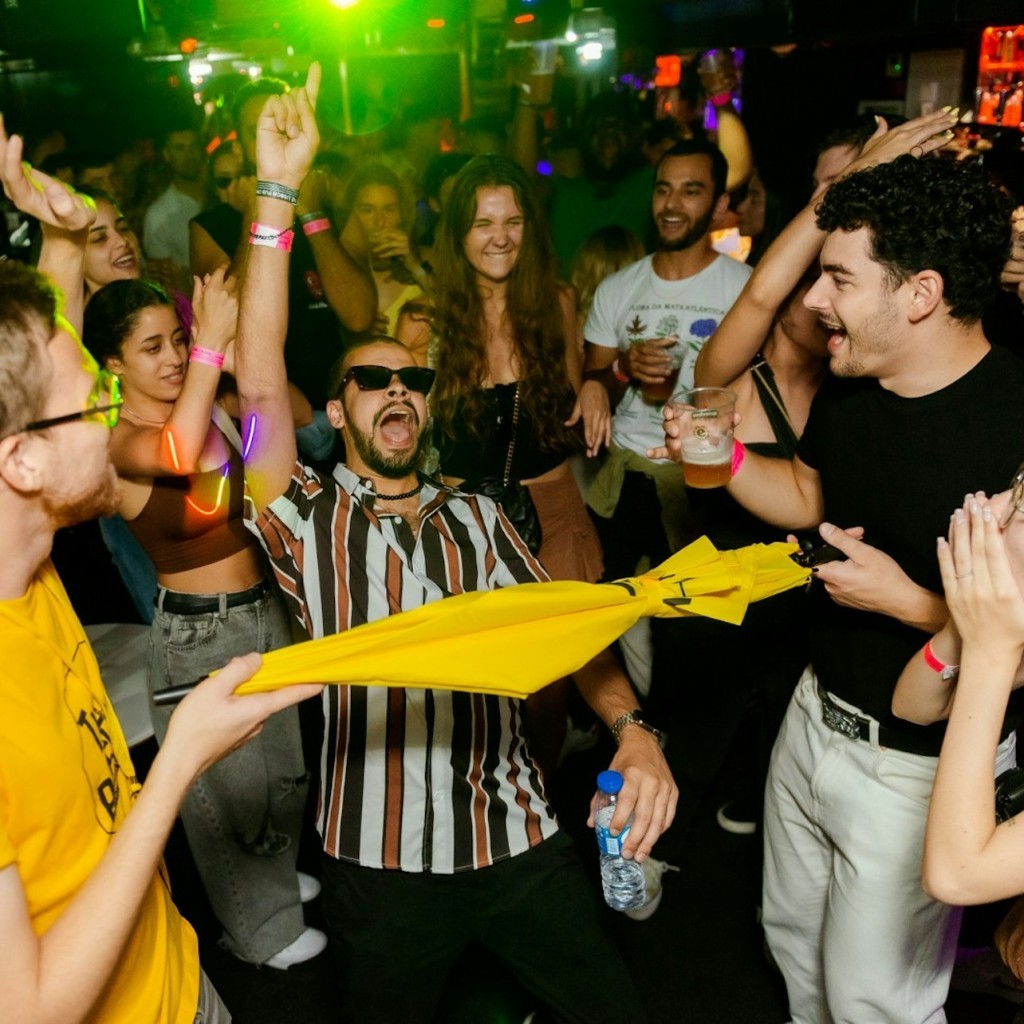
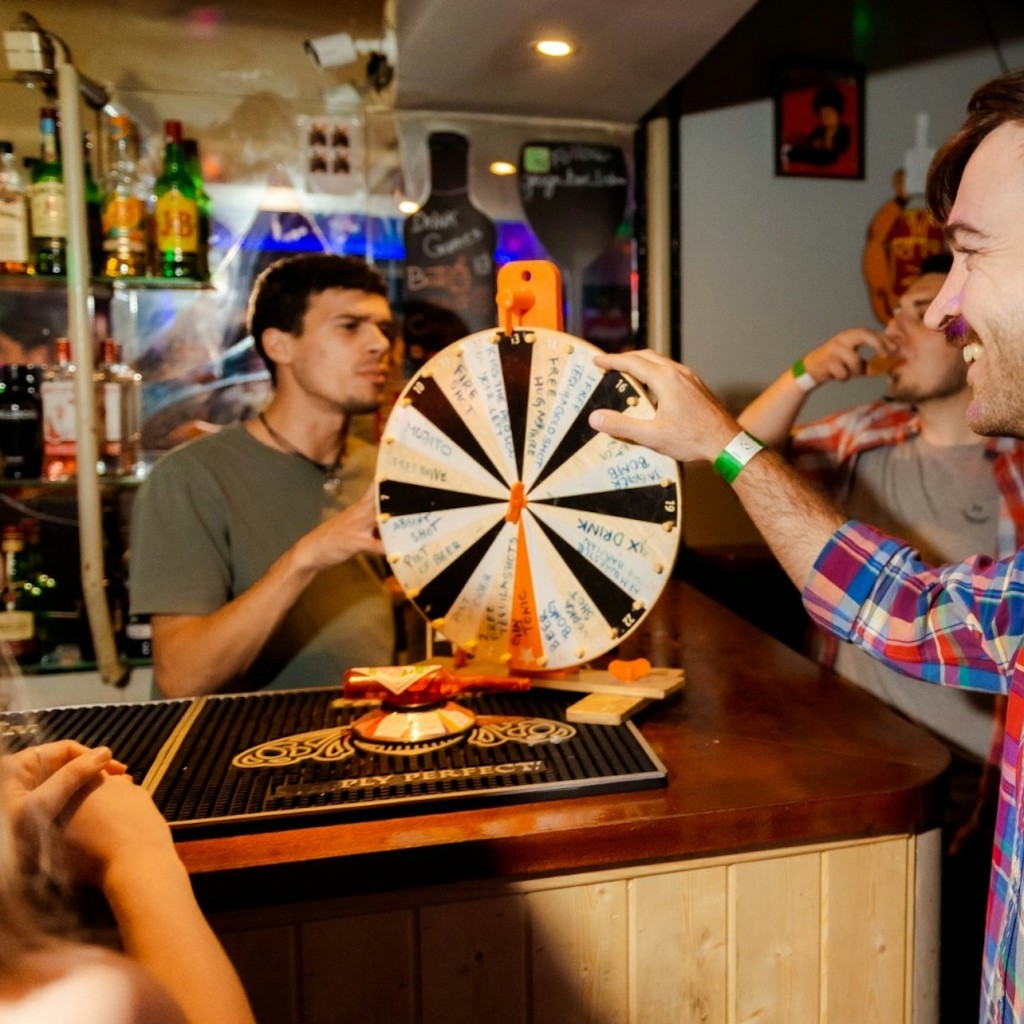
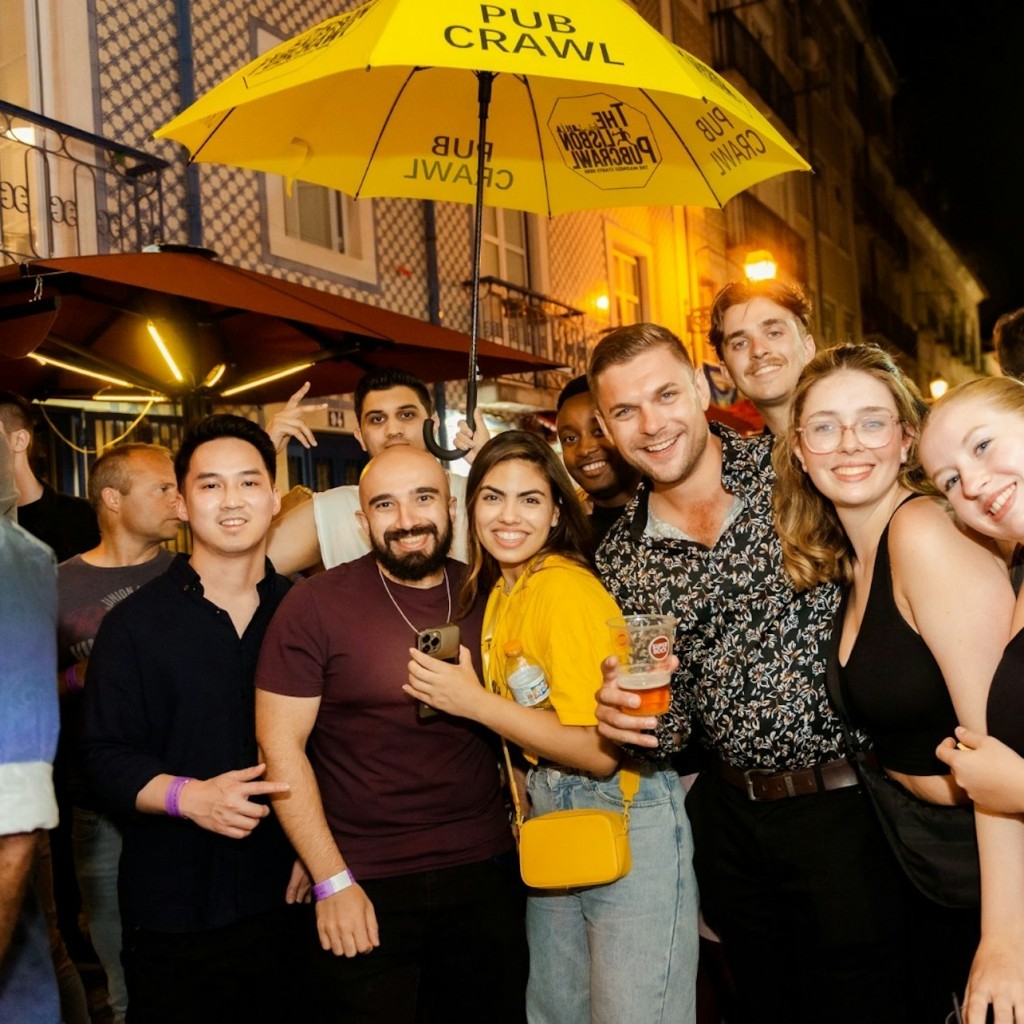
Lisbon's reputation as a city of vibrant social life and entertainment dates back centuries. Historically, the city's taverns and Fado houses served as hubs for community gatherings, music, and socializing long before the concept of a 'pub crawl' emerged. Fado, Portugal's soulful music genre, was born in Lisbon's working-class neighborhoods and was traditionally performed in small taverns and cafes, forming an integral part of the city's nocturnal culture. As Lisbon modernized, its nightlife evolved. The Bairro Alto district, once a quiet residential area, transformed into a maze of bars and eateries in the late 20th century, becoming synonymous with late-night revelry. Cais do Sodré, historically a red-light district, has undergone significant urban renewal, transforming into a trendy area with a diverse mix of bars, clubs, and restaurants. The 'pub crawl' as an organized tourist activity is a more recent phenomenon, emerging with the rise of backpacking and international tourism. It capitalized on Lisbon's existing, rich bar culture, offering visitors a structured, social, and safe way to navigate the city's expansive and sometimes overwhelming nightlife. It combines the historical essence of Lisbon's social venues with a modern, guided, and celebratory approach.