


Що включено
- Admission
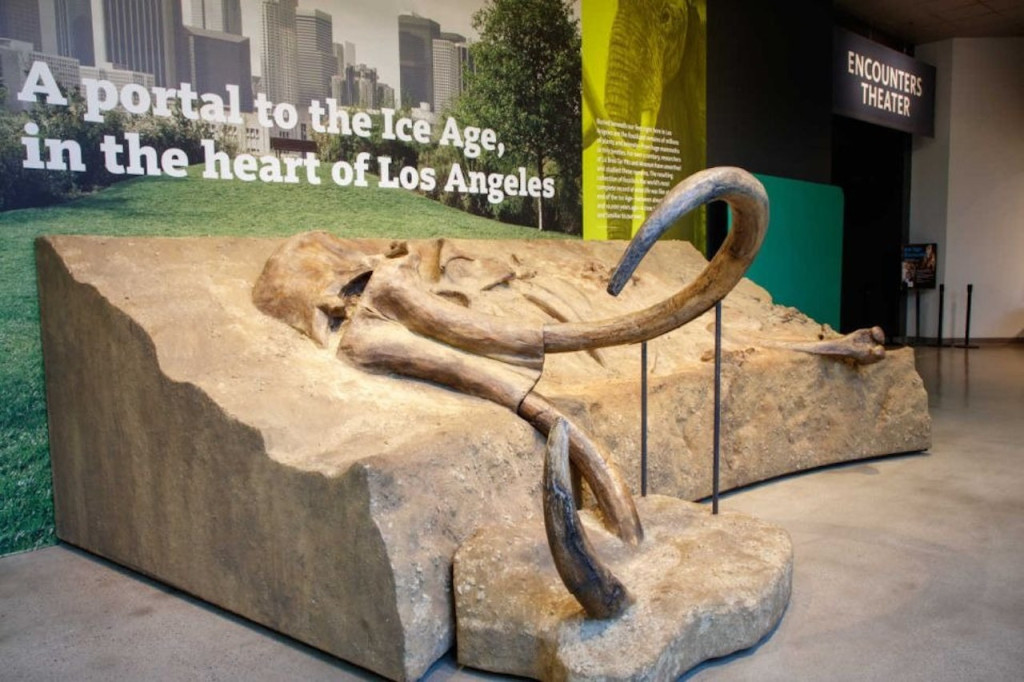
Explore a visual journey through the La Brea Tar Pits Museum, showcasing impressive Ice Age fossils, active excavation sites, and the unique natural landscape of Hancock Park.
Step back into prehistoric Los Angeles at the La Brea Tar Pits Museum, a truly unique destination featuring fascinating fossils, Ice Age discoveries, and engaging exhibits exploring the region's ancient wildlife. Located in Hancock Park, this site offers a rare glimpse into a time when mammoths, saber-toothed cats, and giant sloths roamed Southern California. Visitors can explore active paleontological excavations, observe scientists at work in the Fossil Lab, and marvel at the remarkably preserved remains of creatures trapped in the sticky asphalt over tens of thousands of years. It's an essential visit for anyone interested in paleontology, natural history, and the incredible past of our planet.
There is no formal dress code for visiting the La Brea Tar Pits Museum. Casual and comfortable attire is recommended, as you will be walking both indoors and outdoors in Hancock Park. Consider the weather, especially if you plan to spend time at the outdoor excavation sites.
The La Brea Tar Pits Museum is an active paleontological research site and museum situated in the heart of Los Angeles. It stands as the world's only continuously active urban Ice Age excavation site, offering an unparalleled opportunity to connect with prehistoric life. For over a century, scientists have been unearthing millions of fossils from the tar pits, revealing a detailed picture of the flora and fauna that existed here between 11,000 and 50,000 years ago. The museum showcases an impressive collection of these fossils, including complete skeletons of iconic Ice Age animals like Columbian mammoths, dire wolves, and saber-toothed cats, all recovered directly from the surrounding asphalt seeps. Beyond the exhibits, the outdoor park features several active excavation sites, most notably Project 23, where visitors can watch paleontologists uncover new discoveries in real-time. The unique setting provides a tangible link to Earth's ancient past, making it a compelling educational and engaging experience for all ages.
Booking your tickets for the La Brea Tar Pits Museum online offers several advantages, ensuring a smoother and more convenient visit. Purchasing in advance allows you to secure your preferred entry time, which can be particularly beneficial during peak seasons or busy holidays. Online tickets often mean you can bypass queues at the entrance, giving you more time to explore the fascinating exhibits and active excavation sites. It also provides peace of mind knowing your admission is confirmed, letting you focus entirely on stepping back into prehistoric Los Angeles.
The history of the La Brea Tar Pits is a tale spanning tens of thousands of years. The 'tar' pits are actually natural asphalt seeps that have been bubbling up from the ground for millennia, created by crude oil seeping to the surface and forming sticky pools. Early native inhabitants were aware of the asphalt, using it for various purposes. However, its paleontological significance began to emerge in the late 18th century when Spanish explorers noted large bones. Serious scientific excavation began in the early 20th century, revealing an astonishing treasure trove of Ice Age fossils. Millions of specimens have been unearthed, including countless dire wolves, saber-toothed cats, mammoths, and birds, trapped in the asphalt over a period of 50,000 to 11,000 years ago. This continuous discovery has established the La Brea Tar Pits as one of the richest and most important fossil sites in the world, providing invaluable insights into the Pleistocene Epoch in North America.
The La Brea Tar Pits Museum generally welcomes visitors daily, though specific operating hours can vary throughout the year. It typically opens in the morning and closes in the late afternoon. It is advisable to allow plenty of time for your visit to fully explore both the indoor exhibits and the outdoor active excavation sites in Hancock Park. Please note that hours may be subject to change due to holidays or special events.
To make the most of your visit to the La Brea Tar Pits Museum, consider arriving shortly after opening, especially on a weekday morning. This timing typically allows for fewer crowds, providing a more intimate viewing experience of the exhibits and a clearer view of the active fossil excavations in the park. Weekends and school holidays can attract more visitors, so if your schedule only allows for these times, aim for earlier in the day. The outdoor pits are accessible during park hours, so a pleasant day weather-wise also enhances the experience.
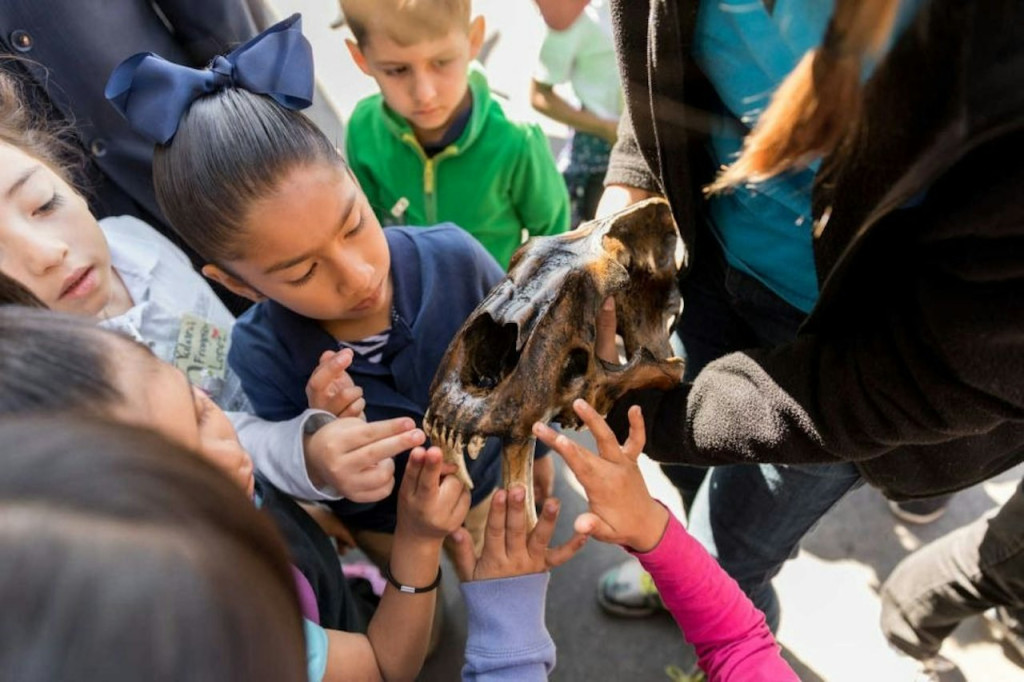
Inside the La Brea Tar Pits Museum, visitors are greeted by an extraordinary array of Ice Age fossils and interpretive displays. The main exhibition hall houses impressive complete skeletons of mammoths, saber-toothed cats, dire wolves, and giant ground sloths, providing a dramatic representation of the creatures that once roamed the area. You can observe scientists and volunteers meticulously cleaning and cataloging new finds in the live Fossil Lab, a fascinating behind-the-scenes look at the paleontological process. Don't miss the 'Titans of the Ice Age' film in 3D, which brings these ancient creatures to life. The museum also features exhibits explaining the geological formation of the tar pits and how they preserved such a diverse collection of specimens, alongside smaller fossils of insects, plants, and microfauna.
When planning your visit, allocate enough time to explore both the indoor museum and the outdoor park, including the active excavation sites. Wear comfortable shoes as you will be doing a fair amount of walking, especially if you wish to see all the outdoor features. Photography without flash is generally permitted for personal use inside the museum. There is a gift shop offering a range of souvenirs and educational items. Food and drinks are usually not allowed inside the exhibit halls, but dining options are available nearby. Consider visiting the adjacent Los Angeles County Museum of Art (LACMA) to make a full day of cultural exploration in Hancock Park.
To ensure an enjoyable and safe experience for all, visitors are asked to respect the exhibits and follow general museum etiquette. Please refrain from touching artifacts and displays unless otherwise indicated. Running and disruptive behavior are discouraged. Food and beverages are typically not permitted inside the galleries. Keep personal belongings with you at all times. Photography for personal use is generally allowed, but flash photography may be restricted. Always follow the instructions of museum staff.
The La Brea Tar Pits Museum is undeniably worth visiting for anyone with an interest in natural history, paleontology, or unique scientific phenomena. Its status as the world's only active urban Ice Age excavation site makes it a one-of-a-kind attraction. Seeing the meticulously preserved fossils of iconic Ice Age animals up close, observing scientists at work, and understanding the geological processes that created these natural traps offers a truly enriching and educational experience. It provides a tangible connection to prehistoric times right in the middle of a modern city, making it a compelling destination for all ages.
The La Brea Tar Pits are natural asphalt seeps where crude oil has been oozing up from the ground for tens of thousands of years. These sticky pools have trapped and preserved millions of prehistoric plants and animals, creating an unparalleled fossil record of the Ice Age.
Yes, the La Brea Tar Pits Museum is highly suitable for children of all ages. It offers engaging, hands-on exhibits, fascinating fossil displays, and the excitement of seeing active excavation sites, which captivate young visitors and foster an interest in science and history.
Yes, the museum is located within Hancock Park, where several active excavation sites are ongoing. Visitors can often view paleontologists and volunteers working at sites like Project 23, especially during regular operating hours.
Yes, paid parking is available in the museum's underground parking garage, which can be accessed from Curson Avenue. Limited street parking may also be available in the surrounding area, but it is often metered.
Most visitors spend approximately 2 to 3 hours exploring the La Brea Tar Pits Museum, which includes time for both the indoor exhibits and a stroll through the outdoor park to see the excavation sites and natural tar seeps.
While the museum itself does not typically have extensive dining facilities, there are various cafes and restaurants located within walking distance in the Miracle Mile district of Los Angeles.
Photography for personal, non-commercial use is generally permitted inside the museum. However, flash photography may be restricted in certain areas or for specific exhibits to protect sensitive artifacts.
The La Brea Tar Pits Museum is conveniently located in the Miracle Mile district of Los Angeles. If traveling by public transport, several Metro bus lines serve the area, with stops along Wilshire Boulevard, directly adjacent to Hancock Park. These include lines 20, 720, and 217. From the bus stops, the museum entrance is a short walk through Hancock Park. For those driving, paid parking is available in the museum's underground parking garage, accessible via the Curson Avenue entrance.
There is no formal dress code for visiting the La Brea Tar Pits Museum. Casual and comfortable attire is recommended, as you will be walking both indoors and outdoors in Hancock Park. Consider the weather, especially if you plan to spend time at the outdoor excavation sites.