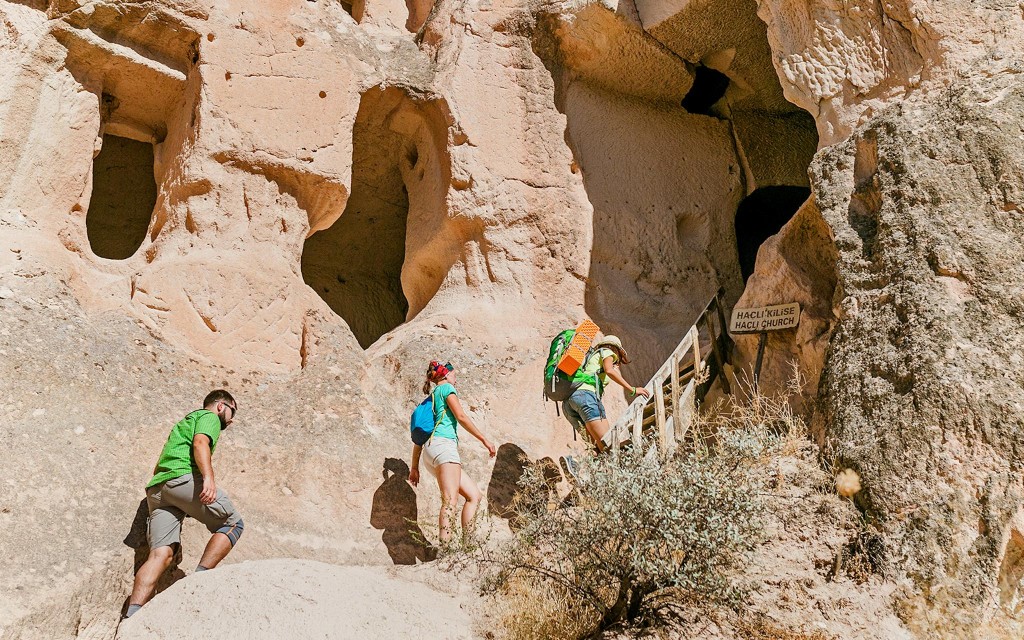
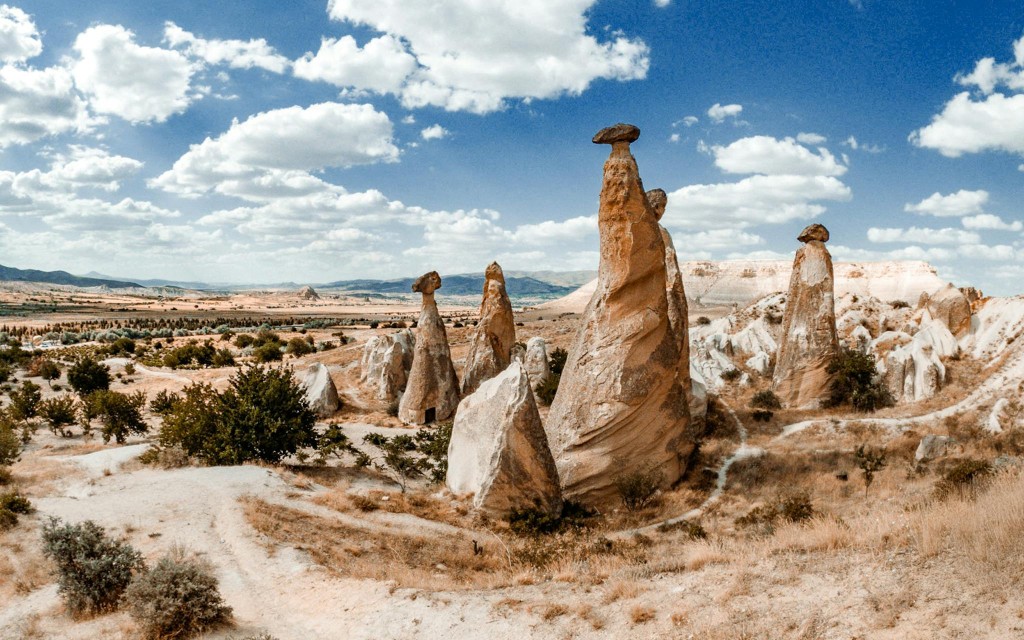
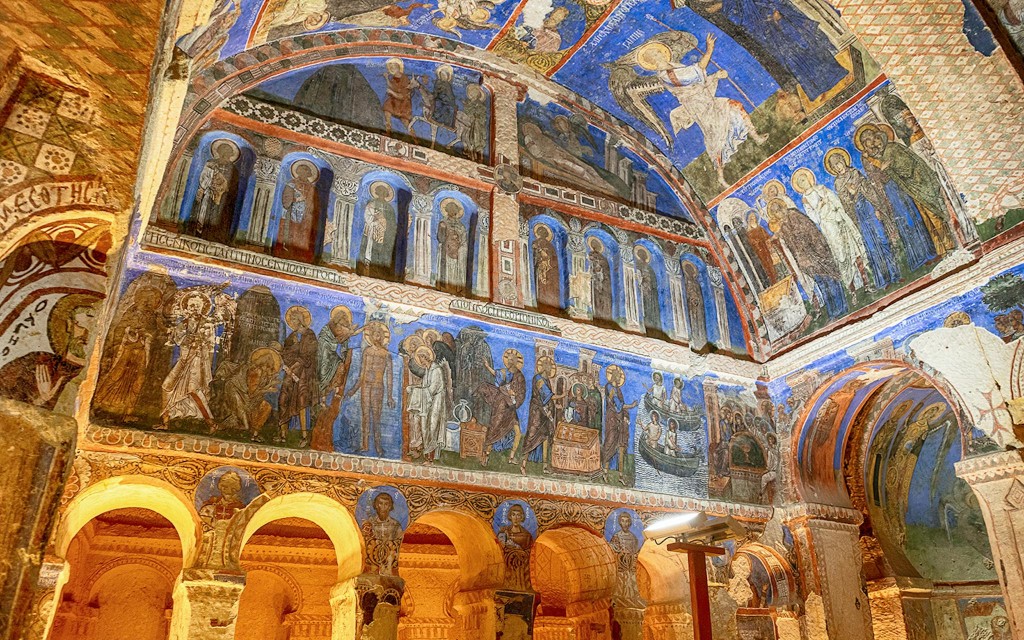
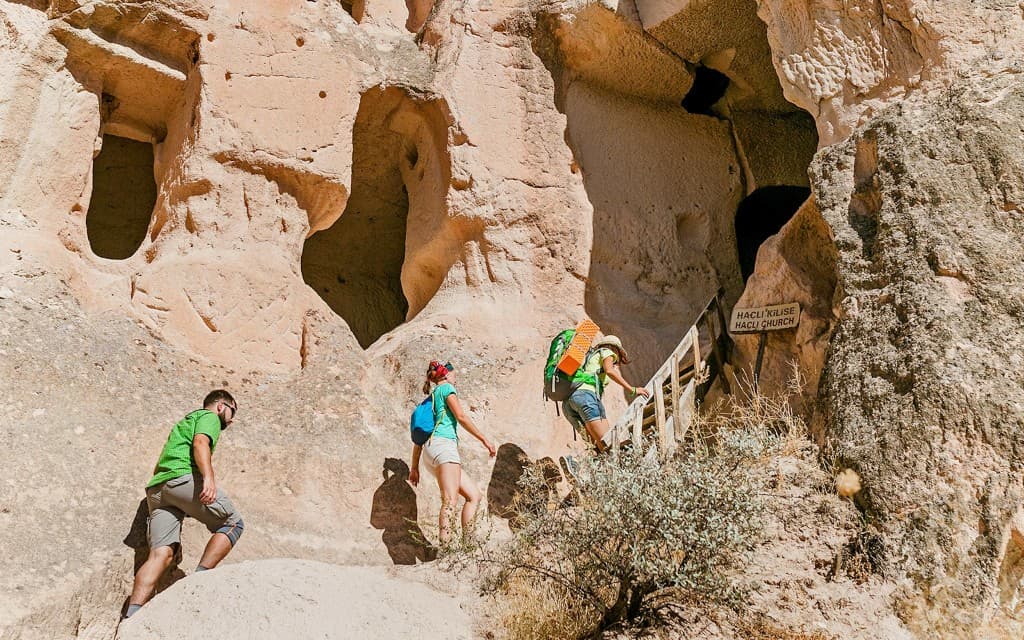
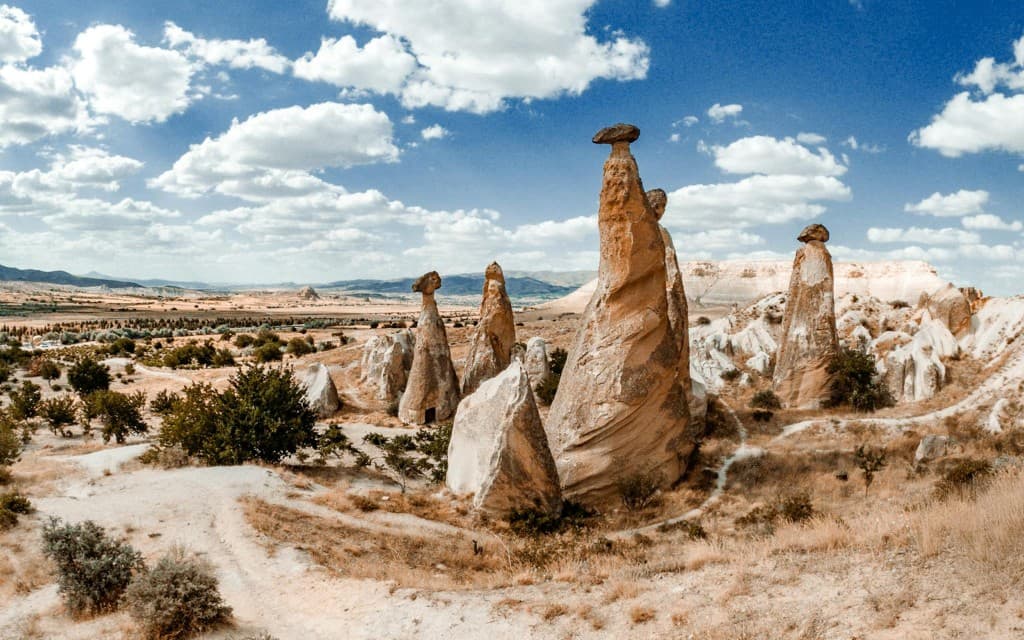
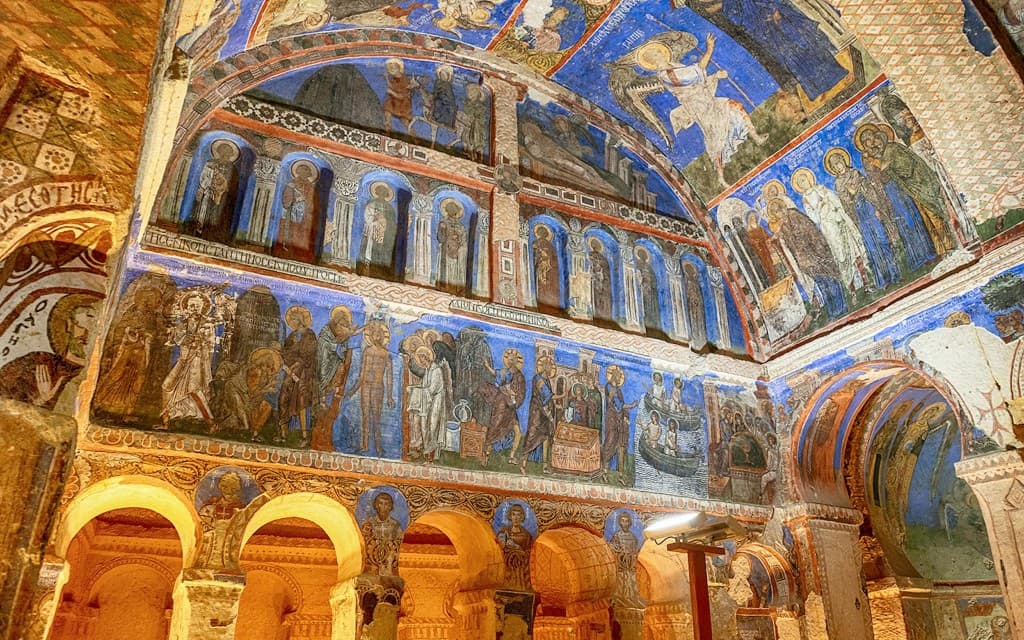
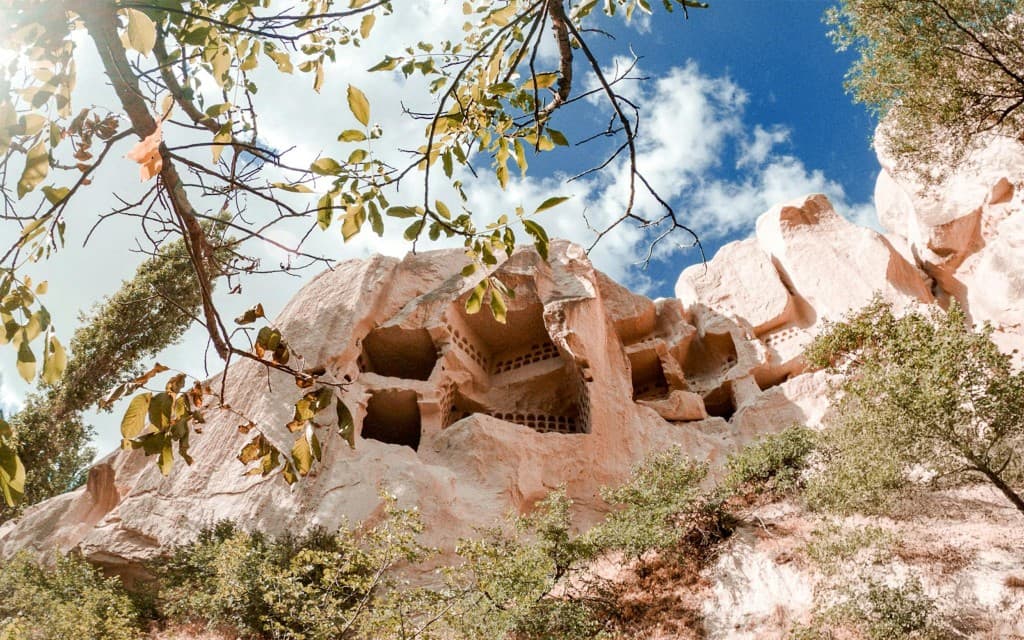
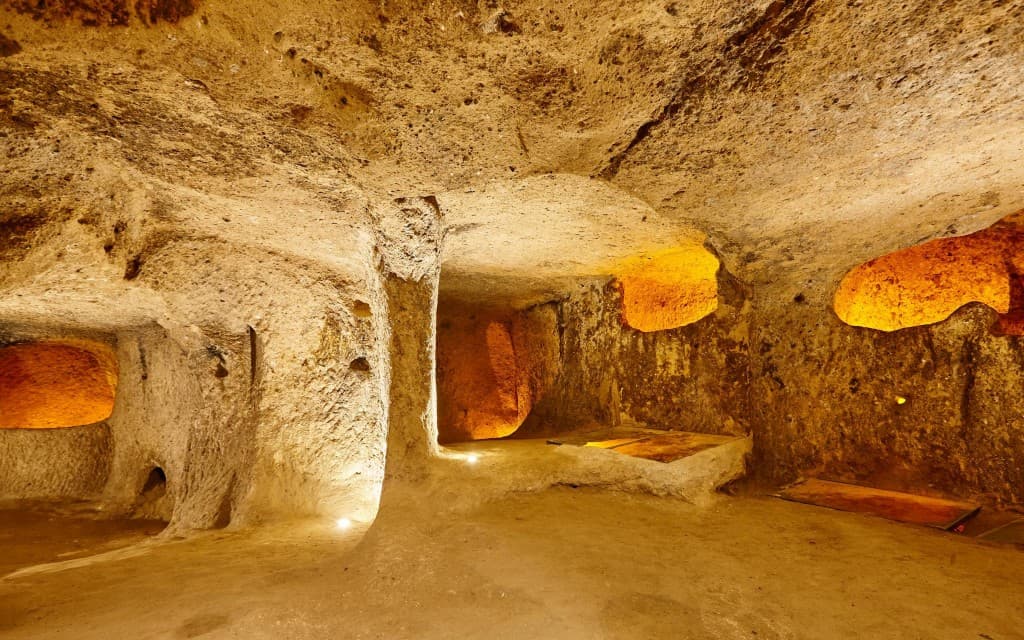
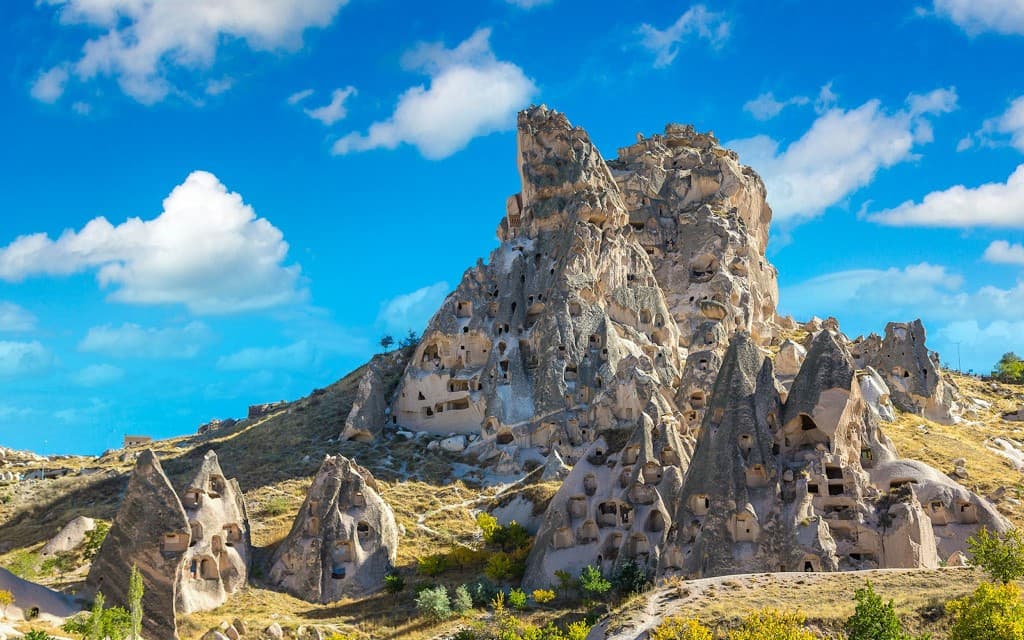
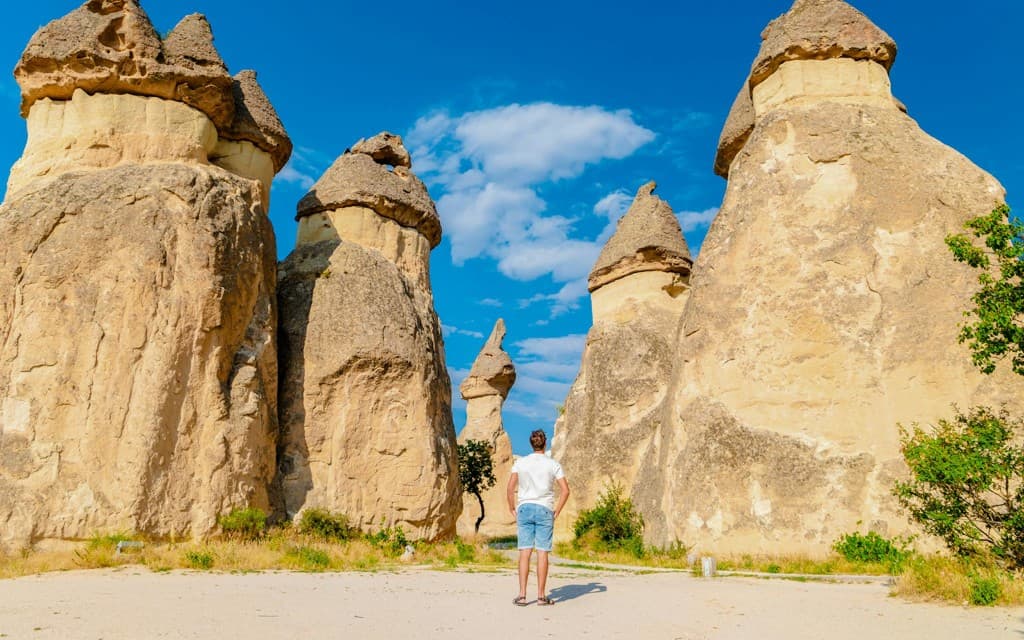
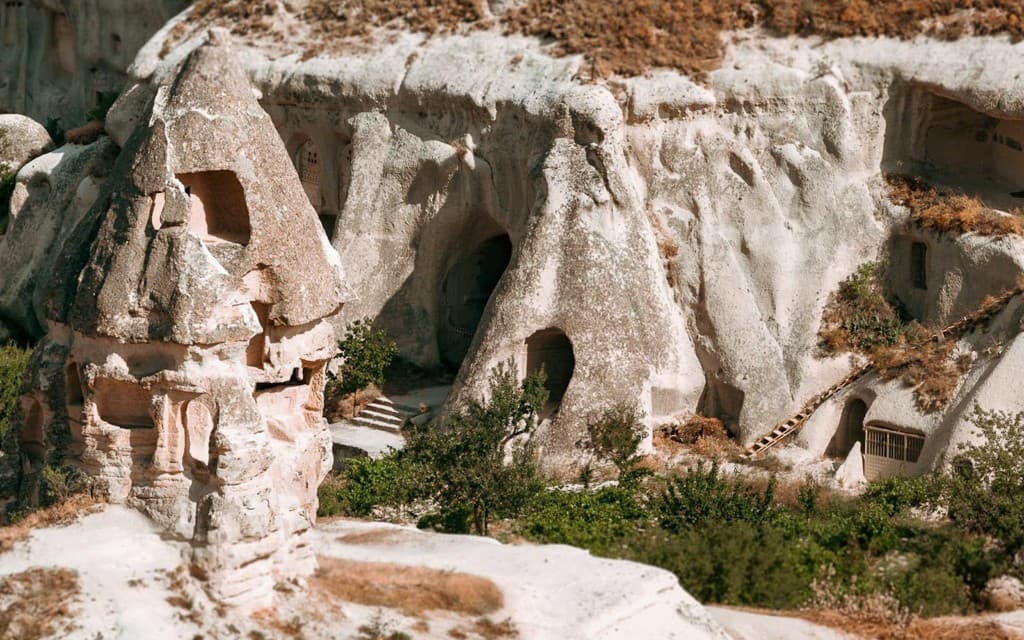
The history of Zelve spans centuries, beginning as a significant monastic settlement during the Byzantine era. Carved into the soft tufa rock, it became one of the earliest and longest-inhabited monastic retreats in Cappadocia, with evidence of rock-cut churches and cells dating back to the 9th century. Following the Byzantine period, Zelve transitioned from a purely monastic complex into a thriving village, adapting its rock-cut structures for residential use. Both Christian and Muslim communities coexisted here for centuries, as evidenced by the presence of both churches and a unique rock-cut mosque within the same area. This intermingling of cultures is a distinctive feature of Zelve. By the early 20th century, Zelve was still an active village, but relentless erosion of the fragile rock formations began to pose serious safety risks. Tunnels collapsed, and dwellings became unstable. Consequently, in 1952, the entire population was relocated to a new, purpose-built village nearby, Yeni Zelve (New Zelve). The original site was then designated as an open-air museum, preserving its unique architectural and historical legacy for future generations to explore and understand the unique way of life that once flourished within its rock-cut confines.