Що включено
- Eintrittsticket für das Freiluftmuseum Zelve
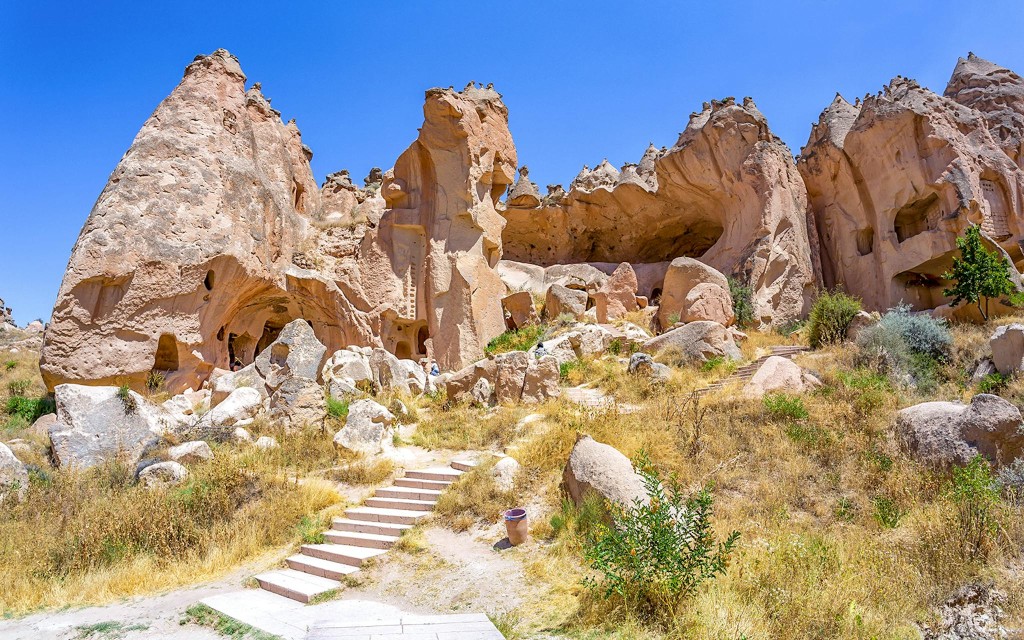
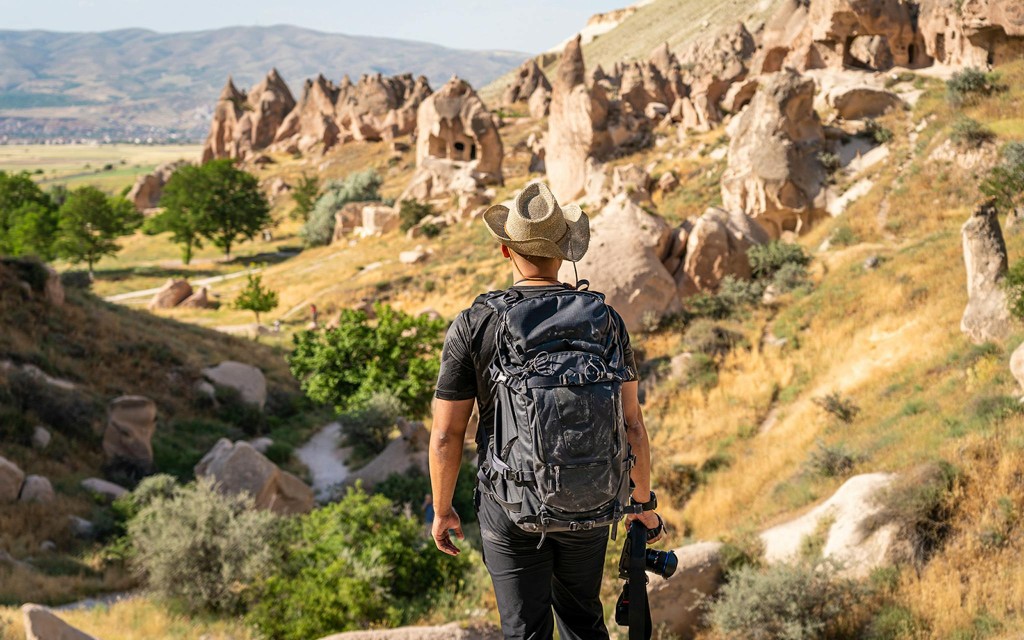
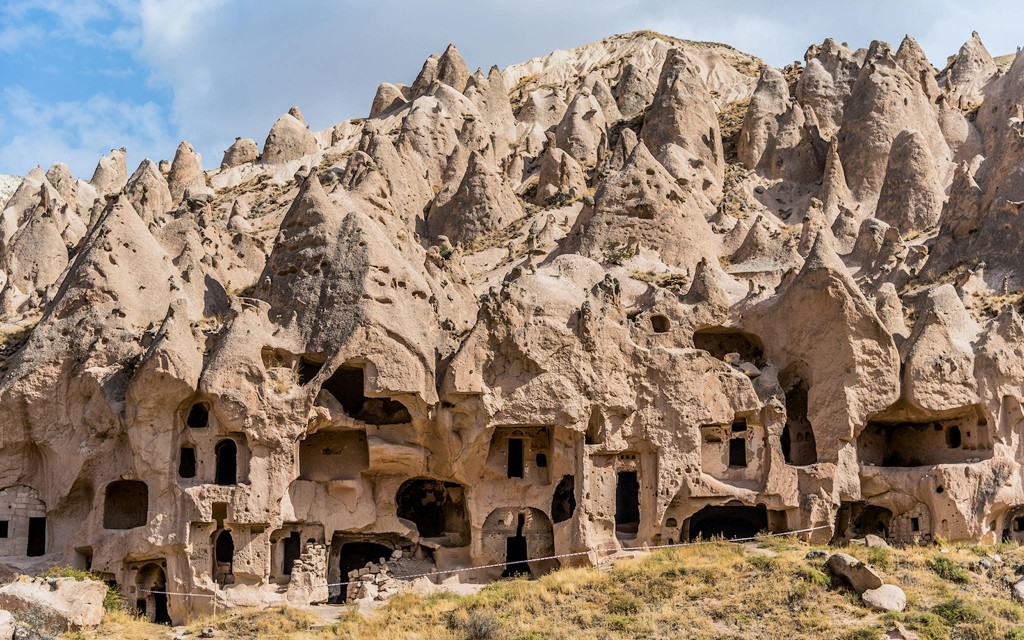
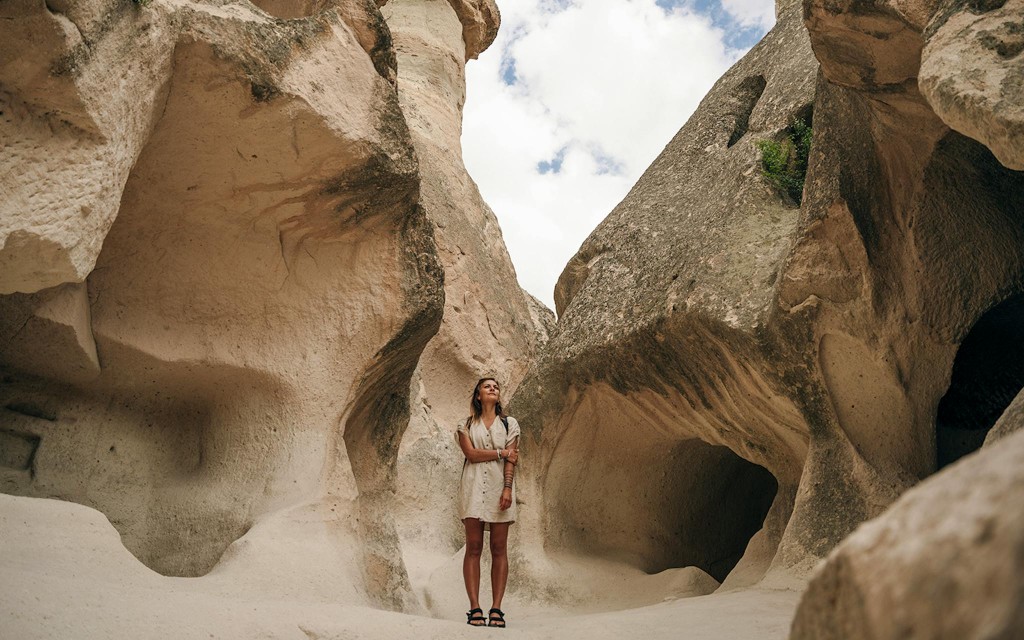
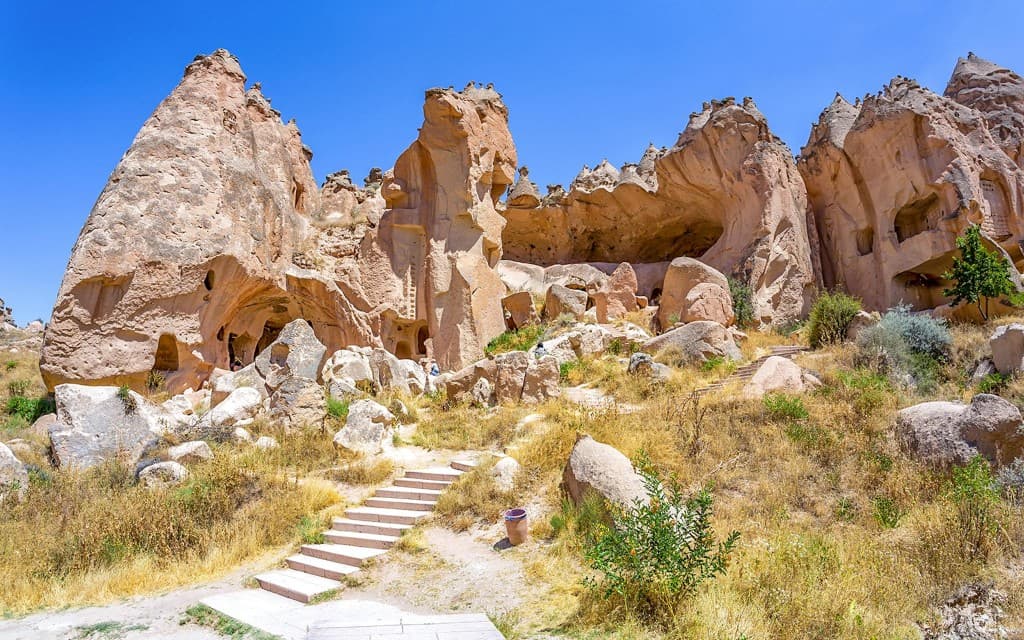
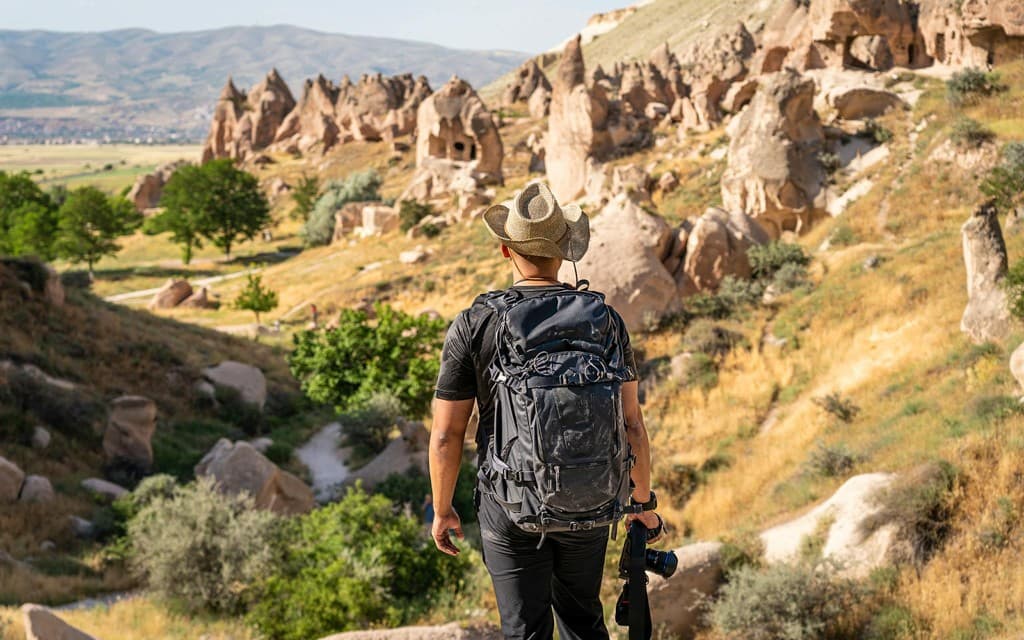
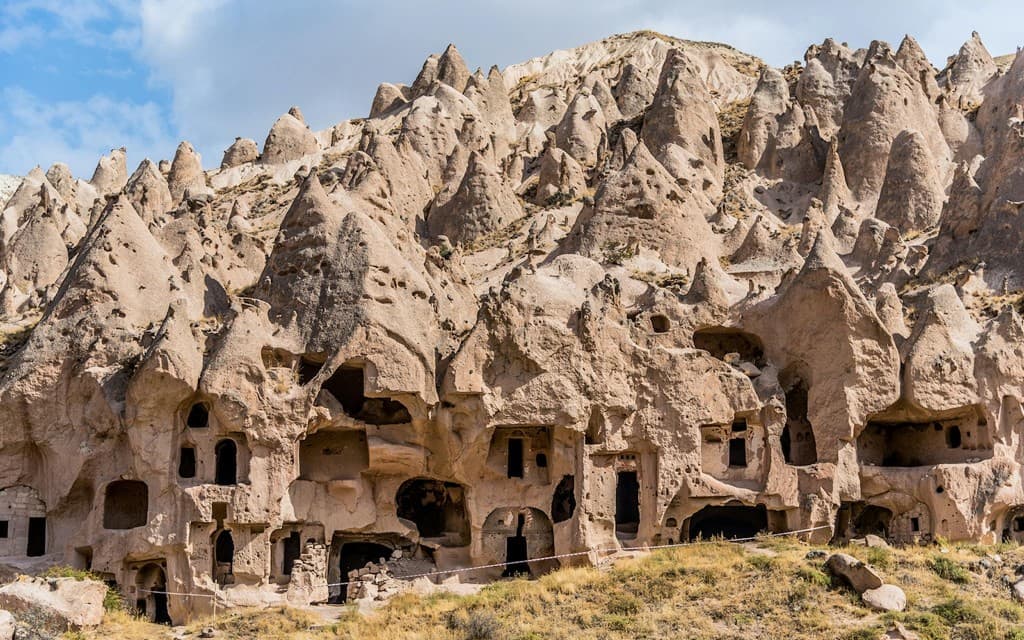
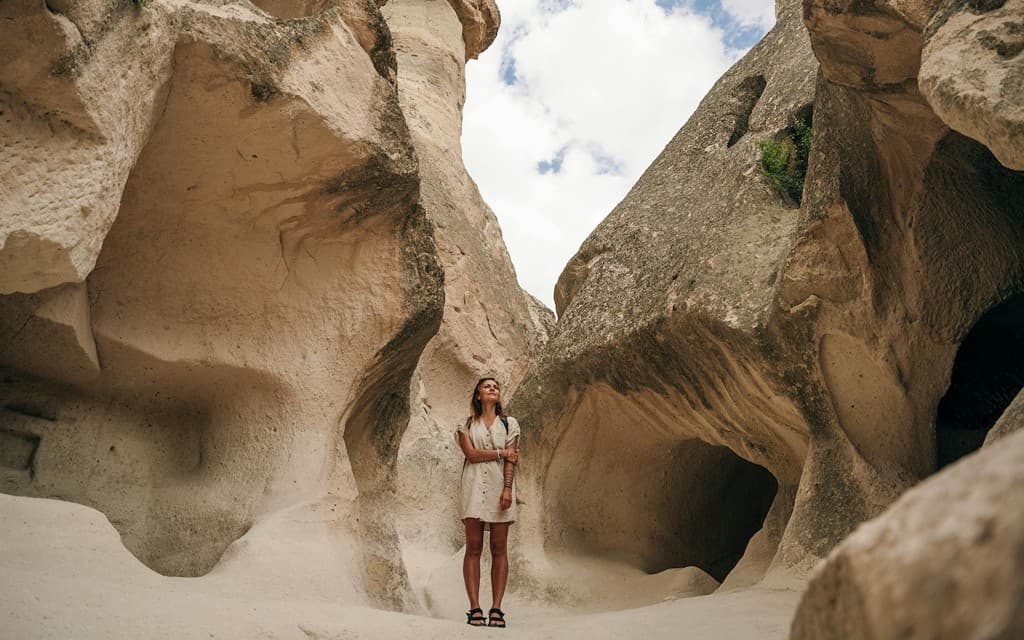
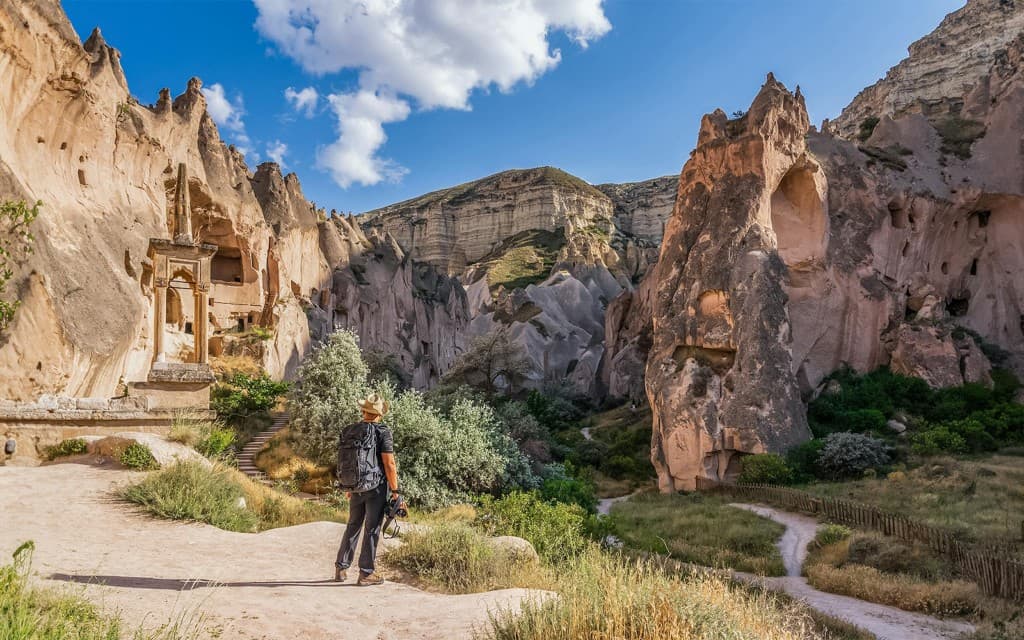
Discover the stunning rock-cut architecture and unique landscapes of the Zelve Open Air Museum through these captivating images.
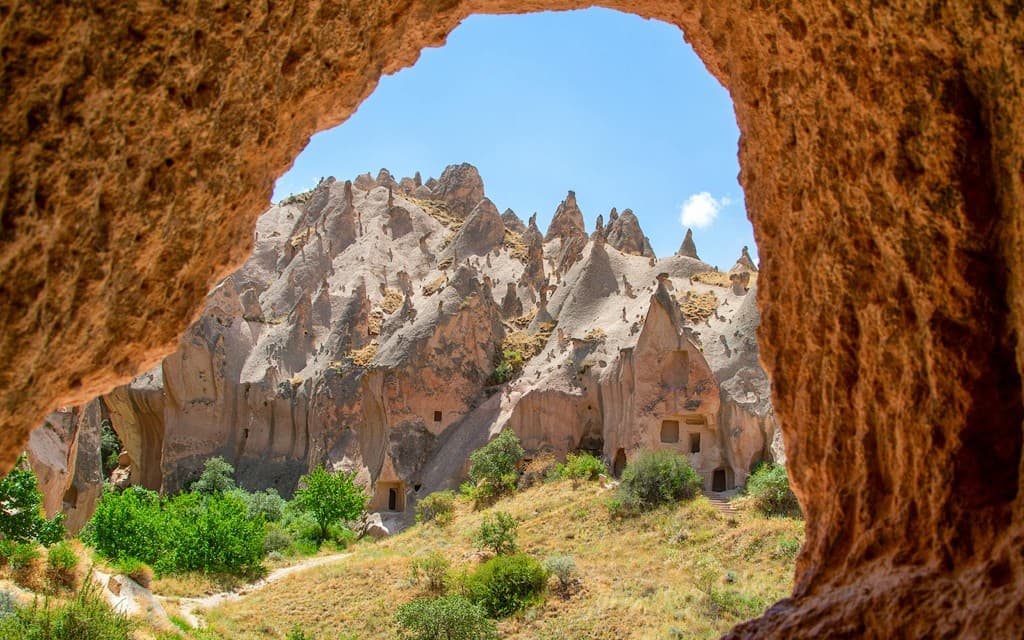
Step back in time at the Zelve Open Air Museum, one of Cappadocia's most unique and historically significant sites. This sprawling complex offers a captivating journey through ancient cave dwellings, rock-cut churches, and former monastic settlements that once housed a thriving community. Unlike other open-air museums in the region, Zelve provides a glimpse into the daily life of a village carved directly into the soft volcanic rock. Wander through its three valleys, explore intricate tunnels and chambers, and discover the enduring legacy of a civilization that adapted remarkably to its distinctive environment. It's an essential visit for anyone eager to delve deep into Cappadocia's rich cultural and geological tapestry.
There is no strict dress code for visiting the Zelve Open Air Museum, but practical attire is highly recommended. Given the uneven terrain, numerous steps, and potential for dust, comfortable walking shoes or hiking boots are essential. Dress in layers, as temperatures can vary throughout the day, especially during spring and autumn. During warmer months, light, breathable clothing is advisable, along with a hat and sunglasses for sun protection. In cooler seasons, a jacket or coat will be necessary.
Erkunden Sie im Freilichtmuseum Zelve die gabelförmigen Täler Kappadokiens, wo religiöse Stätten aus byzantinischer Zeit in das weiche Vulkangestein gemeißelt wurden.
Erste Schritte
Legen Sie Ihr Ticket am Eingang zur Kontrolle vor. Nach einer kurzen Sicherheitskontrolle können Sie das Freilichtmuseum Zelve und seine Täler in Ihrem eigenen Tempo erkunden.
Ihr Erlebnis
Freilichtmuseum Zelve
Das Museum war einst eine florierende christliche Siedlung aus dem 9. bis 13. Jahrhundert. In den drei Tälern erwarten Sie natürliche Felsformationen, historische Höhlenwohnungen und Klosterbauten.
Ihr Erlebnis
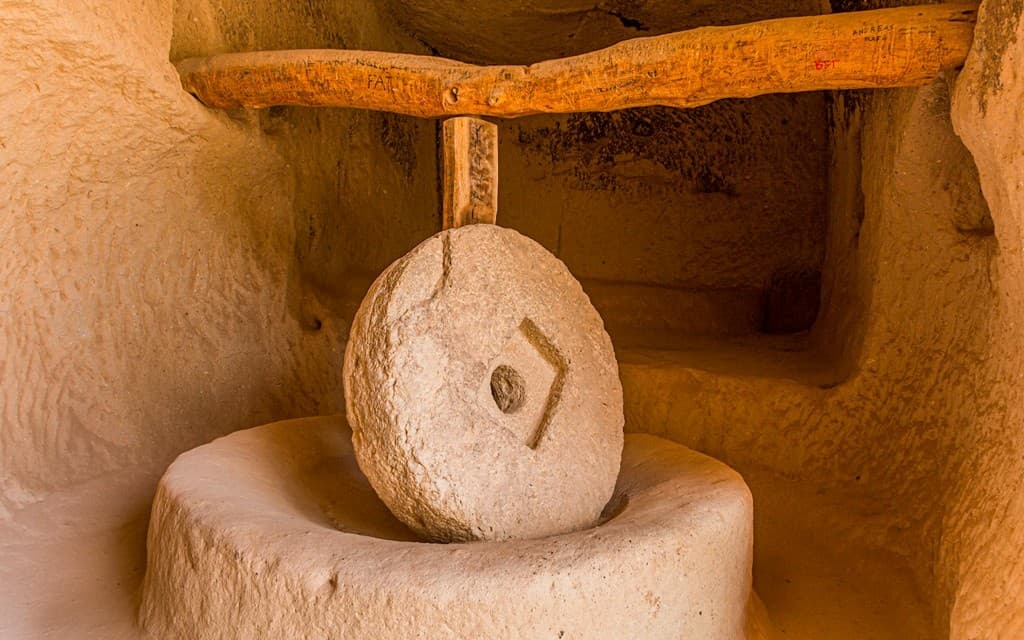
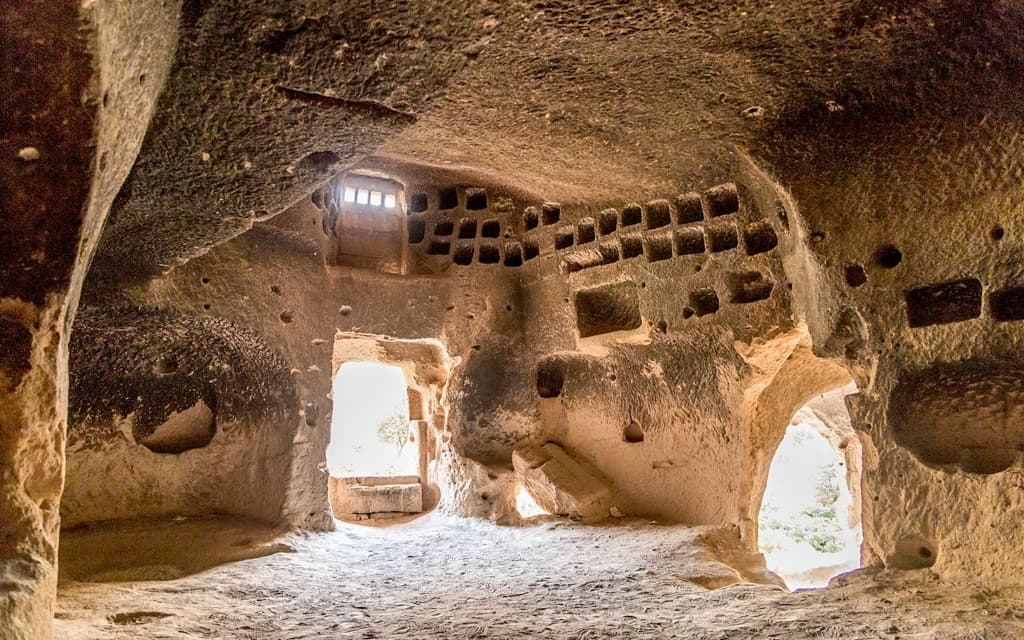
Höhlenwohnungen: Schlendern Sie zwischen den ins Gestein gemeißelten Behausungen hindurch und gewinnen Sie Einblicke ins tägliche Leben der Höhlenbewohner.
Feenkamine mit ins Gestein gemeißelten Kapellen: Bewundern Sie die vielköpfigen Formationen in Paşabağı, in denen sich die frühchristliche Frömmigkeit in Form von Kapellen widerspiegelt.
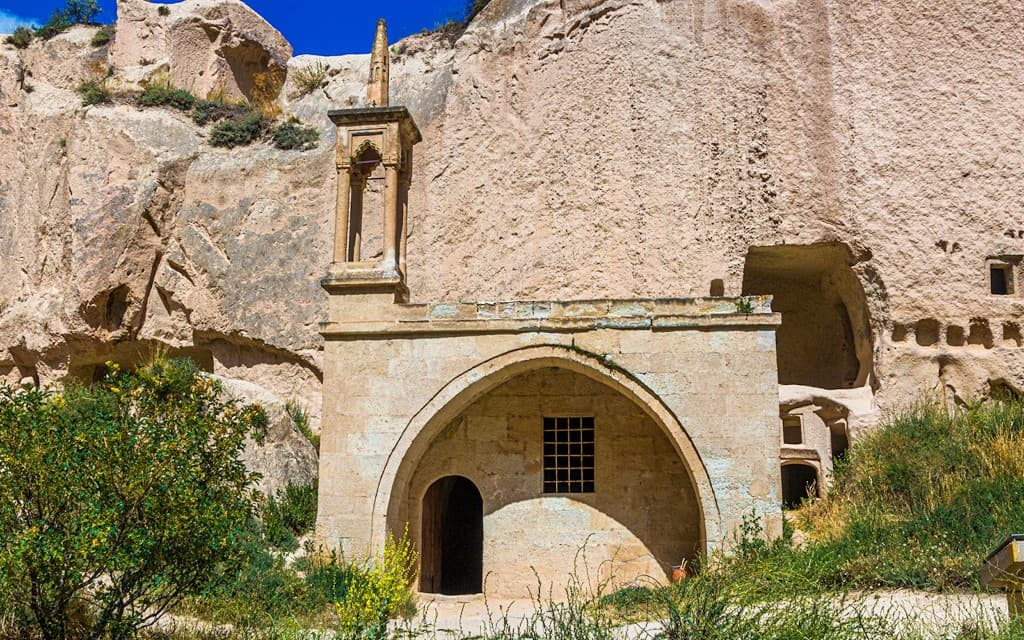
Antike Kirchen: Erkunden Sie die im Felsengestein verborgenen Gotteshäuser, wo antike Fresken sowie religiöse Symbole erhalten geblieben sind.
Klosterviertel: Entdecken Sie abgeschiedene Wohnräume und Kapellen, die einst von Mönchen genutzt wurden und heute einen Einblick in das spirituelle Leben der Region bieten.
Verzierte Taubenschläge: Sehen Sie sich die kunstvoll ausgehauenen Taubenhäuser an, die in den Tälern verstreut sind und der Landwirtschaft und Kommunikation dienen.
Einen gültigen Lichtbildausweis, der mit dem Namen auf Ihrer Buchung übereinstimmt, da er bei der Abholung verlangt werden kann.
Eine leichte Jacke oder einen Pullover, da die Morgen in Kappadokien kühl sein können
Drohnen, Alkohol und Drogen sind streng verboten
Große Taschen, Koffer oder übergroßes Gepäck sind im Museum nicht erlaubt
Rauchen ist während des gesamten Erlebnisses verboten
Haustiere sind nicht erlaubt.
Ihre Eintrittstickets werden Ihnen am Tag vor Ihrem Besuch zugeschickt
Das Museum ist täglich von 08:00 bis 19:00 Uhr geöffnet.
Dieses Erlebnis ist nicht rückerstattbar
Dies ist ein selbstgeführtes Erlebnis, ohne Reiseleiter oder Transfers
The Zelve Open Air Museum stands as a testament to the ingenuity and resilience of early inhabitants in Cappadocia. Comprising three valleys, this fascinating site was once a vibrant monastic retreat in the Byzantine era, evolving into a bustling village that thrived until the mid-20th century. Its unique landscape is characterized by numerous fairy chimneys and rock formations, into which homes, churches, and monasteries were meticulously carved. Visitors can explore a series of interconnected passages, cave houses, a rock-cut mosque, and several churches, offering a comprehensive understanding of the region's historical architecture and communal living. The abandonment of Zelve in 1952, due to severe erosion and safety concerns, led to the relocation of its inhabitants to a new village nearby, turning the original site into an open-air museum. Today, it provides an unparalleled opportunity to witness the evolution of rock-cut settlements and appreciate the distinct cultural heritage of Cappadocia. The site's less crowded nature compared to some other attractions allows for a more tranquil and immersive exploration of its ancient wonders.
Booking your Zelve Open Air Museum tickets or a guided tour online offers significant advantages. It ensures a hassle-free entry, allowing you to bypass potential queues and maximize your exploration time. Many online packages include entry to Zelve as part of a comprehensive Red Tour of Cappadocia, often bundled with lunch and convenient transfers, enhancing your overall experience. Securing your spot in advance guarantees availability, especially during peak travel seasons, and provides peace of mind knowing all your arrangements are confirmed before your arrival. Online booking also offers the flexibility to compare various tour options and find the one that best suits your itinerary and budget.
The history of Zelve spans centuries, beginning as a significant monastic settlement during the Byzantine era. Carved into the soft tufa rock, it became one of the earliest and longest-inhabited monastic retreats in Cappadocia, with evidence of rock-cut churches and cells dating back to the 9th century. Following the Byzantine period, Zelve transitioned from a purely monastic complex into a thriving village, adapting its rock-cut structures for residential use. Both Christian and Muslim communities coexisted here for centuries, as evidenced by the presence of both churches and a unique rock-cut mosque within the same area. This intermingling of cultures is a distinctive feature of Zelve. By the early 20th century, Zelve was still an active village, but relentless erosion of the fragile rock formations began to pose serious safety risks. Tunnels collapsed, and dwellings became unstable. Consequently, in 1952, the entire population was relocated to a new, purpose-built village nearby, Yeni Zelve (New Zelve). The original site was then designated as an open-air museum, preserving its unique architectural and historical legacy for future generations to explore and understand the unique way of life that once flourished within its rock-cut confines.
The Zelve Open Air Museum typically opens around 8:00 AM or 9:00 AM and closes between 5:00 PM and 7:00 PM, depending on the season. During the peak summer months, closing times may be extended. It is advisable to plan your visit during daylight hours to fully appreciate the intricate rock formations and structures. The museum generally operates seven days a week, though public holidays might affect hours, so it's always good to consider this when planning your trip.
The optimal time to visit the Zelve Open Air Museum is during the spring (April to June) and autumn (September to October) months. During these periods, the weather is mild and pleasant, perfect for exploring the outdoor valleys and rock formations without the extreme heat of summer or the cold of winter. Visiting early in the morning, shortly after opening, or in the late afternoon allows you to experience the site with fewer crowds, providing a more serene and immersive exploration. The softer light during these times also enhances photographic opportunities, casting beautiful shadows on the unique landscape.
Within the Zelve Open Air Museum, visitors can explore a diverse array of rock-cut structures spanning three valleys. The site features numerous cave dwellings that once served as homes for the villagers, providing insight into their daily lives. You will discover several rock-cut churches, some dating back to the Byzantine period, showcasing ancient frescoes and unique architectural styles. A notable feature is the rock-cut mosque, a rare example of a mosque carved directly into the natural rock formations, reflecting the village's later history. Interconnected tunnels and passages link different parts of the museum, inviting adventurous exploration. The landscape itself, with its distinctive fairy chimneys and eroded rock formations, is a major attraction, offering stunning photographic opportunities and a tangible connection to Cappadocia's geological wonders.
When visiting the Zelve Open Air Museum, wear comfortable, sturdy shoes suitable for walking on uneven terrain, including dirt paths and rocky surfaces. Bring water, especially during warmer months, as amenities inside the museum are limited. While some areas are open and spacious, others involve navigating narrow passages and tunnels, so be mindful of your surroundings. Consider joining a guided tour, as a knowledgeable guide can provide valuable historical context and point out details you might otherwise miss. The site is largely outdoors, so bring sun protection like a hat and sunscreen. Allow sufficient time to explore all three valleys at a relaxed pace.
Visitors to the Zelve Open Air Museum are expected to respect the historical integrity of the site. Please refrain from climbing on fragile rock formations or defacing any surfaces. Littering is strictly prohibited; dispose of waste in designated bins or carry it out with you. Pets are generally not permitted inside the museum grounds. Follow all marked pathways and heed any signage regarding restricted areas for your safety and the preservation of the site. Flash photography may be restricted in certain areas to protect delicate frescoes, so please be observant of any specific rules posted.
Zelve Open Air Museum is definitely worth visiting for its unique historical significance and geological landscape. Unlike the Göreme Open Air Museum, which primarily focuses on monastic life, Zelve offers a broader perspective, illustrating the evolution from a monastic retreat to a full-fledged civilian village. Its three valleys present a more sprawling and adventurous exploration opportunity, with numerous interconnected tunnels and cave dwellings to discover. The presence of a rock-cut mosque alongside churches highlights its unique cultural past. For those seeking a less crowded, more authentic insight into Cappadocia's rock-cut communities, Zelve provides an unparalleled and deeply immersive experience.
Zelve is unique because it was once a bustling village, inhabited until the mid-20th century, unlike other open-air museums that were primarily monastic. It features cave dwellings, churches, and a rock-cut mosque, reflecting both Christian and Muslim histories.
Yes, many tour operators offer guided tours that include Zelve Open Air Museum, often as part of a larger Cappadocia Red Tour. These tours provide valuable historical context and logistical convenience.
Yes, children often enjoy exploring the tunnels and cave dwellings at Zelve. However, parental supervision is recommended due to uneven terrain and potential drops. Strollers may be difficult to use in some areas.
Yes, you can explore the Zelve Open Air Museum independently. The paths are generally well-marked, allowing visitors to wander through the three valleys at their own pace and discover its many features.
The best ways to reach Zelve Open Air Museum are by organized tour, taxi, or private rental car. Public transport options directly to the site may be limited.
Most visitors spend between 1.5 to 2.5 hours exploring the Zelve Open Air Museum. This allows enough time to walk through all three valleys and investigate the various rock-cut structures.
Facilities inside the museum are limited. It is advisable to bring your own water and any snacks you might need. There may be small cafes or vendors outside the entrance area.
The Zelve Open Air Museum is easily reachable from Cappadocia's main towns. From Göreme or Avanos, you can take a taxi directly to the site. Many visitors opt for organized tours, such as the 'Red Tour', which often includes Zelve as a key stop, providing convenient transportation. Alternatively, if you have a rental car, Zelve is well signposted and offers parking facilities. While public buses run between some towns, direct public transport to Zelve might be less frequent, making taxis or tours more practical options for a seamless visit.
There is no strict dress code for visiting the Zelve Open Air Museum, but practical attire is highly recommended. Given the uneven terrain, numerous steps, and potential for dust, comfortable walking shoes or hiking boots are essential. Dress in layers, as temperatures can vary throughout the day, especially during spring and autumn. During warmer months, light, breathable clothing is advisable, along with a hat and sunglasses for sun protection. In cooler seasons, a jacket or coat will be necessary.