

Що включено
- Eingang zu Julias Haus
- Zugang zum berühmten Balkon
- Mehrsprachiger Audioguide
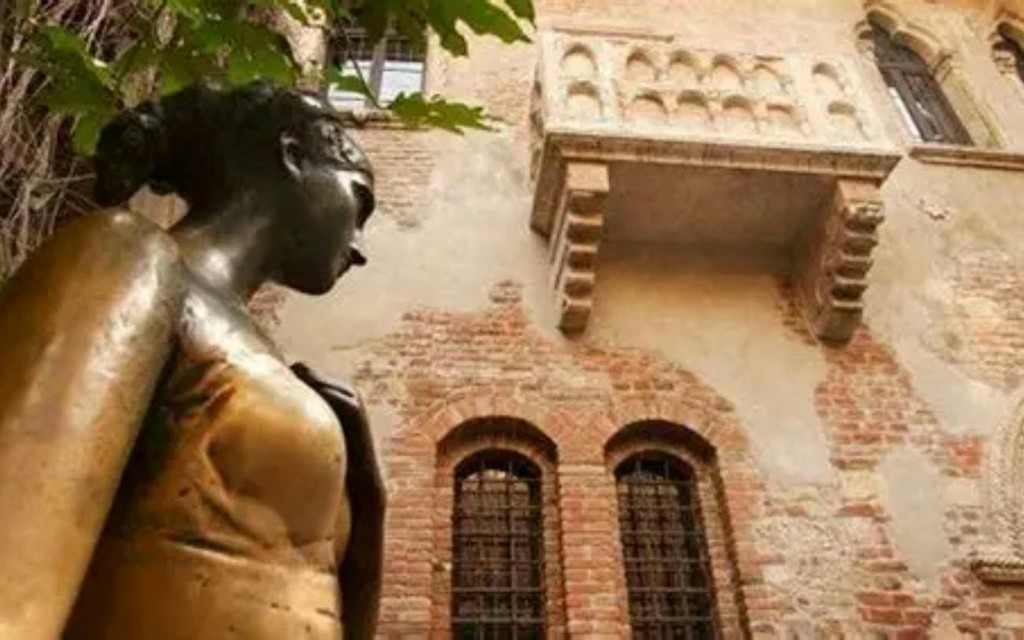
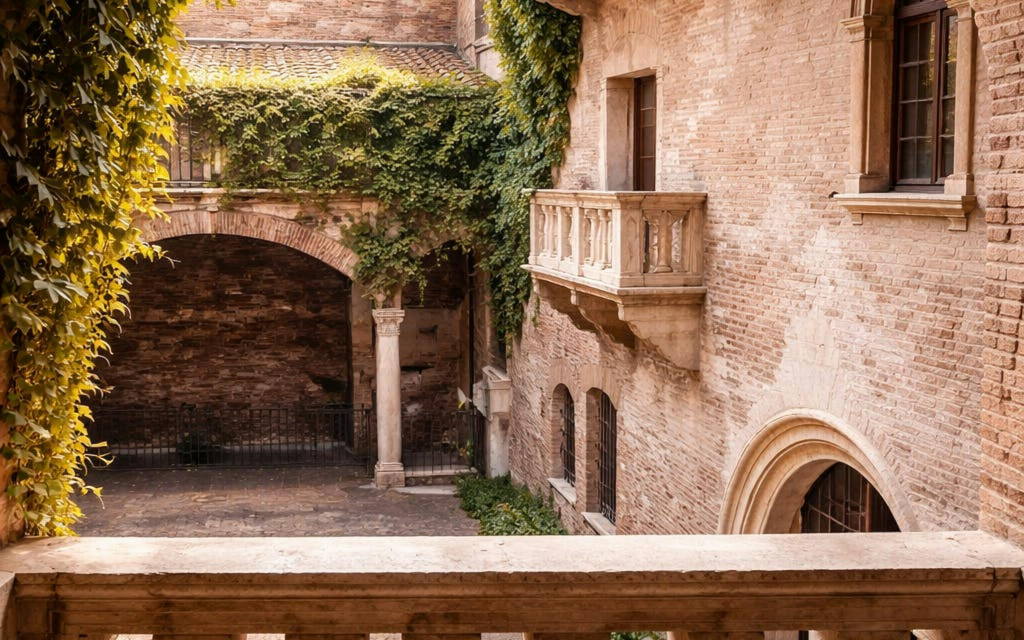
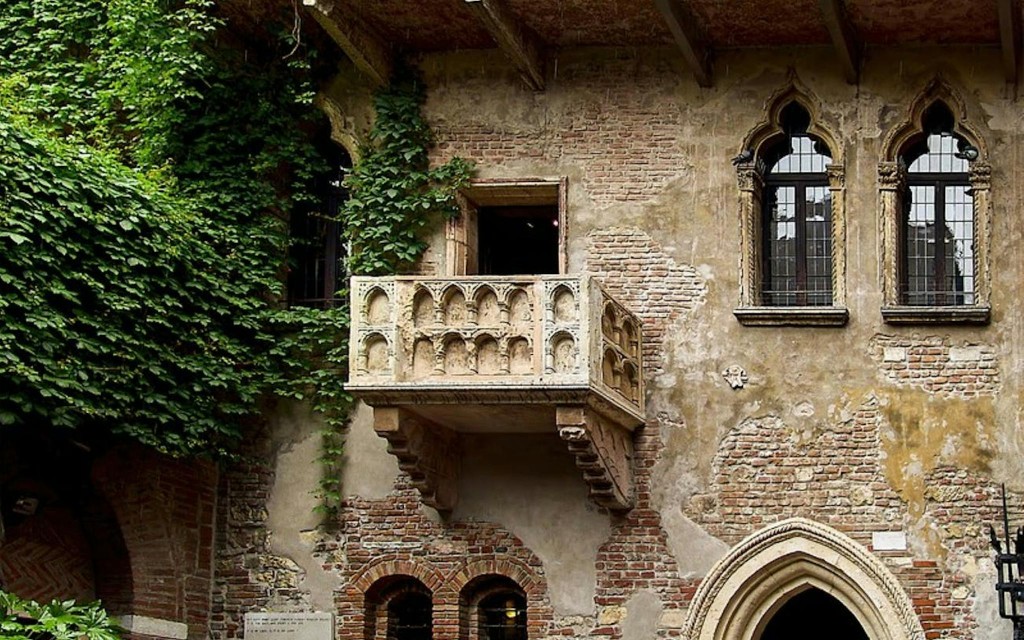
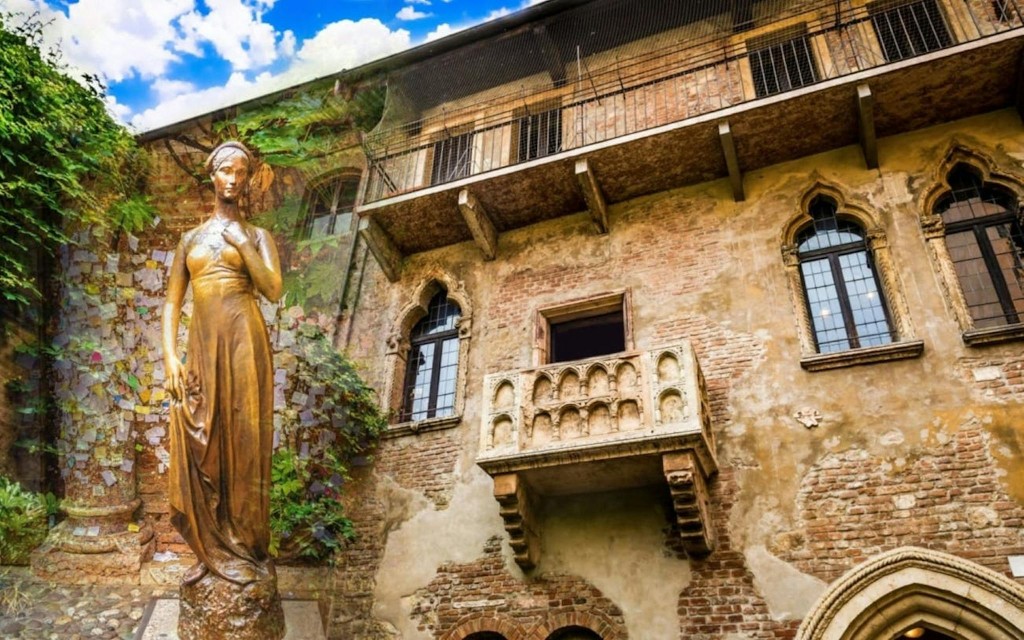
Зафіксуйте магію Дому Джульєтти! Перегляньте зображення культового балкона, бронзової статуї, історичного двору та захоплюючих експонатів всередині музею.
Пориньте у позачасовий світ найзнаковішої історії кохання Шекспіра в Будинку Джульєтти (Casa di Giulietta) у Вероні. Ця історична будівля 13-го століття вважається домівкою Капулетті, що надихнула на трагічний роман Ромео і Джульєтти. Відвідувачі з усього світу приїжджають, щоб помилуватися знаменитим балконом, де, як вважається, стояла Джульєтта, увічнена словами барда. За романтичним фасадом будинок також містить музей, наповнений меблями тієї епохи, костюмами та артефактами, які оживляють легенду. Дослідіть двори, доторкніться до статуї Джульєтти на удачу та пориньте в одну з найулюбленіших і найромантичніших пам'яток Верони.
Для відвідування Дому Джульєтти немає суворого дрес-коду. Однак, оскільки це публічний культурний об'єкт, зазвичай рекомендується комфортний та шанобливий одяг. Доречним є ошатний повсякденний стиль. Враховуючи, що ви можете гуляти центром міста до і після візиту, бажано взути зручне взуття.
Erleben Sie eine der bekanntesten Attraktionen Veronas mit Eintritt in das Juliaschloss, einschließlich Zugang zum berühmten Balkon und einem mehrsprachigen Audioguide.
Diese historische Residenz im Herzen von Verona wird traditionell mit Julia Capulet in Verbindung gebracht, der Heldin von Shakespeares weltberühmter Liebesgeschichte. Erkunden Sie das mittelalterliche Haus, bewundern Sie die historischen Einrichtungsgegenstände und entdecken Sie Ausstellungsstücke, die der unvergänglichen Legende von Romeo & Juliet gewidmet sind.
Steigen Sie hinauf auf den berühmten Balkon, der für Besucher aus aller Welt zu einem Symbol der Romantik geworden ist. Während Sie die Anlage erkunden, vermittelt Ihnen Ihr Audioguide Einblicke in die Geschichte des Gebäudes, die Ursprünge der Julia-Tradition und die kulturelle Bedeutung einer der größten Liebesgeschichten der Literatur.
Genießen Sie die Flexibilität, die Besichtigung ganz nach Ihrem eigenen Tempo zu gestalten, während Sie in einem der beliebtesten Wahrzeichen Veronas Jahrhunderte an Geschichte, Literatur und lokaler Tradition entdecken.
Zusätzliche Informationen
- Während Ihres Besuchs können Sie Julias Haus und die dortigen Ausstellungsstücke in Ihrem eigenen Tempo erkunden.
- Das Erlebnis umfasst den Zugang zum berühmten Balkon sowie zur historischen Einrichtung, die der Legende von Romeo und Juliet gewidmet ist.
- Es steht ein mehrsprachiger Audioguide zur Verfügung, der Ihnen hilft, die Geschichte und die kulturelle Bedeutung der Stätte zu entdecken.
Будинок Джульєтти – це захоплива подорож у літературну легенду та історію Верони. Розташована в самому серці Верони, ця середньовічна резиденція пропонує більше, ніж просто можливість для фото; вона запрошує гостей глибше зануритися в оповідь, яка зачаровувала покоління. Будинок, хоча й не має остаточних доказів того, що він був історичною домівкою Джульєтти, датується 13-м століттям і належав родині Капелло, чий герб має сильну схожість з Капулетті. Цей зв'язок підживив народну віру, яка була ще більше закріплена на початку 20-го століття, коли місто Верона відновило власність, додавши культовий балкон і перетворивши його на пам'ятник історії Шекспіра. Всередині музей демонструє колекцію фресок епохи Відродження, старовинних меблів та художніх інтерпретацій Ромео і Джульєтти. Відвідування часто супроводжується аудіогідом, який надає багатий історичний контекст та захопливе оповідання про будинок і вічну легенду. Це місце, де переплітаються література, історія та романтика, що робить його обов'язковою зупинкою для кожного, хто відвідує Верону.
Бронювання візиту до Будинку Джульєтти онлайн пропонує кілька значних переваг, забезпечуючи більш плавний та приємний досвід. Онлайн-квитки, такі як для швидкого входу (Fast Track Entry) або досвіду на балконі Джульєтти (Juliet Balcony Experience), часто надають доступ без черги, дозволяючи вам оминути потенційно довгі черги, особливо під час пікового сезону. Це означає більше часу для огляду будинку та менше часу на очікування. Багато онлайн-пакетів також включають аудіогід, що збагачує ваш візит захоплюючими деталями про легенду та історію будинку. Завчасне придбання квитків гарантує ваш вхід, забезпечує зручність та допомагає ефективно спланувати ваш маршрут.
Історія Будинку Джульєтти – це захоплююче поєднання фактів, фольклору та стратегічної реставрації. Сама будівля датується 13 століттям і справді належала родині Каппелло, чий герб — шапка — призвів до її асоціації з Капулетті з п'єси Шекспіра. Протягом століть будинок залишався приватною резиденцією, але його легендарний зв'язок набрав обертів, особливо після широкої популярності шекспірівської «Ромео і Джульєтти». На початку 20 століття місто Верона придбало цю власність. З метою використання її літературної слави, архітектор Антоніо Авена провів масштабні реставраційні роботи з 1907 по 1940 рік. Саме в цей період був побудований культовий балкон, який часто називають доповненням 20 століття, з використанням автентичних стародавніх матеріалів, розроблений для створення романтичної середньовічної атмосфери. Потім будинок був відкритий для публіки, перетворивши його на головну туристичну пам'ятку, присвячену закоханим, яким не судилося бути разом. Хоча історична достовірність того, що це був справжній дім Джульєтти, обговорюється, його культурне значення як пам'ятника одній з найвеличніших історій кохання, коли-небудь розказаних, є беззаперечним.
Будинок Джульєтти зазвичай працює з постійним графіком роботи протягом пікових туристичних сезонів. Зазвичай він відкритий з вівторка по неділю, як правило, з раннього ранку до пізнього вечора. По понеділках години роботи можуть бути скорочені або він може бути закритий вранці. У міжсезоння або на певні свята години роботи можуть змінюватися, і бажано враховувати це при плануванні візиту. Вхідні ворота закриваються приблизно за 30 хвилин до офіційного часу закриття.
Щоб повною мірою насолодитися Будинком Джульєтти без метушні великих натовпів, розгляньте можливість відвідування в міжсезоння весни (квітень-травень) або ранньої осені (вересень-жовтень). Погода в ці місяці приємна, а кількість туристів, як правило, нижча, ніж у піковий літній період. У будь-який день рекомендується прибувати одразу після відкриття у будній ранок. Це дозволяє отримати більш спокійний досвід у дворі та всередині будинку, надаючи вам достатньо можливостей для фотографій та для того, щоб відчути атмосферу.
Усередині Будинку Джульєтти відвідувачі можуть оглянути кілька кімнат на різних поверхах, кожна з яких дає уявлення про те, як міг виглядати заможний веронський дім століття тому. На першому поверсі знаходиться знаменитий двір, доповнений бронзовою статуєю Джульєтти та культовим балконом над головою. Підніміться на верхні поверхи, щоб відкрити для себе музей, де зберігається колекція антикваріату, фресок та творів мистецтва, натхненних п'єсою Шекспіра. Ви побачите красиві старовинні меблі, гобелени та вітрини з костюмами з різних екранізацій «Ромео і Джульєтти». Для багатьох головною подією є вихід на той самий балкон, який надихнув незліченні романтичні мрії, пропонуючи унікальну можливість для фотографій та момент для єднання з легендарною історією. Цікаві аудіогіди часто супроводжують подорож, надаючи розуміння історії будинку та легенди Капулетті.
При плануванні відвідування Дому Джульєтти корисно знати, що вхід у внутрішній двір безкоштовний, але доступ до будинку та балкона вимагає квитка. Розгляньте можливість придбання квитків онлайн заздалегідь, щоб заощадити час після прибуття, особливо в періоди великого навантаження. Часто доступний аудіогід, який настійно рекомендується для збагачення розуміння експонатів та легенди. Фотографувати зазвичай дозволяється всередині, але використання спалаху може бути заборонено в певних зонах. У будинку кілька поверхів, і хоча ліфт може бути доступний, будьте готові до підйому сходами. Також є можливість залишати любовні записки або замки у дворі, тому подумайте про те, щоб взяти один, якщо ви бажаєте долучитися до цієї традиції.
Відвідувачі Дому Джульєтти повинні дотримуватися загального музейного етикету. Це включає утримання від дотику до експонатів (за винятком статуї Джульєтти у дворі), розмову шанобливим тоном та уникнення деструктивної поведінки. Їжа та напої зазвичай не дозволяються в виставкових зонах. Великі сумки та рюкзаки, можливо, доведеться зберігати у спеціальних шафках або гардеробах, якщо вони доступні. Дотримуйтесь будь-яких конкретних інструкцій персоналу щодо обмежень фотографування або потоку відвідувачів. Забезпечте постійний нагляд за дітьми.
Дім Джульєтти, безсумнівно, варто відвідати, особливо тим, хто захоплений вічною легендою про Ромео і Джульєтту, ентузіастам літератури або будь-кому, хто прагне зануритися в романтичну атмосферу Верони. Він пропонує унікальну можливість доторкнутися до історії, яка подолала час, культуру та мову. Окрім відомого балкона, музей забезпечує відчутний зв'язок із середньовічною Вероною та художніми інтерпретаціями п'єси Шекспіра. Це знакова пам'ятка, яка справді втілює романтичний дух міста, створюючи незабутні враження та можливості для фото, що втілюють сутність Верони.
Хоча це не є суворо обов'язковим, настійно рекомендується купувати квитки онлайн заздалегідь, особливо в піковий сезон, щоб гарантувати собі вхід і, можливо, скористатися пріоритетним доступом без черги.
Так, доступ до знаменитого балкона включено у ваш квиток до Будинку Джульєтти і є центральною частиною відвідування музею. Він пропонує унікальну можливість для фотографування.
Більшість відвідувачів проводять приблизно 1-1,5 години, досліджуючи подвір'я, музей та балкон, що дає достатньо часу, щоб оцінити експонати та атмосферу.
Подвір'я, як правило, доступне. Проте, через історичний характер будівлі, деякі верхні поверхи та старіші секції всередині будинку, включаючи балкон, можуть мати обмежену доступність. Бажано дізнатися про конкретні функції доступності після прибуття.
Традиція говорить, що дотик до правої груди бронзової статуї Джульєтти у дворі приносить удачу в коханні та стосунках. Багато відвідувачів беруть участь у цьому ритуалі.
Так, це давня традиція для відвідувачів залишати любовні записки, листи або прикріплювати 'замки кохання' до стін у дворі Будинку Джульєтти. Для цього є спеціально відведені місця.
Так, аудіогіди зазвичай доступні, часто включені до онлайн-квитків або доступні для оренди на місці. Вони надають цінну інформацію про історію будинку та легенду про Ромео і Джульєтту.
Будинок Джульєтти зручно розташований в історичному центрі Верони, що робить його легкодоступним пішки з більшості центральних помешкань та пам'яток. Якщо ви прибуваєте громадським транспортом, численні автобусні лінії обслуговують зупинки, розташовані за декілька хвилин ходьби від будинку. Найближчі великі автобусні зупинки зазвичай знаходяться за 5-10 хвилин ходьби. Центр Верони здебільшого зручний для пішоходів, і будинок добре позначений, коли ви перебуваєте поблизу.
Для відвідування Дому Джульєтти немає суворого дрес-коду. Однак, оскільки це публічний культурний об'єкт, зазвичай рекомендується комфортний та шанобливий одяг. Доречним є ошатний повсякденний стиль. Враховуючи, що ви можете гуляти центром міста до і після візиту, бажано взути зручне взуття.