

Що включено
- Accés sense cues
- Guia
- Visita guiada
- Transport en autocar amb aire condicionat
- Auriculars per escoltar la guia
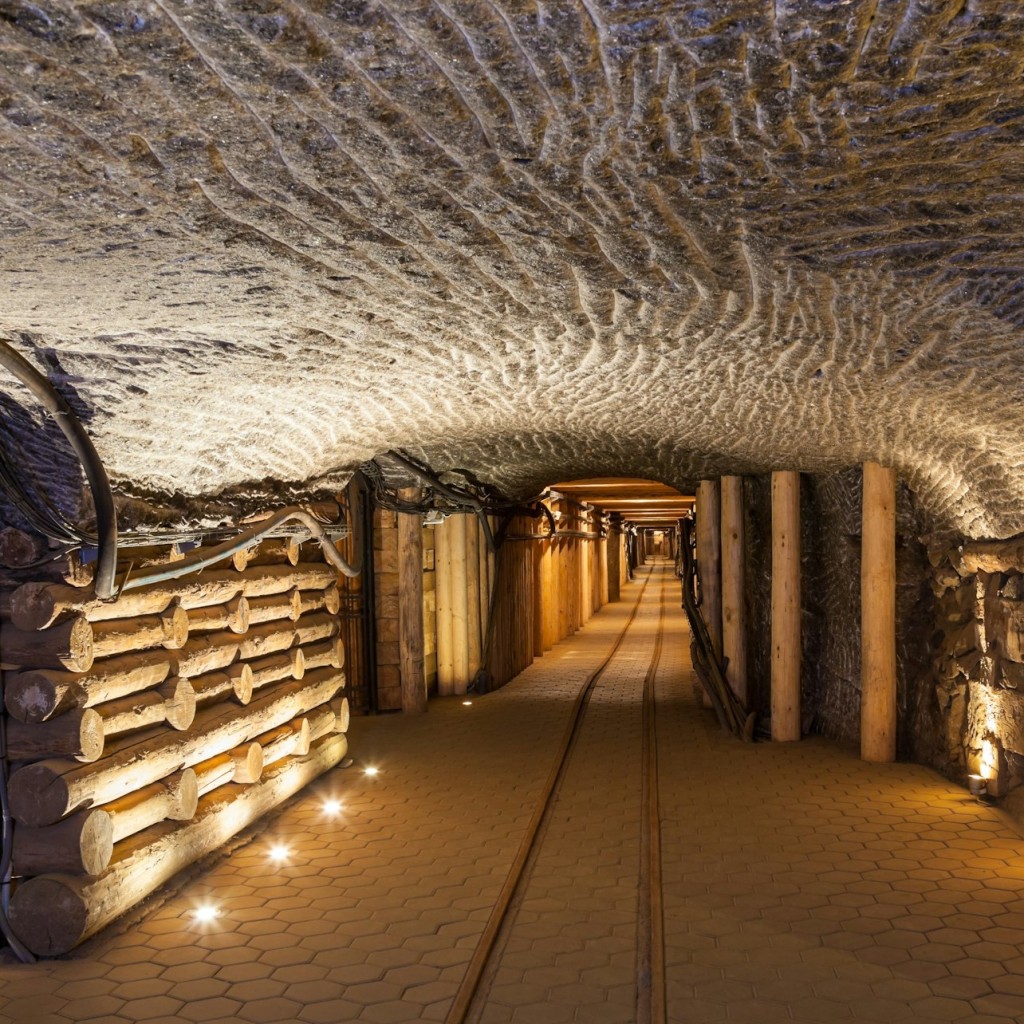
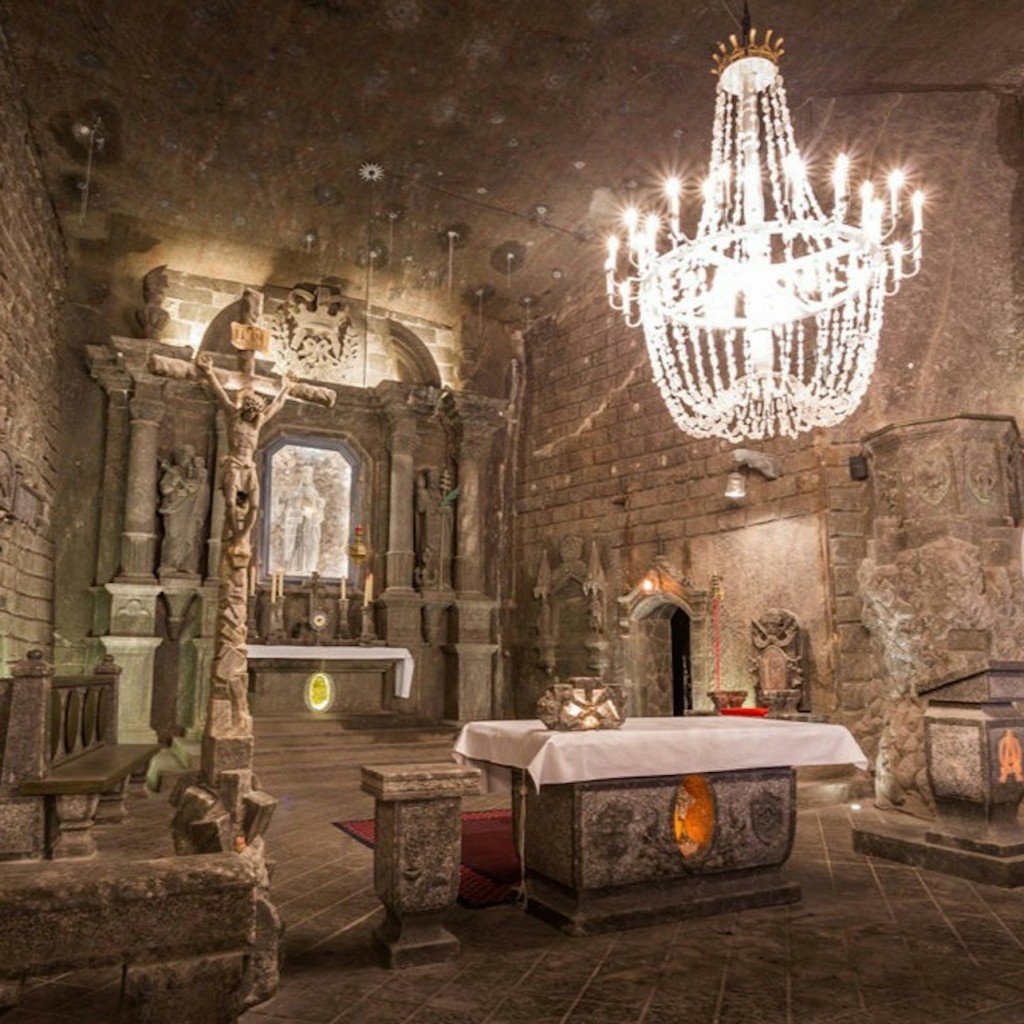
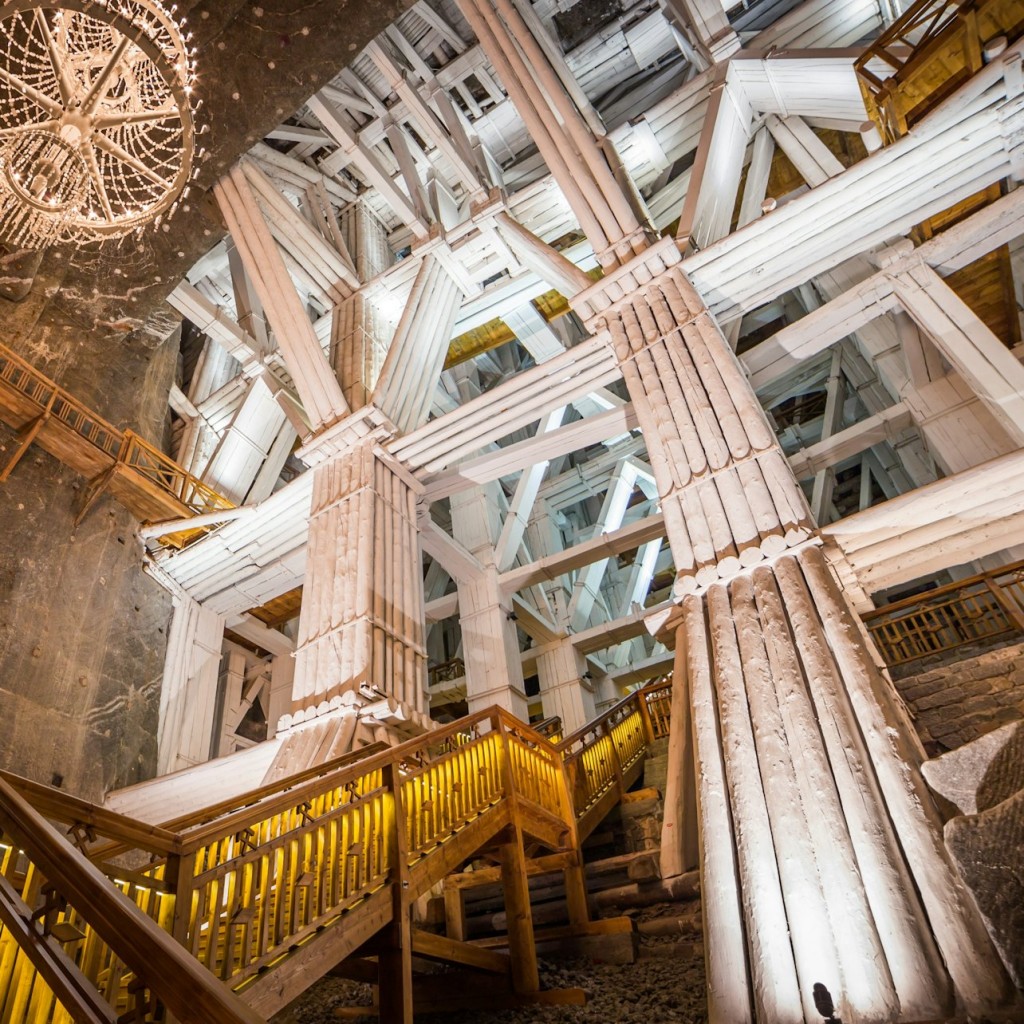
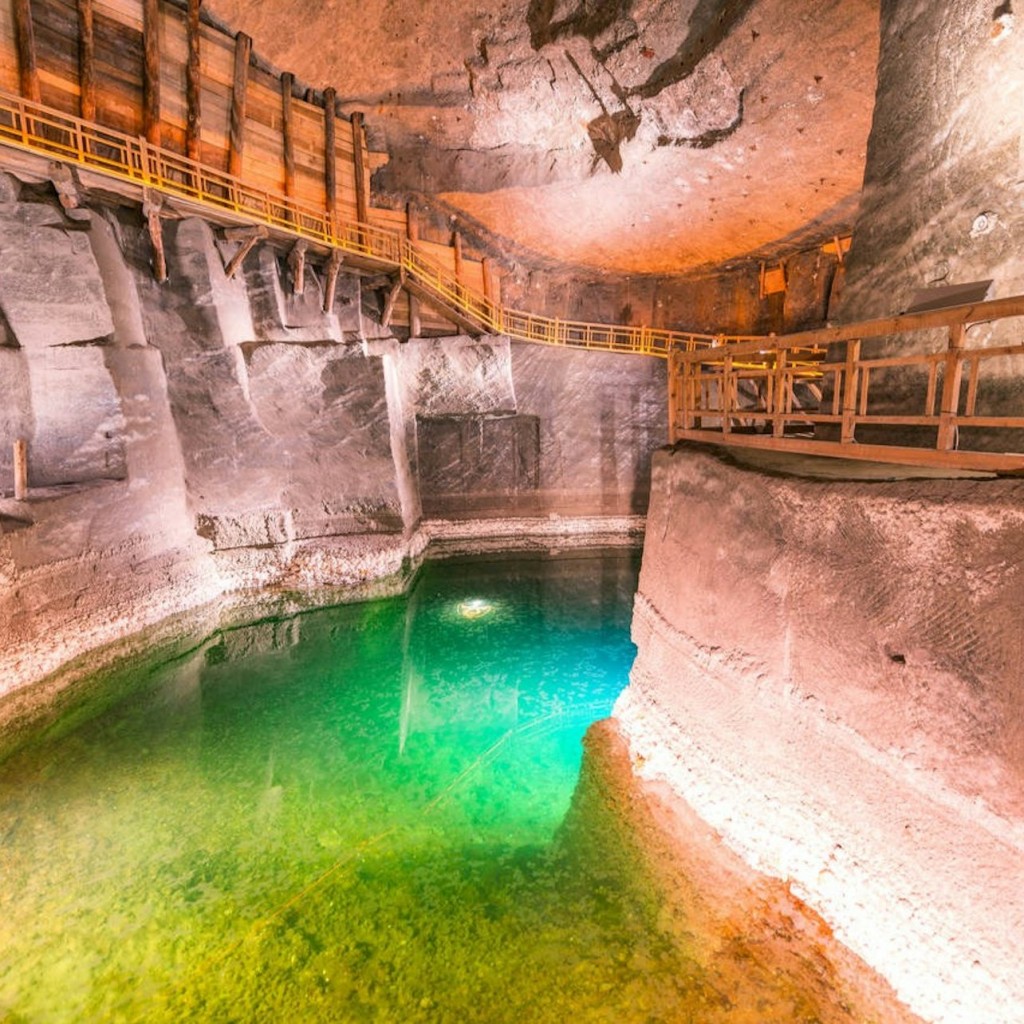
Discover the subterranean wonders of the Wieliczka Salt Mine through these captivating images.
Step into an extraordinary subterranean world at the Wieliczka Salt Mine, a UNESCO World Heritage site near Krakow, Poland. This ancient mine, operational for centuries, has been transformed into a breathtaking tourist attraction, showcasing remarkable salt-carved chapels, intricate sculptures, and vast chambers. A guided tour provides an immersive experience, revealing the history, legends, and geological wonders hidden deep underground. With a fast-track ticket, visitors can bypass queues and delve straight into this unique geological and cultural marvel, exploring its incredible passages and awe-inspiring artistry carved entirely from salt.
Given the constant cool temperature of approximately 14-16°C (57-61°F) inside the mine, it is recommended to wear a light jacket or sweater, even during warmer months. Comfortable walking shoes are essential due to the extensive walking and numerous stairs involved in the tour. Otherwise, there is no specific formal dress code required; casual and practical attire is suitable.
The Wieliczka Salt Mine is one of Poland's most significant historical and cultural landmarks, continuously operating from the 13th century until 2007. Recognized by UNESCO in 1978, it is celebrated for its incredible scale and the preserved history of salt mining techniques. The tourist route descends hundreds of meters below the surface, stretching over three kilometers and encompassing numerous chambers, corridors, and even underground lakes. What makes Wieliczka truly unique is the extensive artistry found within its depths. Miners, over generations, sculpted religious figures, chandeliers, and elaborate altarpieces directly from the rock salt, transforming the mine into an unparalleled underground cathedral. The most famous example is the Chapel of St. Kinga, a grand church entirely carved from salt, featuring stunning chandeliers, altars, and statues. Visiting the mine offers a profound insight into the arduous work of medieval miners, their ingenuity, and their deep spiritual connection to their challenging environment. It's a journey through time, geology, and art, revealing layers of human endeavour and natural beauty.
Booking your Wieliczka Salt Mine tickets online offers unparalleled convenience and peace of mind. Fast-track options allow you to bypass potentially long queues, especially during peak season, ensuring a smoother start to your underground adventure. Online booking guarantees your entry, particularly important for guided tours which often have limited spots and specific departure times in various languages. You can secure your preferred tour time and language, such as English, German, French, Italian, or Spanish, in advance. This eliminates the stress of on-site ticket availability, allowing you to focus on planning the rest of your trip to Krakow and its surroundings.
The history of the Wieliczka Salt Mine dates back to the 13th century, though salt extraction in the area goes back even further, to Neolithic times when brine springs were used. Commercial mining began in the Middle Ages, driven by the Piast dynasty, establishing Wieliczka as one of the world's oldest continuously operating salt mines. For centuries, it was a cornerstone of the Polish economy, providing significant wealth to the royal treasury and funding for many of Poland's cultural and architectural endeavors. The mine expanded progressively, creating vast networks of tunnels, chambers, and shafts reaching depths of over 300 meters. Over generations, miners, often working in challenging conditions, began to carve figures, altarpieces, and entire chapels directly from the salt, a testament to their faith and artistic skill. The most renowned example, the Chapel of St. Kinga, took decades to complete. In 1978, the Wieliczka Salt Mine was designated one of the first 12 UNESCO World Heritage Sites, recognizing its historical significance, unique artistic achievements, and the preservation of medieval mining techniques. Although commercial salt production ceased in 1996 due to high maintenance costs and flooding risks, the mine continues to operate as an extraordinary museum and tourist attraction, preserving its rich legacy for future generations.
The Wieliczka Salt Mine typically operates daily, though specific opening and closing times can vary significantly depending on the season and public holidays. During peak tourist seasons, such as summer, the mine generally has extended hours, with tours running frequently from morning until late afternoon. In contrast, off-peak seasons might see slightly reduced hours and fewer tour departures. It is advisable to secure tickets for a specific time slot, especially if opting for a tour in a particular language, as availability can change. Always check the schedule for your desired visit date.
The optimal time to visit the Wieliczka Salt Mine is during the shoulder seasons, specifically April-May or September-October. During these months, the weather is pleasant, and the crowds are generally smaller than in the peak summer months of July and August. Weekday visits are also recommended over weekends or public holidays to experience a more relaxed atmosphere. Arriving early in the morning or later in the afternoon can also help avoid the busiest midday groups. While the underground temperature remains constant year-round, visiting during quieter periods allows for a more intimate exploration of this UNESCO site.
The Wieliczka Salt Mine tour takes visitors deep into its historic shafts, revealing a spectacular subterranean world. You will traverse a labyrinth of corridors, marvel at grand chambers, and encounter incredible salt-carved artworks. The highlight for many is the breathtaking Chapel of St. Kinga, an enormous underground church complete with altars, chandeliers, and intricate sculptures, all meticulously carved from the salt itself. Other notable features include the magnificent Michalowice Chamber with its impressive timber constructions, the stunning Janowice Chamber featuring salt figures depicting the legend of St. Kinga, and the beautiful Weimar Chamber, home to an underground lake. Throughout the tour, you'll see various mining tools and machinery, learn about the different extraction methods used over centuries, and even encounter saline lakes that reflect the intricate carvings above. The experience culminates in chambers dedicated to exhibitions showcasing the mine's history and geology.
Prepare for a significant amount of walking and stair climbing, as the tour route involves descending hundreds of steps and covering several kilometers underground. The temperature inside the mine is consistently around 14-16°C (57-61°F) regardless of the outside weather, so a light jacket or sweater is advisable. Comfortable walking shoes are essential. Photography is generally permitted, though a small fee may apply for non-commercial use, which is usually paid directly at the mine entrance. There are restrooms and small refreshment points available along the tourist route, typically near the end of the tour. Large bags and backpacks are usually not allowed on the tour route and must be left in lockers or storage facilities. Ensure you arrive well in advance of your scheduled tour time.
Visitors are required to follow the instructions of their licensed guide at all times while inside the Wieliczka Salt Mine. For safety reasons, it is prohibited to stray from the designated tourist route or touch the salt carvings and walls. Smoking, consuming alcohol, and bringing large bags or backpacks into the mine are generally not permitted. Guests should refrain from loud noises or disruptive behaviour to maintain a respectful environment for all visitors. Photography is allowed but be mindful of others and flash photography might be restricted in certain areas. Children must be supervised by an adult at all times.
The Wieliczka Salt Mine is undeniably worth visiting for its unparalleled blend of natural wonder, historical significance, and human artistry. It offers a truly unique opportunity to explore a subterranean world that has been shaped by centuries of mining and creativity. The sheer scale of the chambers, the intricate salt carvings, and the awe-inspiring Chapel of St. Kinga make it an unforgettable experience. As a UNESCO World Heritage site, it holds immense cultural value, showcasing an extraordinary testament to human ingenuity and resilience. It's more than just a mine; it's an underground museum, a gallery of salt art, and a profound journey into Poland's rich heritage, making it a highlight of any trip to the region.
The traditional tourist route involves extensive walking and climbing hundreds of stairs. However, a specially adapted route is available for visitors with reduced mobility or those in wheelchairs, which must be arranged in advance.
The temperature inside the mine is consistently cool, ranging from 14 to 16°C (57-61°F) year-round. It's advisable to bring a light jacket or sweater.
The standard guided tour of the Wieliczka Salt Mine typically lasts approximately 2.5 to 3 hours.
Photography is generally allowed within the mine for personal use, though there might be a small fee payable at the entrance for a photography permit. Flash photography might be restricted in certain areas.
There are some small refreshment points, including a restaurant, located near the end of the tourist route underground where visitors can purchase light snacks and drinks.
It is highly recommended to book tickets in advance, especially during peak season or if you require a tour in a specific language, to ensure availability and avoid long queues.
Guided tours are offered in multiple languages, including English, Polish, German, French, Italian, Spanish, and sometimes Russian or Ukrainian, depending on the season and availability.
Yes, there are souvenir shops both inside the mine and at the surface where you can purchase salt-related products, local crafts, and memorabilia.
Restrooms are available at certain points along the tourist route, typically around the middle and near the end of the tour.
The Wieliczka Salt Mine is easily accessible from Krakow. You can take a local bus (line 304) directly from Krakow's city center or main train station to Wieliczka. Alternatively, suburban trains offer a quick and convenient journey from Krakow Główny (main station) to Wieliczka Rynek-Kopalnia station, which is a short walk from the mine entrance. Many tour operators also offer convenient transfer options from various points in Krakow, including hotel pickups.
Es muy bonito el sitio, pero los grupos son excesivamente grandes y no se oye bien al guía. El sonido se corta constantemente.
Sehr gut organisiert und wirklich beeindruckend die Miene und vor allem die Kathedrale. Auch die Verlängerung der Tour lohnt sich und ist im Preis inbegriffen.
Given the constant cool temperature of approximately 14-16°C (57-61°F) inside the mine, it is recommended to wear a light jacket or sweater, even during warmer months. Comfortable walking shoes are essential due to the extensive walking and numerous stairs involved in the tour. Otherwise, there is no specific formal dress code required; casual and practical attire is suitable.