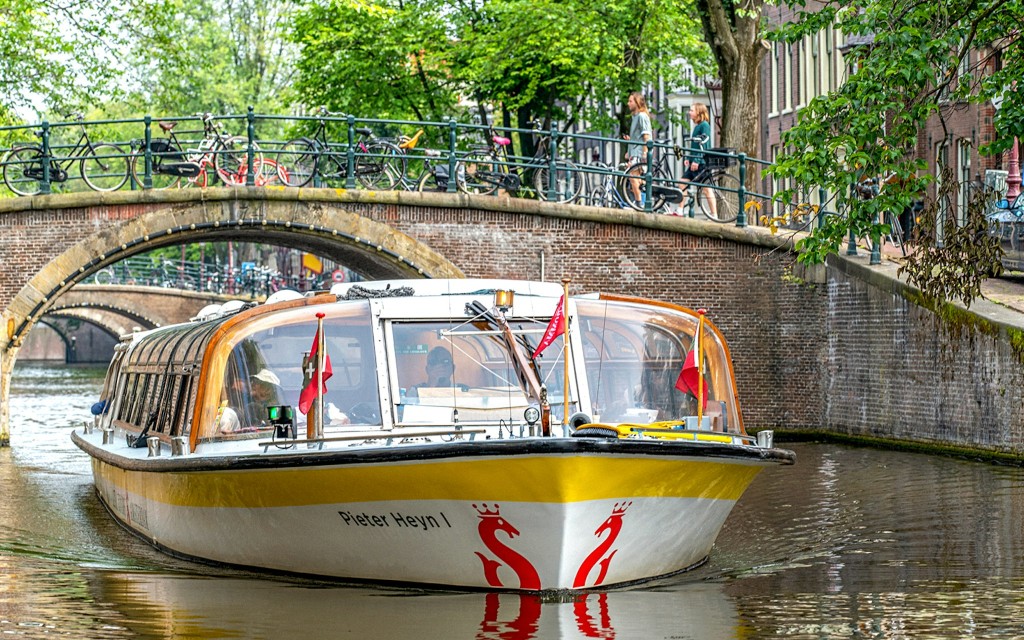
The history of Amsterdam's canals is deeply intertwined with the city's development and its Golden Age. Construction of the famous Grachtengordel (canal belt) began in the early 17th century, a period of immense economic prosperity for Amsterdam. This ambitious urban planning project was designed primarily to manage water levels, facilitate transport, and expand the city for its rapidly growing merchant population. The canals served as vital arteries for trade, with goods arriving from distant lands being transported directly to warehouses built along their banks. The distinctive canal houses, many with their elegant gabled facades, were homes and businesses for wealthy merchants, reflecting the city's affluence. Beyond their commercial utility, the canals also played a strategic defensive role. Today, this intricate network of waterways, covering over 100 kilometers and crossed by approximately 1,500 bridges, remains a testament to Dutch engineering and ingenuity. Recognized as a UNESCO World Heritage site, the canals continue to be a defining feature of Amsterdam, offering a living connection to its rich maritime and mercantile past.