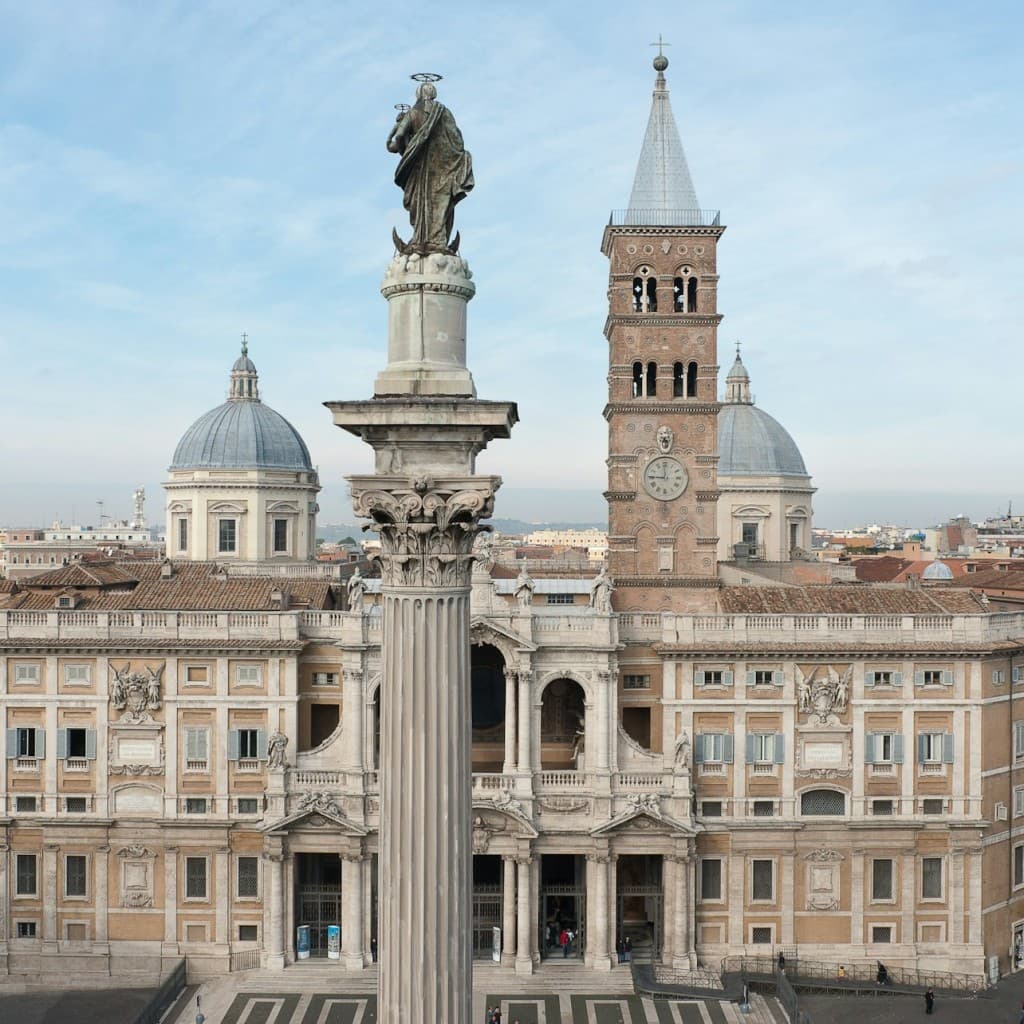
Basilica of Santa Maria Maggiore: Priority Entry + Museum
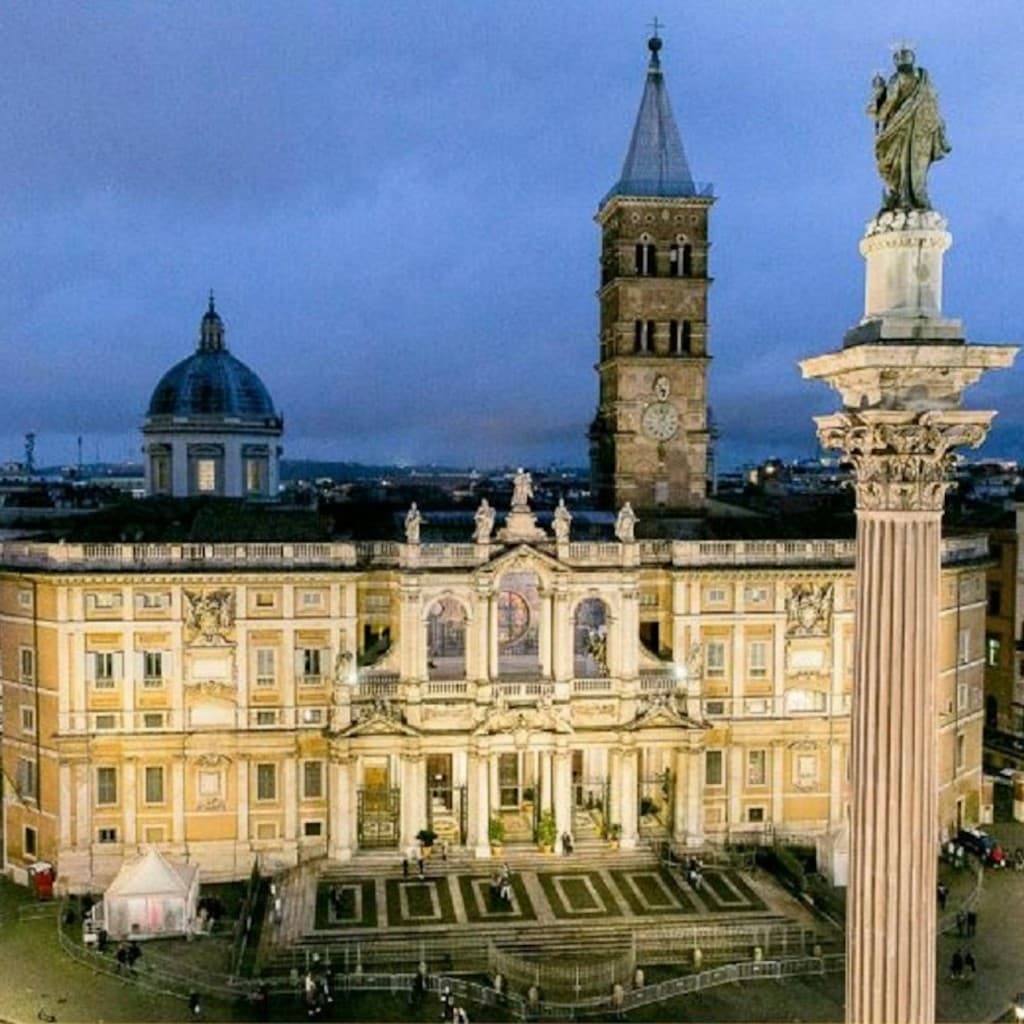
Basilica of Santa Maria Maggiore: Priority Entry Ticket + Audio Guide

Basilica of Santa Maria Maggiore, Colosseum & Marmertine Prision

Basilica of Santa Maria Maggiore: Dome Entry Ticket

Basilica of Santa Maria Maggiore: Skip The Line Ticket + Guided Tour

Basilica of Santa Maria Maggiore: Guided Tour

Basilica of Santa Maria Maggiore: Underground Guided Tour
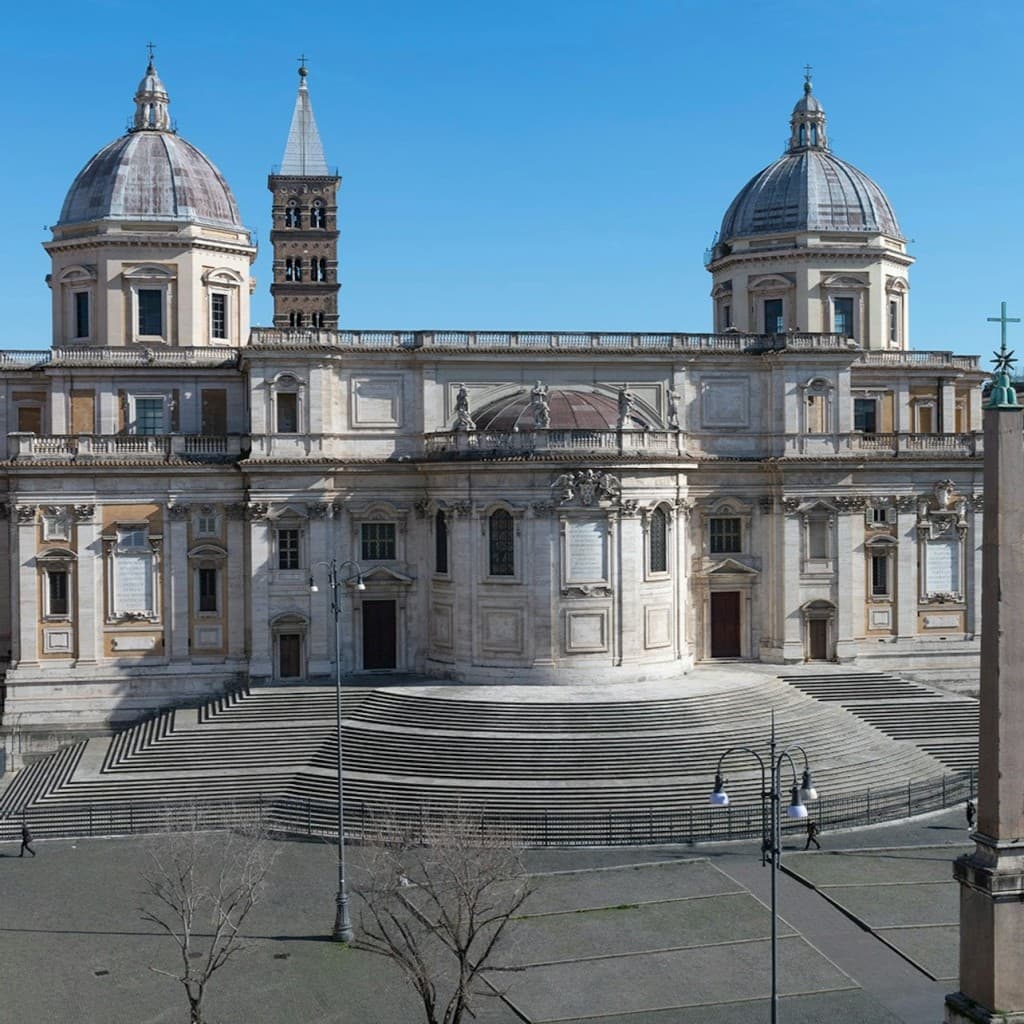
Basilica of Santa Maria Maggiore: Art and History Guided Tour
比较选项
| 选项 | 类型 | 摘要 | 时长 | 起价 | 预订 |
|---|---|---|---|---|---|
| Basilica of Santa Maria Maggiore: Priority Entry + Museum | 票 | 参观圣玛丽亚马焦雷教皇大教堂及其博物馆区。 探索罗马四大大教堂之一,步行穿过其教堂,并在祝福凉廊中看到雪花镶嵌的奇迹。 您还可以参观博物馆中的各种文物和物品,了解这座重要教堂的历史。 | 灵活 | €8.50 | 预订 |
| Basilica of Santa Maria Maggiore: Priority Entry Ticket + Audio Guide | 票 | 探索教皇圣玛丽大教堂( Papal Basilica of St. Mary Major ) ,语音导览带您了解大教堂丰富的历史。 探索教皇利贝里乌斯( Pope Liberius )梦寐以求的梦想,正是这个梦想促成了大教堂的建 欣赏大教... | 灵活 | €9.50 | 预订 |
| Basilica of Santa Maria Maggiore: Dome Entry Ticket | 票 | 参观圣玛丽亚马焦雷大教堂( Basilica of Santa Maria Maggiore )时,您会发现的不仅仅是圆顶;您还可以探索祝福凉廊( Blessing Loggia )、教皇厅和吉安·洛伦佐·贝尔尼尼( Gian Loren... | 灵活 | €12.50 | 预订 |
| Basilica of Santa Maria Maggiore: Underground Guided Tour | 票 | 准备好前往圣玛丽亚马焦雷大教堂( Basilica of Santa Maria Maggiore )的地下。 这个巨大的地下空间拥有独特的房间,围绕着宽敞的庭院而建。 导游将带您前往宝藏室和考古区,并有内部导游陪同。 您将看到用于热疗的... | 灵活 | €16.00 | 预订 |
| Basilica of Santa Maria Maggiore: Art and History Guided Tour | 票 | 与官方艺术和历史专家一起参观圣玛丽亚马焦雷教皇大教堂,并了解它的历史。 参观祝福凉廊( Loggia of Blessings )中的雪地马赛克奇迹,讲述大教堂成立背后的故事。 参观贝尔尼尼的楼梯,了解埋葬在那里的著名艺术家。 步行穿过教... | 灵活 | €16.50 | 预订 |
| Basilica of Santa Maria Maggiore: Guided Tour | 票 | 教皇的圣玛丽亚大教堂主宰了罗马城将近整整16个世纪的时间。在这个圣玛丽亚大教堂导游团中,当你在专家导游的带领下探索它的裂缝时,你将了解到它迷人的历史细节。 探索它是如何在教皇利比里乌斯做了一个生动的梦后建成的,在梦中,受祝福的圣母出现,并... | 灵活 | €19.50 | 预订 |
| Basilica of Santa Maria Maggiore: Skip The Line Ticket + Guided Tour | 票 | 加入罗马四个教皇大教堂之一的圣玛丽亚马焦雷大教堂之旅。 在专家的带领下,参观带有雪的奇迹马赛克的祝福凉廊,并沿着巴洛克式设计的贝尔尼尼楼梯走下去。 在里面,参观教皇大厅和博物馆,那里藏有礼仪用品、稀有手稿和世界上第一个艺术耶稣诞生场景。... | 灵活 | €36.80 | 预订 |
| Basilica of Santa Maria Maggiore, Colosseum & Marmertine Prision | 票 | 体验罗马,优先进入圣玛丽亚马焦雷大教堂( Basilica of Santa Maria Maggiore ) ,在那里您可以看到雪的奇迹马赛克,并探索大教堂的教堂和博物馆文物。 然后参观曾经关押过圣彼得和保罗的Mamertine监狱,最... | 灵活 | €41.00 | 预订 |
The Basilica of Santa Maria Maggiore stands as one of Rome's four major papal basilicas, an architectural and artistic jewel embodying centuries of Christian devotion. Dedicated to the Virgin Mary, it is the largest Catholic Marian church in Rome and a UNESCO World Heritage site. Visitors are invited to explore its magnificent interiors, a blend of early Christian, medieval, and Baroque styles. From its ancient mosaics depicting scenes from the Old Testament to the richly adorned chapels and the awe-inspiring apse, the Basilica offers a profound journey through art, history, and faith. It remains an active place of worship and a pivotal landmark in the Eternal City.
行程亮点
亮点
关于 Basilica of Santa Maria Maggiore
The Basilica of Santa Maria Maggiore, or Saint Mary Major, holds a unique position among Rome's grand churches, being the only one to have preserved its original early Christian structure, albeit with numerous subsequent additions. Founded in the 5th century, its grandeur reflects its importance as one of the most significant Marian shrines in the world. The basilica is famed for its stunning array of mosaics, particularly those adorning the nave, triumphal arch, and apse, which narrate biblical stories and glorify the Virgin Mary. Its interior also features a dazzling coffered ceiling, said to be gilded with the first gold brought from the Americas. Over the centuries, popes and noble families have commissioned various chapels and altars, each a masterpiece in its own right, showcasing the evolution of artistic and architectural styles. The basilica also houses significant relics, including the 'Sacred Cradle' or a portion of the manger from the Nativity, making it a revered pilgrimage site. Its enduring beauty and spiritual significance make it a must-visit destination for anyone exploring the rich heritage of Rome.
为什么要在线预订?
Booking your visit to the Basilica of Santa Maria Maggiore online offers several advantages, ensuring a smoother and more enriching experience. You can secure priority entry, allowing you to bypass potentially long queues, especially during peak seasons. Many online options also provide convenient features like audio guides or access to museum areas, enhancing your understanding of the basilica's vast history and art. Furthermore, guided tours, including specialized options like underground or art and history tours, can be easily arranged in advance, providing deeper insights from expert guides into this magnificent papal basilica.
历史
The history of the Basilica of Santa Maria Maggiore is steeped in legend and centuries of papal patronage. According to tradition, the Virgin Mary appeared in a dream to Pope Liberius and a Roman patrician, John, in the 4th century, instructing them to build a church on the Esquiline Hill where snow would fall in August. On the morning of August 5th, 358 AD, snow miraculously covered the designated spot, leading to the basilica's initial construction. The current edifice, however, largely dates from the 5th century, built under Pope Sixtus III following the Council of Ephesus (431 AD), which proclaimed Mary as Theotokos (God-bearer). Over the centuries, the basilica underwent numerous renovations and additions. Its iconic bell tower, the tallest in Rome, was added in the 14th century, while the Baroque facade was completed in the 18th century by Ferdinando Fuga. Despite these modifications, the basilica remarkably retains its original early Christian basilica plan, making it a unique testament to Rome's continuous religious and artistic heritage.
开放时间
The Basilica of Santa Maria Maggiore typically welcomes visitors daily throughout the year. General opening hours usually run from approximately 7:00 AM to 6:45 PM. However, it is important to note that access to certain areas, such as the museum, crypt, or dome, may have different or more restricted operating hours. As it is an active place of worship, hours may also be altered for religious services, special events, or holidays. It is advisable to allow sufficient time for your visit, especially if you plan to explore multiple sections.
最佳参观时间
The optimal time to visit the Basilica of Santa Maria Maggiore is early in the morning, shortly after opening, or later in the afternoon, closer to closing time. During these periods, the crowds tend to be smaller, allowing for a more serene experience and better opportunities to appreciate the intricate details of its art and architecture. Weekdays are generally less busy than weekends. Avoid midday if possible, especially during peak tourist season (spring and fall), when the basilica can be quite crowded. Visiting outside of major religious holidays can also enhance the tranquility of your experience.
内部看点
Inside the Basilica of Santa Maria Maggiore, visitors are greeted by an expanse of artistic and architectural wonders. The vast central nave is flanked by 36 Ionic columns, leading the eye towards the triumphal arch and apse, both adorned with spectacular 5th-century mosaics depicting scenes from the Old Testament and the life of the Virgin Mary. The gilded coffered ceiling, designed by Giuliano da Sangallo, is a Baroque marvel. Explore the opulent Borghese Chapel, also known as the Pauline Chapel, which houses the venerated icon of Salus Populi Romani, and the Sistine Chapel (not to be confused with the Vatican's chapel), containing the tomb of Pope Sixtus V. Descend to the Crypt of the Nativity beneath the high altar, where relics of the Holy Cradle are preserved. The basilica also boasts a beautiful campanile, the tallest in Rome, and a museum containing vestments, reliquaries, and other historical artifacts.
须知
When visiting the Basilica of Santa Maria Maggiore, plan to arrive with comfortable shoes as you will be doing a fair amount of walking. Consider purchasing tickets for any special access areas like the museum or crypt online in advance to save time. Photography is generally permitted in most public areas for personal use, but flash photography might be restricted. There are often facilities like restrooms available for visitors. Guided tours can significantly enhance your understanding of the basilica's rich history and intricate artworks. Remember that it is an active place of worship, so respectful behavior and appropriate dress are expected.
游客须知
As a sacred religious site, visitors to the Basilica of Santa Maria Maggiore are expected to observe certain rules. Please maintain silence or speak in hushed tones out of respect for worshipers. Eating, drinking, and smoking are strictly prohibited inside the basilica. Large bags and backpacks may need to be checked at a designated cloakroom. Photography for personal use is usually permitted, but the use of flash is often forbidden, and tripods are not allowed without special permission. Always follow the instructions of basilica staff and signage.
是否值得参观?
The Basilica of Santa Maria Maggiore is undeniably worth visiting for anyone exploring Rome. It offers a captivating blend of history, art, and spiritual significance that distinguishes it from other major Roman attractions. Its unparalleled ancient mosaics, magnificent architecture spanning centuries, and its status as a major papal basilica make it a cultural treasure. Whether you are drawn to its artistic masterpieces, its profound religious history, or simply wish to experience one of Rome's most sacred and beautiful churches, Santa Maria Maggiore provides an enriching and memorable experience that few other sites can rival.
常见问题
It is one of Rome's four major papal basilicas, the largest Catholic Marian church in Rome, and a UNESCO World Heritage site, famous for its ancient mosaics and rich history.
Entry to the main basilica is typically free, but there may be fees for specific areas like the museum, crypt, or for guided tours and audio guides.
Don't miss the 5th-century mosaics in the nave and triumphal arch, the golden coffered ceiling, the Borghese and Sistine Chapels, and the Crypt of the Nativity.
Photography for personal use is generally permitted in most areas, but flash photography is usually prohibited, and tripods are not allowed without specific authorization.
Most visitors spend approximately 1.5 to 2 hours exploring the basilica, including the main areas and some of its chapels and special exhibits.
While the main floor of the basilica is generally accessible, some older sections, chapels, or the Crypt of the Nativity may have stairs or limited accessibility. It is advisable to inquire upon arrival.
Yes, as an active church, the Basilica regularly holds masses and other religious services. Visitors are welcome to attend, but respectful behavior and dress are required.
如何到达
The Basilica of Santa Maria Maggiore is well-connected by Rome's public transport network. You can reach it via Metro Line A (Vittorio Emanuele or Termini stops) or Metro Line B (Termini stop), followed by a short walk. Numerous bus lines also stop nearby. Taxis and ride-sharing services offer direct access to the vicinity.