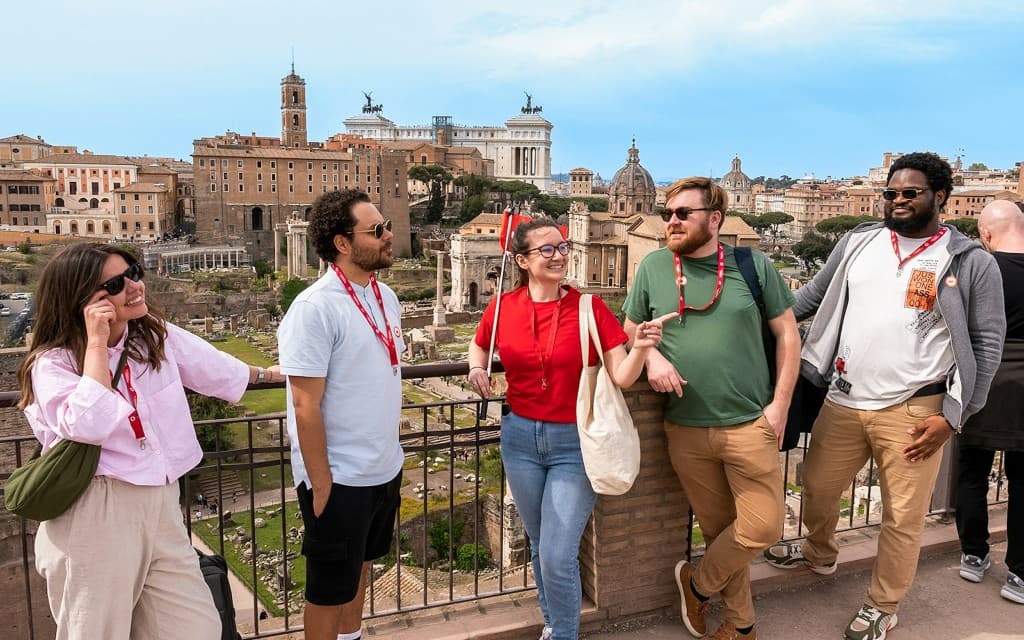
Colosseum, Palatine Hill & Roman Forum Guided Tour (Spanish Guided Tour)
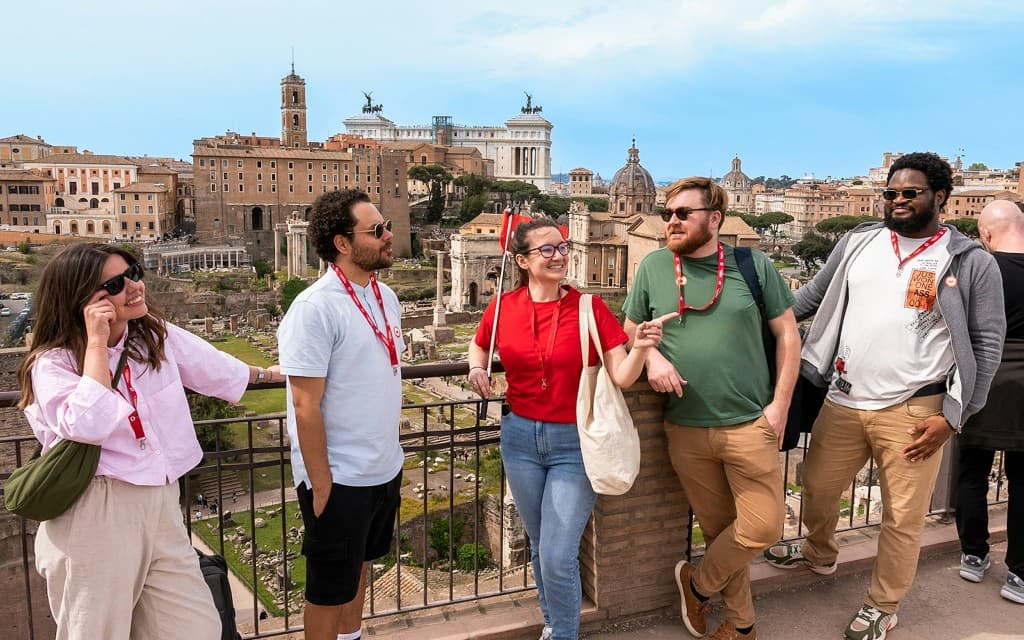
Colosseum, Palatine Hill & Roman Forum Guided Tour (French Guided Tour)
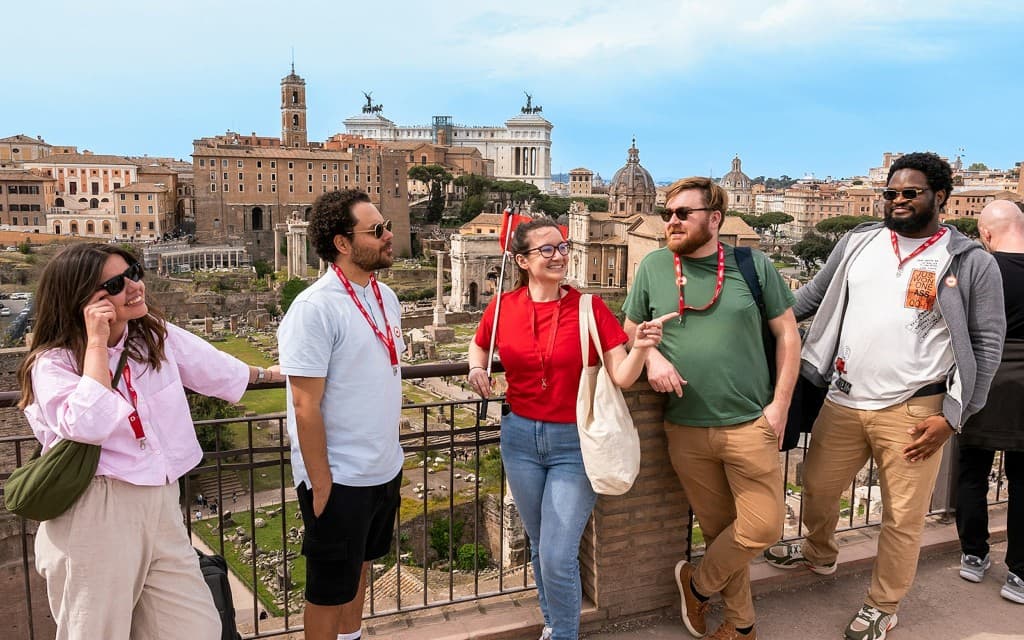
Colosseum, Palatine Hill & Roman Forum Guided Tour (German Guided Tour)
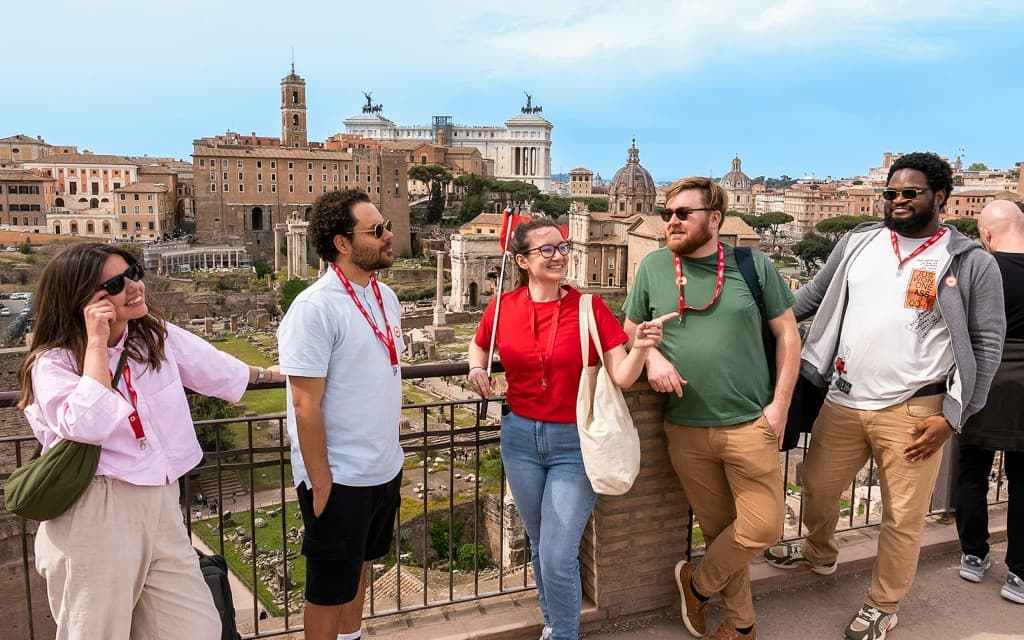
Colosseum, Palatine Hill & Roman Forum Guided Tour (Portuguese Guided Tour)
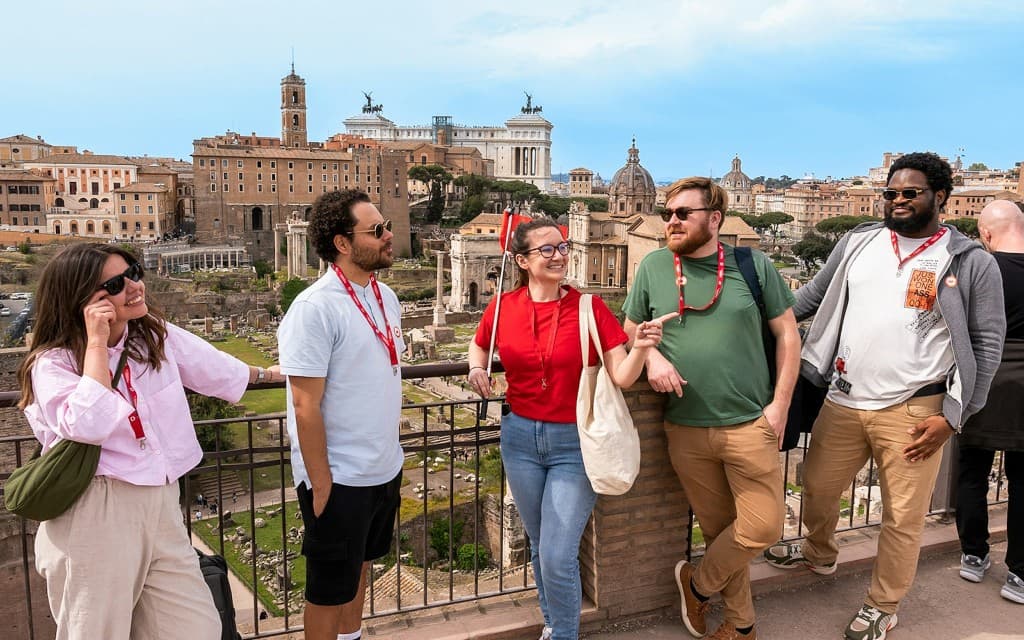
Colosseum, Palatine Hill & Roman Forum Guided Tour (Italian Guided Tour)

Colosseum, Palatine Hill & Roman Forum Guided Tour (English Small Group Tour)

Colosseum, Palatine Hill & Roman Forum Guided Tour (Italian Small Group Tour)

Colosseum, Palatine Hill & Roman Forum Guided Tour (French Small Group Tour)

Colosseum, Palatine Hill & Roman Forum Guided Tour (German Small Group Tour)

Colosseum, Palatine Hill & Roman Forum Guided Tour (Spanish Small Group Tour)
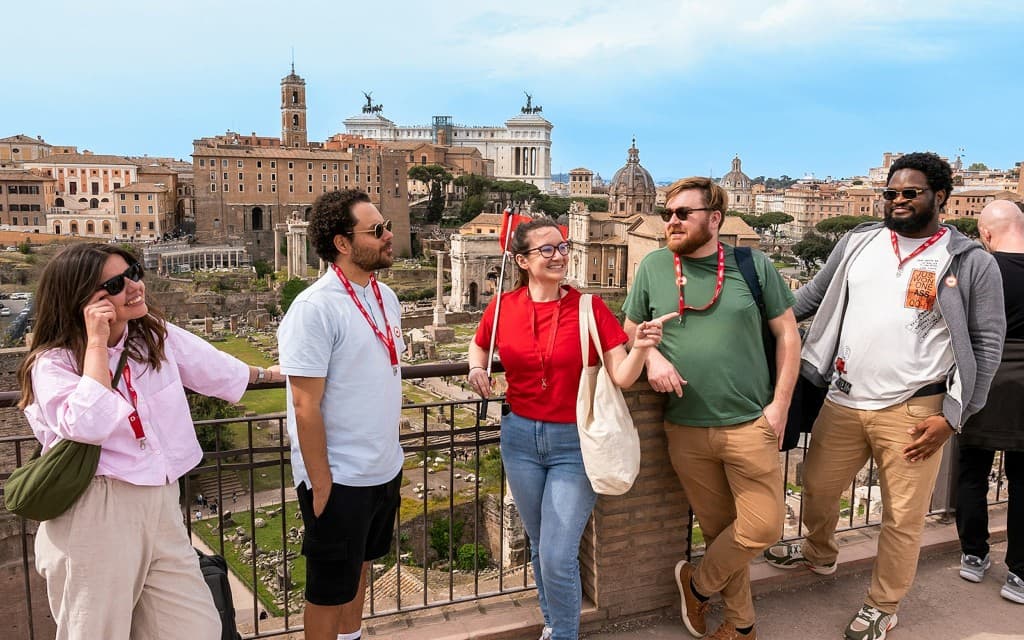
Colosseum, Palatine Hill & Roman Forum Guided Tour (Japanese Guided Tour)

Basilica of Santa Maria Maggiore, Colosseum & Marmertine Prision
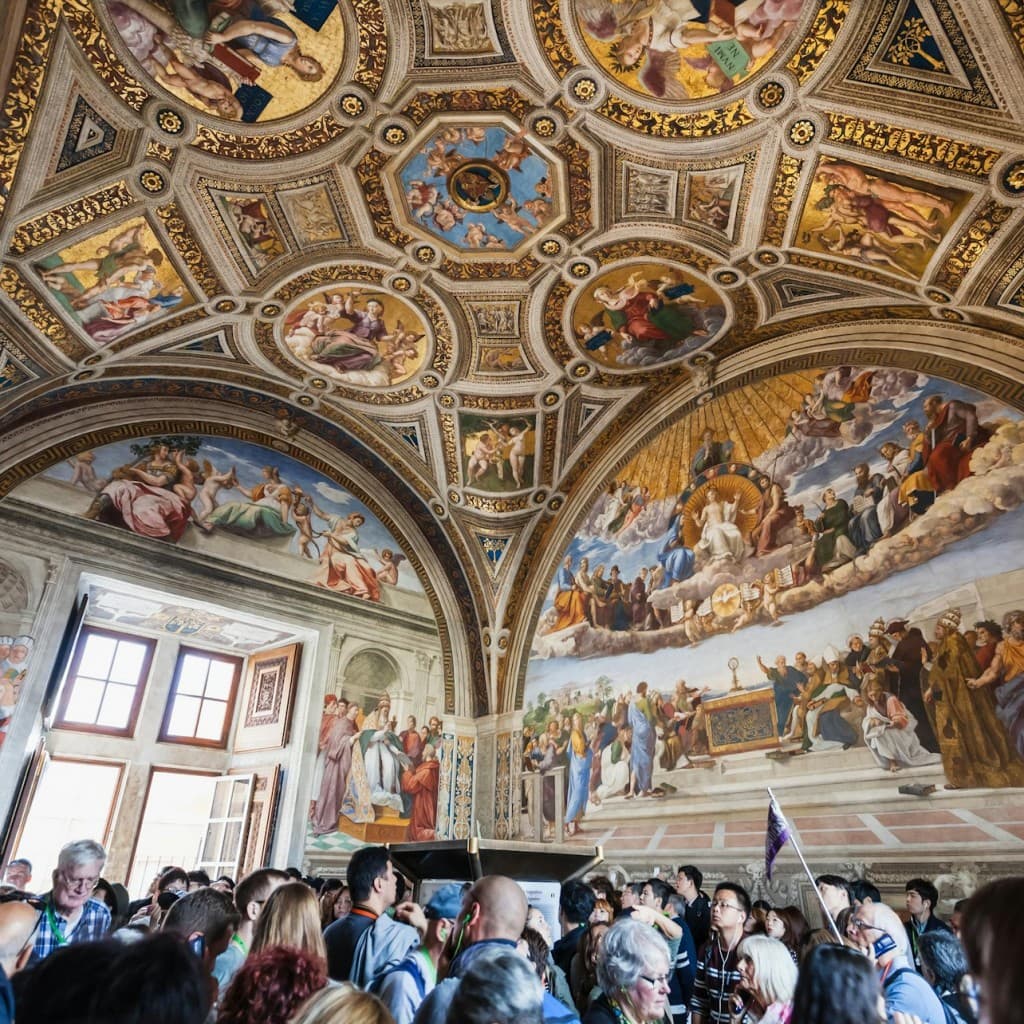
Omnia Smart: Vatican Museums, Colosseum & Lateran Palace

Colosseum: Professional Photoshoot
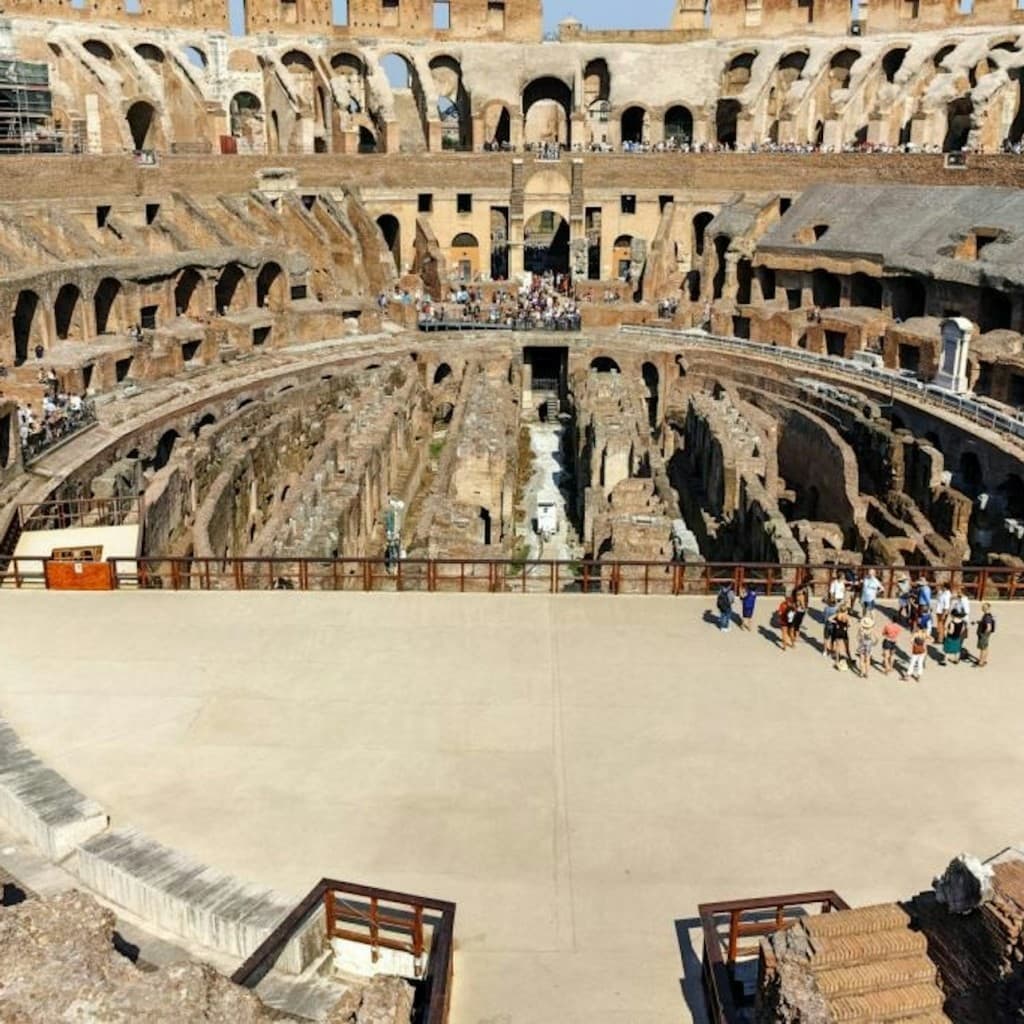
Colosseum, Arena, Roman Forum & Palatine Hill + Small Group Guided Tour

Rome: Sunset Pizza & Drinks Tour by the Colosseum

Fiumicino Airport Roundtrip + Colosseum + Vatican Museums + Rome Audio Guide

Rome Ciampino Airport Roundtrip + Colosseum + Vatican Museums + Rome Audio Guide

Colosseum, Palatine Hill & Roman Forum Access (Standard + Arena Access + Audio Guide)

Colosseum, Palatine Hill & Roman Forum Access (Standard Access + Audio Guide)

Colosseum, Palatine Hill & Roman Forum with Exclusive Arena Floor Guided Tour (English Guided Tour)

Colosseum, Palatine Hill & Roman Forum with Exclusive Arena Floor Guided Tour (French Guided Tour)

Colosseum, Palatine Hill & Roman Forum with Exclusive Arena Floor Guided Tour (Spanish Guided Tour)

Colosseum, Palatine Hill & Roman Forum with Exclusive Arena Floor Guided Tour (German Guided Tour)

Colosseum, Palatine Hill & Roman Forum with Exclusive Arena Floor Guided Tour (Small-Group English Guided Tour)

Colosseum, Palatine Hill & Roman Forum with Exclusive Arena Floor Guided Tour (Portuguese Guided tour)

Colosseum, Palatine Hill & Roman Forum with Exclusive Arena Floor Guided Tour (Small-Group Spanish Guided Tour)

Colosseum, Palatine Hill & Roman Forum with Exclusive Arena Floor Guided Tour (Small-Group French Guided Tour)

Colosseum, Palatine Hill & Roman Forum with Exclusive Arena Floor Guided Tour ( Exclusive Colosseum Arena Experience with Roman Forum & Palatine up to 7 Guests)

Colosseum, Roman Forum & Palatine Hill + Digital Audio Guide

Colosseum, Roman Forum, and Palatine Hill Ticket (Admission with Audio Guide + Coffee)

Colosseum, Roman Forum, and Palatine Hill Ticket (Hosted Admission with Audio Guide)

City Sightseeing Rome Hop-on Hop-off Bus Tour (City Sightseeing Rome Hop-on Hop-off Bus Tour (24 Hours) + Colosseum Ticket)

City Sightseeing Rome Hop-on Hop-off Bus Tour (City Sightseeing Rome Hop-on Hop-off Bus Tour (48 Hours) + Colosseum Ticket)
比较选项
| 选项 | 类型 | 摘要 | 时长 | 起价 | 预订 |
|---|---|---|---|---|---|
| Rome Ciampino Airport Roundtrip + Colosseum + Vatican Museums + Rome Audio Guide | 票 | 通过包括快速机场接送、历史遗迹预留入口和全面的语音导览在内的无缝套餐,前所未有地体验罗马。 从钱皮诺机场( Ciampino Airport )轻松享受往返交通,深入了解罗马斗兽场和梵蒂冈博物馆的悠久历史,并使用数字语音导览以自己的节奏探... | 灵活 | €34.50 | 预订 |
| Colosseum, Palatine Hill & Roman Forum Access (Standard Access + Audio Guide) | Attractions | Head to the Colosseum, Roman Forum, and Palatine Hill to immerse in Ancient Rome's wonders with an optional audio guide. | 4小时 | €37.82 | 预订 |
| Colosseum, Roman Forum & Palatine Hill + Digital Audio Guide | Attractions | 漫步古罗马地标,包括斗兽场、古罗马广场和帕拉蒂尼山。 在探索的过程中,使用可下载的音频指南了解过去。 参观斗兽场,那里曾经是角斗士战斗的地方。 步行穿过古罗马广场( Roman Forum ) ,那里矗立着古老的寺庙和政 接下来,攀登帕拉... | 4小时 | €38.56 | 预订 |
| Colosseum, Palatine Hill & Roman Forum Access (Standard + Arena Access + Audio Guide) | Attractions | Head to the Colosseum, Roman Forum, and Palatine Hill to immerse in Ancient Rome's wonders with an optional audio guide. | 4小时 | €38.71 | 预订 |
| Basilica of Santa Maria Maggiore, Colosseum & Marmertine Prision | 票 | 体验罗马,优先进入圣玛丽亚马焦雷大教堂( Basilica of Santa Maria Maggiore ) ,在那里您可以看到雪的奇迹马赛克,并探索大教堂的教堂和博物馆文物。 然后参观曾经关押过圣彼得和保罗的Mamertine监狱,最... | 灵活 | €41.00 | 预订 |
| Colosseum: Professional Photoshoot | 票 | 在罗马斗兽场外预约专业摄影师的摄影服务。 在指定地点集合,跟随摄影师的专业知识,他们将为您拍摄照片并永久保存。 在48小时内以数字方式接收编辑后的照片,并直接发送至手机或电子邮箱。 无论是独自一人还是与同伴一起,摄影师都能确保您在每次拍摄... | 灵活 | €49.63 | 预订 |
| Colosseum, Palatine Hill & Roman Forum Guided Tour (Spanish Guided Tour) | Tours | Discover the Colosseum, Palatine Hill, and Roman Forum with an expert guide. Pick between an early morning slot or a sm... | 2小时 30分钟 | €51.02 | 预订 |
| Colosseum, Palatine Hill & Roman Forum Guided Tour (French Guided Tour) | Tours | Discover the Colosseum, Palatine Hill, and Roman Forum with an expert guide. Pick between an early morning slot or a sm... | 2小时 30分钟 | €51.02 | 预订 |
| Colosseum, Palatine Hill & Roman Forum Guided Tour (German Guided Tour) | Tours | Discover the Colosseum, Palatine Hill, and Roman Forum with an expert guide. Pick between an early morning slot or a sm... | 2小时 30分钟 | €51.02 | 预订 |
| Colosseum, Palatine Hill & Roman Forum Guided Tour (Portuguese Guided Tour) | Tours | Discover the Colosseum, Palatine Hill, and Roman Forum with an expert guide. Pick between an early morning slot or a sm... | 2小时 30分钟 | €51.02 | 预订 |
| Colosseum, Palatine Hill & Roman Forum Guided Tour (Italian Guided Tour) | Tours | Discover the Colosseum, Palatine Hill, and Roman Forum with an expert guide. Pick between an early morning slot or a sm... | 3小时 | €51.02 | 预订 |
| Colosseum, Roman Forum, and Palatine Hill Ticket (Admission with Audio Guide + Coffee) | Attractions | 凭此门票可参观古罗马斗兽场、罗马广场及帕拉蒂尼山,配备多语种语音讲解,助您按照自己的节奏探索罗马历史。预定还包含集合点欢迎咖啡。 | 3小时 | €51.38 | 预订 |
| Colosseum, Palatine Hill & Roman Forum Guided Tour (Japanese Guided Tour) | Tours | Discover the Colosseum, Palatine Hill, and Roman Forum with an expert guide. Pick between an early morning slot or a sm... | 2小时 30分钟 | €56.60 | 预订 |
| Colosseum, Roman Forum, and Palatine Hill Ticket (Hosted Admission with Audio Guide) | Attractions | 凭此门票可参观古罗马斗兽场、罗马广场及帕拉蒂尼山,配备多语种语音讲解,深入了解罗马历史。入场时有英语工作人员陪同进入斗兽场,边参观边收听语音导览。预定还包含集合点欢迎咖啡。 | 3小时 | €60.09 | 预订 |
| Colosseum, Palatine Hill & Roman Forum with Exclusive Arena Floor Guided Tour (German Guided Tour) | Tours | Glimpse the Roman Empire as you tour the Colosseum, its fighting pit, Roman Forum, and Palatine Hill with a guide and p... | 2小时 30分钟 | €60.60 | 预订 |
| Colosseum, Palatine Hill & Roman Forum Guided Tour (French Small Group Tour) | Tours | Discover the Colosseum, Palatine Hill, and Roman Forum with an expert guide. Pick between an early morning slot or a sm... | 3小时 | €60.86 | 预订 |
| Colosseum, Palatine Hill & Roman Forum Guided Tour (Spanish Small Group Tour) | Tours | Discover the Colosseum, Palatine Hill, and Roman Forum with an expert guide. Pick between an early morning slot or a sm... | 3小时 | €65.21 | 预订 |
| Colosseum, Arena, Roman Forum & Palatine Hill + Small Group Guided Tour | 票 | 在罗马斗兽场外与知识渊博的导游见面,开始您的旅程。 探索已成为罗马标志性象征的遗址。 了解罗马斗兽场的历史,聆听角斗士、奴隶和野生动物的故事。 特别进入通常不对公众开放的区域。 每组仅限20人。 走上角斗士曾经战斗过的被称为“血沙”的竞技... | 灵活 | €71.21 | 预订 |
| City Sightseeing Rome Hop-on Hop-off Bus Tour (City Sightseeing Rome Hop-on Hop-off Bus Tour (24 Hours) + Colosseum Ticket) | Activity | 在您所选的时间段参观斗兽场(Colosseum),同时还可进入罗马广场(Roman Forum)和帕拉蒂尼山(Palatine Hill)。随后可乘坐24小时随上随下双层巴士,搭配多语言语音讲解,继续探索罗马的永恒魅力。 | 24小时 | €75.99 | 预订 |
| Colosseum, Palatine Hill & Roman Forum Guided Tour (English Small Group Tour) | Tours | Discover the Colosseum, Palatine Hill, and Roman Forum with an expert guide. Pick between an early morning slot or a sm... | 2小时 30分钟 | €78.50 | 预订 |
| Colosseum, Palatine Hill & Roman Forum Guided Tour (German Small Group Tour) | Tours | Discover the Colosseum, Palatine Hill, and Roman Forum with an expert guide. Pick between an early morning slot or a sm... | 3小时 | €79.38 | 预订 |
| Colosseum, Palatine Hill & Roman Forum with Exclusive Arena Floor Guided Tour (French Guided Tour) | Tours | Glimpse the Roman Empire as you tour the Colosseum, its fighting pit, Roman Forum, and Palatine Hill with a guide and p... | 2小时 30分钟 | €80.23 | 预订 |
| Colosseum, Palatine Hill & Roman Forum with Exclusive Arena Floor Guided Tour (Spanish Guided Tour) | Tours | Glimpse the Roman Empire as you tour the Colosseum, its fighting pit, Roman Forum, and Palatine Hill with a guide and p... | 2小时 30分钟 | €80.23 | 预订 |
| Colosseum, Palatine Hill & Roman Forum with Exclusive Arena Floor Guided Tour (Portuguese Guided tour) | Tours | Glimpse the Roman Empire as you tour the Colosseum, its fighting pit, Roman Forum, and Palatine Hill with a guide and p... | 2小时 30分钟 | €80.23 | 预订 |
| Fiumicino Airport Roundtrip + Colosseum + Vatican Museums + Rome Audio Guide | 票 | 使用此套餐享受罗马精选景点! 从菲乌米奇诺机场( Fiumicino Airport )到罗马特米尼火车站( Rome Termini Railway Station ) , 50分钟内即可顺利开始您的旅程–提供免费无线网络和行李。 按照... | 灵活 | €82.00 | 预订 |
| City Sightseeing Rome Hop-on Hop-off Bus Tour (City Sightseeing Rome Hop-on Hop-off Bus Tour (48 Hours) + Colosseum Ticket) | Activity | 在您所选的时间段参观斗兽场(Colosseum),同时还可进入罗马广场(Roman Forum)和帕拉蒂尼山(Palatine Hill)。随后可乘坐48小时随上随下双层巴士,搭配多语言语音讲解,继续探索罗马的永恒魅力。 | 48小时 | €82.59 | 预订 |
| Colosseum, Palatine Hill & Roman Forum with Exclusive Arena Floor Guided Tour (English Guided Tour) | Tours | Glimpse the Roman Empire as you tour the Colosseum, its fighting pit, Roman Forum, and Palatine Hill with a guide and p... | 2小时 30分钟 | €87.31 | 预订 |
| Colosseum, Palatine Hill & Roman Forum with Exclusive Arena Floor Guided Tour (Small-Group Spanish Guided Tour) | Tours | Glimpse the Roman Empire as you tour the Colosseum, its fighting pit, Roman Forum, and Palatine Hill with a guide and p... | 2小时 30分钟 | €87.31 | 预订 |
| Colosseum, Palatine Hill & Roman Forum with Exclusive Arena Floor Guided Tour (Small-Group French Guided Tour) | Tours | Glimpse the Roman Empire as you tour the Colosseum, its fighting pit, Roman Forum, and Palatine Hill with a guide and p... | 3小时 | €87.31 | 预订 |
| Rome: Sunset Pizza & Drinks Tour by the Colosseum | 票 | 参加蒙蒂“里奥内”之旅,参观罗马充满活力的市中心。 这个街区位于罗马斗兽场的一块鹅卵石上,迷人的迷宫街道和风景如画的广场吸引着当地人享受“甜蜜生活”的生活方式。 此行程将为您带来不可抗拒的体验,品尝至少八种美味的比萨饼。 从永恒的玛格丽塔... | 灵活 | €88.20 | 预订 |
| Colosseum, Palatine Hill & Roman Forum Guided Tour (Italian Small Group Tour) | Tours | Discover the Colosseum, Palatine Hill, and Roman Forum with an expert guide. Pick between an early morning slot or a sm... | 3小时 | €114.66 | 预订 |
| Colosseum, Palatine Hill & Roman Forum with Exclusive Arena Floor Guided Tour (Small-Group English Guided Tour) | Tours | Glimpse the Roman Empire as you tour the Colosseum, its fighting pit, Roman Forum, and Palatine Hill with a guide and p... | 2小时 30分钟 | €122.76 | 预订 |
| Colosseum, Palatine Hill & Roman Forum with Exclusive Arena Floor Guided Tour ( Exclusive Colosseum Arena Experience with Roman Forum & Palatine up to 7 Guests) | Tours | Glimpse the Roman Empire as you tour the Colosseum, its fighting pit, Roman Forum, and Palatine Hill with a guide and p... | 2小时 30分钟 | €122.76 | 预订 |
| Omnia Smart: Vatican Museums, Colosseum & Lateran Palace | 票 | 使用Omnia Smart解锁罗马,您的虚拟钥匙提供长达12个月的灵活性。 这张数字代金券以二维码的形式存储在您的智能手机上,方便您前往热门城市景点,包括梵蒂冈博物馆和西斯廷教堂、带语音导览的马梅尔廷监狱、罗马斗兽场、古罗马广场和帕拉蒂尼... | 灵活 | €136.64 | 预订 |
The Colosseum, an iconic symbol of ancient Rome, stands as a testament to the grandeur and engineering prowess of the Roman Empire. Located in the heart of Rome, this ancient amphitheater once hosted gladiatorial contests and public spectacles, drawing crowds from all corners of the empire.
Today, it is one of the most popular tourist destinations in the world, attracting almost 15 million visitors each year who come to marvel at its imposing structure and imagine the events that unfolded within its walls. Walking through the Colosseum is an immersive experience, allowing you to connect with the past and feel the pulse of ancient Rome. Prepare to be transported back in time as you explore this remarkable monument.
亮点
关于 Colosseum
The Roman Colosseum, originally known as the Flavian Amphitheater, was commissioned by Emperor Vespasian of the Flavian dynasty around 70-72 AD and was completed by his son, Emperor Titus, in 80 AD. It was primarily used for gladiatorial contests, public executions, animal hunts, and mock sea battles. The structure was capable of accommodating an estimated 50,000 to 80,000 spectators, who were seated according to social rank.
The Colosseum's design incorporates a complex system of vaults, arches, and stairways that allowed for efficient crowd management. The arena floor was covered in sand to absorb blood, and beneath it lay a network of tunnels and cages where gladiators and animals were held before their performances. Over the centuries, the Colosseum has suffered damage from earthquakes, fires, and vandalism, but it remains an enduring symbol of Roman power and architectural achievement.
为什么要在线预订?
Booking your Colosseum entry online is the most reliable way to plan your visit and avoid long queues at the entrance. Advance reservations secure a timed entry and help you choose the experience that fits your interests, whether that includes access to the arena floor or a guided underground visit beneath the amphitheater.
Colosseum admissions typically include access to the Roman Forum and Palatine Hill within a 24-hour window, allowing you to explore the broader heart of ancient Rome. On our website, you can compare verified entry options, guided tours, and combo access to make the most of your visit.
历史
The Colosseum in Rome, originally known as the Flavian Amphitheater, was commissioned by Emperor Vespasian around 70-72 AD after the reign of Emperor Nero. Construction was completed by his son, Emperor Titus, in 80 AD. The amphitheater was built on the site of Nero's former palace, the Domus Aurea, as a gift to the Roman people. The Roman Colosseum was used for gladiatorial contests, public executions, animal hunts, and mock sea battles. The inaugural games, held by Emperor Titus in 80 AD, lasted for 100 days and featured thousands of gladiators and animals.
Over the centuries, the Colosseum underwent several renovations and modifications, including the addition of an underground complex (hypogeum) and a system of retractable awnings (velarium) to provide shade for spectators. Gladiatorial contests were banned in the 5th century AD, and the Colosseum was later used for other purposes, such as housing, workshops, and a Christian shrine. Earthquakes and stone-robbing also contributed to the Colosseum's decline. In modern times, restoration efforts have helped to preserve this iconic landmark for future generations.
开放时间
The Colosseum follows seasonal opening hours:
- From 30 March to 30 September, the Colosseum is open from 8:30 AM to 7:15 PM.
- From 1 October to 25 October, opening hours are from 8:30 AM to 6:30 PM.
- Last entry: one hour before closing.
- Closing days: The Colosseum is closed on December 25 and January 1.
Access to the Roman Forum and Palatine Hill is typically from 9:00 AM to 4:30 PM, though hours may vary slightly by season and daylight.
最佳参观时间
The best time to visit the Colosseum is early in the morning or late afternoong, when crowds are lighter and the experience feels less rushed. Morning visits offer cooler temperatures and softer light inside the arena, while late afternoon and early evening can be calmer as tour groups thin out.
Mondays and Tuesdays are usually less busy than the rest of the week, while weekends tend to be the most crowded. Seasonally, summer brings a lively atmosphere but heavier crowds, while winter months are generally quieter and more comfortable for sightseeing.
内部看点
Inside the Colosseum, you can explore several key areas that bring its history to life.
- Standing on the partially reconstructed arena floor gives a direct sense of where gladiators once fought and public spectacles unfolded.
- Below, the underground hypogeum reveals the hidden mechanics of the arena: narrow corridors, lifts, and holding chambers that powered the events above.
- From the upper levels, the full size of the amphitheater becomes clear, with sweeping views over the seating tiers and the structure that once held tens of thousands of spectators.
- Throughout the Colosseum, the on-site museum and exhibition areas present artifacts, models, and interpretive displays that explain its construction, daily operation, and long history, helping visitors place what they see into clear historical context.
须知
Before visiting the Colosseum, keep the following in mind:
- Entry is time-specific: Access to the Colosseum is scheduled for a fixed time, and late arrivals may not be admitted during busy periods.
- Access levels differ: Some visits include the arena floor or the underground, while others cover the main levels only. These areas are not part of every visit.
- Security checks are required: All visitors pass through security screening, which can add waiting time at peak hours.
- Arena and underground access is limited: Entry to the reconstructed arena floor and the underground is capped daily and often fills up well in advance, especially in peak season.
- Underground visits are guided only: The Colosseum Underground can only be explored as part of a small-group guided experience to protect the site. Availability is limited.
- Combined access: Colosseum entries typically include access to the Roman Forum and Palatine Hill, usually within a 24-hour window.
- Free entry days have restrictions: On the first Sunday of the month, entry is free but extremely crowded, and restricted areas such as the arena floor and underground are not accessible.
- Expect uneven terrain: Stone steps, slopes, and ancient surfaces make sturdy footwear important.
- Limited shade in summer: Much of the site is exposed, especially in the Roman Forum and Palatine Hill.
- Accessibility is partial: Elevators provide access to some levels, but certain areas, including parts of the arena and underground, are not wheelchair accessible.
- Allow enough time: Visiting the Colosseum together with the Roman Forum and Palatine Hill often takes several hours.
游客须知
- Follow the designated visitor routes and staff instructions at all times.
- Do not touch, climb on, or remove or deface the ancient stones.
- Food and drinks are not allowed inside the monument.
- Large bags, backpacks, suitcases, and bulky items are not permitted.
- Personal photography is allowed; tripods, drones, and professional equipment are not permitted
- Pets are not allowed inside the Colosseum, except registered guide dogs.
- Smoking is prohibited throughout the site.
是否值得参观?
Visiting the Roman Colosseum is an awe-inspiring experience that transports you back to the heart of ancient Rome. Standing within its walls, you can almost hear the roar of the crowds and the clash of gladiators' swords. The sheer scale and architectural grandeur of the amphitheater are truly remarkable. Whether you're a history enthusiast or simply a curious traveler, the Colosseum offers a unique glimpse into the past. Walking through the ancient arena evokes a sense of wonder and reverence, making it an unforgettable highlight of any trip to Rome. The Colosseum is more than just a historical site; it's a symbol of human achievement and the enduring legacy of the Roman Empire.
常见问题
Access to the Colosseum can be arranged online in advance. On our website, you can compare authorized Colosseum entry options, check availability by date and time, and choose the option that best fits your visit to Rome.
Colosseum entry is available online or at the official on-site counters. Using our website allows you to review verified Colosseum access options in advance, benefit from potential online deals, and plan your visit more efficiently.
Yes, visiting the Colosseum requires valid admission. Booking Colosseum entry through our website helps you arrange access ahead of time and avoid uncertainty on the day of your visit, especially during peak periods.
The cost of Colosseum entry depends on the type of access and included areas. On our website, you can see current Colosseum prices, compare available options, and understand what is included before making a choice.
The best Colosseum option depends on how much time you have and which areas you would like to explore. Our website highlights the most popular and best-value Colosseum entry options to help you choose confidently.
The average visit duration is between 1.5 to 3 hours, depending on your level of interest.
There is no specific dress code, but it is recommended to dress respectfully and wear comfortable shoes.
The Colosseum was primarily used for gladiatorial contests, public executions, animal hunts, and mock sea battles.
如何到达
The Colosseum is in central Rome, right next to the Roman Forum and Palatine Hill. Getting to the Colosseum is therefore easy with public transportation:
By metro:
- Line B – Colosseo station (right by the monument)
- Line C – Colosseo–Fori Imperiali station (new stop near the Colosseum area)
By bus:
- Several lines stop nearby, including 51, 75, 85, 87, and 118.
By tram:
- Tram line 3 stops within walking distance.
On foot:
- An easy walk from Monti, Piazza Venezia, and the Roman Forum area.