

包含项目
- 门票
- 实时向导
- 导览游
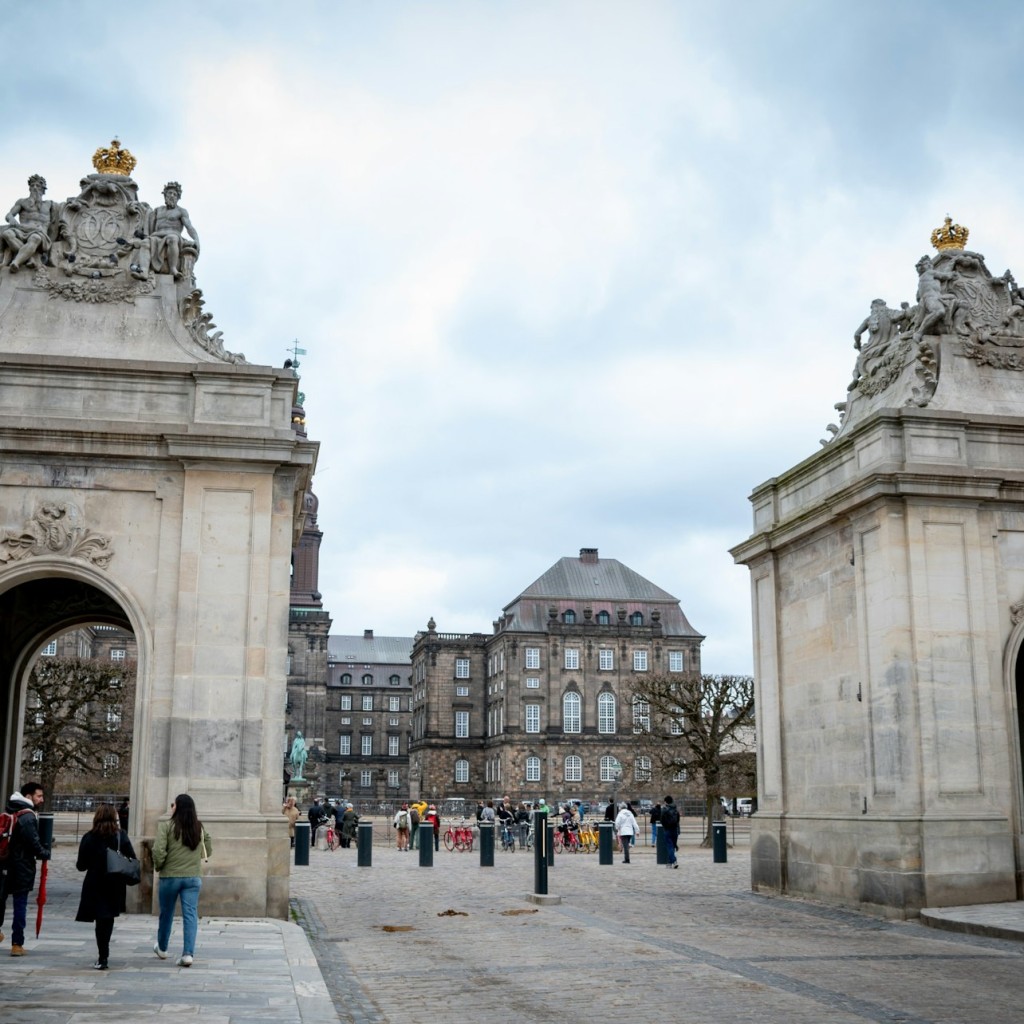
Explore captivating images of Christiansborg Palace, showcasing its grand architecture, opulent interiors, and historical treasures.
Explore Christiansborg Palace, a grand edifice in the heart of Copenhagen, which uniquely serves as the seat of the Danish Parliament (Folketinget), the Supreme Court, and the Ministry of State. This historic complex offers an unparalleled glimpse into Denmark's rich past and vibrant present, where royal traditions meet modern governance. Visitors can delve into magnificent royal reception rooms, the Royal Stables, the Royal Kitchen, and the ruins beneath the palace, each narrating a chapter of Danish history. Discover centuries of heritage, from its origins as a medieval castle to its current role as a functioning palace and governmental center. It's an essential visit for anyone interested in Danish culture, history, and politics.
There is no strict dress code for visiting Christiansborg Palace for general admission. However, as it is a place of historical significance and active government, smart casual attire is generally recommended. Comfortable shoes are advisable, as you will be doing a fair amount of walking, especially if exploring multiple sections of the palace and the underground ruins. For any special events or formal tours, a more formal dress code might be implied or specified, but this is not applicable for regular tourist visits.
Christiansborg Palace stands on the small island of Slotsholmen in central Copenhagen, a site that has been the center of power in Denmark for over 800 years. The current palace, completed in 1928, is the latest in a series of magnificent buildings that have occupied this historically significant location. While parts of the palace are still used by the Danish royal family for official functions, it primarily houses the three supreme powers of Denmark: the executive (the Prime Minister's Office), the legislative (the Parliament), and the judiciary (the Supreme Court). This unique blend of royal and political functions makes Christiansborg a living monument to Danish democracy and monarchy. Visitors can wander through the lavish Royal Reception Rooms, witness the grandeur of the Great Hall with its impressive tapestries, explore the Royal Stables, and even descend into the atmospheric ruins of earlier castles that lie beneath the modern structure. The palace offers a comprehensive journey through Danish history, art, and governance, making it a cornerstone of any visit to Copenhagen.
Booking your Christiansborg Palace tickets online offers convenience and can help you save time upon arrival. Pre-purchasing ensures your entry, especially during peak seasons when availability might be limited. Online tickets often provide flexibility with different entry times or combinations with other experiences, such as a Self-Guided Murder Mystery Experience. Having your tickets ready beforehand allows for a smoother start to your visit, letting you focus on immersing yourself in the palace's rich history and grand architecture without delay.
The history of Christiansborg Palace dates back to the 12th century when Bishop Absalon built a fortress on Slotsholmen in 1167. This original Copenhagen Castle underwent numerous transformations and expansions over the centuries, serving as the royal residence and administrative center of Denmark. In 1731, King Christian VI decided to demolish the old castle to construct a grand new Baroque palace, which became the first Christiansborg Palace. This magnificent structure, however, was tragically destroyed by a great fire in 1794. A second Christiansborg Palace was built between 1803 and 1828 in a Neoclassical style, but fate intervened again when another devastating fire consumed much of it in 1884. The current and third Christiansborg Palace, designed by architect Thorvald Jørgensen, was constructed between 1907 and 1928. It incorporates elements from previous palaces and functions as the unique seat of Denmark's legislative, executive, and judicial powers, while also retaining areas for royal use, particularly the Royal Reception Rooms for state events.
The opening hours for Christiansborg Palace can vary depending on the specific areas you wish to visit, such as the Royal Reception Rooms, the Royal Stables, the Royal Kitchen, and the Ruins. Generally, the palace is open Tuesday to Sunday, with specific closing days and hours subject to change, especially during royal events or public holidays. It is advisable to consider visiting earlier in the day to fully explore all sections. Some areas might have specific guided tour slots. It is best to allocate sufficient time to experience each part of this extensive historical site.
The optimal time to visit Christiansborg Palace is during the shoulder seasons of spring (April-May) or autumn (September-October). During these months, the weather is often pleasant, and the crowds are generally smaller compared to the peak summer months. Visiting on a weekday, especially in the morning shortly after opening, can also help you avoid larger groups and enjoy a more tranquil experience. Weekends and public holidays typically attract more visitors. Checking the schedule for any special events or parliamentary sessions before your visit can also be beneficial, as certain areas might be closed or have restricted access.
Inside Christiansborg Palace, visitors can explore a diverse array of attractions. The Royal Reception Rooms are a highlight, featuring lavish interiors, exquisite artworks, and the impressive Great Hall adorned with Queen Margrethe II's tapestries depicting 1,000 years of Danish history. The Royal Stables house the beautiful white horses used for royal processions, alongside historic carriages. The Royal Kitchen offers a glimpse into how meals were prepared for grand royal banquets. Beneath the palace, the ancient ruins of Copenhagen Castle and the first Christiansborg Palace tell a fascinating story of the site's long past, showcasing remnants of fortifications and structures from centuries ago. Additionally, depending on the ticket, one might visit the Parliament (Folketinget) chambers and the Supreme Court.
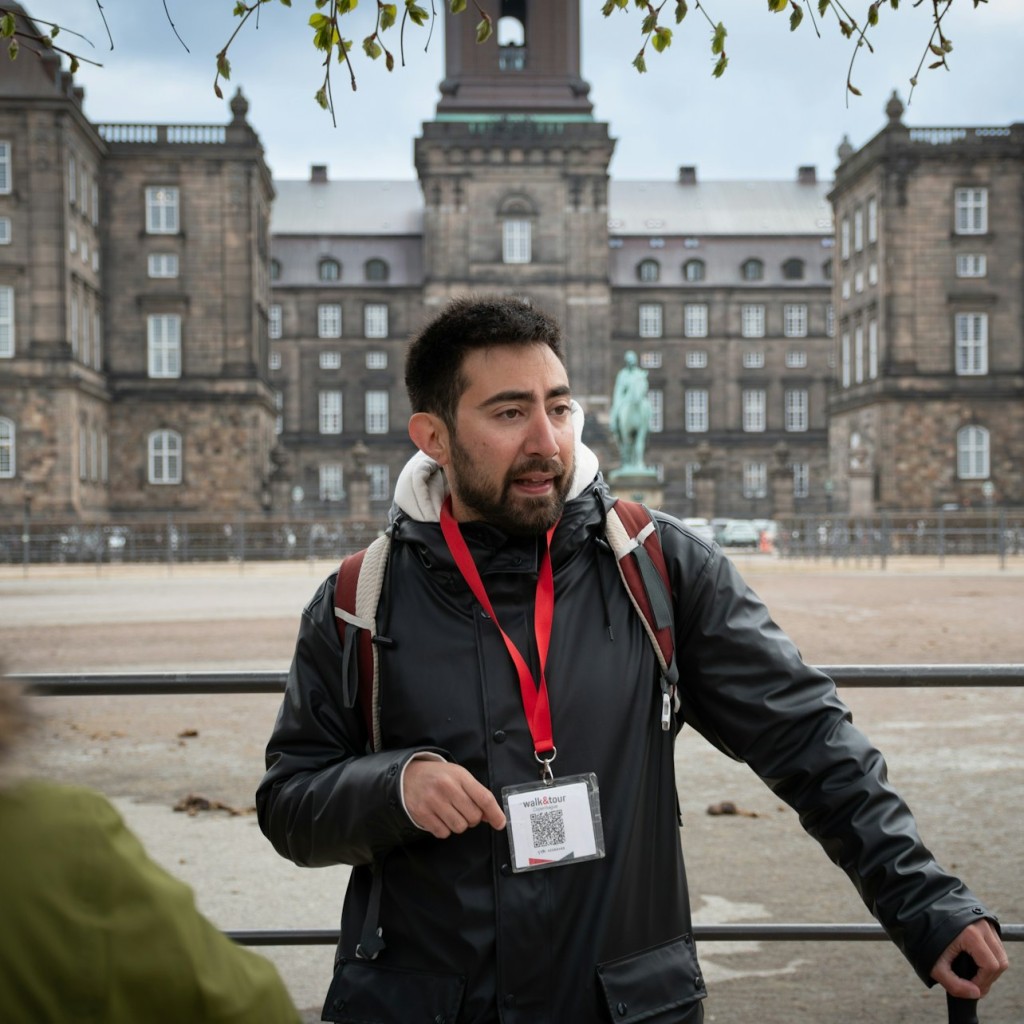
Visitors should be aware that Christiansborg Palace houses active government institutions, meaning certain areas might be closed or have restricted access on short notice due to official functions. There are multiple ticket options available, often allowing access to different parts of the palace such as the Royal Reception Rooms, the Royal Stables, the Royal Kitchen, and the Ruins. Consider purchasing a combined ticket if you wish to see multiple attractions. Photography is generally permitted in most public areas, but specific rules may apply in certain rooms or during official events. Lifts and accessible routes are available for most parts of the palace, ensuring accessibility for all visitors. Guided tours are often available and can enhance your understanding of the palace's history and significance.
To ensure the preservation of the palace and a pleasant experience for all, visitors are requested to follow certain rules. Large bags and backpacks may need to be stored in lockers. Food and drinks are typically not allowed inside the exhibition areas. Smoking is prohibited throughout the premises. Flash photography might be restricted in certain sensitive areas. Visitors are asked to respect designated barriers and signs, and to refrain from touching exhibits. Keep noise levels to a minimum, especially in areas where parliamentary or court proceedings might be underway. Always follow instructions from palace staff for your safety and the security of the site.
Christiansborg Palace is undeniably worth visiting for its unique blend of Danish royal history, political importance, and architectural grandeur. It offers a rare opportunity to explore a working palace that simultaneously houses all three branches of government. From the opulent Royal Reception Rooms and the historic Royal Stables to the fascinating underground ruins, the palace provides a comprehensive narrative of Denmark's past and present. It's an enriching experience for history enthusiasts, culture seekers, and anyone curious about the inner workings of a modern constitutional monarchy. The various attractions ensure there's something to captivate every visitor.
Christiansborg Palace is unique in that it houses Denmark's three supreme powers: the Folketing (Parliament), the Supreme Court, and the Prime Minister's Office. It also contains areas used by the Royal Family for official functions.
Yes, it is possible to visit the Folketinget. Access details can vary, often involving specific tours or opening times outside of parliamentary sessions.
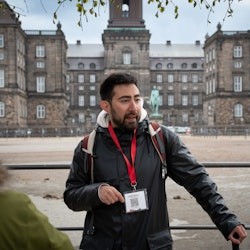
Yes, Christiansborg Palace offers guided tours for various sections, providing deeper insights into its history, architecture, and functions. Specific tour availability can vary by season or day.
Most areas of Christiansborg Palace are accessible, with lifts and ramps available to facilitate access for visitors with mobility challenges. Specific information on accessibility for different sections can be found on-site or through inquiries.
A comprehensive visit covering the main attractions like the Royal Reception Rooms, Stables, and Ruins typically takes about 2 to 3 hours, depending on your pace and interest.
Yes, tickets can often be purchased for individual attractions such as the Royal Reception Rooms, the Royal Stables, the Royal Kitchen, or the Ruins. Combination tickets are also available for multiple sections.
You can learn about over 800 years of Danish history, from medieval fortifications to the current palace, encompassing royal life, political developments, and significant historical events that shaped Denmark.
Christiansborg Palace is centrally located and easily accessible by public transport and on foot. Many bus lines stop near the palace on Slotsholmsgade or Prins Jørgens Gård. The nearest Metro stations are Kongens Nytorv (M1, M2, M3, M4 lines) or Gammel Strand (M3, M4 lines), both within a 10-15 minute walk. From Nørreport Station, it's also a pleasant walk of about 15-20 minutes through the city center. Taxis and ride-sharing services can drop you directly at the palace entrance. Walking or cycling are also popular and convenient options from most central Copenhagen locations.
There is no strict dress code for visiting Christiansborg Palace for general admission. However, as it is a place of historical significance and active government, smart casual attire is generally recommended. Comfortable shoes are advisable, as you will be doing a fair amount of walking, especially if exploring multiple sections of the palace and the underground ruins. For any special events or formal tours, a more formal dress code might be implied or specified, but this is not applicable for regular tourist visits.