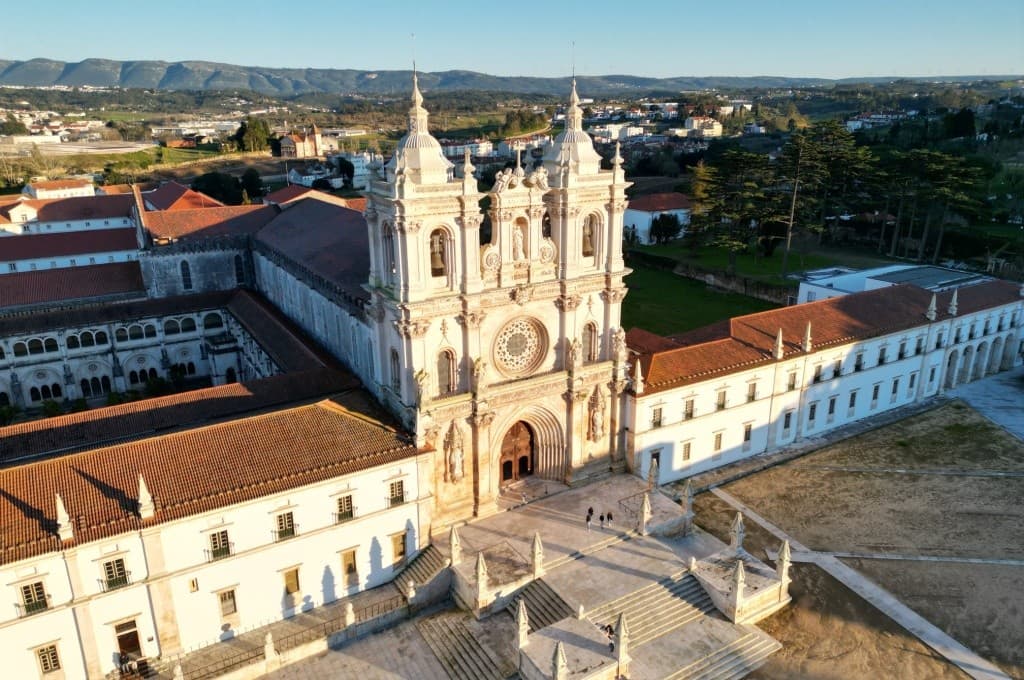
Alcobaça: Alcobaça Monastery Skip-the-Line Ticket
Get your E-ticket for fast and easy entry to the Monastery of Alcobaça in Alcobaça and explore Portugal’s iconic monastery.
比较选项
| 选项 | 类型 | 摘要 | 时长 | 起价 | 预订 |
|---|---|---|---|---|---|
| Alcobaça: Alcobaça Monastery Skip-the-Line Ticket | 票 | Get your E-ticket for fast and easy entry to the Monastery of Alcobaça in Alcobaça and explore Portugal’s iconic monast... | 灵活 | €18.90 | 预订 |
The Monastery of Alcobaça, a UNESCO World Heritage site, stands as a testament to Portugal's rich history and architectural prowess. Founded in the 12th century by King Afonso I, this Cistercian monastery is one of the most significant medieval monuments in Portugal and Europe. Its stunning Gothic architecture, serene atmosphere, and historical importance make it a must-visit destination for history buffs, architecture enthusiasts, and spiritual seekers alike. Discover the stories etched in its stones, from royal romances to the dedication of monks, and immerse yourself in the tranquility of this sacred place.
行程亮点
亮点
关于 Monastery of Alcobaça
Nestled in the heart of Alcobaça, the Monastery of Alcobaça, also known as the Royal Abbey of Santa Maria of Alcobaça, is a masterpiece of Cistercian architecture. Its construction began in 1178, reflecting the gratitude of King Afonso I for the Christian victory over the Moors. Over the centuries, it evolved into a prominent center of religious and cultural influence. The monastery's church, with its soaring ceilings and minimalist design, exemplifies the Cistercian order's emphasis on simplicity and spiritual purity. The intricately designed tombs of King Pedro I and Inês de Castro, a symbol of eternal love, are among the most poignant features of the monastery. The vast library once housed a wealth of knowledge, while the monks diligently worked in the scriptorium, preserving ancient texts. Today, the Monastery of Alcobaça continues to captivate visitors with its grandeur, historical significance, and spiritual aura, offering a glimpse into Portugal's captivating past.
为什么要在线预订?
Booking your visit to the Monastery of Alcobaça online offers several advantages. Secure your entry in advance, especially during peak season, and bypass potential ticket lines, saving you valuable time. Online platforms often provide detailed information about the monastery, enhancing your visit with historical insights and practical tips. You can also easily compare different tour options and find the best fit for your interests and schedule, ensuring a seamless and enriching experience.
历史
The Monastery of Alcobaça's history began in the 12th century when King Afonso I, Portugal's first king, vowed to build a grand monastery in gratitude for his victory over the Moors at Santarém in 1147. He entrusted the Cistercian Order with the task, and construction commenced in 1178. Over the centuries, the monastery became a significant religious, cultural, and political center. It served as a royal pantheon, housing the tombs of numerous Portuguese monarchs, including the tragic lovers King Pedro I and Inês de Castro. During the Middle Ages, the monks of Alcobaça played a crucial role in preserving knowledge through their extensive library and scriptorium. The monastery suffered damage during various conflicts, including the Peninsular War in the early 19th century, and was eventually secularized in 1834. In 1989, UNESCO recognized its historical and architectural importance by designating it a World Heritage Site, ensuring its preservation for future generations.
开放时间
The Monastery of Alcobaça is typically open to visitors from 9:00 AM to 5:00 PM, but these hours can vary depending on the season and day of the week. It is recommended to check the official website or a reliable travel resource for the most up-to-date schedule before planning your visit.
最佳参观时间
The best time to visit the Monastery of Alcobaça is during the shoulder seasons, spring (April-May) or fall (September-October). The weather is generally mild and comfortable, and the crowds are smaller compared to the peak summer months. Arriving early in the morning or later in the afternoon can also help you avoid the busiest times.
内部看点
Inside the Monastery of Alcobaça, visitors can explore a multitude of fascinating spaces. The church, a prime example of Cistercian Gothic architecture, impresses with its soaring nave and minimalist design. The highlight is undoubtedly the royal pantheon, featuring the ornate tombs of King Pedro I and Inês de Castro. The Cloister of Silence, with its intricate Manueline details, offers a peaceful retreat. The refectory, where the monks once dined, and the vast kitchen, equipped with a unique water system, provide insights into monastic life. The library, though partially lost to time, still holds a sense of its former scholarly importance, showcasing surviving ancient texts and manuscripts. Each corner of the Monastery of Alcobaça tells a story, revealing the rich tapestry of Portuguese history and culture.
须知
When visiting the Monastery of Alcobaça, remember that it is a historical and religious site, so respectful behavior is expected. Photography is generally allowed, but flash photography may be restricted in certain areas. Comfortable shoes are recommended, as you'll be doing a fair amount of walking. Consider bringing a light jacket, as the interior of the monastery can be cool. Guided tours are available and can enhance your understanding of the monastery's history and significance.
游客须知
As a historical and religious site, visitors to the Monastery of Alcobaça are expected to maintain a respectful demeanor. Please refrain from loud talking or disruptive behavior. Food and drinks are generally not allowed inside the monastery. Follow the instructions of the staff and any posted signage. Touching or climbing on historical artifacts is strictly prohibited to ensure their preservation.
是否值得参观?
The Monastery of Alcobaça is undeniably worth visiting for anyone interested in history, architecture, or religious art. Its stunning Gothic architecture, historical importance as a royal pantheon, and the tragic love story of Pedro and Inês make it a unique and unforgettable destination. The serene cloisters, the vast kitchen, and the remnants of the ancient library offer a glimpse into monastic life and the cultural significance of the Cistercian order. Whether you are a seasoned traveler or a casual tourist, the Monastery of Alcobaça provides a captivating and enriching experience.
常见问题
The Monastery of Alcobaça is a Cistercian monastery founded in the 12th century by King Afonso I of Portugal. It is a UNESCO World Heritage Site and one of the most important medieval monuments in Portugal.
The Monastery of Alcobaça is located in the town of Alcobaça, in the Leiria District of Portugal.
It is famous for its Gothic architecture, its historical significance as a royal pantheon, and the tragic love story of King Pedro I and Inês de Castro, whose tombs are located there.
The Monastery of Alcobaça is generally open from 9:00 AM to 5:00 PM, but hours may vary depending on the season and day of the week. Check the official website before visiting.
The entrance fee to the Monastery of Alcobaça is typically around €6, but prices may vary. Discounts are often available for students and seniors.
Photography is generally allowed, but flash photography may be restricted in certain areas. Always follow the instructions of the staff and any posted signage.
Yes, guided tours are available and can enhance your understanding of the monastery's history and significance. Check at the entrance for tour schedules and availability.
While there isn't a strict dress code, dressing modestly is recommended, particularly when entering the church. Avoid overly revealing clothing.
Allow at least 2 to 3 hours to fully explore the monastery and its surroundings. You may want to spend longer if you are particularly interested in history or architecture.
如何到达
The Monastery of Alcobaça is accessible by car and public transportation. Buses connect Alcobaça to major cities like Lisbon and Porto. From the Alcobaça bus station, the monastery is a short walk away.