

包含项目
- 进入国家万神殿的快速通道
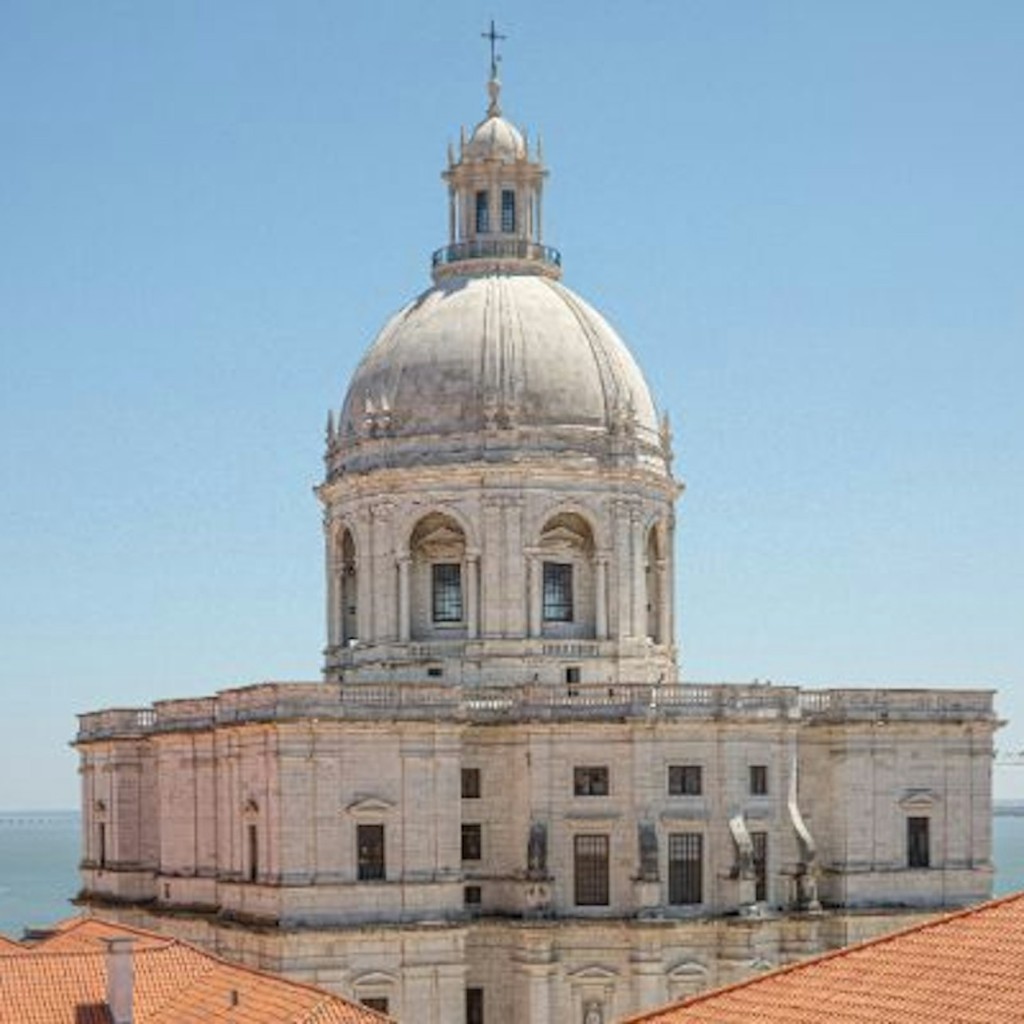
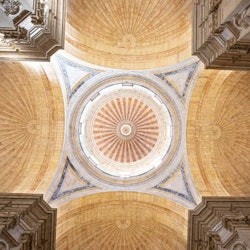
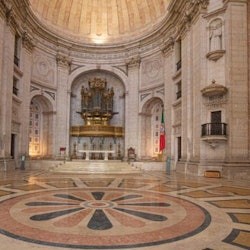
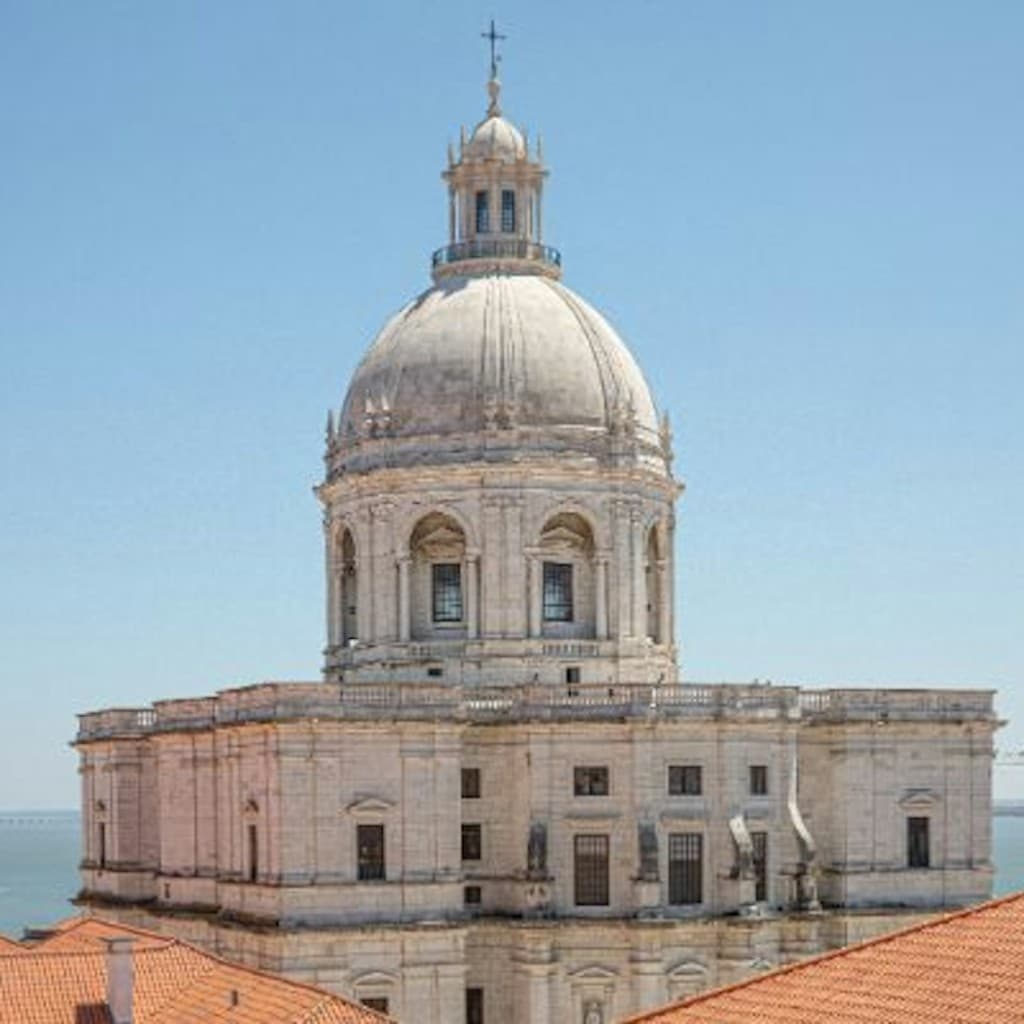
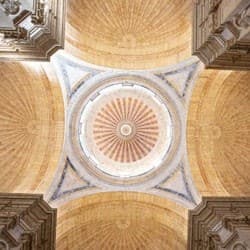
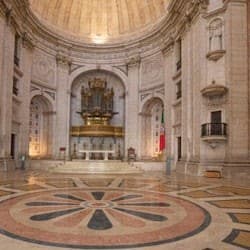
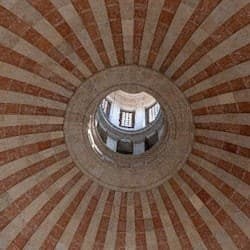
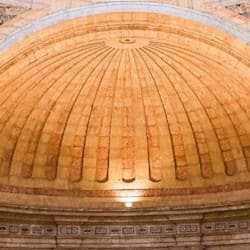
Explore a gallery of images showcasing the grandeur of the National Pantheon, from its magnificent dome and marble interiors to the panoramic views from its terrace.
Discover the National Pantheon of Portugal, an iconic landmark in Lisbon that serves as the final resting place for some of the nation's most revered figures. Originally built as the Church of Santa Engrácia, this magnificent Baroque structure impresses visitors with its grand scale, stunning marble interiors, and a monumental dome that dominates the city skyline. Step inside to explore a sacred space dedicated to celebrating Portuguese heroes, from presidents and writers to fado singers. The Pantheon offers a unique opportunity to connect with Portugal's rich cultural and historical legacy, culminating in breathtaking panoramic views of Lisbon and the Tagus River from its terrace, making it a must-visit for anyone interested in history, architecture, and Portuguese heritage.
While there isn't a strict formal dress code, visitors are encouraged to dress respectfully when visiting the National Pantheon. As a site of historical and national significance, modest attire is appropriate. This generally means avoiding overly revealing clothing. Comfortable footwear is also recommended, especially if you plan to climb to the dome terrace.
The National Pantheon of Portugal, known locally as Panteão Nacional, is housed within the former Church of Santa Engrácia, a striking 17th-century building in Lisbon's historic Alfama district. Its construction spanned over three centuries, resulting in its distinctive Baroque style and an impressive dome added in the 20th century. The Pantheon's primary role is to honor and inter distinguished Portuguese personalities who have significantly contributed to the nation. As you wander through its vast halls, you will encounter the cenotaphs and tombs of notable figures, including past presidents, renowned writers like Almeida Garrett and Sophia de Mello Breyner Andresen, and the beloved fado singer Amália Rodrigues. The building itself is a masterpiece of architectural design, featuring intricate marble inlay work and soaring ceilings. Ascending to the terrace beneath the dome provides an unparalleled vantage point for sweeping views of Lisbon's old town, the winding Tagus River, and the surrounding landscape, offering both a historical journey and a scenic highlight.
Booking your tickets for the National Pantheon of Portugal online offers several advantages, ensuring a smoother and more convenient visit. By securing your admission in advance, you can often bypass ticket queues, especially during peak tourist seasons, saving valuable time to explore Lisbon. Online tickets guarantee your entry on your preferred date and time, eliminating the uncertainty of availability. It simplifies your planning, allowing you to integrate this significant landmark into your itinerary without hassle. Additionally, some online platforms may offer various ticket options or bundled experiences that enhance your visit.
The history of the National Pantheon begins in the 17th century with the construction of the Church of Santa Engrácia. Initiated in 1681 by architect João Antunes, the project was plagued by prolonged construction and funding issues, earning it the Portuguese expression 'obras de Santa Engrácia' (works of Santa Engrácia) to describe a never-ending task. The original church was intended to replace a previous one that had collapsed. Despite ambitious plans, the building remained unfinished for centuries, famously lacking its dome until the 20th century. In 1916, it was officially converted into the National Pantheon, destined to honor Portugal's most distinguished citizens. The building finally saw its completion and the addition of its iconic dome in 1966. Today, it stands as a testament to Portugal's dedication to preserving the memory of its heroes, from explorers and monarchs to writers and artists, encapsulating centuries of national pride and architectural evolution within its walls.
The National Pantheon usually operates from Tuesday to Sunday, with typical opening hours from 10:00 AM to 5:00 PM in the cooler months and extending to 6:00 PM during the summer season. It is generally closed on Mondays and on certain public holidays, including January 1st, Easter Sunday, May 1st, and December 25th. Visitors should note that specific hours can vary, and it is always advisable to plan your visit accordingly.
For the most enjoyable experience at the National Pantheon, consider visiting in the morning shortly after it opens or later in the afternoon. These times generally see fewer crowds, allowing for a more serene exploration of the interiors and a more relaxed ascent to the dome terrace. Weekdays are typically less busy than weekends. During the spring (April-May) and autumn (September-October), the weather in Lisbon is usually pleasant, enhancing the experience of the outdoor terrace and the walk through the surrounding Alfama district. Avoid midday during peak summer if possible, as it can be crowded and warm.
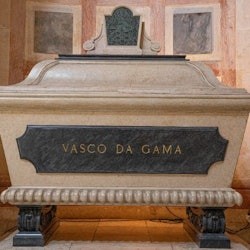
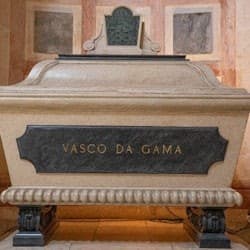
Inside the National Pantheon, visitors will find a cavernous, cruciform interior adorned with intricate marble decorations and soaring ceilings. The main nave leads to the central dome, which offers a powerful sense of space and grandeur. The most significant aspect of the interior is the collection of tombs and cenotaphs dedicated to prominent Portuguese figures. You can pay respects at the memorials of legendary figures such as Henry the Navigator, Vasco da Gama, and the poet Luís Vaz de Camões. The actual burial sites include notable personalities like Amália Rodrigues, Portugal's most famous fado singer, and several presidents and writers. A climb to the top of the monumental dome is highly recommended, as it provides access to an outdoor terrace offering stunning 360-degree panoramic views over Lisbon's red rooftops, the historic Alfama district, and the vast expanse of the Tagus River.
Allow ample time to fully explore the Pantheon, especially if you plan to ascend to the dome terrace. The climb involves stairs, which may be challenging for some visitors. Photography is generally permitted inside, but always be respectful of other visitors and the solemn nature of the site. Facilities such as restrooms are available. Consider combining your visit with a stroll through the nearby Alfama district, known for its narrow streets and Fado houses. Tickets are required for entry, and it's advisable to have them ready upon arrival.
Visitors are expected to observe respectful conduct within the National Pantheon, given its status as a place of national honor and remembrance. Silence or quiet conversation is appreciated, particularly in the areas of tombs and memorials. Flash photography may be prohibited in certain sections, and visitors should adhere to any posted signage. Food and drinks are not permitted inside the building. Large bags or backpacks may need to be stored in designated lockers or left at the entrance.
The National Pantheon of Portugal is undoubtedly worth visiting for its unique blend of architectural splendor, national history, and panoramic views. It offers a profound insight into Portugal's reverence for its heroes, with stunning marble interiors and the impressive scale of a Baroque masterpiece. The opportunity to stand amongst the memorials of legendary figures connects visitors directly to the nation's past. Furthermore, the accessible dome terrace provides one of the most spectacular vantage points in Lisbon, offering unobstructed vistas over the city and the Tagus River. For anyone interested in culture, history, or simply breathtaking scenery, the Pantheon provides a rich and memorable experience.
The National Pantheon is a national monument in Lisbon, Portugal, housed in the former Church of Santa Engrácia. It serves as the final resting place and memorial for some of the most important figures in Portuguese history and culture.
It is located in the Alfama district of Lisbon, at Campo de Santa Clara, near the Santa Apolónia train and metro station.
Yes, visitors can ascend to the panoramic terrace located at the base of the monumental dome, which offers stunning 360-degree views of Lisbon and the Tagus River.
The Pantheon honors and inters various distinguished Portuguese figures, including presidents, writers like Almeida Garrett and Sophia de Mello Breyner Andresen, and the celebrated fado singer Amália Rodrigues. There are also cenotaphs for historical figures like Vasco da Gama and Henry the Navigator.
The main floor of the Pantheon is generally accessible. However, access to the dome terrace typically requires climbing stairs, which may be challenging for those with mobility issues.
Most visitors spend between 1 to 2 hours exploring the National Pantheon, including time for admiring the interiors and enjoying the views from the terrace.
The National Pantheon typically includes a small shop where visitors can purchase souvenirs and books related to the monument and Portuguese history. Information on cafes or food services should be confirmed upon arrival.
The National Pantheon is easily accessible within Lisbon. You can reach it by tram, specifically Tram 28, which stops near the site. Several bus lines also serve the area. The nearest Metro station is Santa Apolónia, which is about a 10-15 minute walk away, offering a pleasant stroll through the historic Alfama neighborhood. The walk itself provides scenic views and a chance to experience the local atmosphere.
While there isn't a strict formal dress code, visitors are encouraged to dress respectfully when visiting the National Pantheon. As a site of historical and national significance, modest attire is appropriate. This generally means avoiding overly revealing clothing. Comfortable footwear is also recommended, especially if you plan to climb to the dome terrace.