

包含项目
- Einfacher privater Transfer von Zagreb nach Plitvicer Seen
- Abholung vom Hotel in Zagreb
- Luxuriöses, klimatisiertes Fahrzeug (Mercedes E- oder V-Klasse)
- Kaltes Wasser in Flaschen
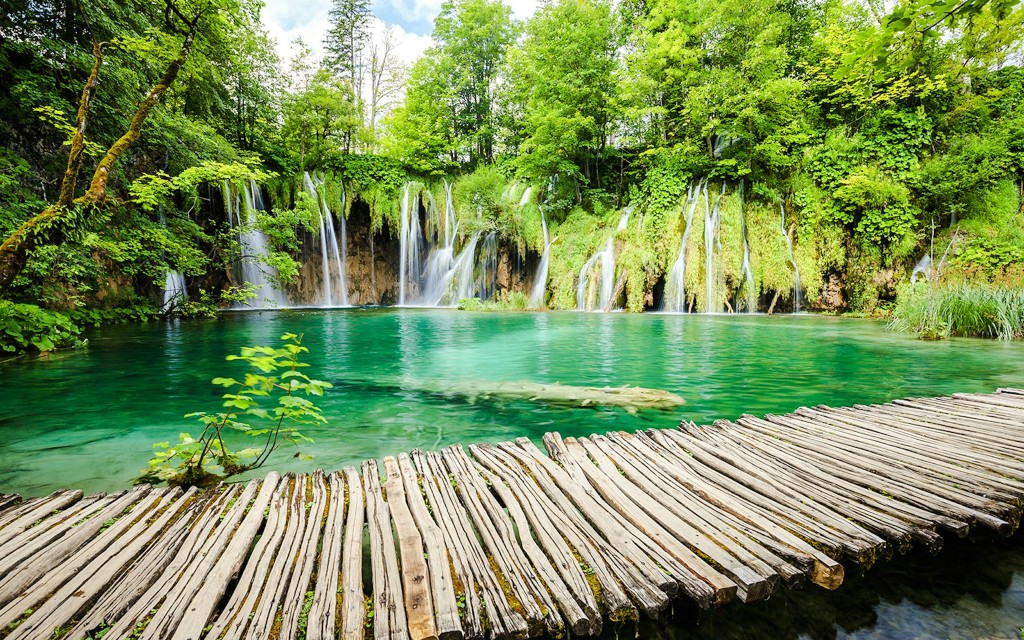
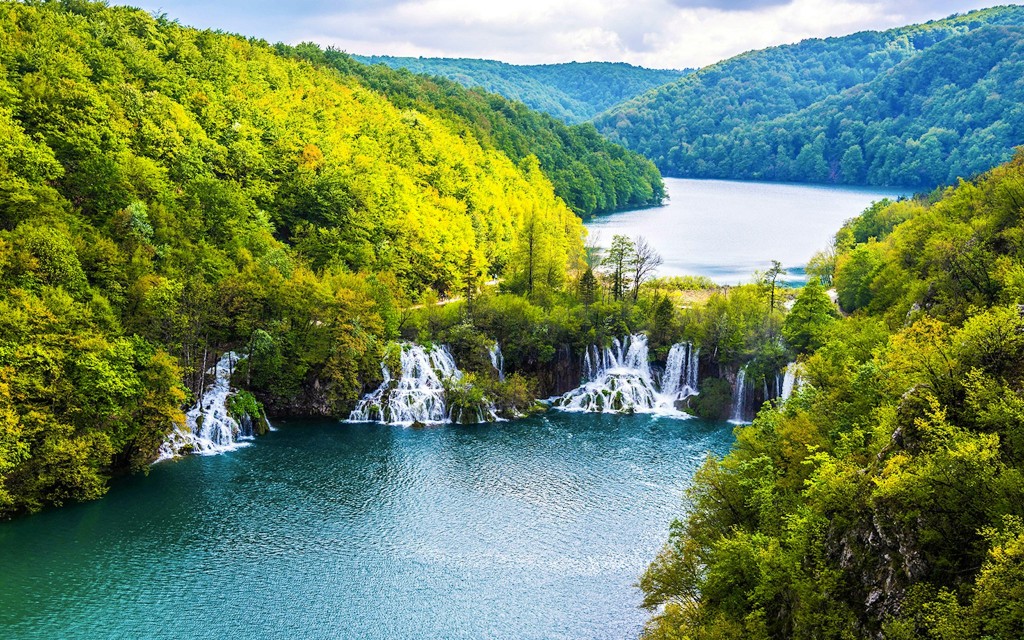
Explore a gallery of captivating images showcasing the emerald waters, stunning waterfalls, and lush landscapes of Plitvice Lakes National Park.
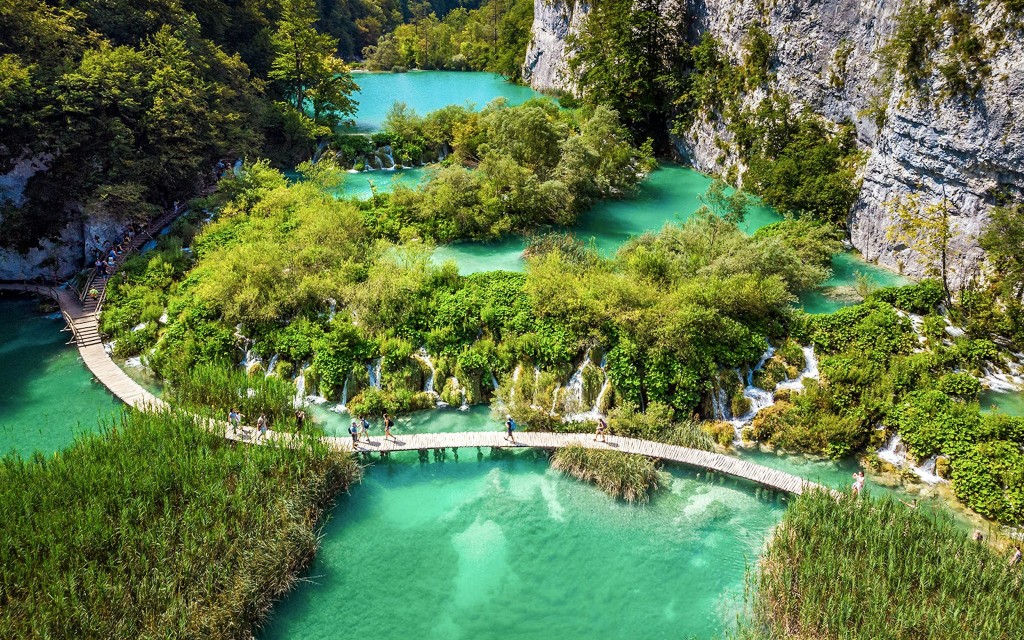
Plitvice Lakes National Park, a UNESCO World Heritage Site since 1979, is a natural masterpiece located in the heart of Croatia. This stunning park is renowned for its series of 16 interconnected lakes, which cascade into one another via a spectacular system of waterfalls and travertine barriers. The mesmerizing interplay of crystal-clear turquoise waters, lush green forests, and diverse wildlife creates a truly enchanting landscape. Visitors can explore the park through well-maintained wooden boardwalks and trails, offering breathtaking views at every turn. A visit to Plitvice Lakes promises an immersive experience into one of Europe's most captivating natural wonders, ideal for nature lovers, hikers, and photographers alike.
There is no formal dress code for visiting Plitvice Lakes National Park. However, comfortable and practical attire is highly recommended. Given the extensive walking and varied terrain, sturdy walking shoes or hiking boots are essential. Dress in layers, as weather conditions can change, particularly in spring and autumn. During summer, light clothing, a hat, and sunglasses are advisable, while in winter, warm, waterproof clothing is crucial. Be prepared for potential rain regardless of the season.
Reisen Sie bequem von Zagreb zu den Plitvicer Seen mit einem privaten Transfer inklusive Abholung vom Hotel.
Ihr englischsprachiger Fahrer holt Sie von Ihrem Hotel oder einer vorher vereinbarten Adresse in Zagreb ab. Setzen Sie sich in ein luxuriöses, klimatisiertes Fahrzeug und genießen Sie eine ruhige, direkte Fahrt zum Nationalpark Plitvicer Seen, wobei Sie unterwegs mit Wasser in Flaschen versorgt werden.
Die Plitvicer Seen sind Kroatiens ältester und berühmtester Nationalpark, bekannt für seine 16 terrassenförmig angelegten Seen, die durch mehr als 90 Wasserfälle miteinander verbunden sind. Was ihn wirklich einzigartig macht, ist die Tatsache, dass sich die Seen ständig verändern. Hier wachsen natürliche Kalksteinbarrieren und formen die Wasserfälle im Laufe der Zeit um, so dass die Landschaft nie von Jahr zu Jahr genau gleich aussieht.
Sobald Sie angekommen sind, erkunden Sie den Park auf eigene Faust. Sie folgen einem Netz von Holzstegen, die sich direkt über türkisfarbenes Wasser, vorbei an Wasserfällen und durch bewaldete Gebiete schlängeln. Die Farben des Wassers wechseln im Laufe des Tages von Smaragdgrün zu Tiefblau, je nach Sonneneinstrahlung und Mineraliengehalt, und machen es zu einem der meistfotografierten Orte des Landes.
Tragen Sie festes, bequemes Schuhwerk, denn die Erkundung der Plitvicer Seen beinhaltet ausgedehnte Wanderungen über Holzwege und natürliches Gelände.
Ziehen Sie sich den wechselnden Bedingungen entsprechend an und nehmen Sie eine leichte Jacke oder eine Regenschicht mit, besonders außerhalb der Hochsommermonate.
Halten Sie Bargeld oder eine Kredit-/Debitkarte für Tickets für den Parkeintritt, Erfrischungen oder optionale Bootsfahrten bereit.
Nehmen Sie Trinkwasser und kleine Snacks mit, wenn Sie vorhaben, mehrere Stunden auf eigene Faust unterwegs zu sein.
Bringen Sie ein aufgeladenes Handy oder eine Kamera mit, um die Navigation zu erleichtern und die Landschaft des Parks zu fotografieren.
Das Schwimmen oder Betreten der Seen und Wasserfälle ist nicht gestattet, um die natürliche Umgebung zu schützen.
Besucher müssen auf den ausgewiesenen Wegen bleiben; das Verlassen der markierten Pfade oder das Wegwerfen von Müll kann zu Strafen führen.
Das Füttern von Tieren innerhalb des Nationalparks ist nicht erlaubt.
Der Einsatz großer Drohnen oder professioneller Aufnahmegeräte kann eine vorherige Genehmigung erfordern.
Bei diesem Service handelt es sich nur um einen Hin- und Rücktransfer; der Transport zurück nach Zagreb ist nicht inbegriffen.
Tickets für den Eintritt in den Parken sind nicht Teil des Transfers und müssen separat erworben werden.
Sie werden am Haupteingang des Parks abgesetzt.
Plitvice Lakes National Park spans nearly 300 square kilometers, with its central feature being the magnificent lake system divided into the Upper and Lower Lakes. The Upper Lakes are characterized by gentler slopes, dense forests, and larger, broader lakes, while the Lower Lakes, though smaller, are more dramatic with towering cliffs and the park's highest waterfall, Veliki Slap. The unique geological processes involving travertine formation have created the distinctive barriers that separate the lakes, constantly reshaping the landscape. The park is also a haven for diverse flora and fauna, including rare bird species, bears, wolves, and a rich variety of plant life. Visitors can choose from various walking routes, explore by panoramic train, and enjoy electric boat rides across Kozjak Lake, connecting different parts of the park and offering unique perspectives of its pristine beauty. The commitment to preserving this natural heritage makes Plitvice an exceptional example of ecological conservation and sustainable tourism.
Booking your Plitvice Lakes National Park entry tickets and tours online offers several advantages. It helps secure your visit, especially during peak seasons when daily visitor limits may apply. Pre-booking ensures guaranteed entry and saves valuable time by allowing you to bypass potentially long queues at the park entrances. Many online options also provide convenient bundled packages, such as entry tickets with panoramic train and boat rides, or full-day guided tours from major cities like Zagreb, Split, or Zadar, simplifying your travel plans and enhancing your overall experience. Online booking provides flexibility and peace of mind before your arrival.
Plitvice Lakes National Park has a rich history of recognition and conservation. It was officially declared a national park in 1949, making it one of Croatia's oldest and largest national parks. However, the true global recognition came in 1979 when UNESCO inscribed the park on its World Heritage List, acknowledging its 'outstanding universal value' due to its unique travertine formation process, which creates the constantly evolving waterfalls and lake barriers. The park's geological formation dates back millions of years, with the specific interaction of water, air, and vegetation leading to the deposition of calcium carbonate, forming travertine barriers. This ongoing natural process is what makes Plitvice a living geological monument. Throughout its history, efforts have been made to protect its pristine environment, balancing visitor access with strict conservation measures to maintain its ecological integrity and stunning natural beauty for future generations.
Plitvice Lakes National Park's opening hours are subject to seasonal changes. During the peak summer months (typically June to August), the park generally operates for extended hours, often from early morning until late evening. In spring and autumn, hours may be slightly shorter, while in winter, daylight hours dictate operation. It is advisable to allow plenty of time for your visit, as the park is extensive. Entrances usually open around 7:00 AM or 8:00 AM and close around 4:00 PM to 7:00 PM, depending on the season, with the last entry often an hour or two before closing.
The best time to visit Plitvice Lakes National Park is during the shoulder seasons of spring (April-May) and early autumn (September-October). In spring, the waterfalls are at their most powerful due to melting snow, and the park is vibrant with fresh greenery. Autumn offers a spectacular display of fall foliage, with rich reds, oranges, and golds reflecting in the lakes. Both seasons generally provide pleasant temperatures for walking and fewer crowds compared to the bustling summer months. Summer (June-August) is popular but can be very busy and hot. Winter offers a unique, snow-covered landscape but some areas and services might be limited.
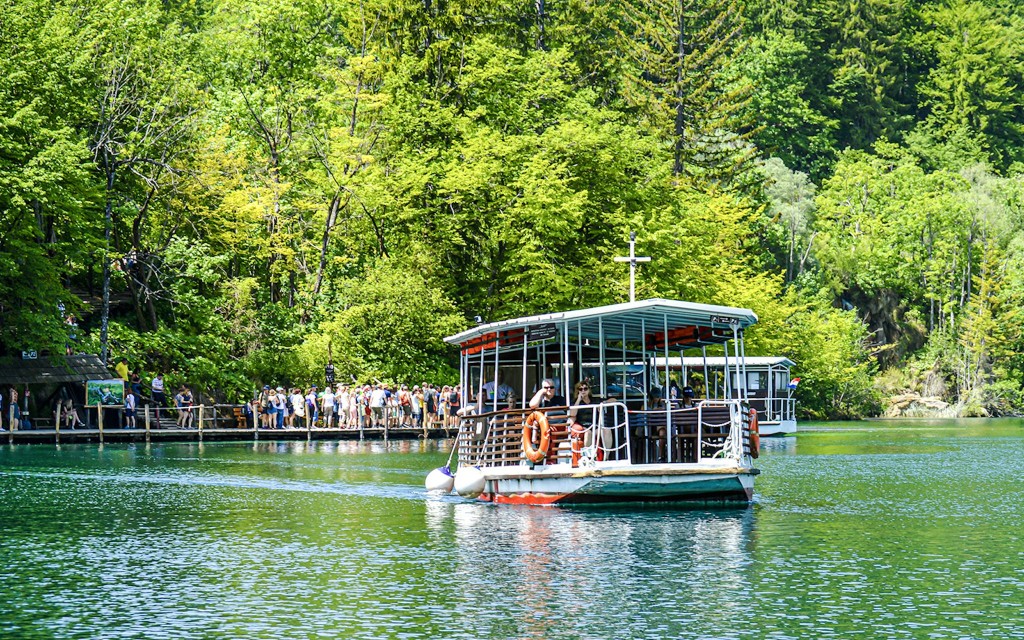
Inside Plitvice Lakes National Park, visitors are immersed in a world of stunning natural beauty. The park is primarily explored via well-marked walking trails and wooden boardwalks that wind through the forests and directly over the clear waters. The Lower Lakes feature the dramatic canyons, beautiful waterfalls like Milanovački Slap, and the iconic Veliki Slap, the tallest waterfall in Croatia, cascading 78 meters. The Upper Lakes offer a serene landscape of larger, more tranquil lakes such as Prošćansko Jezero and Kozjak Lake. An electric boat ride across Kozjak Lake provides a relaxing way to connect different sections of the park. The panoramic train service helps visitors navigate the expansive area, particularly useful for reaching the higher elevations or resting tired legs. Each path and viewpoint offers unique photographic opportunities and a chance to observe the delicate ecosystem.
Plan your visit by arriving early, especially during peak season, to avoid crowds and enjoy cooler temperatures. Wear comfortable, sturdy walking shoes as you will be covering considerable distances on varied terrain, including wooden boardwalks and gravel paths. Bring a water bottle, snacks, and sun protection, as facilities inside the park can be limited or distant. While swimming is not permitted in the lakes, the park offers numerous breathtaking viewpoints and photo opportunities. Consider taking advantage of the panoramic train and electric boat services to rest and cover longer distances, particularly if you plan to explore both the Upper and Lower Lakes. Guided tours can enhance your experience by providing insightful commentary and efficient navigation.
To preserve the natural environment of Plitvice Lakes National Park, visitors must adhere to specific rules. It is strictly forbidden to swim in the lakes, stray from marked paths, or climb on the travertine barriers. Littering is prohibited, and visitors are expected to dispose of waste in designated bins. Pets are allowed but must be kept on a leash at all times. Feeding wild animals is not permitted. Drones are generally restricted without prior authorization. These rules are in place to protect the delicate ecosystem and ensure a safe and enjoyable experience for all visitors.
Plitvice Lakes National Park is unequivocally worth visiting for anyone seeking to witness one of the world's most stunning natural phenomena. Its unparalleled beauty, characterized by vibrant turquoise lakes and countless cascading waterfalls, creates a landscape unlike any other. The park offers an accessible yet immersive experience, allowing visitors to walk directly over and alongside its crystal-clear waters. Beyond its visual appeal, Plitvice represents a unique geological marvel and a thriving ecosystem, making it a truly enriching and unforgettable destination. It consistently ranks among Croatia's top attractions for its sheer breathtaking splendor.
No, swimming is strictly prohibited in any of the lakes or waterfalls within Plitvice Lakes National Park to preserve its delicate ecosystem and natural travertine formations.
The best route depends on your available time and fitness level. Popular routes like 'Route C' (4-6 hours) or 'Route H' (4-6 hours) cover both the Upper and Lower Lakes, utilizing boats and panoramic trains. Shorter routes are also available for a quicker visit.
Yes, there are several restaurants, cafes, and snack bars located at various points within the park, particularly near the main entrances and by Kozjak Lake. Restrooms are also available.
While some main paths and viewpoints are relatively flat and accessible, much of the park involves wooden boardwalks, stairs, and uneven terrain, making full accessibility challenging for some visitors. Entrance 1 offers some paved paths suitable for wheelchairs.
A full exploration of the main areas typically takes between 4 to 6 hours, though shorter routes (2-3 hours) and longer, more extensive routes (6-8 hours) are also possible depending on your pace and chosen itinerary.
It is highly recommended to purchase your entry tickets in advance online, especially during the peak season (June-August), to guarantee entry and avoid long queues at the park entrances.
Yes, Plitvice Lakes National Park is open in winter and offers a unique, often magical, snow-covered landscape. Some trails and services may be limited, but the frozen waterfalls create a beautiful sight.
Plitvice Lakes National Park is well-connected by bus services from major Croatian cities. Regular bus lines operate from Zagreb, Split, and Zadar directly to both Entrance 1 and Entrance 2 of the park. Travel duration varies, typically around 2-2.5 hours from Zagreb and 2.5-3 hours from Split or Zadar. Upon arrival, the park's internal transport system, including panoramic trains and electric boats, helps visitors navigate between different sections. Many guided tours also offer convenient round-trip transfers from various cities, simplifying transportation.
There is no formal dress code for visiting Plitvice Lakes National Park. However, comfortable and practical attire is highly recommended. Given the extensive walking and varied terrain, sturdy walking shoes or hiking boots are essential. Dress in layers, as weather conditions can change, particularly in spring and autumn. During summer, light clothing, a hat, and sunglasses are advisable, while in winter, warm, waterproof clothing is crucial. Be prepared for potential rain regardless of the season.