Billets pour l'Acropole et le Parthénon avec audioguide (Acropolis Tickets + Guided Tour)Billets pour l'Acropole et le Parthénon avec audioguide (Acropolis Tickets + Guided Tour) - 1Billets pour l'Acropole et le Parthénon avec audioguide (Acropolis Tickets + Guided Tour) - 2Billets pour l'Acropole et le Parthénon avec audioguide (Acropolis Tickets + Guided Tour) - 3

Discover captivating images of the Acropolis and Parthenon, showcasing the grandeur of ancient Greek architecture and the breathtaking views from this historic landmark.

Explore the magnificent Acropolis of Athens, a UNESCO World Heritage Site and the enduring symbol of Classical Greece. Perched high above the bustling city, this ancient citadel invites visitors to step back in time and witness the architectural marvels that defined a civilization. At its heart stands the Parthenon, the majestic temple dedicated to the goddess Athena, embodying the peak of Doric order. A visit here offers a profound journey through history, art, and philosophy, providing unparalleled panoramic views of Athens and the Aegean beyond. Discover the legends and stories embedded in every stone of this historic site.

À partir de49.81
ADULT
699 âge
49.81
Durée
2 heures
Point de rencontre
Athens
26, Athanasiou Diakou Str, Athina 117 43, Greece
Heures d'ouverture
Opening hours for the Acropolis vary seasonally, generally opening early in the morning and closing in the late afternoon or early evening. It typically remains closed on major public holidays.
Durée de la visite
A typical visit to the Acropolis and Parthenon usually takes between 2 to 3 hours to fully explore the site.
Meilleur moment pour visiter
The best time to visit the Acropolis is early morning or late afternoon to avoid crowds and the midday heat, especially during warmer months.
Adresse
The Acropolis is located atop a prominent rocky hill in the heart of Athens, Greece, overseeing the entire city.
Code vestimentaire

There is no strict dress code for visiting the Acropolis, as it is an outdoor archaeological site. However, comfortable and practical attire is highly recommended. Given the uneven terrain, many stairs, and potential for hot weather, wear comfortable walking shoes with good grip. Light, breathable clothing is advisable during summer. In cooler months, layered clothing is appropriate. A hat and sunglasses are also recommended for sun protection year-round.

Aperçu de l'expérience

Ce qui est inclus

  • Entrée horodatée à l'Acropole
  • Visite guidée de 2 heures par un·e spécialiste (selon l'option choisie)
  • Visite autoguidée de l'Acropole (selon l'option choisie)
  • Audioguide conçu par un historien, disponible en français, anglais, allemand, espagnol et italien (selon l'option choisie)
  • Audioguide pour la vieille ville d'Athènes (Plaka) (selon l'option choisie)
  • Entrée au musée de l'Acropole (selon l'option choisie)
  • Accès hors ligne, narration audio et carte en ligne (selon l'option choisie)
  • l'Acropole
  • le Parthénon
  • Temple d'Athéna Nike
  • Odéon d'Hérode Atticus
  • Théâtre de Dionysos Éleuthèreus
  • Érechthéion
  • Propylées
  • Vieille ville d'Athènes (Plaka) (selon l'option choisie)
  • Musée de l'Acropole (selon l'option choisie)
  • Fouilles souterraines du musée de l'Acropole dans un quartier antique (selon l'option choisie)
  • Athens Classic MegaPass (selon l'option choisie)

Ce qui n'est pas inclus

  • Navettes
  • Nourriture et boissons
  • Dispositif mobile pour application audio

Votre expérience

De l'Acropole à l'Agora antique, découvrez les sites les plus légendaires d'Athènes lors d'une visite guidée ou explorez-les à votre rythme grâce à un audioguide multilingue.

Pour commencer

Votre visite commence à l'Acropole, où vous rencontrerez votre guide au point d'entrée désigné ou commencerez votre visite autoguidée avec un audioguide. Si vous avez choisi une visite guidée, votre guide spécialiste vous présentera l'histoire du site avant de vous accompagner dans cette ancienne citadelle.

Ce qui vous attend

L'Acropole

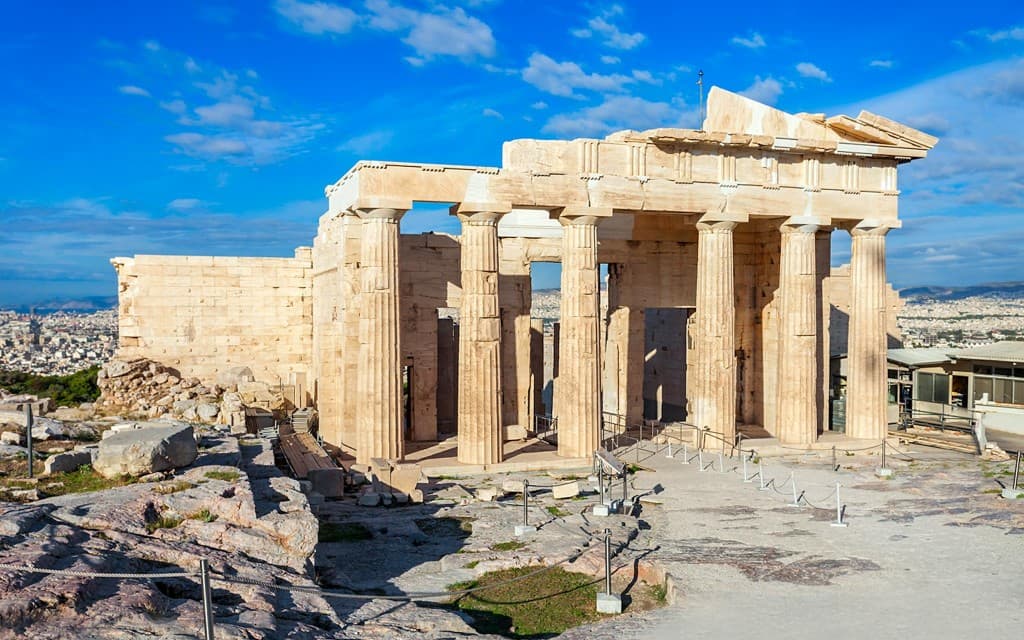
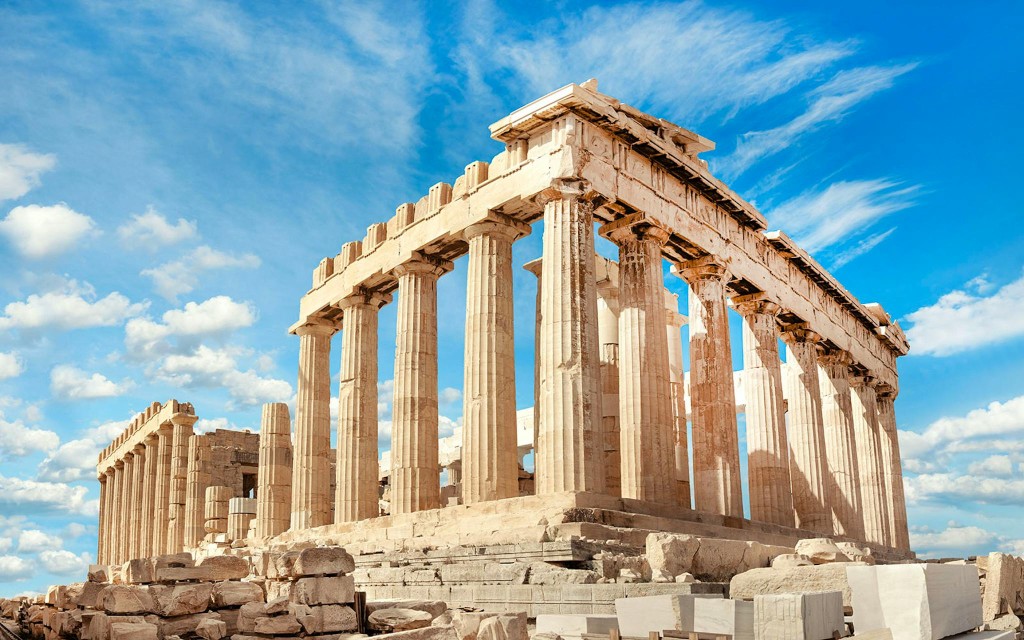
Traversez les Propylées, la grande porte d'entrée de l'Acropole, et admirez la vue panoramique sur Athènes. Explorez le Parthénon, le joyau de la couronne de la Grèce classique, et découvrez sa construction, ses célèbres sculptures et son évolution au fil du temps.

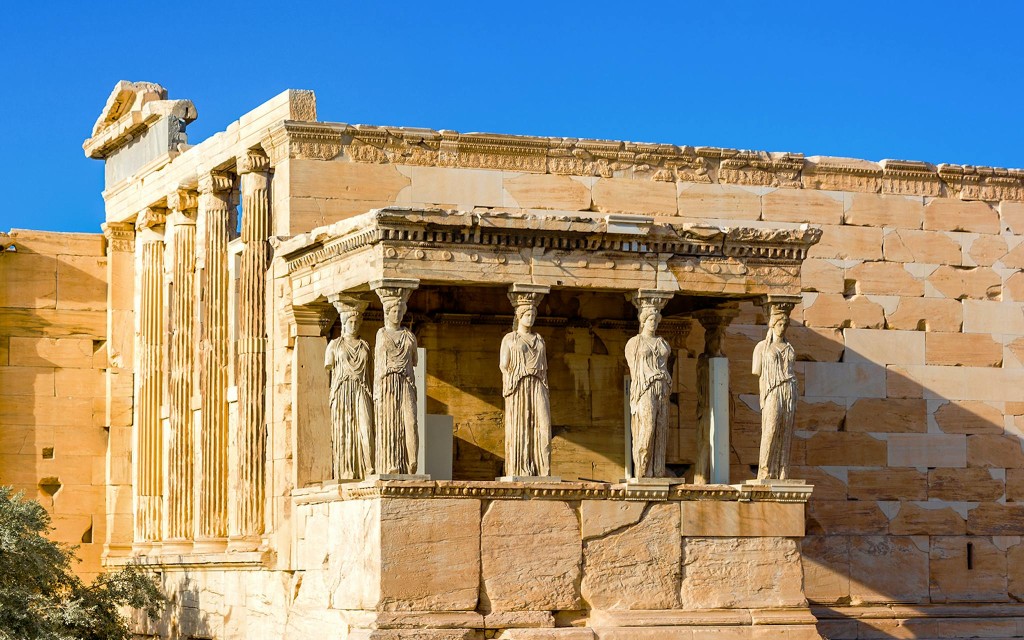
Visitez l'Erechtheion, connu pour ses élégantes colonnes cariatides, et le Temple d'Athéna Nike, dédié à la déesse de la victoire. Votre guide (ou audioguide) vous fera découvrir les mythes qui se cachent derrière ces temples, notamment la rivalité légendaire entre Athéna et Poséidon pour le contrôle d'Athènes.

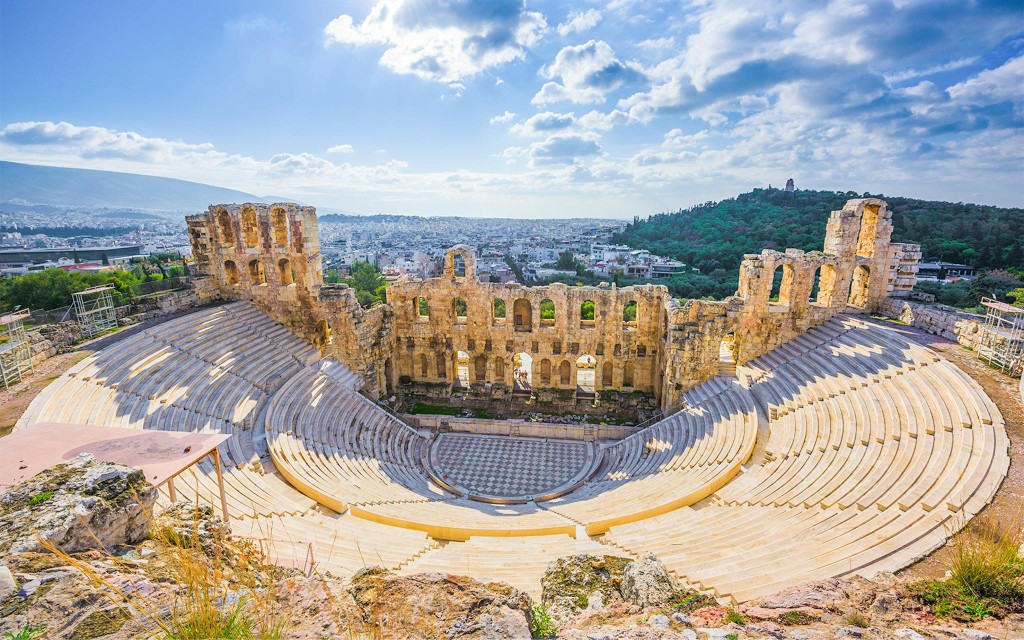
Rendez-vous au théâtre de Dionysos, le berceau de l'art dramatique grec, où les dramaturges de l'Antiquité mettaient en scène leurs œuvres. Arrêtez-vous à l'Odéon d'Hérode Atticus, un amphithéâtre romain qui accueille encore des spectacles aujourd'hui.

Accès au musée de l'Acropole (en option)

Surclassez votre billet pour explorer les artefacts de l'Acropole, notamment les cariatides originales, les marbres du Parthénon et la frise du Parthénon. Visitez les fouilles souterraines du musée, où un ancien quartier athénien est préservé sous un plancher de verre.

Vieille ville (Plaka) (facultatif)

Optez pour un audioguide de la vieille ville d'Athènes pour explorer les rues historiques de Plaka, les églises byzantines et les tavernes locales tout en apprenant l'évolution de la ville.

Know Before You Go

À savoir avant votre visite

Ce qu'il faut apporter

  • Préparez votre passeport, votre carte d'identité et votre carte d'étudiant pour une expérience sans tracas.

  • Prenez de l'avance et téléchargez l'application audio à l'avance pour éviter tout problème de réseau sur place.

  • N'oubliez pas d'apporter vos propres écouteurs pour une expérience immersive avec l'audioguide.

Ce qui n'est pas autorisé

  • Seuls les petits sacs à dos ou sacs à main sont autorisés.

  • Le matériel photographique professionnel, les trépieds et les drones ne sont pas autorisés.

Accessibilité

  • L'Acropole dispose d'une accessibilité limitée pour les visiteur·euse·s à mobilité réduite. Bien qu'il y ait un ascenseur près de l'entrée de la pente sud, son fonctionnement est entièrement géré par l'établissement et il n'est pas toujours disponible. Contactez le site un jour avant votre visite au +30 210 3214172 ou +30 210 9238470 pour confirmer la disponibilité.

  • Certains sentiers sont pavés, mais le terrain reste accidenté dans de nombreuses zones et une assistance peut être nécessaire.

  • Les visiteurs·euses handicapé·es et leur accompagnateur·rice peuvent bénéficier d'une entrée gratuite sur présentation d'un document valide.

  • Des toilettes accessibles aux fauteuils roulants sont disponibles près du musée de l'Acropole et des entrées du site.

  • Des aires de repos et des bancs sont disponibles, mais les zones ombragées sont limitées.

  • Le musée de l'Acropole est entièrement accessible, avec des ascenseurs, des rampes et des expositions tactiles pour les visiteurs·euses malvoyant·es.

  • Certains sites, comme l'Agora romaine et le temple de Zeus, ont des chemins plus doux, tandis que d'autres, comme l'Agora antique, présentent un terrain accidenté.

Informations supplémentaires

  • Remarque : Le Parthénon de l'Acropole fonctionne selon un système d'entrée horodatée, les visiteurs devant réserver à l'avance une date et un créneau horaire. Arrivez 30 minutes à l'avance pour une expérience sans tracas. Vous pouvez entrer jusqu'à 15 minutes avant ou après le créneau horaire choisi.

  • L'application et les audioguides nécessitent environ 200 à 250 Mo d'espace sur votre appareil.

  • L'Acropole offre une entrée gratuite certains jours, notamment le 6 mars, le 18 avril, le 18 mai, le dernier week-end de septembre, le 28 octobre et les premiers dimanches de novembre à mars.

  • L'entrée au musée de l'Acropole est gratuite le 6 mars (journée Mélina Mercouri), le 25 mars (fête nationale), le 18 mai (journée internationale des musées) et le 28 octobre (fête nationale).

Droit d'entrée
  • Les citoyen·nes de l'UE âgés de moins de 25 ans bénéficient d'une entrée gratuite toute l'année sur présentation d'une carte d'identité ou d'un passeport en cours de validité.

  • Il est conseillé aux visiteurs d'arriver 30 minutes avant l'heure d'entrée horodatée qui leur a été réservée.

  • Les citoyens non européens âgés de moins de 25 ans bénéficient d'une admission gratuite toute l'année sur présentation d'une carte d'identité ou d'un passeport en cours de validité.

  • Les enfants de moins de 6 ans, quelle que soit leur nationalité, entrent gratuitement sur présentation d'une pièce d'identité valide.

  • Les personnes âgées de plus de 65 ans originaires de Grèce ou d'autres États membres de l'UE peuvent bénéficier de frais d'admission réduits, du 1er octobre au 31 mai de chaque année, sur présentation d'une carte d'identité ou d'un passeport en cours de validité.

  • Les personnes handicapées ayant un taux d'incapacité de 67 % ou plus et un accompagnateur ont droit à une entrée gratuite, quelle que soit leur nationalité, sur présentation d'une carte d'identité ou d'un passeport en cours de validité.

  • Les personnes grecques sans emploi peuvent bénéficier d'une réduction en présentant leur carte d'identité accompagnée d'une carte de chômage valide ou d'une preuve de renouvellement récent.

  • Les familles grecques avec plusieurs enfants peuvent bénéficier de réductions si elles présentent une carte d'identité et un certificat valide de statut de famille nombreuse délivré par la Confédération suprême grecque des parents de familles nombreuses. Si les enfants sont handicapé·es, les familles doivent également présenter un certificat de handicap délivré par le Disability Certification Center.

Instructions

- Includes entry tickets for Acropolis - 2-hour guided tour of Acropolis with an expert, licensed English-speaking guide - Access to the Parthenon, Temple of Athena Nike, Odeon of Herodes Atticus, Theatre of Dionysus, Eleuthereus, Erechtheion & the Propylaea - Headsets

À quoi s'attendre

Upon arrival at the Acropolis, expect an uphill walk to reach the main monuments. The paths can be uneven, and there are many steps, so comfortable footwear is essential. The site can be crowded, especially during peak hours and seasons, but the sheer grandeur of the Parthenon and other structures makes it a worthwhile visit. You will have the opportunity to walk around and within the various temples, marveling at their scale and intricate details. Guided tours or audio guides can greatly enhance your understanding of the historical and mythological context. Prepare for stunning photographic opportunities, especially of the Parthenon and the expansive city views from the summit.

À propos Acropolis & Parthenon: Ancient Athens' Iconic Landmark

The Acropolis of Athens is a prominent ancient citadel located on a rocky outcrop above the city of Athens, Greece. It served as a natural fortress, a religious center, and a symbol of the city's power and prosperity throughout its long history. The most famous and significant monument on the Acropolis is the Parthenon, a former temple dedicated to the goddess Athena, whom the people of Athens considered their patron. Built in the 5th century BC, during the golden age of Pericles, the Parthenon is an enduring symbol of ancient Greece, its democracy, and its cultural brilliance. Beyond the Parthenon, the Acropolis complex includes other significant structures such as the Propylaea, the monumental gateway to the sanctuary; the Erechtheion, an elegant temple known for its Porch of the Caryatids; and the Temple of Athena Nike, a smaller temple celebrating victory. Together, these structures showcase the pinnacle of ancient Greek architectural and artistic achievement. The site also offers breathtaking vistas of Athens, stretching from the Saronic Gulf to the surrounding mountains, making it a must-visit destination for anyone interested in history, architecture, and stunning landscapes.

Points forts

Ce billet vous donne accès à l'Acropole, au Parthénon, à ses monuments emblématiques et à bien d'autres choses encore, avec des options de visites guidées, de visites autonomes et d'audioguides multilingues.
Explorez le temple d'Athéna Nike, le théâtre de Dionysos Eleuthereus et l'Erechthéion, et découvrez leur construction, leur rôle dans l'Athènes antique et les mythes qui ont façonné l'histoire de la Grèce.
Optez pour un audioguide multilingue pour explorer à votre rythme, ou participez à une visite guidée pour bénéficier des commentaires d'un·e spécialiste qui donne vie aux ruines en les replaçant dans leur contexte historique et en racontant des histoires passionnantes.
Complétez votre billet avec une visite guidée ou optez pour le musée de l'Acropole, où vous pourrez admirer les cariatides originales, les sculptures du Parthénon et des objets du quotidien de la vie athénienne antique, ou choisissez l'Athens Classic MegaPass, qui vous permet de découvrir les sites incontournables avec un seul pass.

Pourquoi réserver en ligne ?

Booking your Acropolis and Parthenon tickets online offers several advantages, including the convenience of securing your entry in advance and often providing skip-the-line access. This allows you to bypass potentially long queues, especially during peak seasons, saving valuable time. Online booking also provides flexibility with various ticket options, such as combined tickets with audio guides or guided tours, allowing for a more enriched and efficient visit tailored to your preferences. It ensures your entry on your preferred date and time, streamlining your travel experience.

Histoire

The history of the Acropolis dates back to the Neolithic period, with evidence of early settlements around 4000 BC. In the Mycenaean era (1600-1100 BC), it became a fortified citadel. However, its golden age truly began in the 5th century BC, following the Persian Wars. Under the leadership of Pericles, an ambitious building program transformed the Acropolis into the monumental complex we largely see today. The Parthenon, built between 447 and 432 BC, was the most significant project, designed by architects Ictinus and Callicrates, with sculptural decoration by Phidias. Subsequent structures like the Propylaea, Erechtheion, and Temple of Athena Nike further enhanced its grandeur. Throughout Roman, Byzantine, Frankish, and Ottoman periods, the Acropolis served various purposes, from a Christian church to a mosque, and later a Turkish garrison. Many of its sculptures and architectural elements were removed or damaged over centuries. In the 19th century, with the establishment of the modern Greek state, efforts began to restore and protect the Acropolis, leading to ongoing archaeological work and conservation projects that continue to this day, preserving its status as a universal symbol of classical spirit and civilization.

Heures d'ouverture

The Acropolis typically opens daily, though specific hours are subject to seasonal changes. During the summer months (April to October), it generally opens earlier, often around 8:00 AM, and closes later, sometimes around 7:00 PM or 8:00 PM. In winter months (November to March), opening hours are usually shorter, from around 8:30 AM to 5:00 PM. It is closed on certain public holidays, including January 1st, March 25th, May 1st, Easter Sunday, and December 25th and 26th. It is advisable to plan your visit according to the current season.

Meilleur moment pour visiter

To fully enjoy your visit to the Acropolis and avoid the largest crowds, consider arriving either immediately after opening in the early morning or in the late afternoon, approximately two hours before closing. This strategy also helps in mitigating the intense heat of the Athenian sun, particularly during the summer. Spring (April-May) and autumn (September-October) offer pleasant weather conditions, making them ideal seasons for exploration. Weekdays generally see fewer visitors than weekends. Visiting during these times allows for a more comfortable and less rushed experience, offering better photo opportunities of the Parthenon and other monuments.

Que voir à l'intérieur

Within the Acropolis complex, visitors will encounter several iconic ancient Greek structures. The centerpiece is undoubtedly the Parthenon, the grand Doric temple dedicated to Athena Parthenos, celebrated for its architectural precision and sculptural decoration. The Propylaea serves as the monumental entrance, a complex structure of gateways and columns. To the north stands the Erechtheion, an intricate temple featuring the famous Porch of the Caryatids, where six maiden figures support the roof. Nearby, the small but elegant Temple of Athena Nike guards the entrance. Visitors can also see the remains of the Odeon of Herodes Atticus and the Theatre of Dionysus on the southern slopes, offering glimpses into ancient performance arts. Each structure tells a part of Athens' rich history and mythology.

Choses à savoir

Wear comfortable walking shoes, as the site involves significant walking on uneven surfaces and slopes. Bring water, especially during warmer months, as shade is limited on the Acropolis. Sunscreen, a hat, and sunglasses are also highly recommended. There are limited facilities on the Acropolis itself, so it's wise to use restrooms and purchase refreshments before ascending. Consider purchasing skip-the-line tickets or guided tours online to save time and enhance your understanding of the monuments. Photography is permitted for personal use, but drones are generally prohibited without special permission.

Règles pour les visiteurs

Visitors are expected to treat the archaeological site with respect. Do not touch or lean on the ancient monuments. Climbing on structures is strictly forbidden. Large bags and backpacks may need to be checked at the entrance. Food and drinks, other than water, are generally not permitted near the monuments. Smoking is prohibited throughout the site. Keep noise levels to a minimum to ensure a peaceful experience for all visitors. Follow all instructions given by site staff for your safety and the preservation of the heritage site.

Est-ce que ça vaut le coup de visiter ?

The Acropolis and Parthenon are undoubtedly worth visiting as they represent the pinnacle of ancient Greek civilization and a cornerstone of Western culture. As a UNESCO World Heritage Site, it offers an unparalleled opportunity to walk among millennia-old structures, understand the roots of democracy and philosophy, and witness architectural genius firsthand. The breathtaking panoramic views of Athens alone make the ascent worthwhile. For anyone with an interest in history, art, or simply experiencing one of the world's most iconic landmarks, the Acropolis provides an unforgettable and deeply enriching experience that transcends time.

Foire aux questions

What is the Acropolis of Athens?

The Acropolis of Athens is an ancient citadel located on a rocky outcrop above the city of Athens, Greece. It is a UNESCO World Heritage Site, home to several historically significant buildings, most notably the Parthenon.

What is the Parthenon?

The Parthenon is a former temple on the Athenian Acropolis, Greece, dedicated to the goddess Athena, whom the people of Athens considered their patron. It is a symbol of ancient Greece and one of the world's greatest cultural monuments.

Do I need to book tickets in advance for the Acropolis?

It is highly recommended to book your Acropolis tickets in advance, especially during peak season, to secure your entry and potentially benefit from skip-the-line access, saving you time.

What is the best way to get to the Acropolis?

The most convenient way to reach the Acropolis is by metro. The 'Acropolis' station on the red line is a short walk from the entrance. 'Monastiraki' station (blue and green lines) is also nearby.

How long does a visit to the Acropolis usually take?

A typical visit to the Acropolis, including time to explore the main monuments like the Parthenon, Propylaea, and Erechtheion, usually takes about 2 to 3 hours.

Are there restrooms and facilities on the Acropolis?

Restrooms and basic facilities are available near the entrance of the Acropolis, but limited directly within the monument area. It's advisable to use them before ascending.

Is the Acropolis accessible for visitors with mobility issues?

While some areas of the Acropolis are challenging due to uneven terrain and steps, there is an elevator available for visitors with severe mobility issues. It is usually accessed from the north slope and requires prior arrangement.

Comment s'y rendre

The Acropolis is easily accessible by public transport. The nearest metro station is Acropolis (red line), which is a short walk from the site's main entrance. Alternatively, Monastiraki station (blue and green lines) is also within walking distance, offering a scenic route through the historic Plaka district. Various bus and trolleybus lines also serve the area around the Acropolis. Taxis are widely available and can drop visitors near the main entrance points.

Avis (3)

5.0
Avis (3)
Affichage de 1-3 sur 3
N
Nick
18 juil. 2026
C
Charles
16 juil. 2026
C
Charles
16 juil. 2026
Affichage de 1-3 sur 3
À partir de
49.81
par personne
ADULT
699 âge
49.81
Vérifier la disponibilité
Politique d'annulationAnnulation gratuite jusqu'à 24 heures avant
Durée
2 heures
Point de rencontre
Athens
26, Athanasiou Diakou Str, Athina 117 43, Greece
Heures d'ouverture
Opening hours for the Acropolis vary seasonally, generally opening early in the morning and closing in the late afternoon or early evening. It typically remains closed on major public holidays.
Durée de la visite
A typical visit to the Acropolis and Parthenon usually takes between 2 to 3 hours to fully explore the site.
Meilleur moment pour visiter
The best time to visit the Acropolis is early morning or late afternoon to avoid crowds and the midday heat, especially during warmer months.
Adresse
The Acropolis is located atop a prominent rocky hill in the heart of Athens, Greece, overseeing the entire city.
Code vestimentaire

There is no strict dress code for visiting the Acropolis, as it is an outdoor archaeological site. However, comfortable and practical attire is highly recommended. Given the uneven terrain, many stairs, and potential for hot weather, wear comfortable walking shoes with good grip. Light, breathable clothing is advisable during summer. In cooler months, layered clothing is appropriate. A hat and sunglasses are also recommended for sun protection year-round.

À partir de
49.81
Vérifier la disponibilité