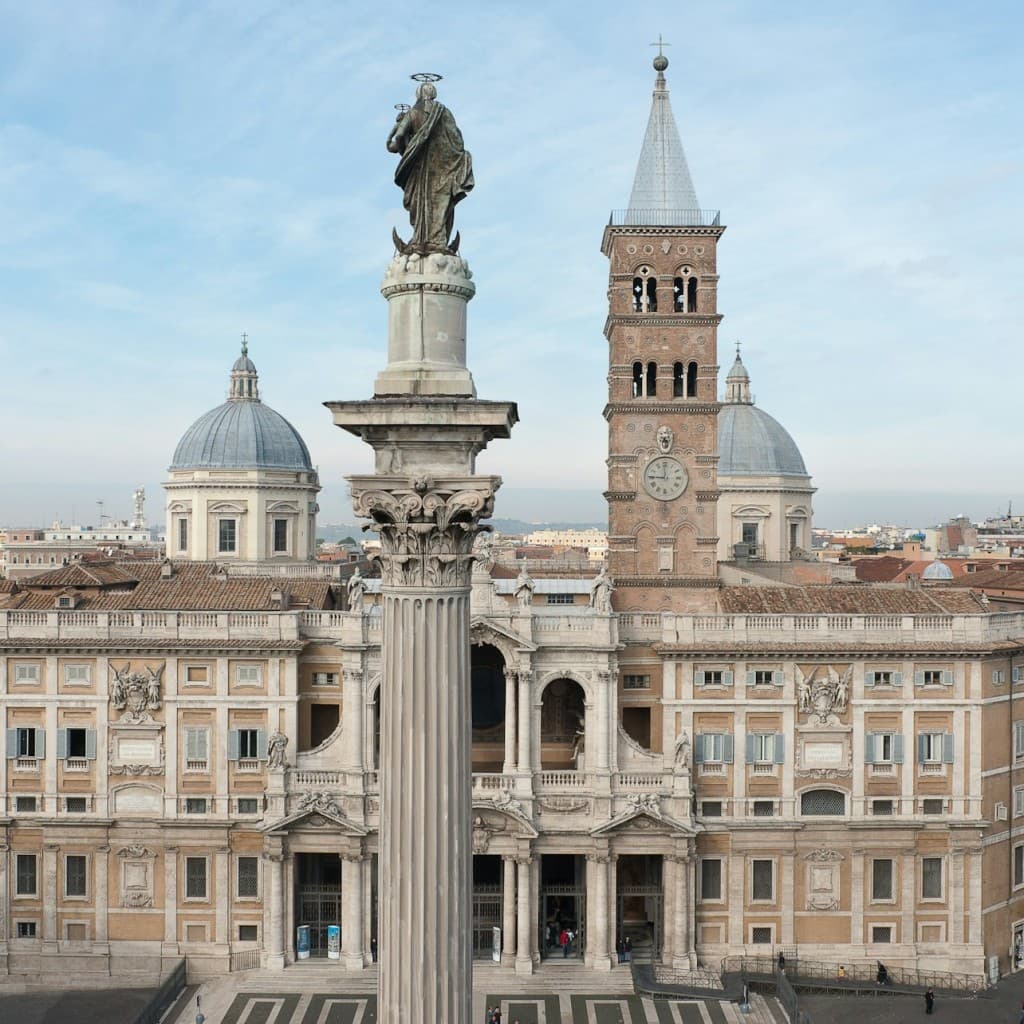
Basilica of Santa Maria Maggiore: Priority Entry + Museum
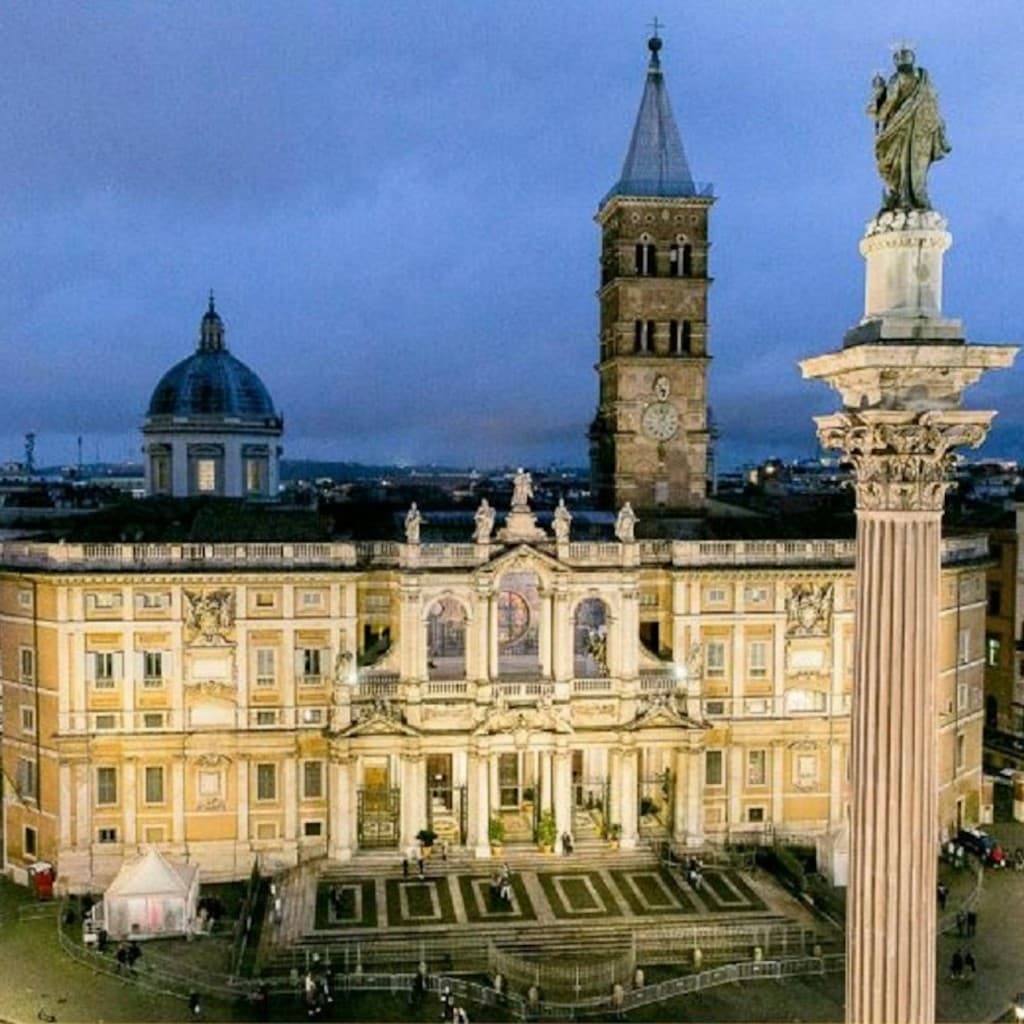
Basilica of Santa Maria Maggiore: Priority Entry Ticket + Audio Guide

Basilica of Santa Maria Maggiore, Colosseum & Marmertine Prision

Basilica of Santa Maria Maggiore: Dome Entry Ticket

Basilica of Santa Maria Maggiore: Skip The Line Ticket + Guided Tour

Basilica of Santa Maria Maggiore: Guided Tour

Basilica of Santa Maria Maggiore: Underground Guided Tour
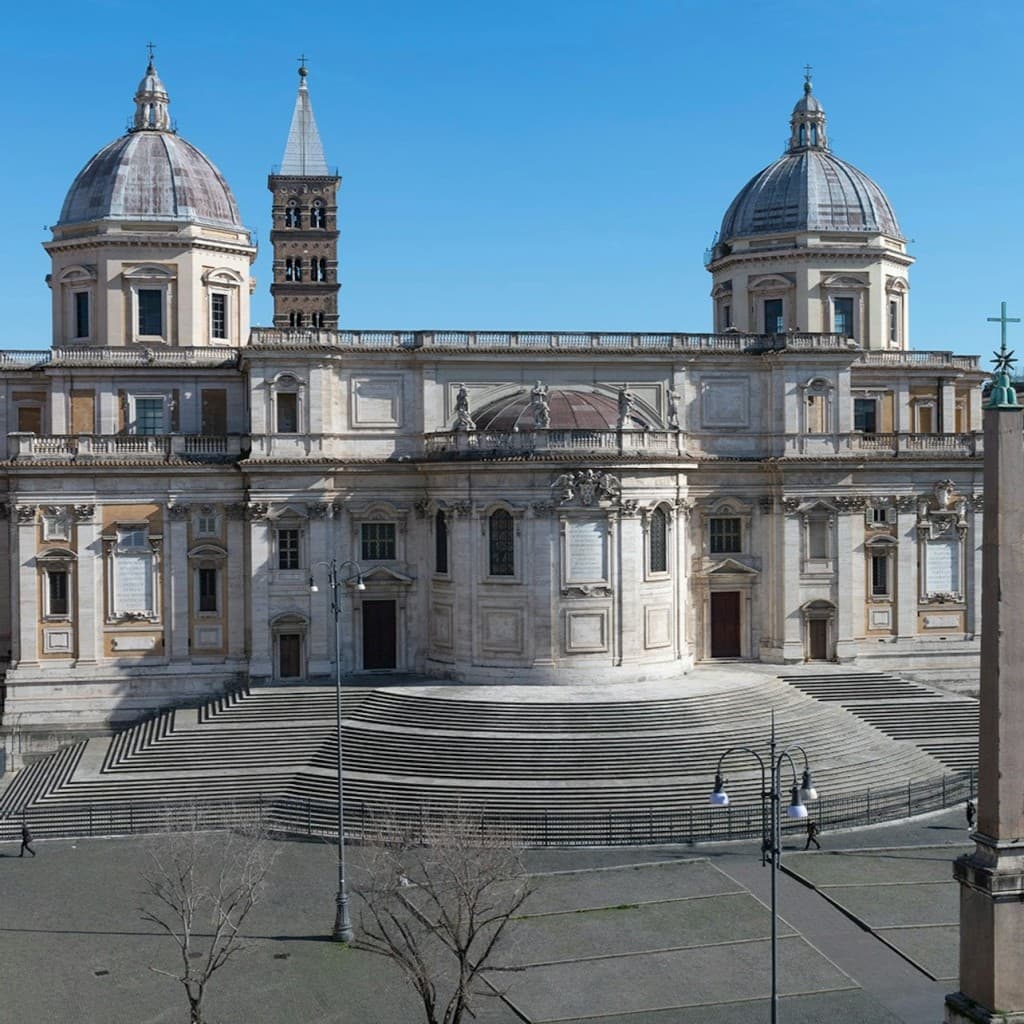
Basilica of Santa Maria Maggiore: Art and History Guided Tour
Comparer les options
| Option | Type | Résumé | Durée | À partir de | Réserver |
|---|---|---|---|---|---|
| Basilica of Santa Maria Maggiore: Priority Entry + Museum | Billets | Visite de la basilique papale de Santa Maria Maggiore et de ses musées. Explorez l'une des quatre basiliques majeures d... | Flexible | €6.31 | Réserver |
| Basilica of Santa Maria Maggiore: Priority Entry Ticket + Audio Guide | Billets | Explorez la basilique papale Sainte-Marie-Majeure pendant que l'audioguide vous enseigne la riche histoire de la basili... | Flexible | €10.40 | Réserver |
| Basilica of Santa Maria Maggiore: Dome Entry Ticket | Billets | En visitant la basilique Santa Maria Maggiore, vous découvrirez bien plus que le dôme ; vous pourrez également explorer... | Flexible | €13.86 | Réserver |
| Basilica of Santa Maria Maggiore: Art and History Guided Tour | Billets | Visitez la basilique papale de Santa Maria Maggiore en compagnie d'un expert officiel en art et en histoire et découvre... | Flexible | €17.96 | Réserver |
| Basilica of Santa Maria Maggiore: Underground Guided Tour | Billets | Préparez-vous à descendre sous terre à la basilique de Santa Maria Maggiore. Ce vaste espace souterrain comprend des sa... | Flexible | €18.59 | Réserver |
| Basilica of Santa Maria Maggiore: Guided Tour | Billets | La basilique papale de Sainte-Marie-Majeure a dominé la ville de Rome pendant près de seize siècles entiers. Lors de ce... | Flexible | €21.74 | Réserver |
| Basilica of Santa Maria Maggiore: Skip The Line Ticket + Guided Tour | Billets | Participez à une visite de la basilique Sainte-Marie-Majeure, l'une des quatre basiliques papales de Rome. Guidé par un... | Flexible | €40.58 | Réserver |
| Basilica of Santa Maria Maggiore, Colosseum & Marmertine Prision | Billets | Découvrez Rome en bénéficiant d'une entrée prioritaire à la basilique Sainte-Marie-Majeure, où vous pourrez admirer la... | Flexible | €41.00 | Réserver |
La Basilique Sainte-Marie-Majeure est l'une des quatre grandes basiliques papales de Rome, un joyau architectural et artistique incarnant des siècles de dévotion chrétienne. Dediée à la Vierge Marie, c'est la plus grande église mariale catholique de Rome et un site du patrimoine mondial de l'UNESCO. Les visiteurs sont invités à explorer ses magnifiques intérieurs, un mélange de styles paléochrétien, médiéval et baroque. De ses mosaïques anciennes représentant des scènes de l'Ancien Testament aux chapelles richement ornées et à l'abside impressionnante, la Basilique offre un profond voyage à travers l'art, l'histoire et la foi. Elle reste un lieu de culte actif et un point de repère essentiel dans la Ville Éternelle.
À quoi s'attendre
Points forts
À propos Basilica of Santa Maria Maggiore
La Basilique Sainte-Marie-Majeure occupe une position unique parmi les grandes églises de Rome, étant la seule à avoir conservé sa structure paléochrétienne d'origine, bien qu'avec de nombreux ajouts ultérieurs. Fondée au 5e siècle, sa grandeur reflète son importance en tant que l'un des sanctuaires mariaux les plus significatifs au monde. La basilique est célèbre pour sa magnifique série de mosaïques, en particulier celles qui ornent la nef, l'arc de triomphe et l'abside, qui racontent des histoires bibliques et glorifient la Vierge Marie. Son intérieur présente également un plafond à caissons éblouissant, qui aurait été doré avec le premier or rapporté des Amériques. Au fil des siècles, papes et familles nobles ont commandé diverses chapelles et autels, chacun étant un chef-d'œuvre à part entière, témoignant de l'évolution des styles artistiques et architecturaux. La basilique abrite également d'importantes reliques, dont la 'Sainte Crèche' ou une partie de la mangeoire de la Nativité, ce qui en fait un lieu de pèlerinage vénéré. Sa beauté durable et sa signification spirituelle en font une destination incontournable pour quiconque explore le riche patrimoine de Rome.
Pourquoi réserver en ligne ?
Réserver votre visite de la Basilique Sainte-Marie-Majeure en ligne offre plusieurs avantages, garantissant une expérience plus fluide et plus enrichissante. Vous pouvez obtenir une entrée prioritaire, vous permettant d'éviter les longues files d'attente potentielles, surtout pendant les hautes saisons. De nombreuses options en ligne proposent également des fonctionnalités pratiques telles que des audioguides ou l'accès aux zones muséales, améliorant votre compréhension de la vaste histoire et de l'art de la basilique. De plus, des visites guidées, y compris des options spécialisées comme les visites souterraines ou les visites d'art et d'histoire, peuvent être facilement organisées à l'avance, offrant des aperçus plus approfondis de la part de guides experts sur cette magnifique basilique papale.
Histoire
L'histoire de la Basilique Sainte-Marie-Majeure est imprégnée de légendes et de siècles de patronage papal. Selon la tradition, la Vierge Marie apparut en rêve au pape Libère et à un patricien romain, Jean, au IVe siècle, leur ordonnant de construire une église sur la colline de l'Esquilin là où la neige tomberait en août. Au matin du 5 août 358 après J.-C., la neige recouvrit miraculeusement l'endroit désigné, menant à la construction initiale de la basilique. L'édifice actuel, cependant, date en grande partie du Ve siècle, construit sous le pape Sixte III après le Concile d'Éphèse (431 après J.-C.), qui proclama Marie Theotokos (Mère de Dieu). Au fil des siècles, la basilique a subi de nombreuses rénovations et ajouts. Son emblématique clocher, le plus haut de Rome, fut ajouté au XIVe siècle, tandis que la façade baroque fut achevée au XVIIIe siècle par Ferdinando Fuga. Malgré ces modifications, la basilique conserve remarquablement son plan original de basilique paléochrétienne, ce qui en fait un témoignage unique du patrimoine religieux et artistique continu de Rome.
Heures d'ouverture
La Basilique Sainte-Marie-Majeure accueille généralement les visiteurs tous les jours tout au long de l'année. Les horaires d'ouverture généraux s'étendent habituellement d'environ 7h00 à 18h45. Cependant, il est important de noter que l'accès à certaines zones, comme le musée, la crypte ou le dôme, peut avoir des horaires différents ou plus restreints. Comme il s'agit d'un lieu de culte actif, les horaires peuvent également être modifiés pour les services religieux, les événements spéciaux ou les jours fériés. Il est conseillé de prévoir suffisamment de temps pour votre visite, surtout si vous prévoyez d'explorer plusieurs sections.
Meilleur moment pour visiter
Le moment optimal pour visiter la Basilique Sainte-Marie-Majeure est tôt le matin, peu après l'ouverture, ou plus tard dans l'après-midi, plus près de l'heure de fermeture. Durant ces périodes, les foules ont tendance à être moins nombreuses, permettant une expérience plus sereine et de meilleures opportunités d'apprécier les détails complexes de son art et de son architecture. Les jours de semaine sont généralement moins fréquentés que les week-ends. Évitez le milieu de journée si possible, surtout pendant la haute saison touristique (printemps et automne), lorsque la basilique peut être assez bondée. Visiter en dehors des grandes fêtes religieuses peut également améliorer la tranquillité de votre expérience.
Que voir à l'intérieur
À l'intérieur de la Basilique Sainte-Marie-Majeure, les visiteurs sont accueillis par une étendue de merveilles artistiques et architecturales. La vaste nef centrale est flanquée de 36 colonnes ioniques, menant le regard vers l'arc de triomphe et l'abside, tous deux ornés de spectaculaires mosaïques du Ve siècle représentant des scènes de l'Ancien Testament et de la vie de la Vierge Marie. Le plafond à caissons doré, conçu par Giuliano da Sangallo, est une merveille baroque. Explorez l'opulente Chapelle Borghèse, également connue sous le nom de Chapelle Pauline, qui abrite l'icône vénérée de Salus Populi Romani, ainsi que la Chapelle Sixtine (à ne pas confondre avec la chapelle du Vatican), contenant le tombeau du pape Sixte V. Descendez à la Crypte de la Nativité sous le maître-autel, où sont conservées les reliques du Saint Berceau. La basilique possède également un magnifique campanile, le plus haut de Rome, et un musée contenant des vêtements liturgiques, des reliquaires et d'autres artefacts historiques.
Choses à savoir
Lors de votre visite à la Basilique Sainte-Marie-Majeure, prévoyez d'arriver avec des chaussures confortables car vous marcherez beaucoup. Envisagez d'acheter vos billets en ligne à l'avance pour les zones d'accès spéciales comme le musée ou la crypte afin de gagner du temps. La photographie est généralement autorisée dans la plupart des espaces publics pour un usage personnel, mais l'utilisation du flash pourrait être restreinte. Des installations comme des toilettes sont souvent disponibles pour les visiteurs. Les visites guidées peuvent considérablement améliorer votre compréhension de la riche histoire de la basilique et de ses œuvres d'art complexes. N'oubliez pas qu'il s'agit d'un lieu de culte actif, un comportement respectueux et une tenue vestimentaire appropriée sont donc attendus.
Règles pour les visiteurs
En tant que site religieux sacré, les visiteurs de la Basilique Sainte-Marie-Majeure sont tenus d'observer certaines règles. Veuillez maintenir le silence ou parler à voix basse par respect pour les fidèles. Manger, boire et fumer sont strictement interdits à l'intérieur de la basilique. Les grands sacs et sacs à dos peuvent devoir être déposés à un vestiaire désigné. La photographie pour usage personnel est généralement autorisée, mais l'utilisation du flash est souvent interdite, et les trépieds ne sont pas permis sans autorisation spéciale. Suivez toujours les instructions du personnel de la basilique et la signalisation.
Est-ce que ça vaut le coup de visiter ?
La Basilique Sainte-Marie-Majeure vaut indéniablement le détour pour quiconque explore Rome. Elle offre un mélange captivant d'histoire, d'art et de signification spirituelle qui la distingue des autres grandes attractions romaines. Ses mosaïques antiques inégalées, sa magnifique architecture s'étendant sur des siècles et son statut de basilique papale majeure en font un trésor culturel. Que vous soyez attiré par ses chefs-d'œuvre artistiques, sa profonde histoire religieuse, ou que vous souhaitiez simplement découvrir l'une des églises les plus sacrées et les plus belles de Rome, Sainte-Marie-Majeure offre une expérience enrichissante et mémorable que peu d'autres sites peuvent égaler.
Foire aux questions
C'est l'une des quatre basiliques papales majeures de Rome, la plus grande église mariale catholique de Rome, et un site du patrimoine mondial de l'UNESCO, célèbre pour ses mosaïques antiques et sa riche histoire.
L'entrée à la basilique principale est généralement gratuite, mais il peut y avoir des frais pour des zones spécifiques comme le musée, la crypte, ou pour des visites guidées et des audioguides.
Ne manquez pas les mosaïques du Vème siècle dans la nef et l'arc de triomphe, le plafond à caissons dorés, les chapelles Borghèse et Sixtine, et la Crypte de la Nativité.
La photographie à usage personnel est généralement autorisée dans la plupart des zones, mais la photographie au flash est habituellement interdite, et les trépieds ne sont pas autorisés sans autorisation spécifique.
La plupart des visiteurs passent environ 1,5 à 2 heures à explorer la basilique, y compris les zones principales et certaines de ses chapelles et expositions spéciales.
Bien que le rez-de-chaussée de la basilique soit généralement accessible, certaines sections plus anciennes, chapelles ou la Crypte de la Nativité peuvent avoir des escaliers ou une accessibilité limitée. Il est conseillé de se renseigner à l'arrivée.
Oui, en tant qu'église active, la Basilique organise régulièrement des messes et d'autres services religieux. Les visiteurs sont les bienvenus pour y assister, mais un comportement et une tenue respectueux sont requis.
Comment s'y rendre
La Basilique Sainte-Marie-Majeure est bien desservie par le réseau de transports en commun de Rome. Vous pouvez l'atteindre via la ligne A du métro (arrêts Vittorio Emanuele ou Termini) ou la ligne B du métro (arrêt Termini), suivi d'une courte marche. De nombreuses lignes de bus s'arrêtent également à proximité. Les taxis et les services de covoiturage offrent un accès direct aux environs.