

Ce qui est inclus
- Accès à toutes les salles principales
- Entrée à la Treasure Gallery
- Accès à la Clock Gallery [selon l'option choisie]
- Accès aux cours ouvertes [selon l'option choisie]
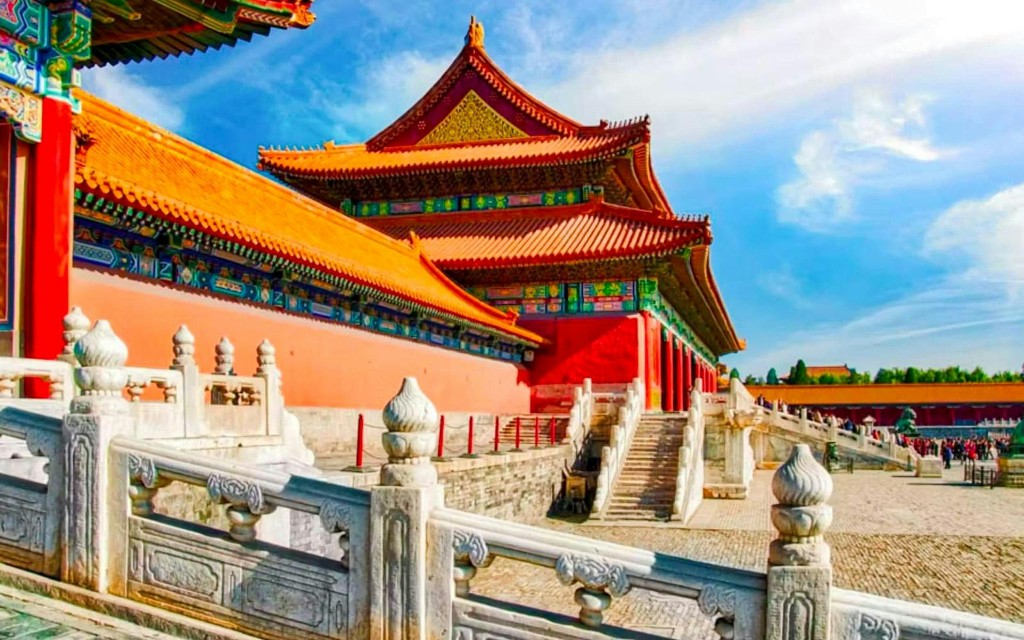
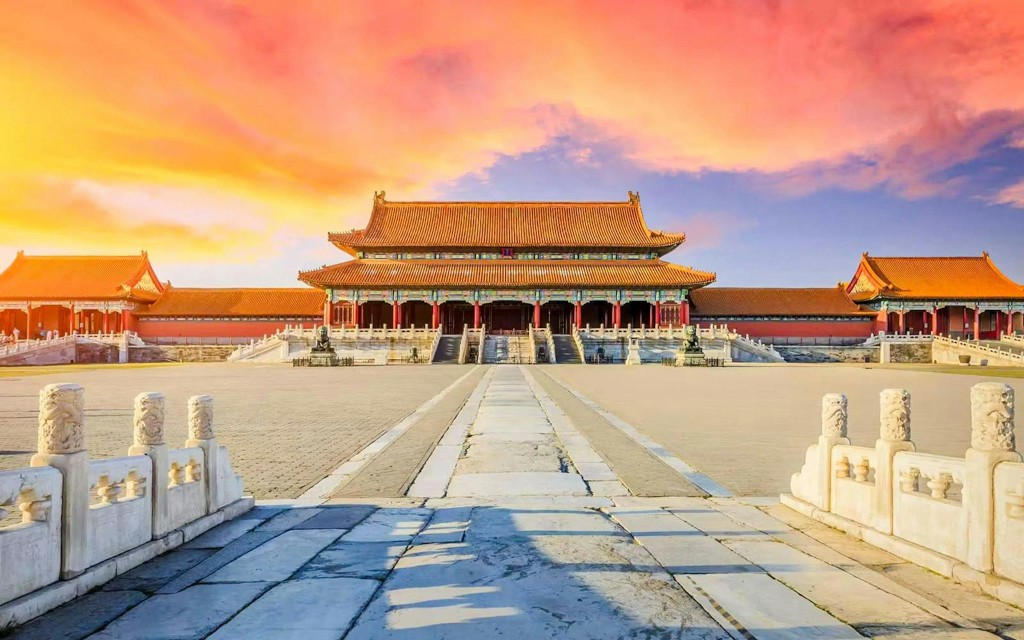
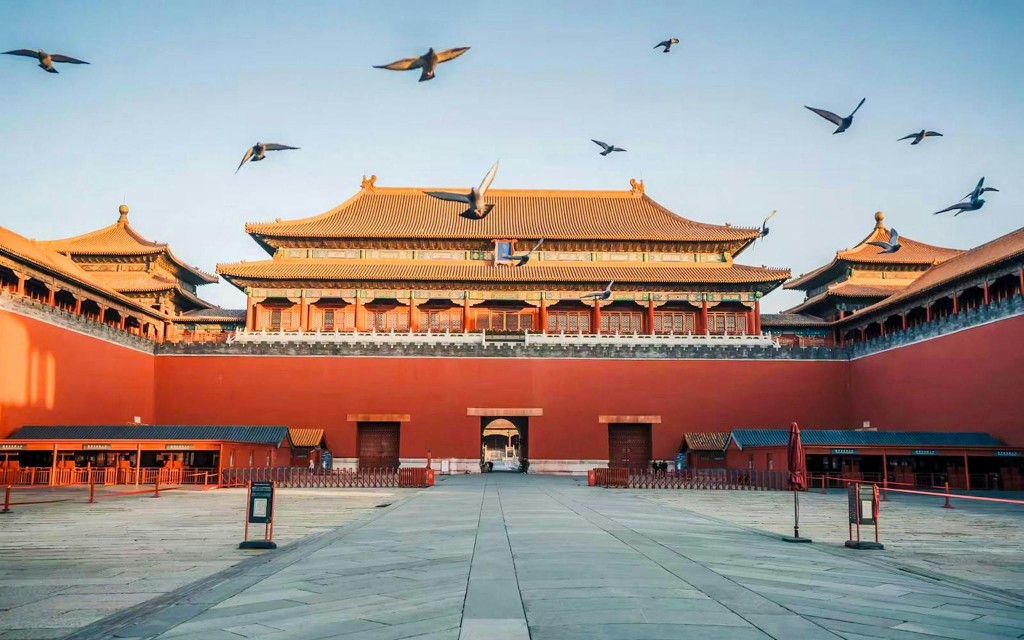
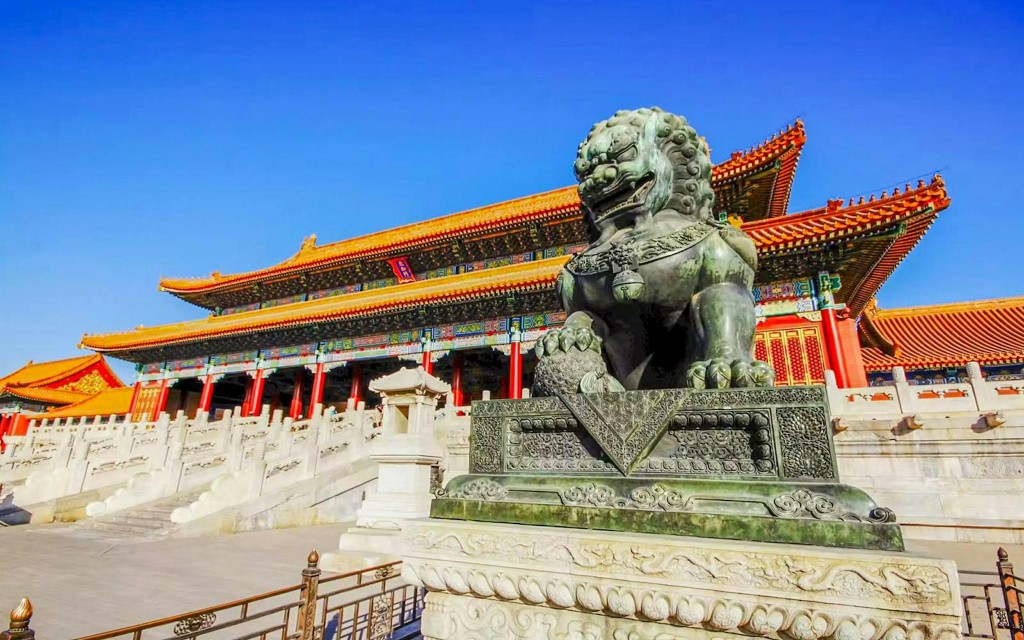
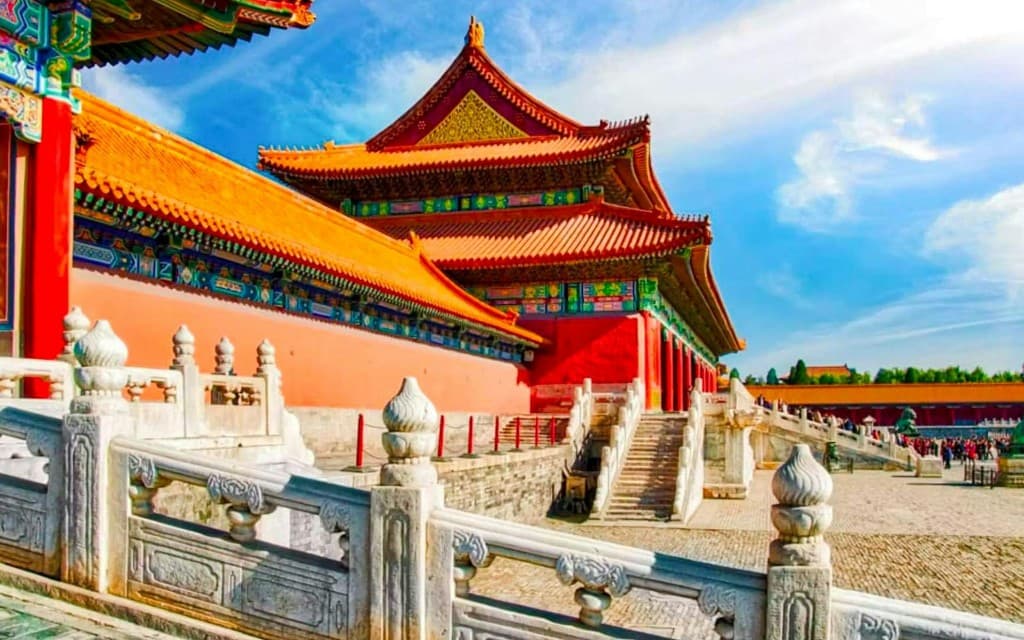
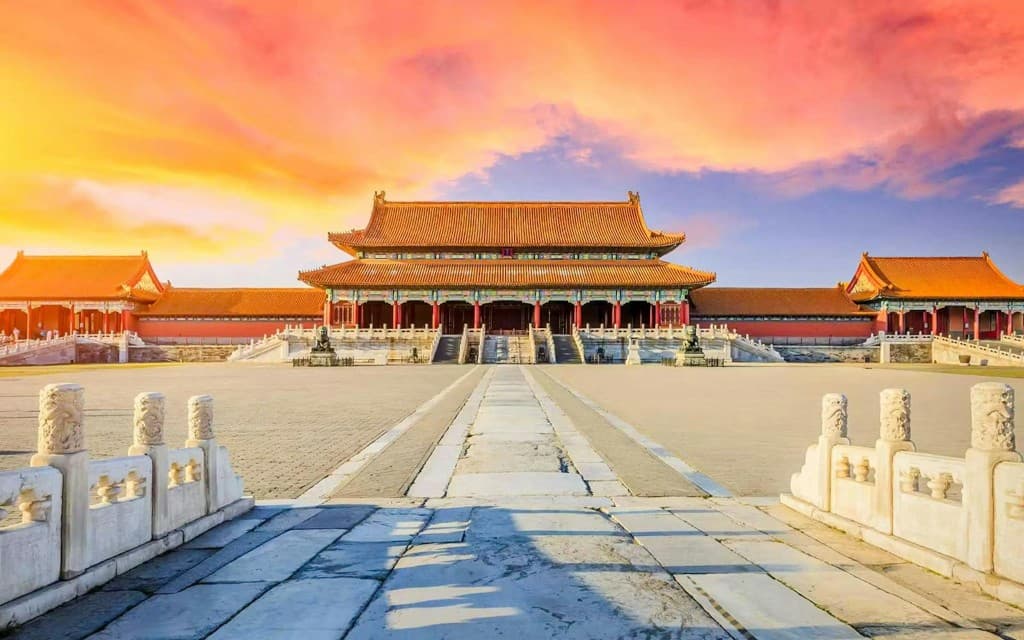
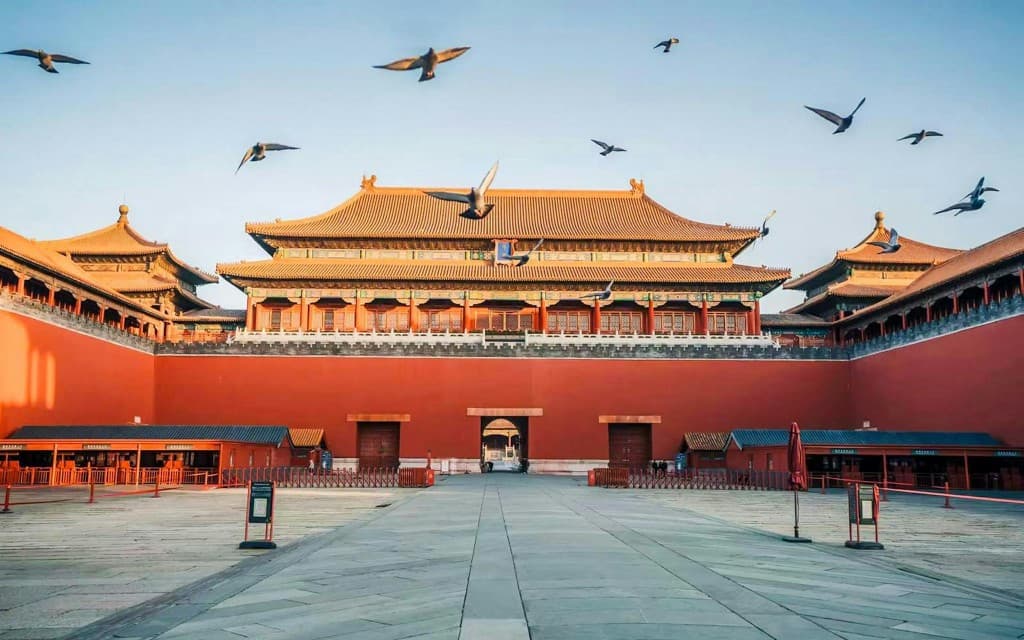
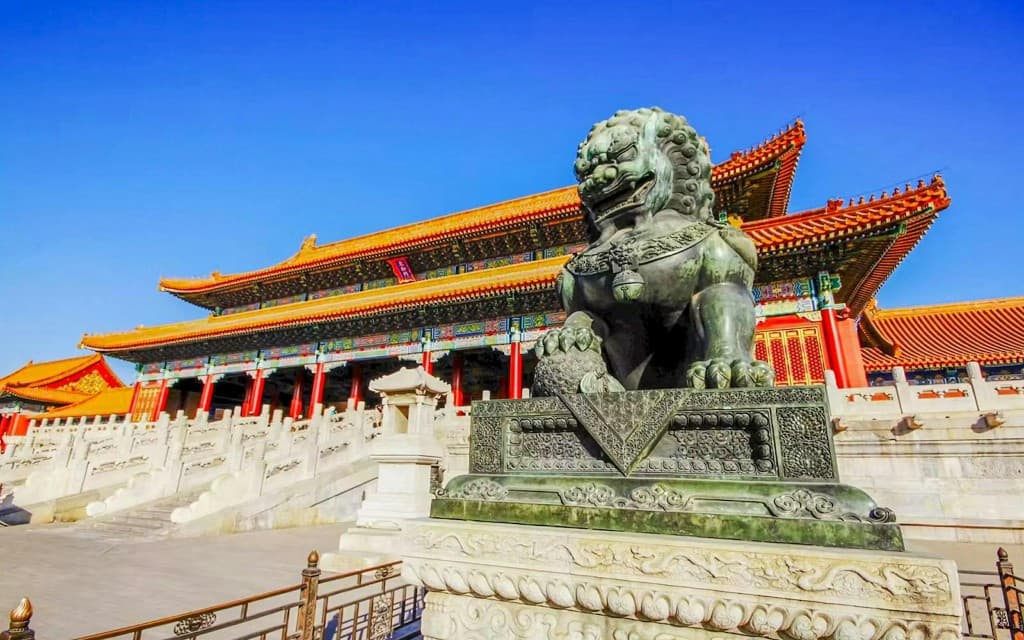
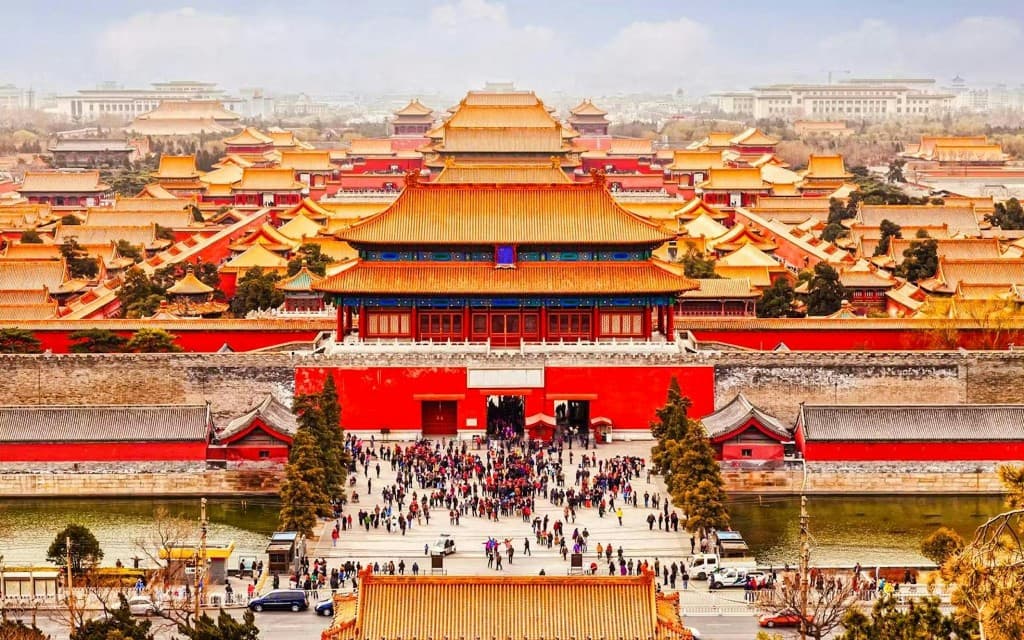
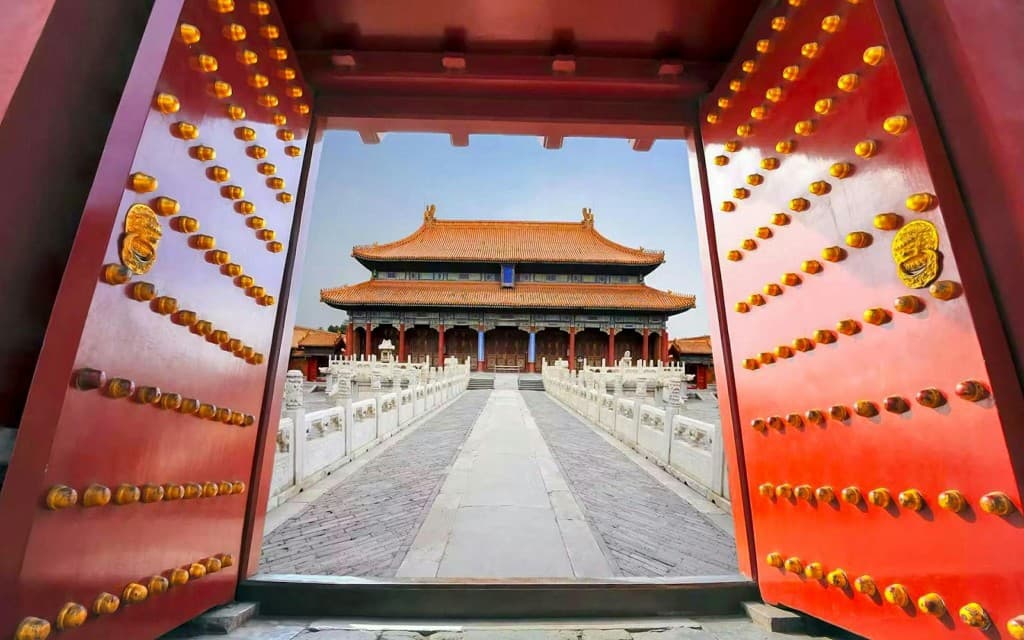
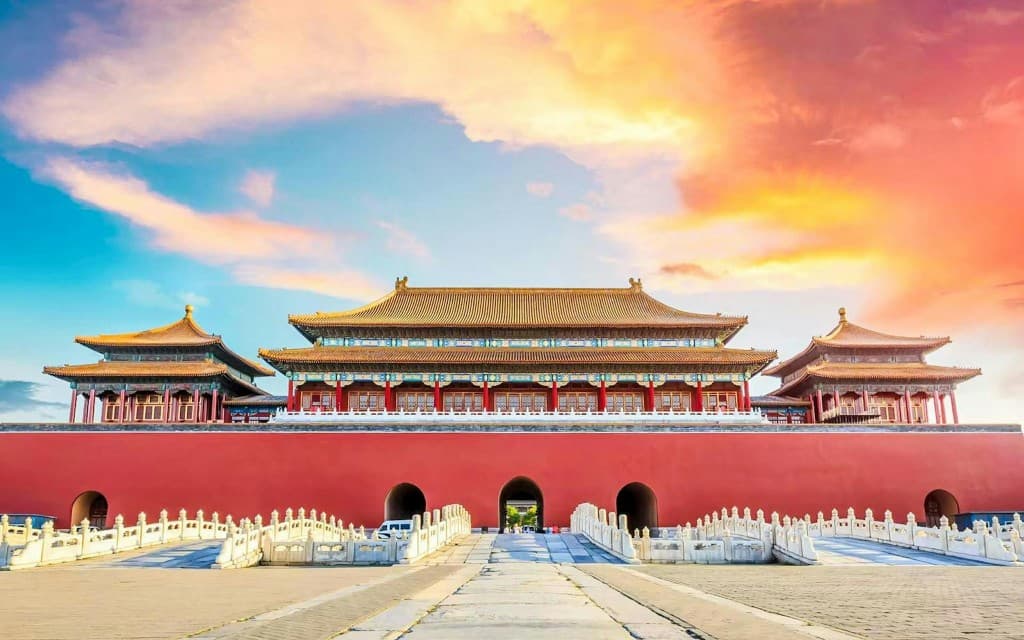
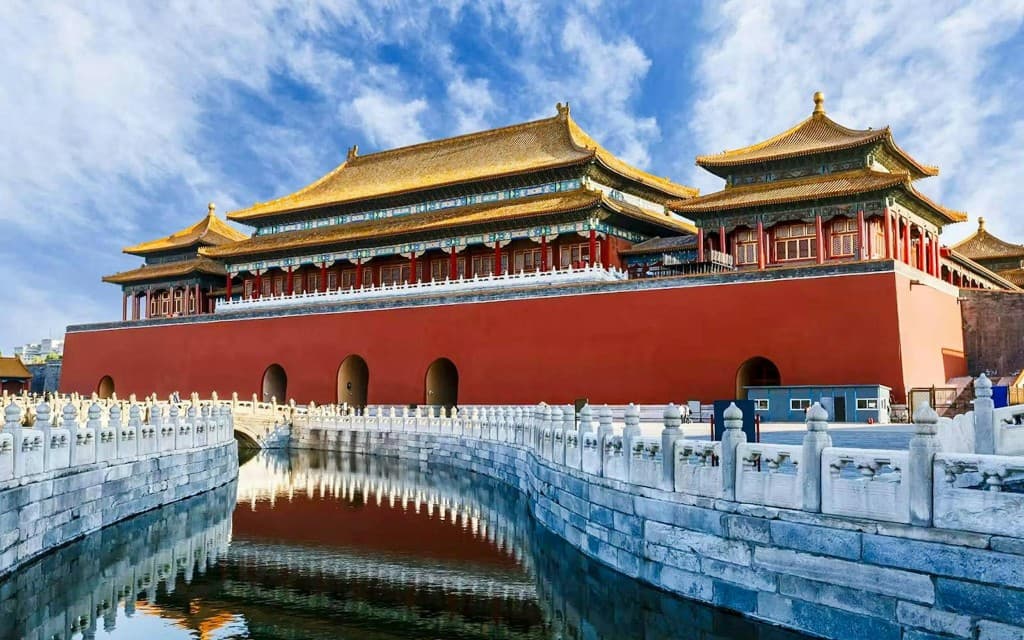
Discover the Forbidden City through these stunning photos, capturing its architectural grandeur and historical significance.
Explore the magnificent Forbidden City, a UNESCO World Heritage site and the historical heart of Beijing. Once the exclusive domain of emperors and their households for nearly 500 years, this sprawling palace complex showcases stunning traditional Chinese architecture and offers a glimpse into the opulent lives of China's past rulers. With a Forbidden City Ticket (MegaPass), you can delve deeper into the artistry, history, and cultural significance of this iconic landmark. Prepare to be transported back in time as you wander through the grand courtyards, explore the intricate halls, and discover the treasures within this remarkable imperial palace. A visit to the Forbidden City is an essential experience for anyone interested in Chinese history and culture.
There is no strict dress code for visiting the Forbidden City. However, it's recommended to dress respectfully, as it is a historical and cultural site. Comfortable clothing and shoes are advisable, as you'll be doing a lot of walking. During the summer months, lightweight and breathable clothing is recommended. In the winter, dress warmly, as the outdoor areas can be cold. Avoid wearing overly revealing or offensive clothing. Ultimately, dressing modestly and respectfully will enhance your experience and show consideration for the cultural significance of the site.
Découvrez la Cité interdite de Pékin à votre rythme, avec un accès à toutes les salles principales, à la Galerie des trésors et, en option, à la Galerie des horloges.
Entrez dans la Cité interdite par la porte du Méridien en présentant votre billet daté et votre passeport, puis suivez l'itinéraire obligatoire du sud vers le nord à travers le complexe. Si vous préférez éviter la foule, prévoyez d'arriver en dehors de la tranche horaire de pointe comprise entre 10 h et 13 h. Vous pouvez utiliser la consigne à bagages gratuite située entre la porte Meridian et la porte Shenwu, ainsi que les casiers à l'intérieur du site, adaptés aux poussettes et aux fauteuils roulants.
Vous parcourez le Musée du Palais à partir du sud vers le nord, en traversant une succession d'espaces cérémoniels et résidentiels. Votre billet vous donne accès à l'axe central du palais, ainsi qu'aux principaux espaces impériaux qui caractérisent la Cité interdite.
L'accès à toutes les salles principales vous permet de suivre le parcours central à travers le complexe, y compris les principales cours du palais utilisées pour les cérémonies impériales, tandis que vous vous dirigez vers les sorties nord, à la porte Shenwu ou à la porte Donghua.
Les cours ouvertes, disponibles en option dans le cadre de la formule « Treasure Gallery », vous offrent l'espace nécessaire pour faire une pause, admirer l'architecture du palais à partir de différents angles et prendre la mesure de l'ampleur de cette ancienne résidence impériale.
La Galerie du Trésor occupe une partie de l'aile nord-est du Palais de la Longévité sereine. Des chambres climatisées présentent une sélection ciblée d'objets utilisés par les empereurs et les impératrices au sein de la Cité interdite.
Environ 400 trésors impériaux sont exposés, parmi lesquels des sculptures en jade, des objets en émail ainsi que des vases en or et en argent qui faisaient partie des rituels de la cour et de la vie quotidienne au palais.
Les couronnes impériales ornées de pierres précieuses et représentant le phénix, ainsi que les robes impériales brodées, mettent en valeur les insignes personnels de la cour des Qing et témoignent des matériaux réservés aux plus hauts rangs.
L'accès à la Galerie des Trésors est inclus dans toutes les options de billets, ce qui vous permet de profiter d'un temps d'accès réservé dans six chambres climatisées situées dans l'enceinte du Palais de la Longévité sereine.
La Galerie des horloges, située près de la Galerie du Trésor dans la même aile nord-est, est consacrée aux garde-temps collectionnés par la cour des Qing. Elle est exposée dans la salle Fengxian et dans les chambres voisines, au sein du Musée du Palais.
Une collection de 82 horloges historiques y est exposée, dont 21 horloges astronomiques chinoises et 61 pièces importées à partir de Grande-Bretagne, de France et de Suisse.
De nombreuses pièces d'horlogerie sont dotées d'automates mécaniques complexes qui pratiquent la calligraphie, jouent d'un instrument ou animent des figurines sculptées lorsqu'ils sont activés lors de démonstrations programmées.
L'accès à la Galerie des Horloges est inclus lorsque vous choisissez l'option « Billets + Galeries du Trésor et des Horloges », et les démonstrations d'automates ont lieu à des horaires fixes que vous pourrez consulter à votre arrivée.
Vous avez le choix entre l'option « Billets + Galeries des trésors et des horloges », qui vous permettra de profiter pleinement du Musée du Palais, y compris la salle Fengxian, et l'option « Billets + Galerie des trésors », qui met l'accent sur les salles principales, les cours ouvertes et les trésors impériaux du Palais de la Longévité sereine.
Itinéraire d'accès : Vous devez effectuer la visite à partir du sud vers le nord, en entrant par la porte Meridian et en sortant par la porte Shenwu ou la porte Donghua.
Affluence : Le site connaît son plus grand afflux de visiteurs à partir de 10 h jusqu'à 13 h ; nous vous conseillons donc, dans la mesure du possible, de planifier votre visite en évitant ces heures de pointe.
Expositions : Nous vous conseillons de consulter le site officiel du Musée du Palais pour connaître les expositions en cours avant votre visite.
Consigne à bagages : La disponibilité d’un service gratuit de consigne à sacs est assurée, et les sacs sont transférés entre la porte Meridian et la porte Shenwu.
Durée de conservation : Le service de consigne à bagages est ouvert tous les jours à partir de 8 h 30 jusqu'à 18 h.
Casiers : Des casiers sont disponibles à l'intérieur de la Cité interdite pour vous permettre de ranger vos affaires.
Emplacement de la « Treasure Gallery » : La Galerie du Trésor se trouve dans le Palais de la Longévité sereine, dans l'aile nord-est.
Emplacement de la galerie Clock : La Galerie des Horloges se trouve dans la même aile nord-est que la Galerie du Trésor, dans le quartier du Palais de la Longévité sereine.
Démonstrations d'horloges : Les démonstrations d'automates à la Galerie des Horloges ont lieu à des horaires fixes ; veuillez donc consulter le programme dès votre arrivée.
Durée moyenne d'une visite : Une visite type dure environ 2 h 30 à 3 h 30, galerie des trésors comprise.
Réservation à l'avance : Les billets ne sont valables que pour la date que vous avez choisie, et vous devez effectuer une réservation au moins un jour à l'avance.
Identifiant de l'entrée : Vous devez présenter votre passeport à l'entrée « Meridian Gate » pour pouvoir entrer ; vous n'avez pas besoin d'un billet imprimé.
**Option « Galerie d'horloges » ** : Si vous choisissez l'option « Galerie des horloges », prévoyez environ 1 h 30 de plus pour votre visite.
Accès à la galerie via une option : Si vous choisissez l'option « Galerie des trésors uniquement », votre billet ne donnera pas accès à la Galerie des horloges.
The Forbidden City, also known as the Palace Museum, served as the imperial palace from the Ming Dynasty to the end of the Qing Dynasty. Construction began in 1406 and was completed fourteen years later, in 1420. The complex consists of 980 buildings and covers 74 hectares (180 acres). It is the world's largest palatial structure. The name 'Forbidden City' comes from the fact that access was restricted to members of the imperial court, their staff, and specially permitted guests. Ordinary citizens were barred from entering. Today, the Forbidden City is open to the public, allowing visitors from around the world to explore its vast courtyards, elaborate halls, and priceless collections of artifacts. Visiting this palace offers a unique opportunity to witness the grandeur of Chinese imperial life and appreciate the artistry and craftsmanship of the Ming and Qing dynasties. Allow ample time to fully appreciate the scale and detail of this historical treasure.
Booking your Forbidden City tickets online offers several advantages. You can secure your entry in advance, avoiding long queues at the ticket counters, especially during peak season. Online platforms often provide detailed information about the various ticket options, including combo tickets like the Forbidden City Ticket (MegaPass), allowing you to plan your visit efficiently. Booking online ensures a smooth and hassle-free experience, enabling you to maximize your time exploring this magnificent historical site. Take advantage of online booking to guarantee your entry and enjoy a seamless visit to the Forbidden City.
The Forbidden City's history spans over five centuries, serving as the imperial palace for 24 emperors of the Ming and Qing dynasties. Construction began in 1406 during the reign of the Yongle Emperor of the Ming Dynasty, and it was completed in 1420. The palace complex was designed to be the political and ritual center of China, embodying the power and authority of the emperor. For centuries, the Forbidden City was off-limits to ordinary citizens, hence its name. Only members of the imperial court, government officials, and specially permitted guests were allowed inside. The Forbidden City witnessed numerous significant events in Chinese history, including coronations, imperial weddings, and state ceremonies. After the fall of the Qing Dynasty in 1912, the Forbidden City was transformed into a museum in 1925, opening its doors to the public and allowing visitors to explore its rich history and cultural treasures. Today, it stands as a symbol of China's imperial past and a testament to the artistry and craftsmanship of its people.
The Forbidden City's opening hours vary depending on the season. Generally, it is open from 8:30 AM to 5:00 PM during the peak season (April 1 to October 31) and from 8:30 AM to 4:30 PM during the off-season (November 1 to March 31). The ticket office typically closes one hour before the closing time. Please note that the Forbidden City is closed every Monday, except for public holidays. It's recommended to check the official website for the most up-to-date information on opening hours before your visit.
The best time to visit the Forbidden City is during the spring (April-May) or autumn (September-October) months. The weather during these seasons is mild and comfortable, making it ideal for exploring the vast outdoor spaces of the complex. Additionally, the crowds tend to be smaller during these months compared to the peak summer season. Arriving early in the morning is advisable to avoid the largest crowds and fully appreciate the beauty and tranquility of the Forbidden City.
Inside the Forbidden City, you'll discover a wealth of historical and architectural treasures. The main courtyards offer a sense of the immense scale of the complex, leading to the heart of imperial power. Explore the grand halls, such as the Hall of Supreme Harmony, the Hall of Central Harmony, and the Hall of Preserving Harmony, where important ceremonies and meetings were held. These halls showcase stunning examples of traditional Chinese architecture, with intricate carvings, vibrant colors, and symbolic decorations. Visit the imperial palaces, including the Palace of Heavenly Purity and the Palace of Earthly Tranquility, which served as the residences of the emperor and empress. You can also explore numerous exhibitions displaying historical artifacts, artwork, and treasures that offer insights into the lives of the emperors and their courts.
Before visiting the Forbidden City, there are a few things to keep in mind. It's advisable to book your tickets online in advance to avoid long queues, especially during peak season. Remember to bring your passport or other valid identification, as it is required for entry. Wear comfortable shoes, as you'll be doing a lot of walking. Bringing water and snacks is recommended, especially during hot weather. Be aware that there are restrictions on bringing certain items into the Forbidden City, such as large bags, liquids, and sharp objects. Photography is allowed in most areas, but flash photography may be restricted in some indoor spaces. Finally, be respectful of the historical site and follow the instructions of the staff.
To ensure the preservation of the Forbidden City and the enjoyment of all visitors, there are a few rules to follow. Please refrain from touching or climbing on any of the artifacts or structures. Avoid littering and dispose of your trash in designated bins. Smoking is prohibited within the Forbidden City. Be respectful of other visitors and avoid making excessive noise. Follow the instructions of the staff and security personnel. Large bags and luggage may be subject to inspection. By adhering to these rules, you can help preserve this historical site for future generations.
The Forbidden City is undoubtedly worth visiting for anyone interested in Chinese history, architecture, and culture. As a UNESCO World Heritage site, it offers a unique glimpse into the lives of China's emperors and the grandeur of the imperial court. The sheer scale of the complex, with its numerous palaces, halls, and courtyards, is awe-inspiring. Exploring the Forbidden City allows you to appreciate the intricate details of traditional Chinese architecture, the artistry of the artifacts, and the rich history that permeates every corner. Whether you're a history enthusiast, an architecture lover, or simply curious about Chinese culture, a visit to the Forbidden City is an unforgettable experience.
Ticket prices vary depending on the season and any special exhibitions. Please check the official website for current pricing.
Yes, purchasing tickets online in advance is highly recommended to avoid long queues.
Opening hours vary depending on the season, but it is generally open from 8:30 AM to between 4:30 PM and 5:00 PM. Closed on Mondays (except public holidays).
Allow at least 3 to 4 hours to explore the main areas of the Forbidden City.
There is no strict dress code, but it is recommended to dress respectfully.
Large bags may be subject to inspection. There are also restrictions on bringing certain items inside.
Photography is allowed in most areas, but flash photography may be restricted in some indoor spaces.
There are limited options for food and beverages inside. Bringing your own water and snacks is advisable.
Yes, audio guides are available for rent at the entrance, providing detailed information about the various sites within the Forbidden City.
The Forbidden City is easily accessible by public transportation. Take subway line 1 to Tiananmen East or Tiananmen West station. From either station, it's a short walk to the entrance of the Forbidden City.
There is no strict dress code for visiting the Forbidden City. However, it's recommended to dress respectfully, as it is a historical and cultural site. Comfortable clothing and shoes are advisable, as you'll be doing a lot of walking. During the summer months, lightweight and breathable clothing is recommended. In the winter, dress warmly, as the outdoor areas can be cold. Avoid wearing overly revealing or offensive clothing. Ultimately, dressing modestly and respectfully will enhance your experience and show consideration for the cultural significance of the site.