Ce qui est inclus
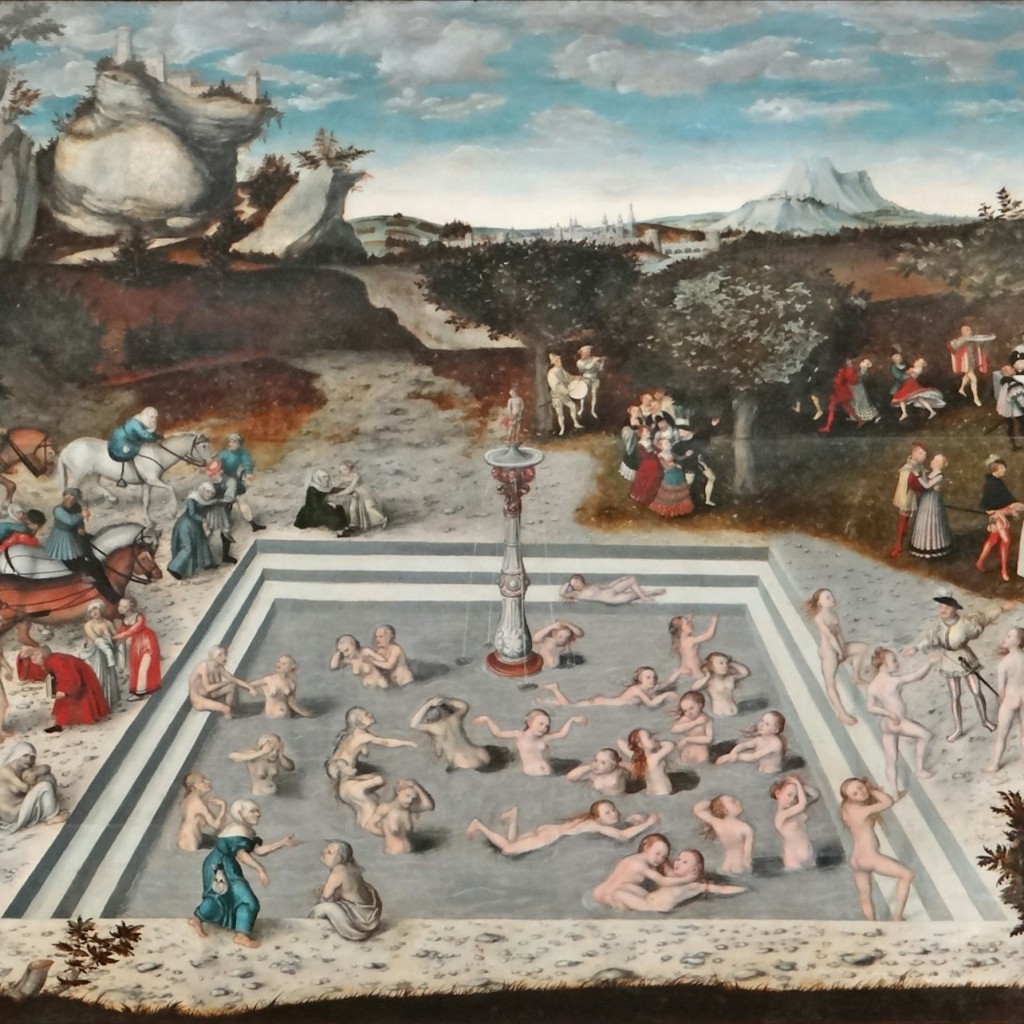
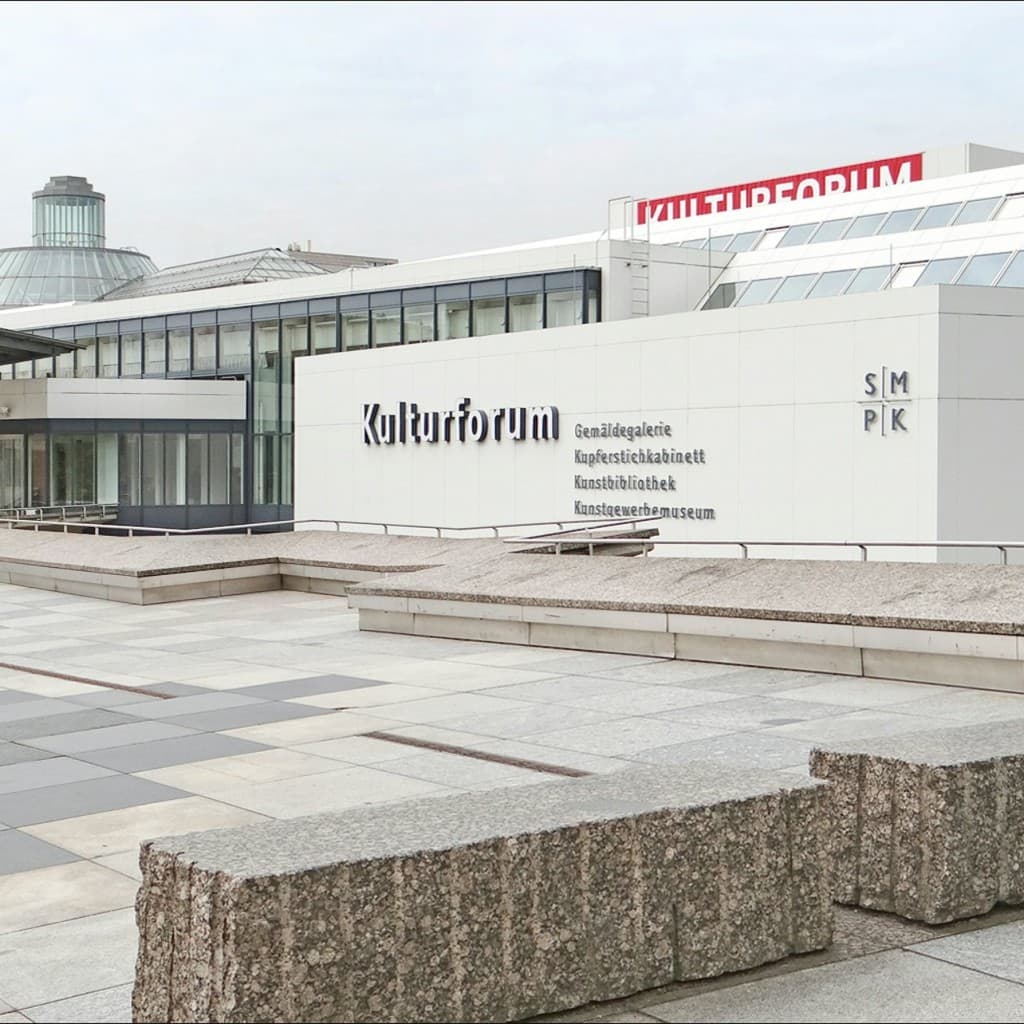
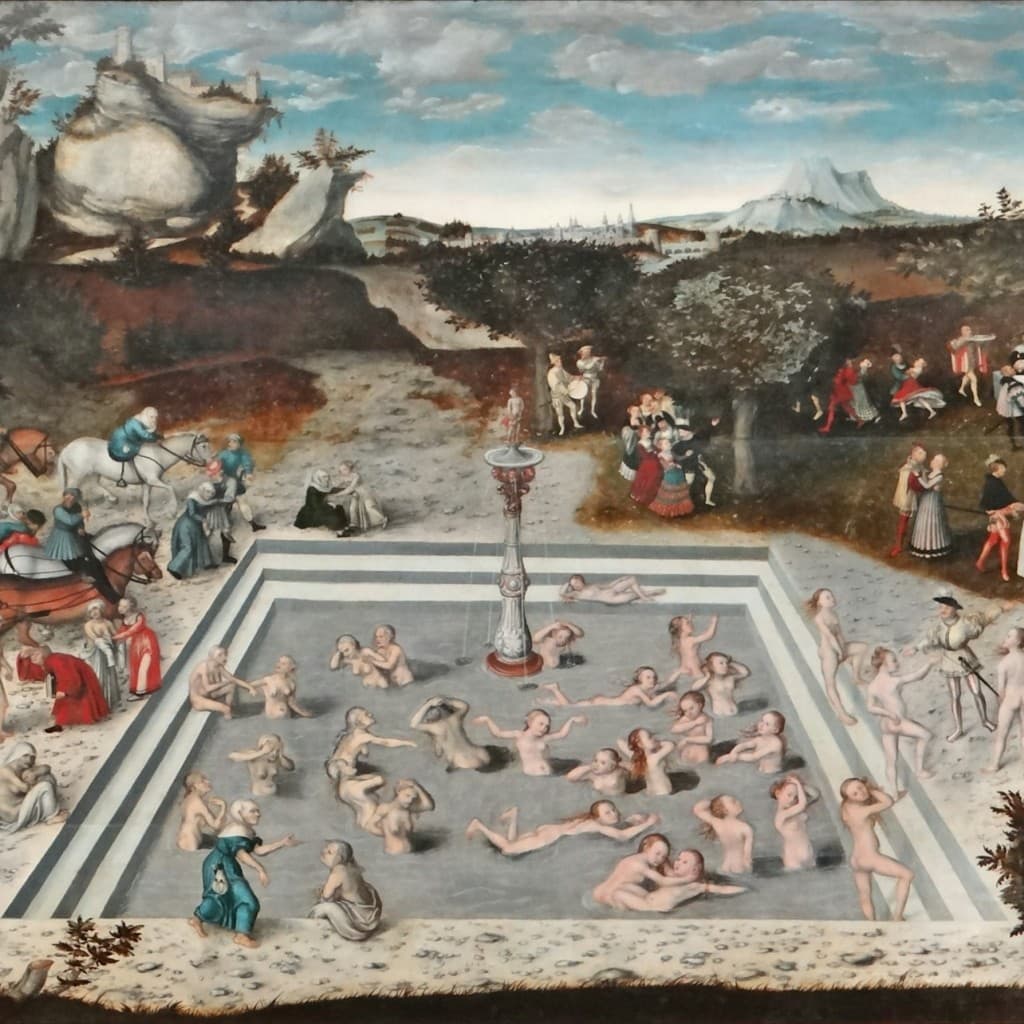
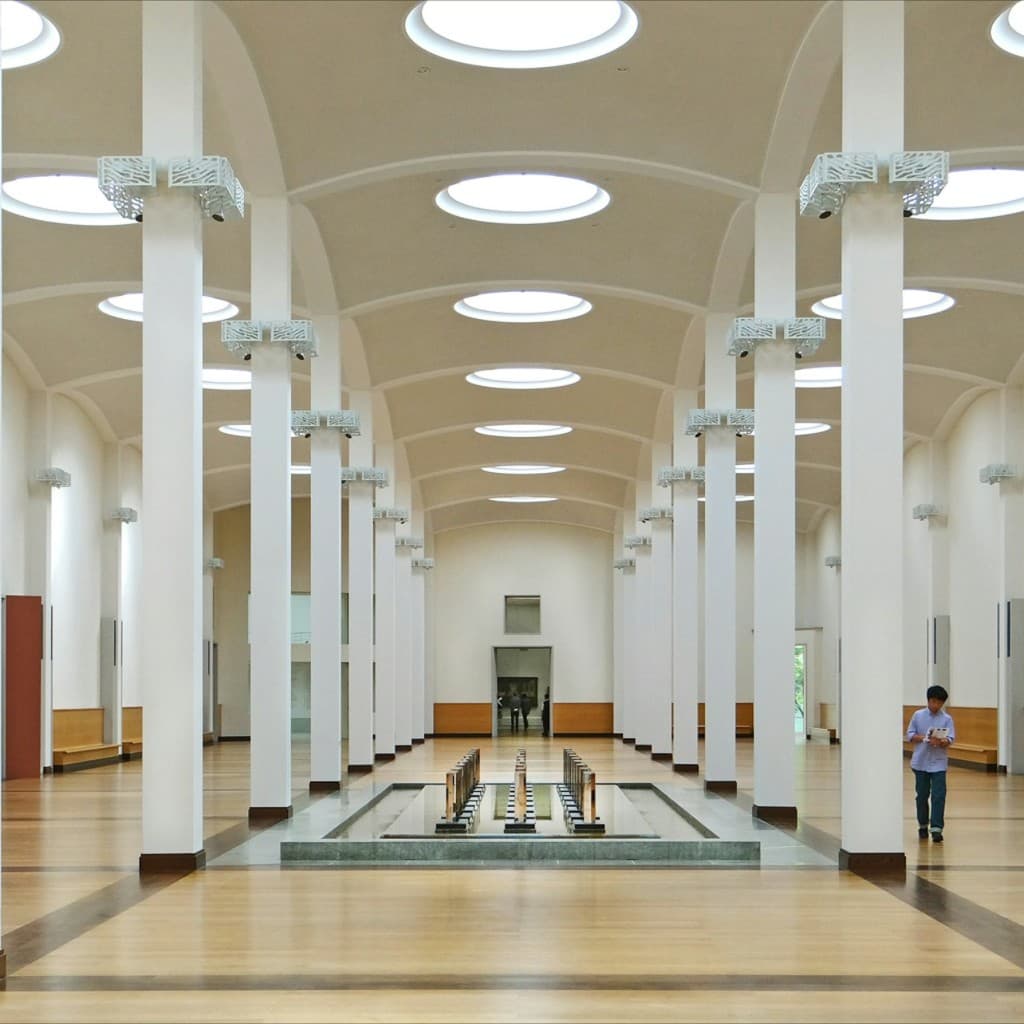
- Galerie des portraits (Gemäldegalerie)
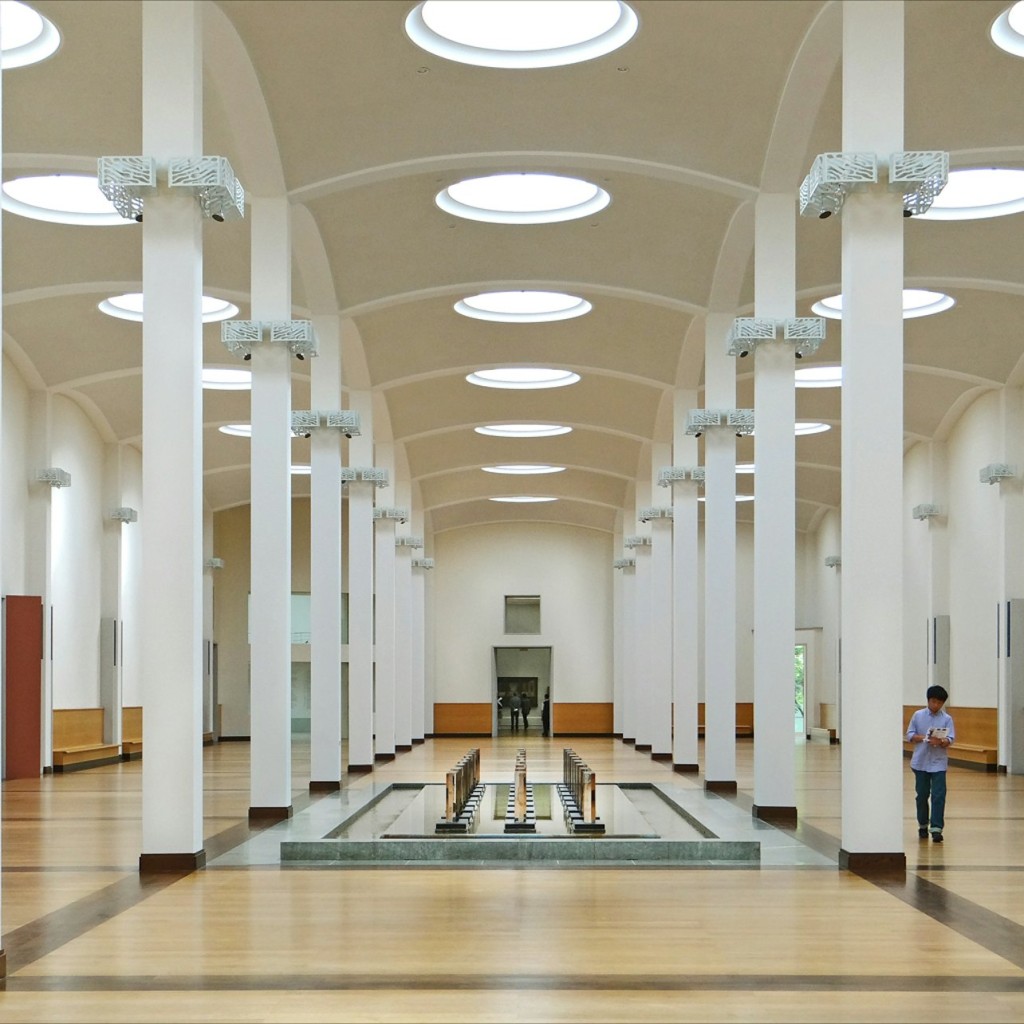
- Musée des arts décoratifs (Kunstgewerbemuseum)
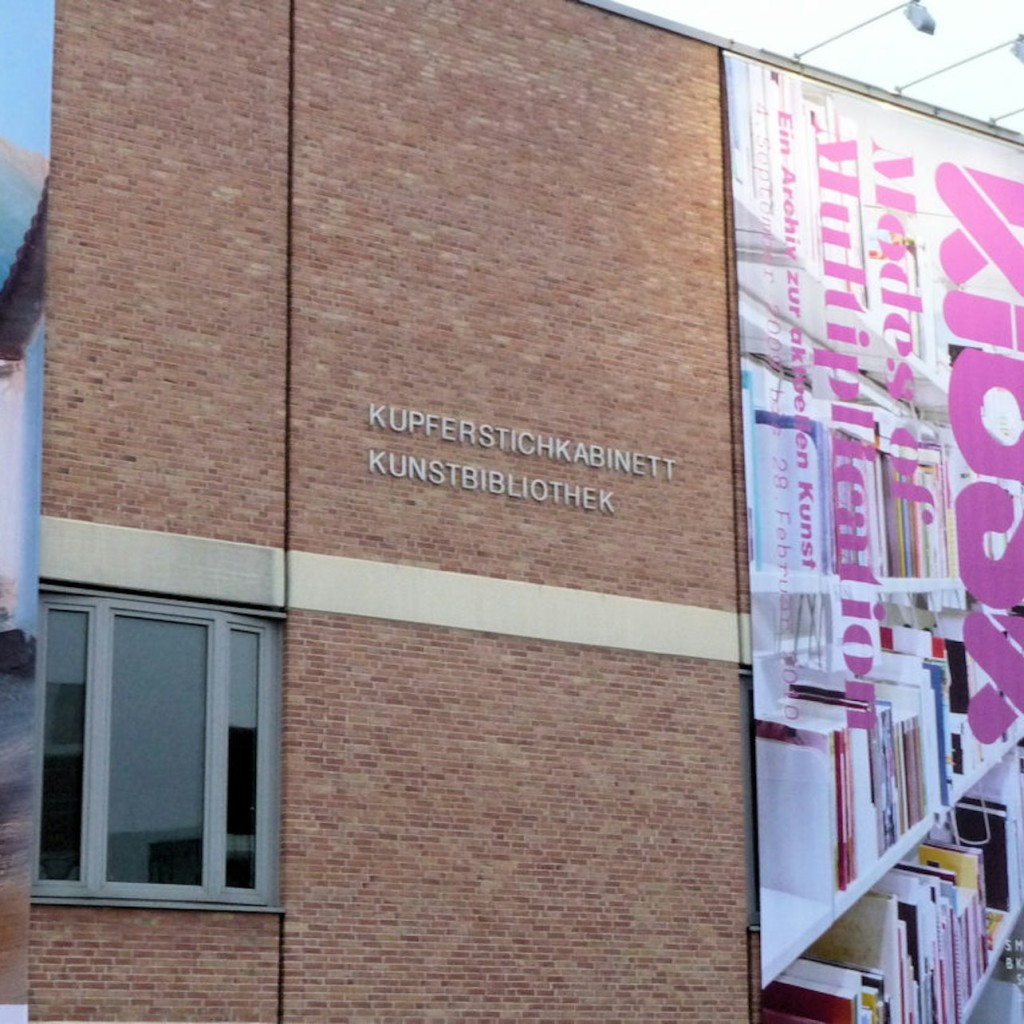
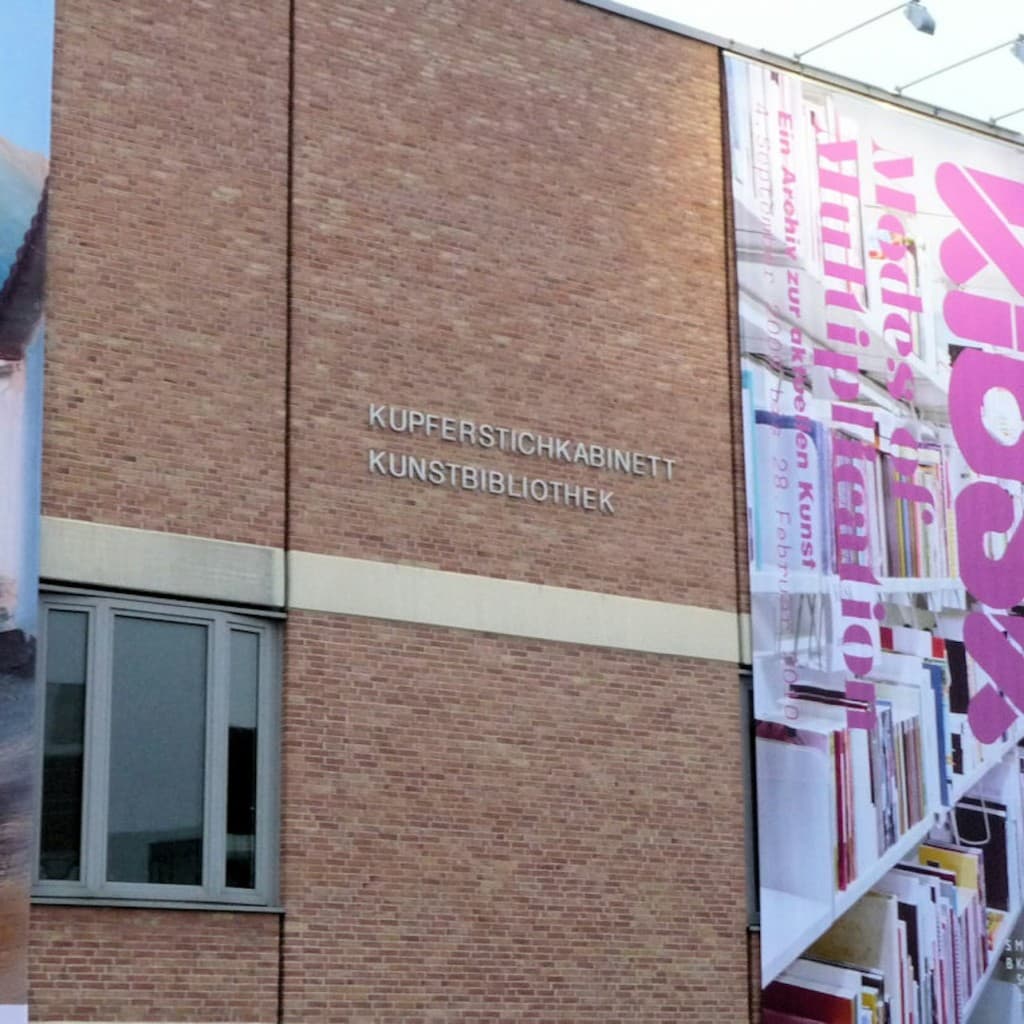
- Musée des estampes et des dessins (Kupferstichkabinett)
- Entrée de la Neue Nationalgalerie
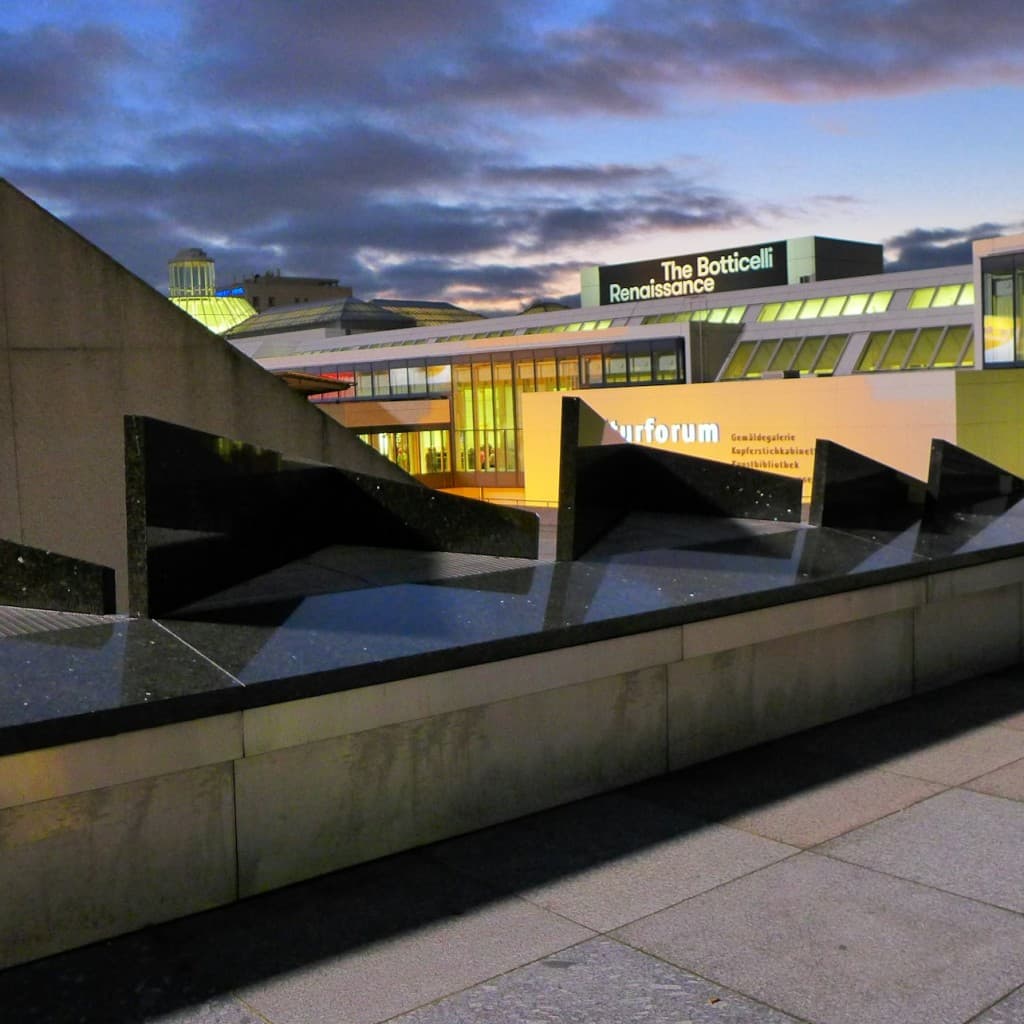
Explore a visual journey through the iconic architecture and impressive collections of the Kulturforum Berlin.
The Kulturforum Berlin stands as a vibrant testament to cultural excellence, offering an unparalleled collection of world-class museums, iconic architectural landmarks, and premier performance venues. Conceived in the post-war era as a new cultural heart for West Berlin, it now unites diverse institutions under one roof. Visitors can explore a rich tapestry of art from various periods, delve into historical collections, and experience world-renowned music performances. From ancient masterpieces to modern design, the Kulturforum provides an enriching journey through human creativity and intellect, making it a must-visit destination for anyone seeking to engage with Berlin's profound cultural landscape.
There is no formal dress code for visiting the Kulturforum's museums and institutions. Casual and comfortable attire is generally recommended, suitable for walking and spending several hours exploring. However, if attending a concert at the Berliner Philharmonie, many attendees opt for smart casual or semi-formal wear, reflecting the occasion of a classical music performance.
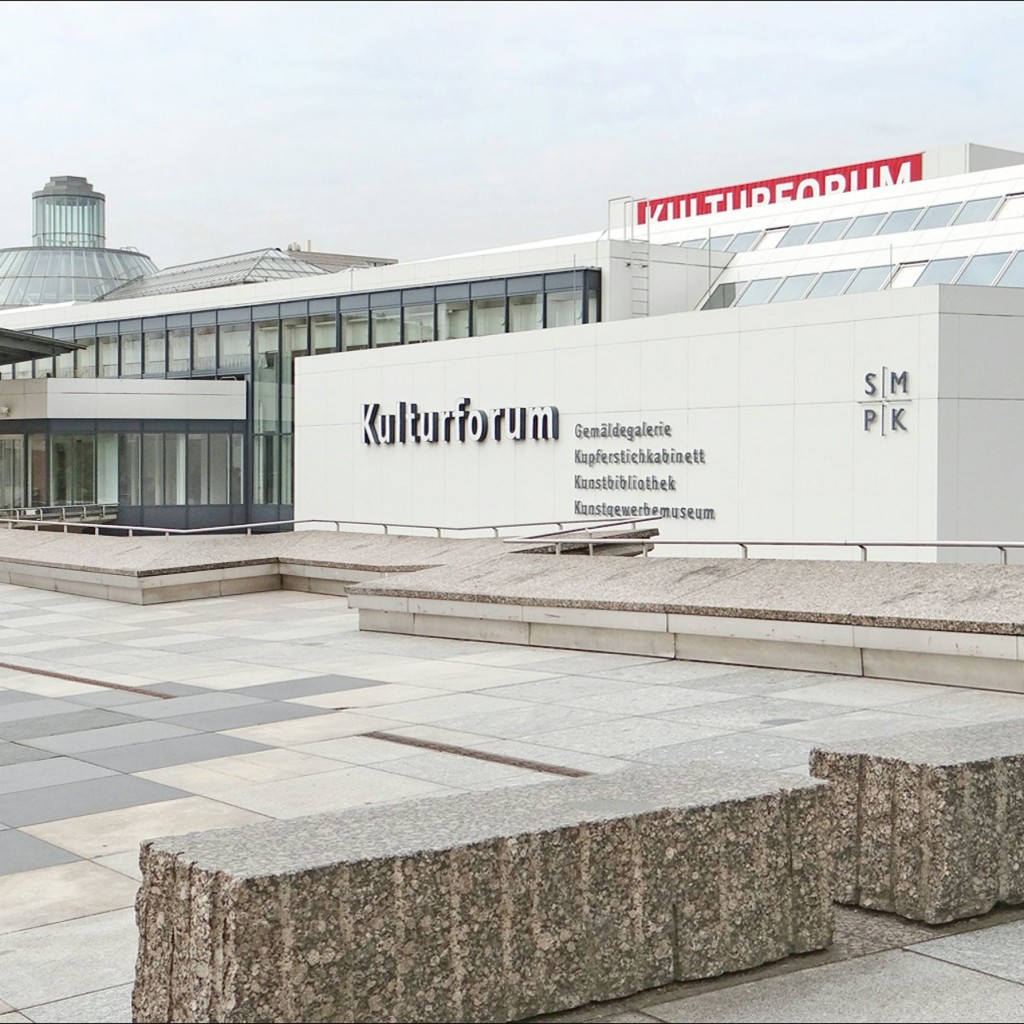
Situated prominently in Berlin's central Tiergarten district, the Kulturforum is a unique ensemble of cultural buildings. It emerged as a strategic urban planning initiative in West Berlin during the Cold War, designed to create a cultural counterpoint to the historic Museum Island located in East Berlin. This ambitious project brought together some of the most significant cultural institutions, each housed in architecturally distinct buildings from the mid-20th century. Key institutions include the Neue Nationalgalerie, a minimalist masterpiece by Mies van der Rohe; the Berliner Philharmonie, a revolutionary concert hall by Hans Scharoun; and the Gemäldegalerie, home to an exquisite collection of European Old Master paintings. The complex also features the Kunstgewerbemuseum (Museum of Decorative Arts), the Musikinstrumenten-Museum (Museum of Musical Instruments), the Staatliche Kunstbibliothek (State Art Library), and parts of the Staatsbibliothek zu Berlin (Berlin State Library). The Kulturforum is not just a collection of buildings but a dynamic cultural space that continues to evolve, hosting exhibitions, concerts, and scholarly pursuits, reflecting Berlin's enduring commitment to arts and culture.
Booking your tickets online for the Kulturforum Berlin offers several advantages, ensuring a smoother and more convenient visit. You can secure your entry to various museums and events in advance, avoiding potential queues and saving valuable time, especially during peak tourist seasons. Online booking often provides access to combined tickets or special passes that cover multiple institutions, potentially offering better value. It also allows you to plan your itinerary more effectively by confirming entry times and availability, ensuring your preferred dates and slots are reserved. This streamlined process lets you focus on enjoying the rich cultural offerings rather than logistical concerns.
The history of the Kulturforum is intrinsically linked to Berlin's post-World War II division and its subsequent reconstruction. After Berlin was partitioned, West Berlin found itself without many of its traditional cultural centers, which were now located in the Soviet sector (East Berlin), notably Museum Island. In response, plans were developed in the late 1950s to create a new, modern cultural hub in West Berlin. The vision was to establish a prestigious ensemble of cultural buildings that would symbolize West Berlin's resilience and commitment to democratic values and artistic freedom. Leading architects of the time, including Hans Scharoun and Ludwig Mies van der Rohe, were commissioned to design key structures. The Berliner Philharmonie, designed by Scharoun, opened in 1963, followed by Mies van der Rohe's iconic Neue Nationalgalerie in 1968. Over the subsequent decades, other institutions like the Gemäldegalerie and the Kunstgewerbemuseum were added, solidifying the Kulturforum's status as a premier cultural destination. Today, it stands as a unique architectural landscape and a testament to Cold War-era urban planning and cultural ambition.
The Kulturforum comprises several distinct institutions, and their individual opening hours differ considerably. While many museums typically operate from Tuesday to Sunday, often opening around 10:00 AM and closing between 5:00 PM and 6:00 PM, these times are subject to change. Some venues may have extended hours on specific days, and most are closed on Mondays. It is advisable for visitors to consult the specific schedules for the Neue Nationalgalerie, Gemäldegalerie, Berliner Philharmonie, and other institutions they plan to visit to ensure the most accurate and up-to-date information for their trip.
The best time to visit the Kulturforum is during the weekdays, especially in the mornings, to avoid larger crowds that tend to gather on weekends and during peak afternoon hours. Early spring (April-May) and early autumn (September-October) offer pleasant weather for exploring the complex and less intense tourist traffic compared to the height of summer. These seasons also provide a comfortable climate for walking between the various buildings. If you plan to attend a concert at the Berliner Philharmonie, checking their schedule in advance is essential as performances typically occur in the evenings.
The Kulturforum offers a diverse array of attractions within its grounds. The Neue Nationalgalerie, designed by Ludwig Mies van der Rohe, houses an impressive collection of 20th-century art, including works by Cubists, Expressionists, and Surrealists. Nearby, the Gemäldegalerie presents a magnificent journey through European painting from the 13th to 18th centuries, with masterpieces by Rembrandt, Vermeer, Rubens, and Botticelli. The Kunstgewerbemuseum (Museum of Decorative Arts) showcases European applied arts from the Middle Ages to the present day, featuring textiles, furniture, and ceramics. Music enthusiasts can explore the Musikinstrumenten-Museum, home to a vast collection of historical musical instruments, and marvel at the unique tent-like structure of the Berliner Philharmonie, a hub for classical music. The complex also includes the Staatliche Kunstbibliothek and parts of the Staatsbibliothek zu Berlin, offering insights into art history and vast literary resources.
When planning your visit to the Kulturforum, remember that it's a large complex with multiple institutions, so wear comfortable shoes. Consider purchasing a Berlin WelcomeCard if you plan to use public transport extensively and visit many attractions, as it might offer discounts. Allow ample time for exploration; trying to rush through everything in one go might be overwhelming. Most major museums offer audio guides for an enhanced experience. Lockers are usually available for bags, but large luggage might not be accommodated. Check individual museum websites for current exhibitions and event schedules, especially for the Berliner Philharmonie. Photography without flash is generally permitted in permanent collections, but always respect specific signage.
To ensure a pleasant experience for all visitors and the preservation of exhibits, specific rules are generally observed across the Kulturforum's institutions. Large bags, backpacks, and umbrellas are typically not allowed inside exhibition areas and must be stored in provided lockers. Food and beverages are usually restricted to designated areas. Flash photography is prohibited to protect sensitive artworks, and tripods may require special permission. Running, loud conversations, and touching exhibits are not permitted. Please respect fellow visitors and maintain a quiet atmosphere, especially in galleries and libraries.
The Kulturforum is absolutely worth visiting for anyone with an interest in art, music, architecture, or history. It offers a unique concentration of world-class cultural institutions within a distinctive architectural setting. Where else can you admire Old Master paintings, explore modern art in an iconic building, delve into the history of musical instruments, and potentially attend a concert by a world-renowned orchestra, all within walking distance? Its significance as a cultural beacon born from Cold War-era challenges also adds a fascinating historical layer, making it a truly enriching and memorable experience in Berlin.
The Kulturforum Berlin is a prominent cultural complex in Berlin, Germany, housing various museums, art galleries, libraries, and the famous Berliner Philharmonie concert hall. It was developed in West Berlin during the Cold War.
Key institutions include the Neue Nationalgalerie, Gemäldegalerie, Kunstgewerbemuseum (Museum of Decorative Arts), and Musikinstrumenten-Museum (Museum of Musical Instruments). Parts of the State Library are also located there.
Yes, the Berliner Philharmonie, home to the Berlin Philharmonic Orchestra, is a central and iconic part of the Kulturforum complex, renowned for its distinctive architecture and acoustics.
A general visit to one or two main institutions might take 2-4 hours. To thoroughly explore several museums and soak in the atmosphere, a half-day to a full day, or even multiple visits, would be ideal.
Often, visitors can purchase combined tickets or passes that grant access to multiple museums within the Kulturforum or across the State Museums of Berlin. It's advisable to check current options when planning your visit.
Most institutions within the Kulturforum are designed to be accessible, offering ramps, elevators, and accessible restrooms. Specific accessibility details should be checked for each individual venue.
Generally, food and drinks are not allowed inside the exhibition rooms to protect the artworks. Many institutions have cafes or restaurants where visitors can refresh themselves.
Many museums within the Kulturforum offer guided tours, often at specific times or by prior arrangement. Audio guides are also typically available for self-guided exploration.
The Kulturforum is well-connected by Berlin's public transportation network. You can reach it via U-Bahn (underground) line U2 to Potsdamer Platz, S-Bahn (urban rail) lines S1, S2, S25, S26 to Potsdamer Platz or S1, S2, S25, S26 to Brandenburger Tor (a slightly longer walk). Numerous bus lines also serve the area, including M48, M85, and 200, with stops like Varian-Fry-Straße or Potsdamer Brücke providing convenient access. From Potsdamer Platz station, the Kulturforum is just a short walk away.
There is no formal dress code for visiting the Kulturforum's museums and institutions. Casual and comfortable attire is generally recommended, suitable for walking and spending several hours exploring. However, if attending a concert at the Berliner Philharmonie, many attendees opt for smart casual or semi-formal wear, reflecting the occasion of a classical music performance.