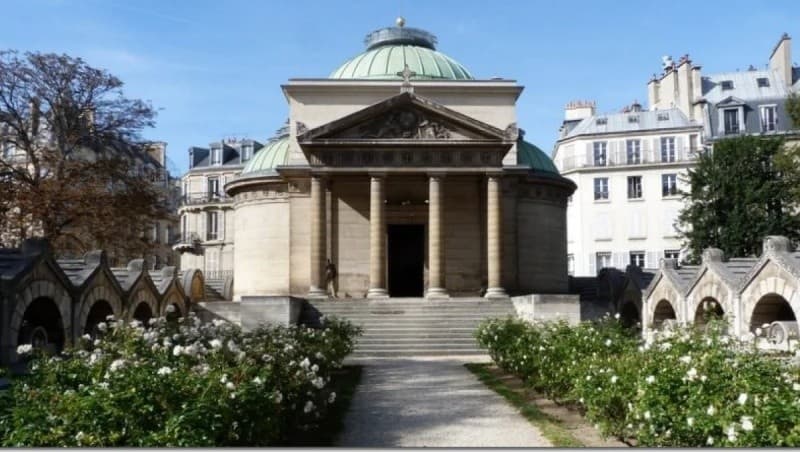
Paris: Chapelle Expiatoire Entrance Tickets
Explore the serene Chapelle Expiatoire, a hidden gem in Paris dedicated to the memory of King Louis XVI and Queen Marie Antoinette. Marvel at its neoclassical architecture and tranquil garden setting, offering a quiet retreat for reflection and remembrance.
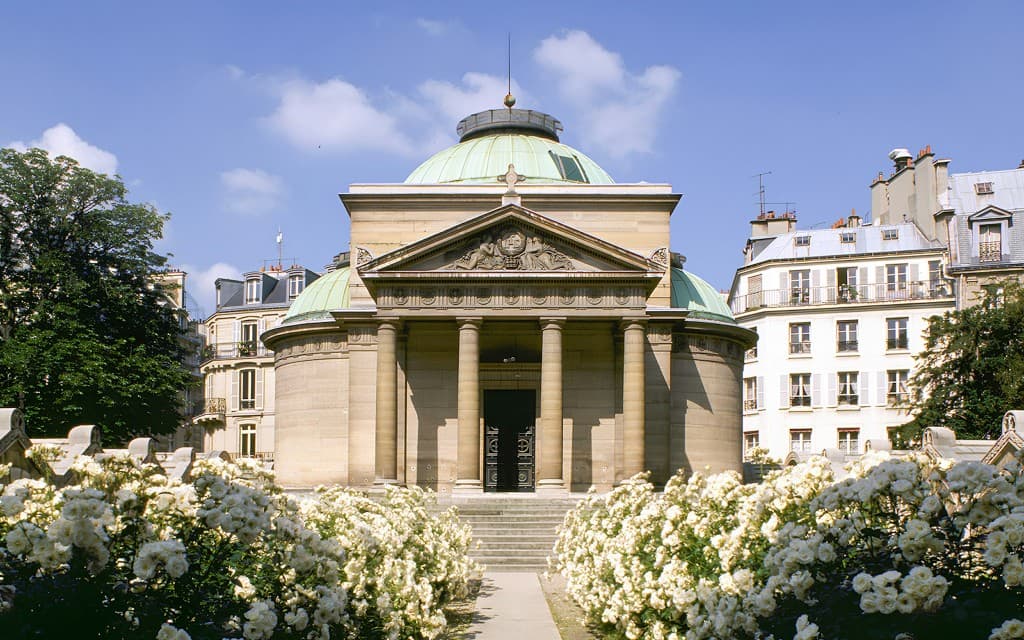
Expiatory Chapel Paris Entry Ticket
Visit the Expiatory Chapel with a ticket—explore its tranquil dome, crypt, royal sculptures, and neoclassical cloister in the heart of Paris.
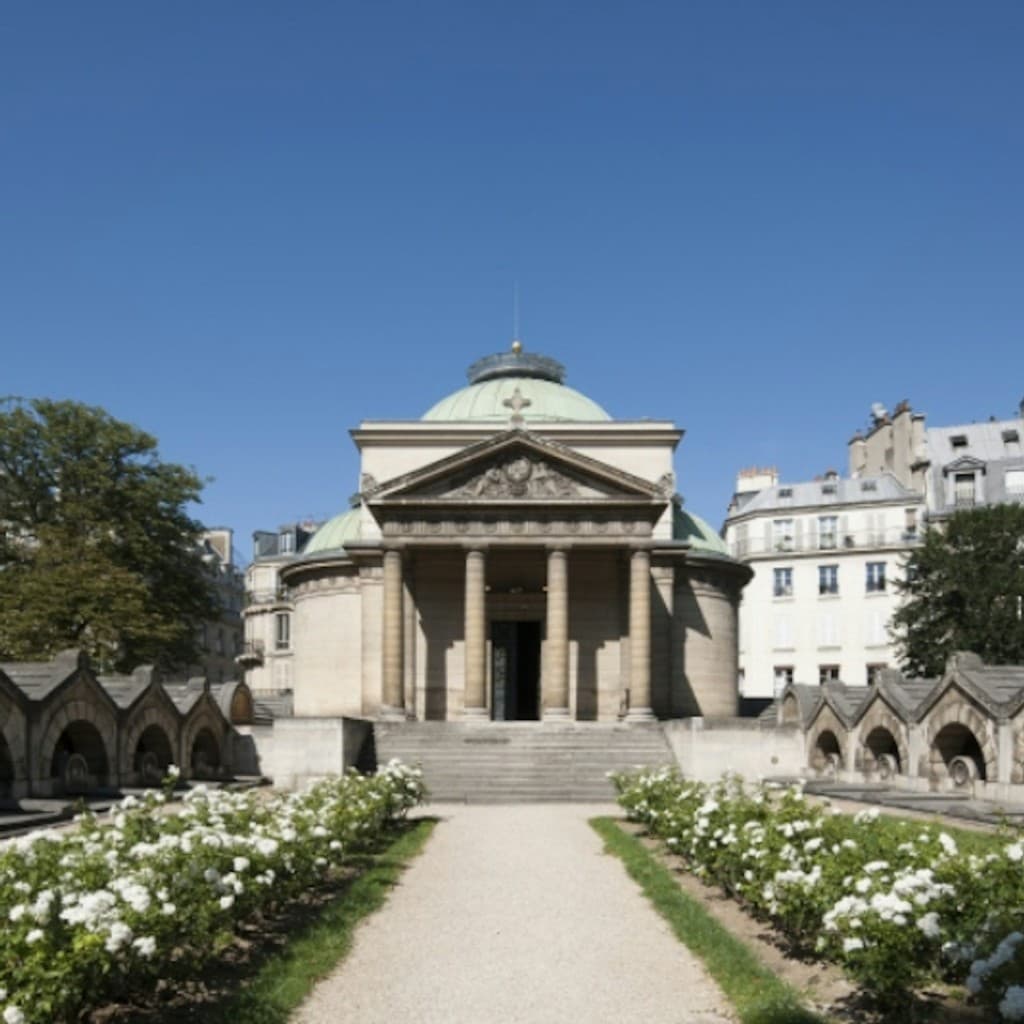
Expiatory Chapel: Entry Ticket
The Expiatory Chapel, nestled in the heart of Paris, stands as a poignant tribute to King Louis XVI and Queen Marie Antoinette. This solemn monument was erected on the former Madeleine Cemetery, the initial burial ground for the royal couple after their execution during the French Revolution. Designed by Pierre-François-Léonard Fontaine, the chapel offers visitors a tranquil and reflective space, far removed from the bustling city streets. It serves as a unique historical landmark, providing deep insights into a tumultuous period of French history and the fate of its monarchy. A visit here allows for a moment of contemplation on the past and appreciation for its distinctive Neoclassical architecture.
À quoi s'attendre
Points forts
À propos Expiatory Chapel
The Expiatory Chapel (Chapelle Expiatoire) is a remarkable Neoclassical edifice commissioned by King Louis XVIII, Louis XVI's younger brother, as a memorial to the tragic end of the royal family. Completed in 1826, it stands on sacred ground where Louis XVI and Marie Antoinette were first interred following their guillotining in 1793. The site itself was once part of the Madeleine Cemetery, which was later desacralized and built over. The chapel's architecture, characterized by its austere elegance, includes a central domed rotunda and two smaller chapels. Inside, visitors will find powerful marble sculptures depicting Louis XVI being led to heaven by an angel and Marie Antoinette receiving the sacrament. Below the main chapel lies a crypt, marking the precise spot where the royal remains were discovered before their transfer to the Basilica of Saint-Denis. The chapel is surrounded by a serene, tree-lined courtyard, enhancing its atmosphere of quiet remembrance and historical gravity, making it a compelling destination for those interested in French history and royal heritage.
Pourquoi réserver en ligne ?
Booking your visit to the Expiatory Chapel online offers convenience and peace of mind. By securing your tickets in advance, you can streamline your entry and ensure a smooth start to your exploration of this historically significant monument. Online booking helps in planning your itinerary efficiently, especially if you are visiting multiple attractions in Paris. It eliminates the need to purchase tickets on-site, allowing you to dedicate more time to experiencing the chapel's serene atmosphere and rich history without unnecessary delays.
Histoire
The history of the Expiatory Chapel is deeply entwined with the tumultuous events of the French Revolution. After their execution by guillotine in 1793, King Louis XVI and Queen Marie Antoinette were initially interred in an unmarked mass grave in the Madeleine Cemetery. In 1815, following the Bourbon Restoration, King Louis XVIII, Louis XVI's brother, ordered the exhumation of their remains, which were then ceremoniously transferred to the royal necropolis at the Basilica of Saint-Denis. To commemorate the site of their original burial and to atone for the regicide, Louis XVIII commissioned the construction of the Expiatory Chapel. Designed by Pierre-François-Léonard Fontaine, a prominent Neoclassical architect, the chapel was consecrated in 1826. It stands as a powerful symbol of royalist sentiment and a poignant reminder of a violent chapter in French history, transforming a burial ground into a sacred space of remembrance and reflection for the fallen monarchy.
Heures d'ouverture
The Expiatory Chapel generally opens in the late morning and closes in the late afternoon, with specific hours often varying seasonally. It is typically closed on Mondays and certain public holidays. Last entry is usually about 30 minutes before closing time. It is advisable to allow ample time before the stated closing hour for a complete and unhurried visit to fully appreciate the monument and its historical significance.
Meilleur moment pour visiter
To experience the Expiatory Chapel in its most tranquil state, consider visiting during the morning shortly after opening or in the late afternoon before closing. Weekdays are generally less crowded than weekends. Visiting during the off-peak tourist seasons, such as late autumn or early spring, can also offer a more reflective and intimate experience, as the chapel tends to be a quiet place of contemplation rather than a bustling attraction.
Que voir à l'intérieur
Inside the Expiatory Chapel, visitors can explore a meticulously designed space dedicated to remembrance. The main chapel features impressive white marble sculptures: one depicting Louis XVI, lifted towards heaven by an angel, and another of Marie Antoinette kneeling before a symbolic altar. These sculptures are powerful artistic representations of their martyrdom. The architecture itself, with its grand dome and classical lines, evokes a sense of solemnity. Below, a crypt marks the exact location where the remains of the royal couple and other revolutionaries were found. The crypt also houses a black marble altar, making it a particularly poignant part of the visit. The quiet gardens surrounding the chapel also invite peaceful reflection before or after entering the monument.
Choses à savoir
The Expiatory Chapel is a smaller, more intimate monument compared to some of Paris' larger attractions, offering a unique opportunity for quiet reflection. The entire visit is typically completed within 1 to 1.5 hours. Photography without flash is generally permitted inside for personal use, but always be mindful of signage. The site is a historical monument, and while efforts are made for accessibility, some areas, particularly the crypt, may have limited access for visitors with mobility issues. Consider purchasing the Paris Museum Pass if you plan to visit multiple museums and monuments, as the chapel is often included.
Règles pour les visiteurs
Visitors to the Expiatory Chapel are expected to maintain a respectful and quiet demeanor, as it is a place of solemn remembrance. Loud conversations, running, and disruptive behavior are not permitted. Food and drinks are generally prohibited inside the monument. Large bags and backpacks may need to be checked or carried in front. Always follow the instructions of the chapel staff and respect any specific restrictions, such as designated areas where photography might be prohibited. Touching the historical artifacts or structures is not allowed.
Est-ce que ça vaut le coup de visiter ?
The Expiatory Chapel is absolutely worth visiting for anyone interested in a unique and poignant piece of French history. It offers a rare glimpse into the aftermath of the French Revolution and the subsequent royalist efforts to commemorate the fallen monarchy. Unlike grander, more crowded Parisian landmarks, the chapel provides a serene and contemplative atmosphere, allowing for a deeper connection to the historical narrative. Its beautiful Neoclassical architecture and profound symbolism make it a compelling site for historical reflection and architectural appreciation, away from the typical tourist paths.
Foire aux questions
The Expiatory Chapel is a monument in Paris dedicated to the memory of King Louis XVI and Queen Marie Antoinette, built on their original burial site.
It is located in the 8th arrondissement of Paris, at 29 Rue Pasquier, 75008 Paris, France.
It was commissioned by King Louis XVIII to commemorate the spot where Louis XVI and Marie Antoinette were initially buried after their execution during the French Revolution.
Yes, the chapel includes crypts that mark the precise spot where the royal remains were found before their transfer to Saint-Denis Basilica.
A typical visit to the Expiatory Chapel usually lasts between 1 to 1.5 hours, allowing for quiet contemplation and exploration.
Generally, photography without flash is permitted for personal use inside the chapel, but it is always best to check for any specific restrictions on site.
As a historical monument, some areas, particularly the crypt, may have limited accessibility for visitors with mobility challenges. Inquire on-site for specific details.
Comment s'y rendre
The Expiatory Chapel is conveniently located and easily accessible via public transport in Paris. You can reach it by Metro: take Line 9 to Saint-Augustin station, or Lines 3, 12, 13, or 14 to Madeleine station, which is a short walk away. Several bus lines also serve the area, with stops close to the chapel. From these stations, the chapel is just a few minutes' walk, making it a straightforward destination to integrate into your Parisian exploration.