Ce qui est inclus
- Accès prioritaire à la Basilique Santa Croce
- Accès aux chapelles Pazzi, Bardi et Peruzzi
- Accès aux tombes
- Accès au musée du Réfectoire (le crucifix de Cimabue)
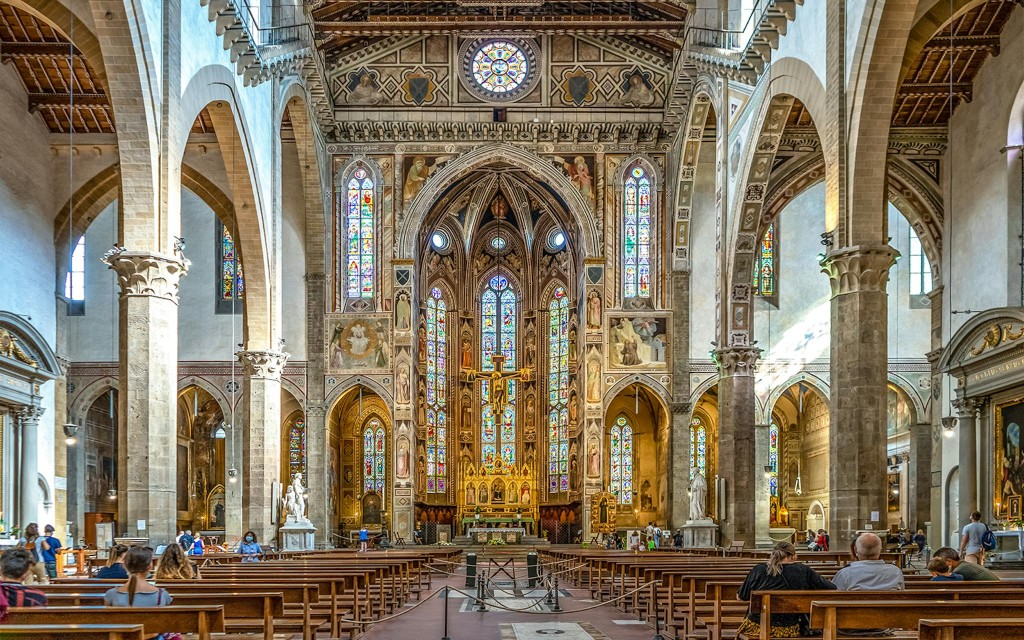
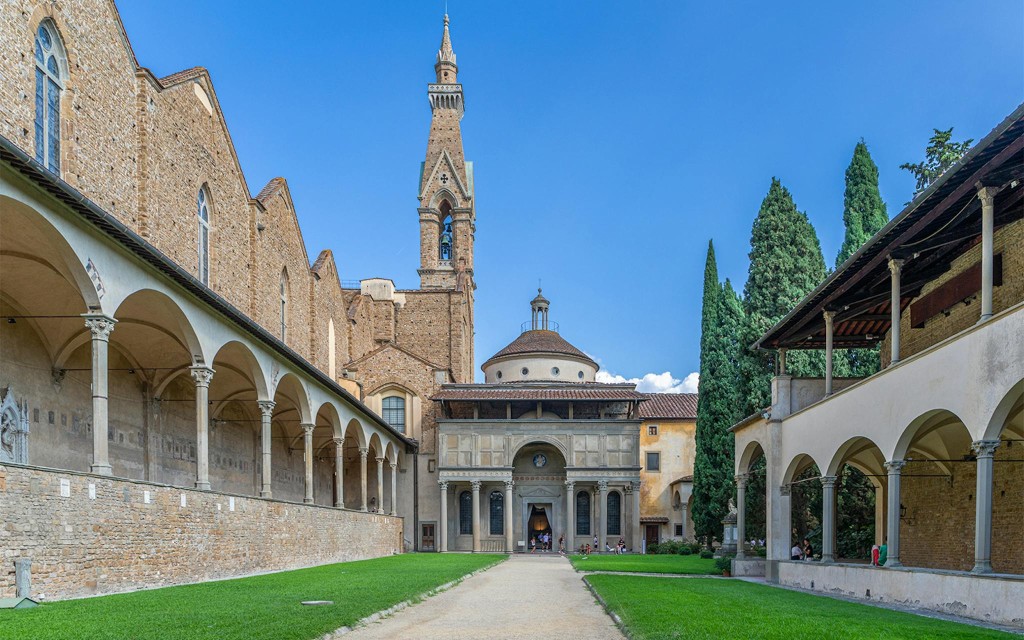
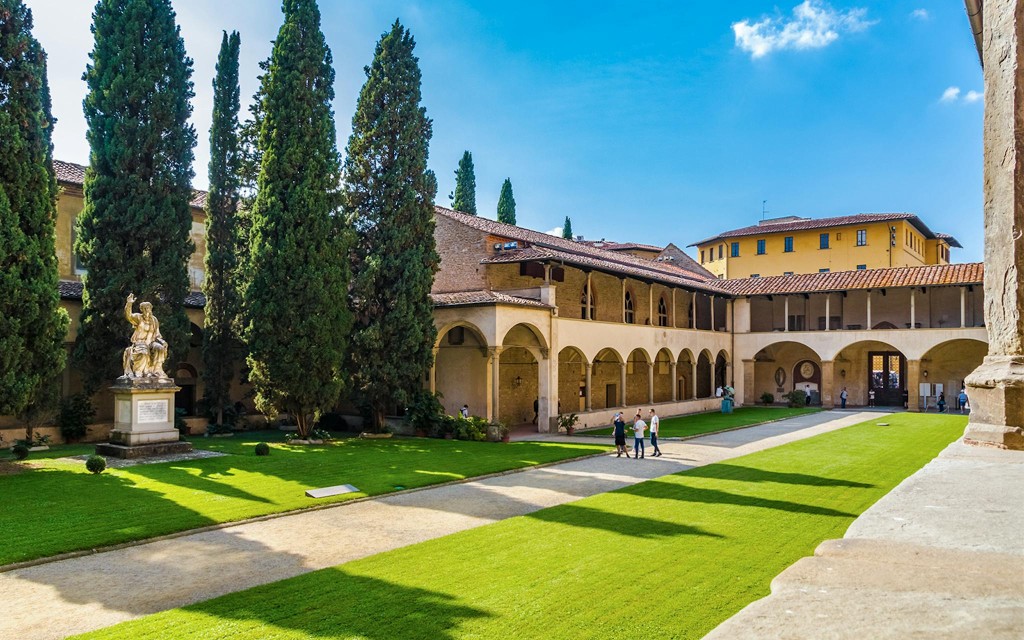
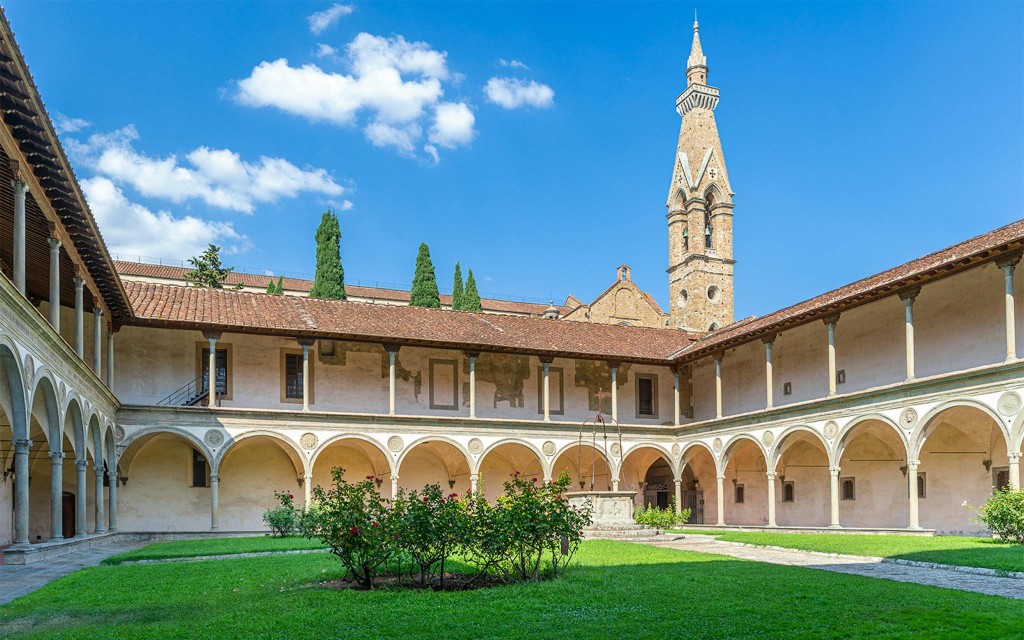
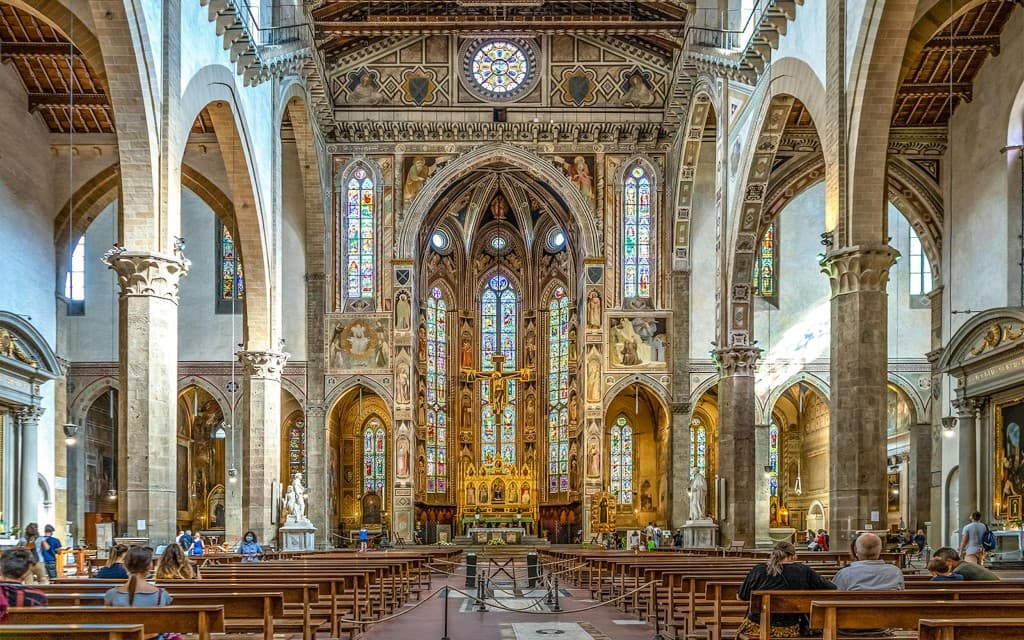
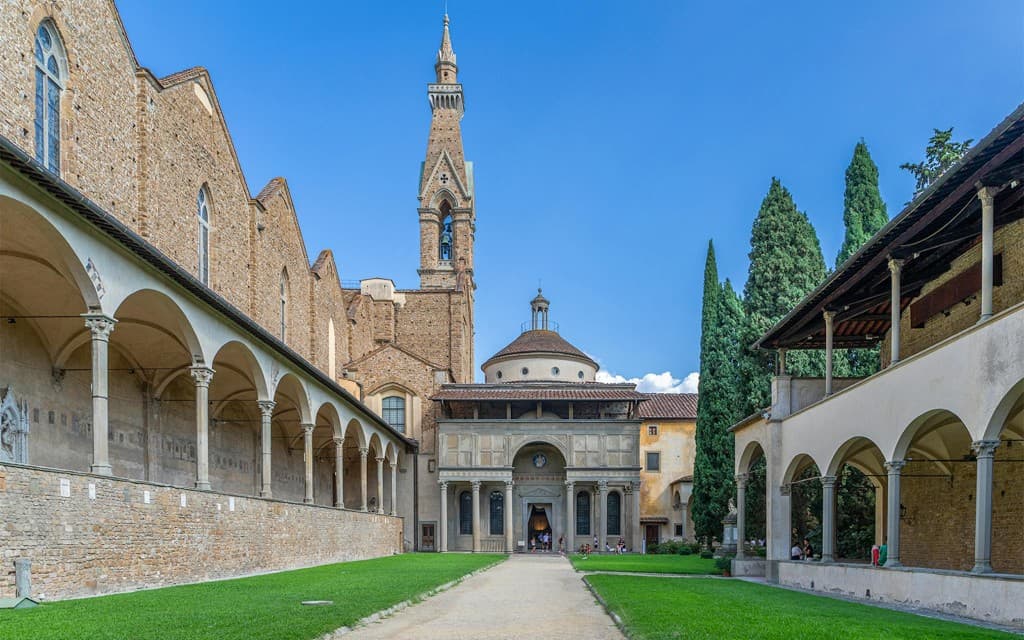
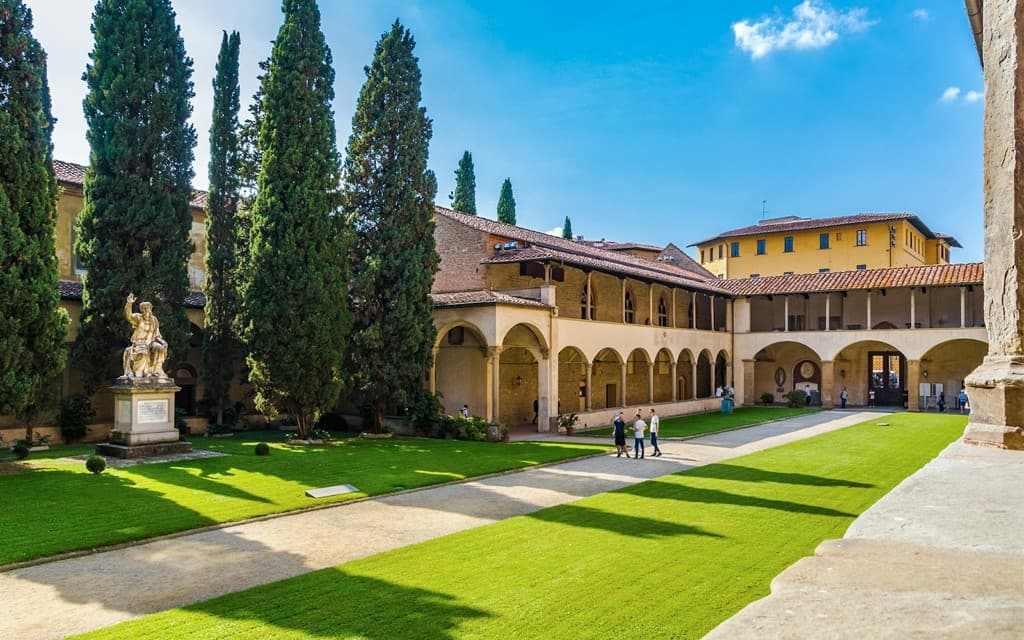
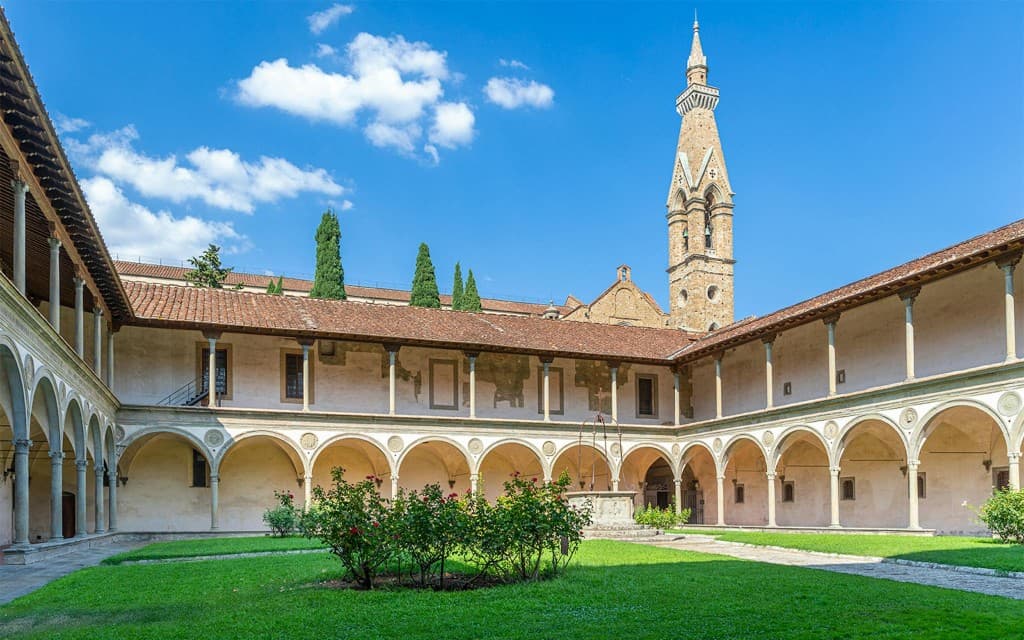
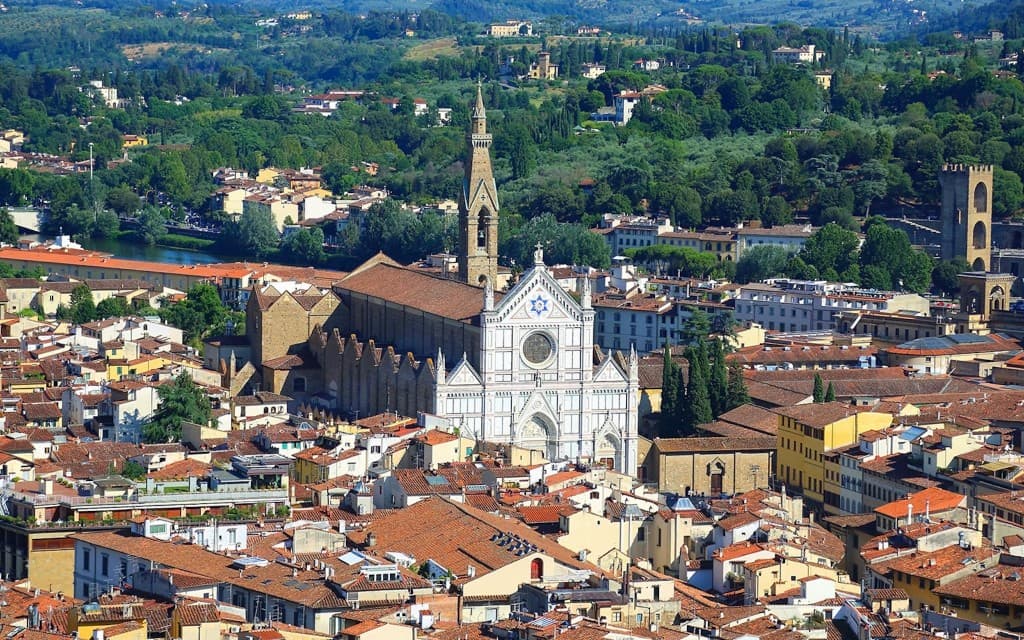
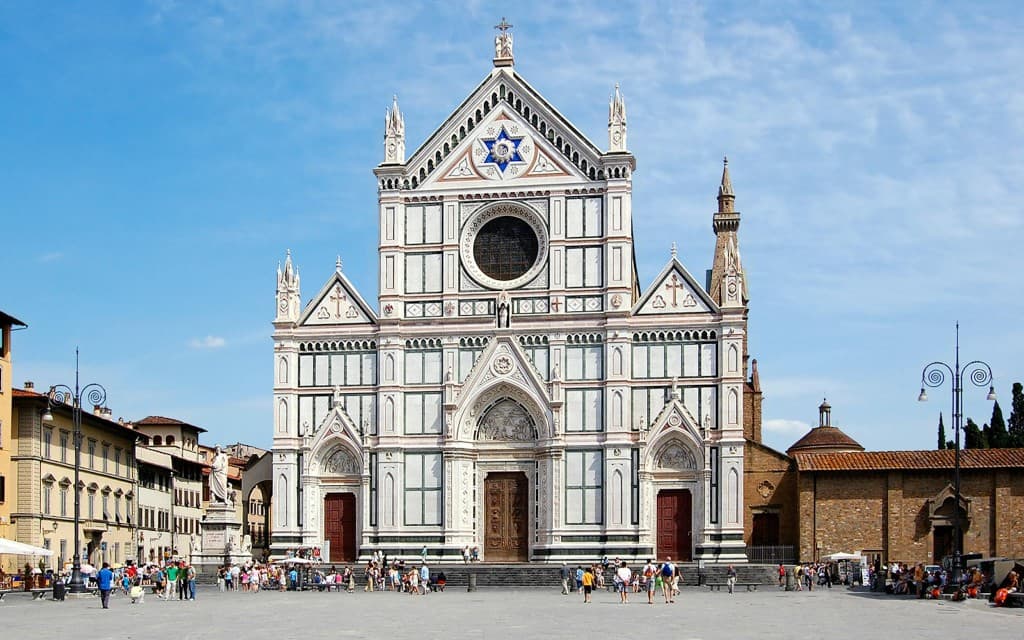
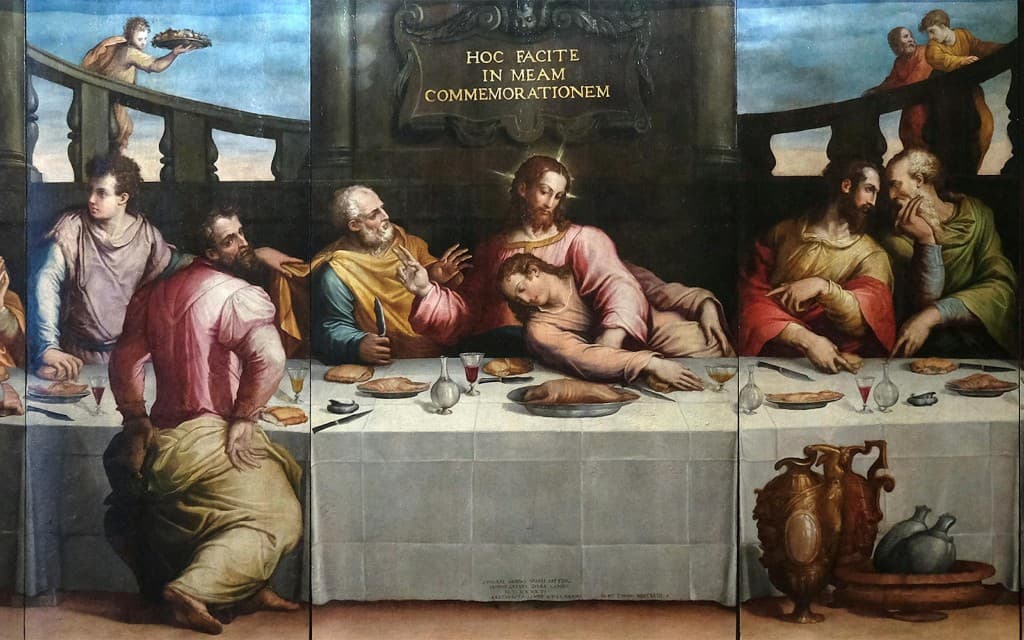
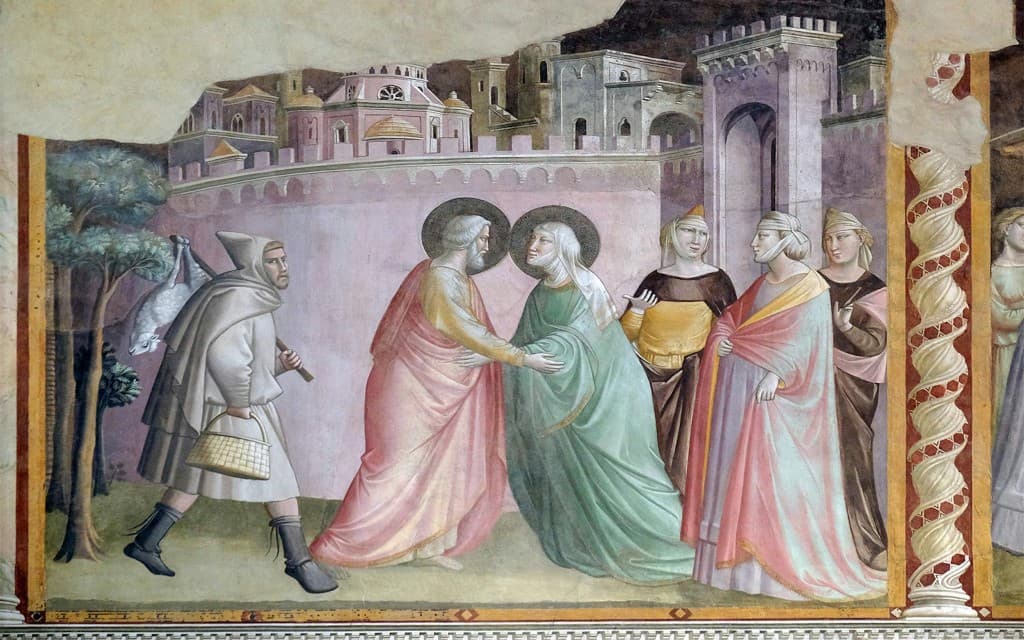
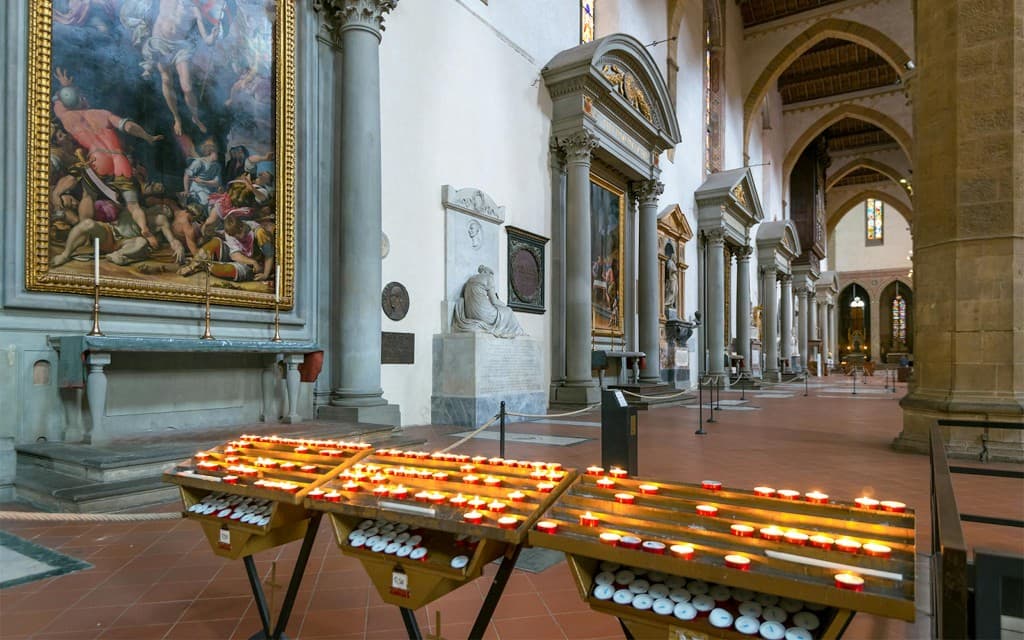
Découvrez des images présentant la grandeur et les trésors artistiques de la Basilique Santa Croce, offrant un aperçu visuel de ses célèbres tombes, fresques et de sa magnifique architecture.
La Basilique Santa Croce est l'un des monuments les plus importants et les plus vénérés de Florence, souvent désignée comme le « Temple des Gloires Italiennes ». Cette magnifique église franciscaine est non seulement une merveille architecturale, mais aussi la dernière demeure de certaines des figures les plus célèbres d'Italie, notamment Michel-Ange, Galilée, Nicolas Machiavel et Gioachino Rossini. Les visiteurs sont attirés par sa beauté solennelle, sa riche histoire et la collection extraordinaire d'art de la Renaissance qu'elle abrite. Une visite offre un voyage profond à travers l'histoire, l'art et la culture italiens, révélant l'héritage de ceux qui ont façonné le monde moderne. Explorez les superbes fresques, les tombes complexes et les cloîtres sereins qui définissent cette basilique florentine emblématique.
En tant que site religieux sacré, un code vestimentaire respectueux est requis pour l'entrée à la Basilique Santa Croce. Cela signifie généralement que les épaules et les genoux doivent être couverts. Il est conseillé d'éviter de porter des débardeurs, des hauts sans bretelles, des shorts courts ou des mini-jupes. Les chapeaux doivent également être retirés en entrant dans la basilique. Le respect de ces directives assure l'entrée et témoigne du respect de la signification culturelle et spirituelle du lieu.
Santa Croce abrite 250 tombes, les fresques de Giotto et la plus belle chapelle de Brunelleschi. Ce billet vous permet d'accéder à toutes les attractions sans avoir à faire la queue à la billetterie.
Veuillez présenter votre billet à l'entrée située du côté nord de la basilique, sur le Largo Bargellini. Aucun échange au guichet n'est nécessaire. Une fois à l'intérieur, la visite se fait en libre-service et vous pouvez explorer les lieux à votre rythme. Prévoyez une à deux heures pour découvrir les principaux sites touristiques.
Basilique de Santa Croce
La plus grande église franciscaine de Florence est, depuis le XIIIe siècle, le lieu de sépulture des plus grands esprits de la ville. Entrez dans la vaste nef gothique et laissez-vous imprégner de son ampleur avant de commencer votre visite.
Parcourez la nef dans toute sa longueur et baisser les yeux : le sol lui-même est une mosaïque de pierres tombales, chacune portant le nom d'un personnage du passé de Florence.
Arrêtez-vous devant les tombeaux de Michel-Ange, Galilée et Machiavel, encastrés dans les murs de la nef principale. Chaque monument a été conçu par un architecte différent et reflète l'époque à laquelle il a été érigé.
Prenez le temps de visiter les chapelles Bardi et Peruzzi, où Giotto a peint deux cycles de fresques au début du XIVe siècle. Ce sont là quelques-uns des tout premiers exemples de peinture naturaliste qui nous soient parvenus dans l'art occidental.
Traversez le cloître et entrez dans la chapelle Pazzi de Brunelleschi, achevée dans les années 1470. Les proportions sont étudiées et précises : il s'agit de l'un des exemples les plus marquants de l'architecture de la Renaissance naissante à Florence.
Continuez jusqu'au musée de l'Opéra, à la crypte et à la chapelle des Médicis. Tout est compris dans votre billet, sans frais supplémentaires.
Il faut compter environ 50 minutes pour visiter la basilique par soi-même, mais les visiteur·euse·s peuvent y rester aussi longtemps que souhaité jusqu'à l'heure de fermeture, soit 17 h 30.
Ce lieu de culte étant actif, il est demandé de s'habiller de manière respectueuse avant d'y entrer. Les épaules et les genoux doivent être couverts.
La Basilique Santa Croce est une église gothique monumentale située sur la Piazza di Santa Croce, à Florence, en Italie. Sa construction a commencé en 1294, possiblement conçue par Arnolfo di Cambio, et elle a servi de centre spirituel pour l'ordre franciscain. Au fil des siècles, elle est devenue un panthéon pour d'illustres Italiens, ce qui lui a valu son surnom. La façade saisissante de la basilique, achevée au 19e siècle, est ornée de marbre polychrome, donnant le ton grandiose aux trésors qu'elle renferme. À l'intérieur, la vaste nef est flanquée de nombreuses chapelles, chacune abritant des œuvres d'art inestimables. Les fresques de Giotto dans les chapelles Bardi et Peruzzi sont particulièrement remarquables, présentant des chefs-d'œuvre du début de la Renaissance. Au-delà de l'art, le poids historique du lieu est palpable, avec les tombes d'artistes, de scientifiques, d'écrivains et de politiciens légendaires créant un lien puissant avec le passé de l'Italie. Les cloîtres adjacents et la Chapelle des Pazzi, un joyau architectural de la Renaissance conçu par Filippo Brunelleschi, enrichissent davantage l'expérience du visiteur, offrant des espaces sereins pour la réflexion loin de l'agitation de la ville.
Réserver vos billets d'entrée ou visites guidées de la Basilique Santa Croce en ligne offre plusieurs avantages. Cela garantit votre admission, surtout pendant les hautes saisons, et peut souvent offrir un accès coupe-file, vous faisant gagner un temps précieux. L'achat anticipé de billets signifie que vous évitez les files d'attente à l'entrée, permettant un début de visite plus détendu et efficace. De plus, de nombreux billets en ligne incluent une confirmation immédiate et des politiques d'annulation flexibles, offrant tranquillité d'esprit et commodité pour la planification de votre itinéraire à Florence. Envisagez un billet d'entrée pour le complexe de la Basilique Santa Croce ou une visite guidée pour approfondir votre compréhension de ce site significatif.
L'histoire de la Basilique Santa Croce remonte à la fin du XIIIe siècle, avec la pose de sa première pierre le 3 mai 1294. Elle fut construite sur les vestiges d'une église antérieure, commandée par l'ordre franciscain, et est traditionnellement attribuée au dessin d'Arnolfo di Cambio. La basilique devint rapidement un centre significatif pour les frères franciscains et un puissant symbole du républicanisme florentin. Au fil des siècles, son importance s'accrut à mesure que de riches familles florentines finançaient des chapelles, les ornant de chefs-d'œuvre d'artistes majeurs de l'époque, dont Giotto. Au XVIe siècle, l'église commença à être utilisée comme lieu de sépulture pour d'éminents Florentins, une tradition qui s'étendit considérablement pendant les époques de la Renaissance et napoléonienne. C'est durant ces périodes qu'elle gagna sa réputation de 'Panthéon de l'Italie', devenant le lieu de repos de personnalités comme Michel-Ange, Galilée et Niccolò Machiavelli. La façade gothique, un ajout ultérieur, fut achevée au milieu du XIXe siècle, contribuant à son apparence emblématique actuelle. Tout au long de son histoire, Santa Croce a survécu aux inondations, aux guerres et aux changements sociaux, demeurant toujours un témoignage de l'héritage durable de Florence en matière d'art, de science et de pensée.
La Basilique Santa Croce fonctionne généralement avec des horaires d'ouverture variables tout au long de l'année. Généralement, elle est ouverte du lundi au samedi, habituellement du milieu de matinée, souvent vers 9h30, jusqu'à la fin de l'après-midi, généralement vers 17h30. Les dimanches et jours fériés, les horaires sont souvent plus courts, ouvrant généralement en début d'après-midi, peut-être de 13h00 à 17h30. Ces horaires sont sujets à modification pour les cérémonies religieuses ou les événements spéciaux. Il est conseillé de prendre en compte ces variations potentielles lors de la planification de votre visite.
Pour apprécier pleinement la Basilique Santa Croce sans la foule la plus importante, il est souvent recommandé de visiter tôt le matin, peu après l'ouverture, ou en fin d'après-midi, une heure ou deux avant la fermeture. Les jours de semaine offrent généralement une expérience plus tranquille par rapport aux week-ends. Le printemps et l'automne offrent un temps agréable pour explorer Florence, ce qui rend ces saisons idéales pour une visite. Bien que l'été attire plus de touristes, les visites tôt le matin peuvent toujours offrir une atmosphère plus calme. Éviter les jours fériés religieux, si possible, peut également aider à visiter la basilique avec moins de perturbations.
À l'intérieur de la Basilique Santa Croce, les visiteurs peuvent explorer une multitude de trésors artistiques et historiques. Les caractéristiques les plus importantes sont les tombes et les monuments dédiés aux plus grands esprits de l'Italie, notamment Michel-Ange Buonarroti, Galilée, Niccolò Machiavelli et Gioachino Rossini, parmi d'autres. Chaque tombe est une œuvre d'art en soi, reflétant l'époque de sa création. La basilique abrite également des œuvres d'art significatives, notamment les fresques de Giotto représentant des scènes de la vie de Saint François dans les Chapelles Bardi et Peruzzi. Ne manquez pas la Chapelle des Pazzi, un exemple remarquable d'architecture de la Renaissance conçue par Filippo Brunelleschi. L'École du cuir de Santa Croce, opérant au sein du complexe, offre un aperçu de l'artisanat florentin traditionnel. Les cloîtres offrent une évasion tranquille, présentant la beauté de l'architecture monastique.
Lors de votre visite de la Basilique Santa Croce, il est utile de porter des chaussures confortables car vous marcherez dans un grand complexe. Envisagez d'acheter un audioguide pour une compréhension plus approfondie de l'histoire, de l'art et des célèbres tombes de la basilique. La photographie est généralement autorisée pour un usage personnel, mais le flash est souvent interdit, et la discrétion est encouragée, surtout pendant les services religieux. Des toilettes publiques sont généralement disponibles au sein du complexe. Préparez-vous aux contrôles de sécurité à l'entrée. L'École de Cuir de Santa Croce, accessible depuis les cloîtres, vaut le détour pour des souvenirs uniques et pour observer les artisans au travail.
Les visiteurs sont tenus d'observer une attitude respectueuse au sein de la Basilique Santa Croce, car elle reste un lieu de culte actif. Cela inclut le maintien du silence, en particulier dans les chapelles et près des autels. La nourriture et les boissons ne sont pas autorisées à l'intérieur de la basilique. Les grands sacs ou sacs à dos peuvent devoir être déposés à l'entrée. Veuillez suivre les instructions du personnel et respecter les zones désignées. Il est déconseillé de courir ou de parler fort afin de préserver l'atmosphère solennelle du site.
La Basilique Santa Croce vaut sans aucun doute le détour pour quiconque voyage à Florence. Elle offre un mélange unique de signification historique, de chefs-d'œuvre artistiques et de grandeur architecturale. En tant que lieu de sépulture de certaines des figures les plus influentes d'Italie, elle offre un lien tangible avec la Renaissance et au-delà. L'occasion de contempler les fresques de Giotto, d'explorer la Chapelle des Pazzi de Brunelleschi et de ressentir la quiétude des cloîtres en fait une expérience enrichissante et inoubliable. C'est un lieu où l'art, l'histoire et la spiritualité convergent, offrant des aperçus profonds de la culture italienne.
Les principales attractions incluent les tombes de Michel-Ange, Galilée, Machiavel et Rossini, les fresques de Giotto dans les chapelles Bardi et Peruzzi, et la Chapelle des Pazzi conçue par Brunelleschi.
Oui, en tant que site religieux, les visiteurs doivent s'habiller respectueusement. Les épaules et les genoux doivent être couverts. Il est conseillé d'éviter les débardeurs, les shorts courts et les mini-jupes.
La plupart des visiteurs passent environ 1h30 à 2 heures à explorer le complexe de la basilique, y compris l'église, les chapelles et les cloîtres.
La photographie à usage personnel est généralement autorisée, mais la photographie au flash est habituellement interdite pour protéger les œuvres d'art. Soyez toujours respectueux des autres visiteurs et des services religieux.
La basilique s'efforce d'être accessible, bien que certaines sections plus anciennes ou des sols irréguliers puissent présenter des défis. Il est généralement recommandé d'utiliser l'entrée principale pour un accès plus facile.
Elle a gagné ce surnom car elle est le lieu de sépulture de nombreuses figures italiennes illustres, notamment des artistes, des scientifiques, des écrivains et des dirigeants politiques, consolidant ainsi son rôle de panthéon national.
Oui, des visites guidées sont souvent disponibles, offrant des aperçus plus approfondis de l'histoire de la basilique, de son art et des histoires de ses célèbres habitants. Vous pouvez également trouver des audioguides.
La Basilique Santa Croce est idéalement située dans le centre de Florence et est facilement accessible à pied depuis la plupart des attractions majeures, telles que le Duomo ou la Piazza della Signoria. Pour ceux qui utilisent les transports en commun, plusieurs lignes de bus locales s'arrêtent près de la Piazza di Santa Croce. Les arrêts de bus majeurs les plus proches sont généralement à quelques minutes à pied, ce qui en fait une destination facile d'accès dans la ville.
En tant que site religieux sacré, un code vestimentaire respectueux est requis pour l'entrée à la Basilique Santa Croce. Cela signifie généralement que les épaules et les genoux doivent être couverts. Il est conseillé d'éviter de porter des débardeurs, des hauts sans bretelles, des shorts courts ou des mini-jupes. Les chapeaux doivent également être retirés en entrant dans la basilique. Le respect de ces directives assure l'entrée et témoigne du respect de la signification culturelle et spirituelle du lieu.