



Ce qui est inclus
- Billet d'entrée
- Accès à l'exposition
- Guide audio
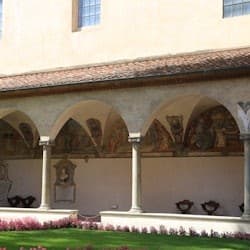
Explorez un voyage visuel à travers le Museo di San Marco, présentant ses superbes fresques de la Renaissance, ses cloîtres tranquilles et ses cellules monastiques historiques.
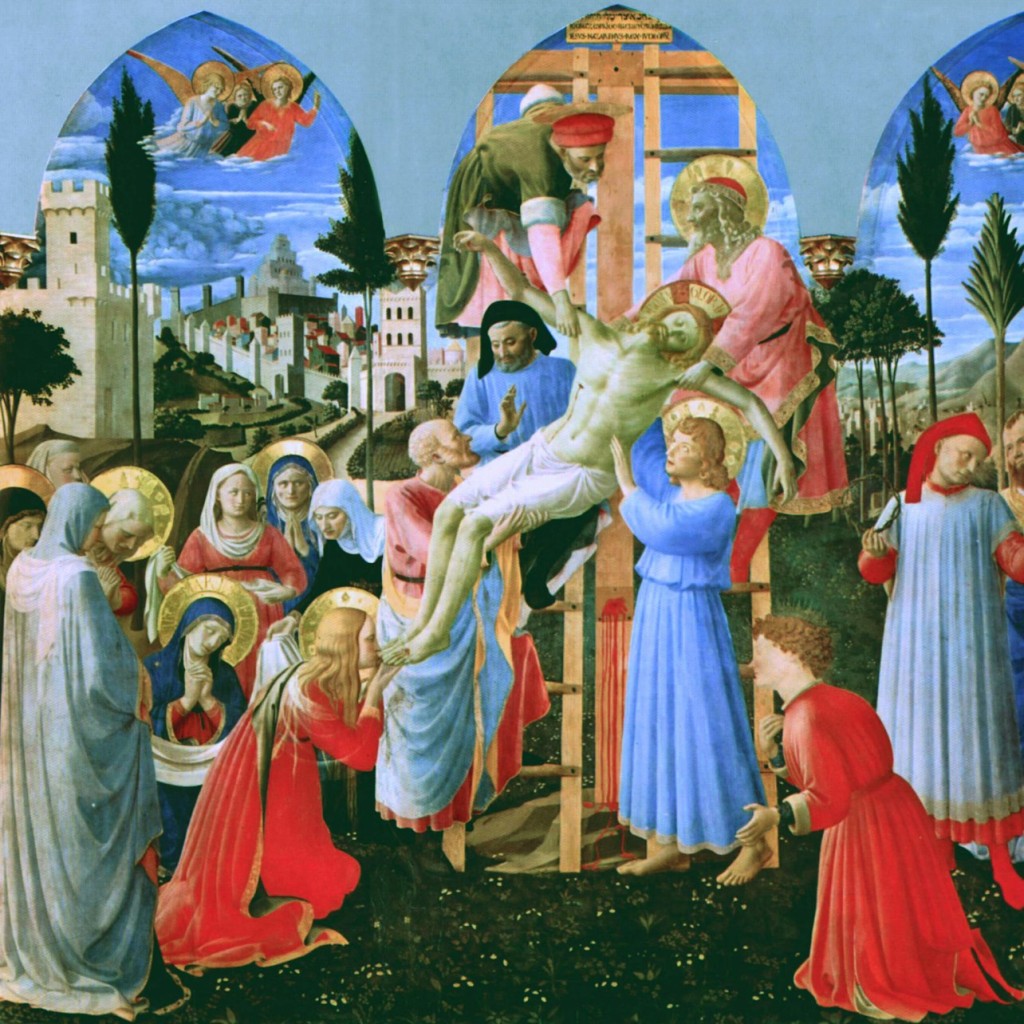
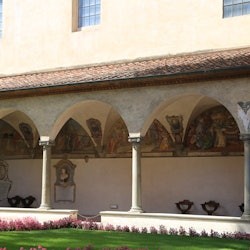
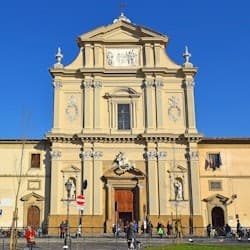
Entrez dans le monde serein du Museo di San Marco, un ancien couvent dominicain de Florence qui témoigne de l'art de la première Renaissance et de la dévotion spirituelle. Ce musée extraordinaire est principalement célébré pour abriter la plus grande collection d'œuvres de Fra Angelico, l'un des peintres les plus importants du XVe siècle. Les visiteurs peuvent se promener dans les cloîtres calmes, les réfectoires et les cellules des moines, chacun orné de fresques et d'œuvres d'art à couper le souffle qui offrent un aperçu profond de la vie monastique et du génie artistique de l'époque. Plus qu'un simple musée, San Marco offre un voyage unique dans le temps, permettant la contemplation au milieu de la beauté et de l'histoire au cœur de Florence.
Le Museo di San Marco étant un ancien monastère et abritant de l'art sacré, une tenue vestimentaire respectueuse est appropriée. Bien qu'il n'y ait pas de code vestimentaire strict appliqué, il est conseillé de s'habiller modestement. Cela signifie généralement couvrir les épaules et les genoux. Des chaussures confortables sont recommandées pour parcourir les différents espaces du musée.
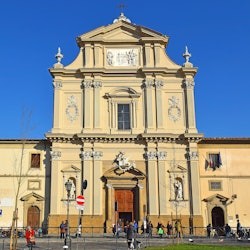
Le Museo di San Marco est situé dans ce qui fut autrefois un monastère dominicain, achevé au milieu du XVe siècle et largement reconstruit par Michelozzo à la demande de Cosme l'Ancien. Ce chef-d'œuvre architectural est devenu un centre d'activité intellectuelle et artistique, abritant des figures comme Fra Angelico, Fra Bartolomeo et même Girolamo Savonarola. Aujourd'hui, il offre une occasion inégalée d'explorer l'art sacré dans son contexte original. La collection du musée est principalement axée sur les œuvres de Fra Angelico, dont les fresques et les peintures sur panneau ornent de nombreuses cellules et espaces publics, présentant sa maîtrise de la couleur, de la lumière et de la narration spirituelle. Au-delà de Fra Angelico, les visiteurs peuvent admirer des œuvres d'autres artistes de la Renaissance, des manuscrits anciens et divers artefacts liés à la riche histoire du monastère. L'harmonieux mélange d'architecture, d'art et d'histoire fait du Museo di San Marco une étape essentielle pour quiconque souhaite comprendre le tissu culturel et religieux de la Florence de la Renaissance.
Réserver votre billet d'entrée au Museo di San Marco en ligne offre un moyen simplifié et pratique de planifier votre visite. En achetant à l'avance, vous pouvez garantir votre admission et souvent bénéficier de files d'attente dédiées, ce qui vous fait gagner un temps précieux qui serait autrement passé à attendre. Les billets en ligne, potentiellement groupés avec un audioguide, améliorent votre expérience en fournissant un contexte historique complet et des aperçus artistiques pendant votre exploration. Cela élimine le besoin de manipuler de l'argent liquide à l'entrée et assure votre place, surtout pendant les saisons touristiques de pointe à Florence. Planifier à l'avance permet une exploration plus fluide et plus agréable de ce trésor florentin significatif.
L'histoire du Museo di San Marco est profondément liée à l'ordre dominicain et à la puissante famille Médicis. Initialement construit au XIIIe siècle, le monastère fut en grande partie reconstruit au milieu du XVe siècle par l'architecte Michelozzo, commandité par Cosme l'Ancien de Médicis. Cette reconstruction transforma le modeste couvent en l'un des complexes de la Renaissance les plus harmonieux de Florence. Il devint un centre important d'apprentissage et d'art, attirant des figures renommées telles que le peintre Fra Angelico, qui y vécut et travailla, ornant ses murs de ses fresques sublimes. Plus tard, le monastère abrita Fra Bartolomeo et, surtout, l'ardent réformateur Girolamo Savonarole, dont la période d'influence brève mais intense eut un impact profond sur la société florentine. Suite à la suppression des ordres religieux au XIXe siècle, le monastère fut converti en musée en 1869, dédié à la préservation de son art et de son histoire. Le Museo di San Marco se dresse aujourd'hui comme un témoignage unique des courants artistiques, spirituels et politiques qui ont façonné la Florence de la Renaissance, offrant aux visiteurs un lien direct avec une ère pivot.
Le Museo di San Marco est généralement ouvert du mardi au vendredi avec des horaires spécifiques le matin et l'après-midi, et le samedi et le dimanche avec des horaires d'ouverture continus. Il est généralement fermé le lundi. Les horaires d'ouverture et de fermeture spécifiques peuvent varier selon les saisons et les jours fériés, il est donc conseillé d'envisager une visite pendant les heures d'ouverture standard pour garantir l'entrée. La dernière admission a lieu généralement une heure avant l'heure de fermeture.
Pour apprécier pleinement la beauté sereine et la profondeur artistique du Museo di San Marco, envisagez de le visiter pendant les saisons intermédiaires du printemps (avril-mai) ou de l'automne (septembre-octobre), lorsque Florence bénéficie d'un temps agréable et de moins de foules par rapport aux mois d'été de pointe. Arriver tôt le matin, peu après l'ouverture, est également fortement recommandé. Cela permet une expérience plus paisible, surtout dans les cellules des moines et les cloîtres, avant l'arrivée de groupes plus importants. Les jours de semaine sont généralement moins bondés que les week-ends. Éviter les jours fériés nationaux ou les jours d'expositions spéciales pourrait également contribuer à une visite plus tranquille.
À l'intérieur du Museo di San Marco, un trésor d'art de la Renaissance vous attend. Commencez votre exploration dans le paisible Cloître de Sant'Antonino, qui mène à la Salle du Chapitre, abritant la majestueuse 'Crucifixion' de Fra Angelico. Le Grand Réfectoire présente des œuvres de Fra Bartolomeo. Montez à l'étage supérieur pour découvrir le véritable cœur du musée : les cellules des moines. Chaque cellule, conçue à l'origine pour la contemplation solitaire, est ornée d'une fresque unique de Fra Angelico ou de son atelier, représentant des scènes de la vie du Christ. La fresque iconique de l''Annonciation' vous accueille en haut des escaliers, un exemple sublime de beauté de la Renaissance. Ne manquez pas les cellules de Savonarole, qui offrent un aperçu de la vie du controversé frère dominicain. La bibliothèque, un autre point fort de Michelozzo, abrite de précieux manuscrits enluminés, complétant un voyage à travers l'art, l'architecture et la spiritualité.
Prévoyez de passer au moins 1,5 à 2 heures pour explorer pleinement le musée. La photographie est généralement autorisée pour un usage personnel dans la plupart des zones, mais la photographie au flash est généralement interdite. Les audioguides sont fortement recommandés pour améliorer votre compréhension des œuvres d'art et de l'histoire du monastère. Portez des chaussures confortables car vous marcherez beaucoup. Le musée est majoritairement accessible, bien que certaines sections plus anciennes puissent avoir un accès limité. Envisagez d'acheter vos billets à l'avance pour gagner du temps à l'arrivée, surtout pendant les périodes de forte affluence.
Pour préserver l'intégrité historique et artistique du Museo di San Marco, les visiteurs sont priés de respecter certaines règles. Celles-ci incluent s'abstenir de toucher les œuvres d'art ou les fresques, maintenir un silence respectueux, en particulier dans les cloîtres et les cellules, et jeter les déchets correctement. La nourriture et les boissons ne sont généralement pas autorisées à l'intérieur des zones d'exposition. Les grands sacs ou sacs à dos peuvent devoir être déposés dans des consignes désignées. Veuillez respecter les directives du personnel du musée.
Le Museo di San Marco vaut incontestablement le détour pour toute personne intéressée par l'art de la Renaissance, l'histoire ou la spiritualité. Il offre une occasion rare de voir les chefs-d'œuvre de Fra Angelico dans leur cadre original et prévu, offrant un sens profond de l'intention dévotionnelle de l'artiste. L'atmosphère tranquille de l'ancien monastère offre un refuge paisible loin de l'agitation de la ville, permettant une contemplation silencieuse. Au-delà de l'art, l'architecture de Michelozzo et la richesse de l'histoire, y compris la présence de figures comme Savonarole, en font une expérience culturelle immersive unique. C'est un lieu où l'art, l'histoire et la dévotion spirituelle convergent magnifiquement.
Le point fort principal est sans aucun doute la vaste collection de fresques de Fra Angelico, en particulier celles que l'on trouve dans les cellules des moines et l'emblématique « Annonciation » en haut des escaliers du dortoir.
Bien qu'il n'y ait pas d'activités spécifiques pour les enfants, les enfants plus âgés intéressés par l'histoire ou l'art peuvent apprécier les fresques et le cadre historique. L'atmosphère tranquille pourrait en attirer certains.
La photographie à usage personnel est généralement autorisée dans la plupart des zones, mais la photographie au flash est généralement interdite pour protéger les œuvres d'art délicates. Soyez toujours attentif aux autres visiteurs.
Une visite typique du Museo di San Marco prend généralement entre 1,5 et 2 heures pour explorer confortablement toutes les zones clés et apprécier les œuvres d'art.
Le rez-de-chaussée du musée, y compris les cloîtres et la salle capitulaire, est généralement accessible. Certains étages supérieurs ou sections plus anciennes peuvent avoir une accessibilité limitée en raison de la nature historique du bâtiment.
Le monastère a abrité des figures éminentes telles que l'artiste Fra Angelico, l'architecte Michelozzo et l'influent frère dominicain Girolamo Savonarola.
Bien que le musée puisse proposer des visites guidées ou des audioguides, il est conseillé de vérifier la disponibilité ou d'envisager d'acheter un billet d'entrée avec une option d'audioguide pour une expérience autoguidée.
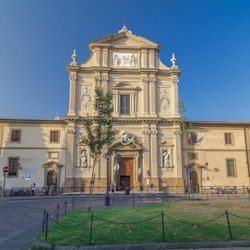
Le Museo di San Marco est situé au centre de Florence et facilement accessible à pied depuis la plupart des principales attractions du centre-ville. De la gare de Santa Maria Novella, il faut compter environ 15 à 20 minutes de marche. Alternativement, vous pouvez prendre un bus local ; plusieurs lignes ont des arrêts près de la Piazza San Marco, notamment les lignes 1, 7, 10, 11, 17, 25 et 33. Le musée est situé directement sur la Piazza San Marco, ce qui en fait un point de repère important à trouver.
Le Museo di San Marco étant un ancien monastère et abritant de l'art sacré, une tenue vestimentaire respectueuse est appropriée. Bien qu'il n'y ait pas de code vestimentaire strict appliqué, il est conseillé de s'habiller modestement. Cela signifie généralement couvrir les épaules et les genoux. Des chaussures confortables sont recommandées pour parcourir les différents espaces du musée.