

Ce qui est inclus
- Billet d'entrée
- Vidéo sur la réalité virtuelle en anglais et en italien
- Audioguide en anglais et en italien (si sélectionné)
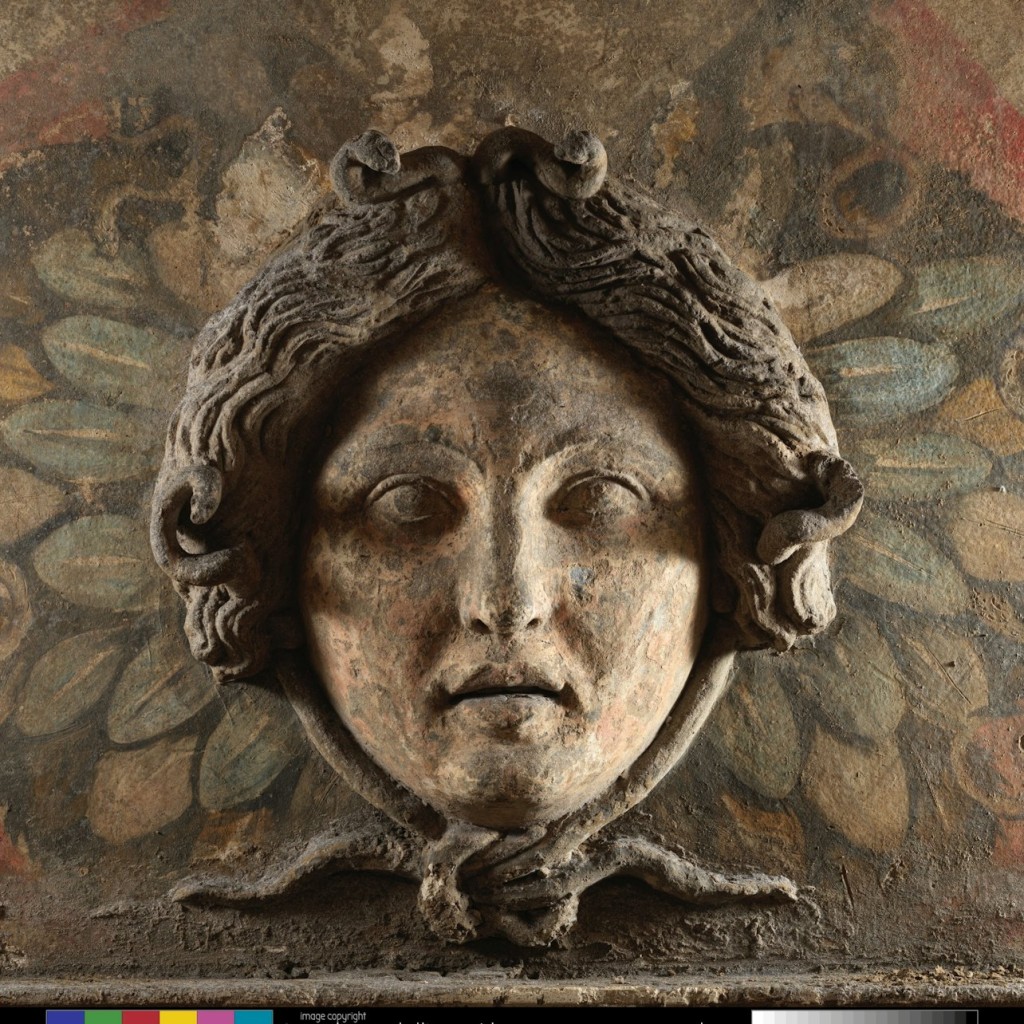
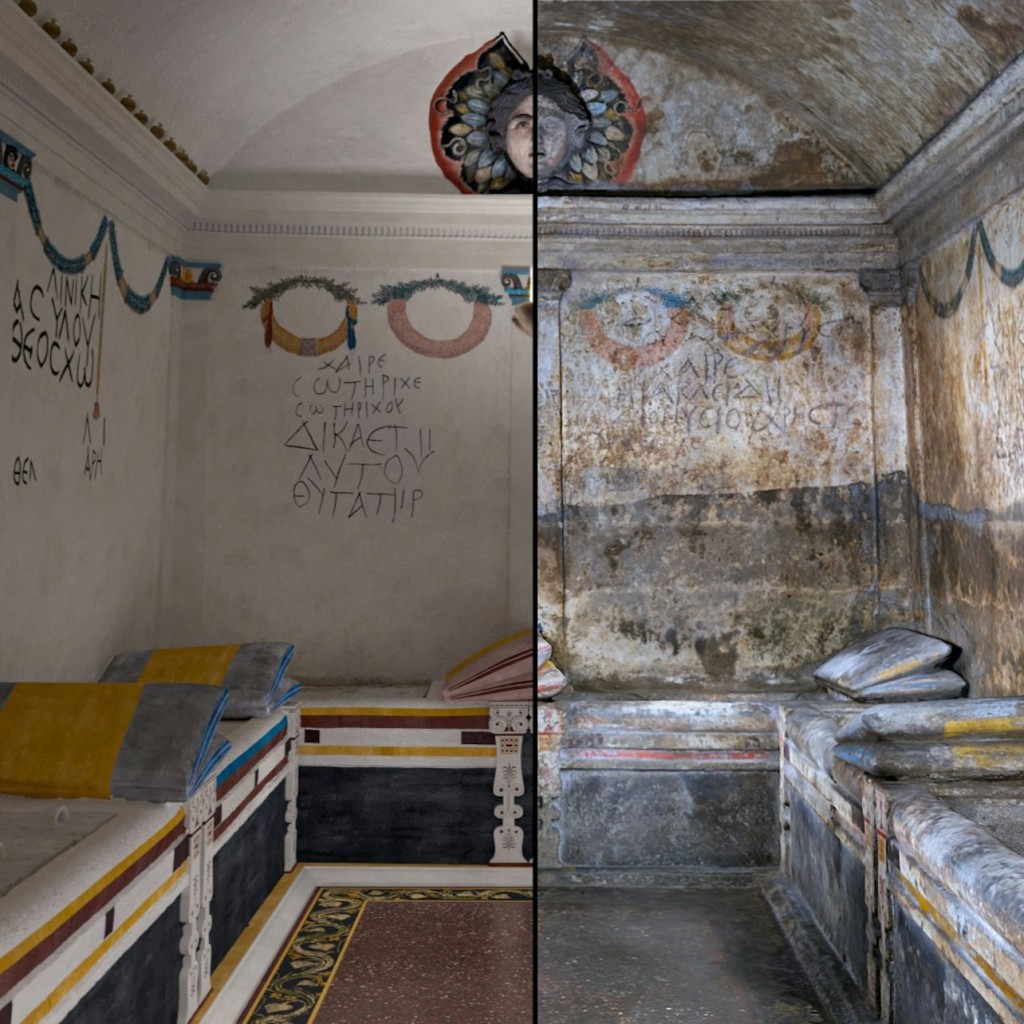
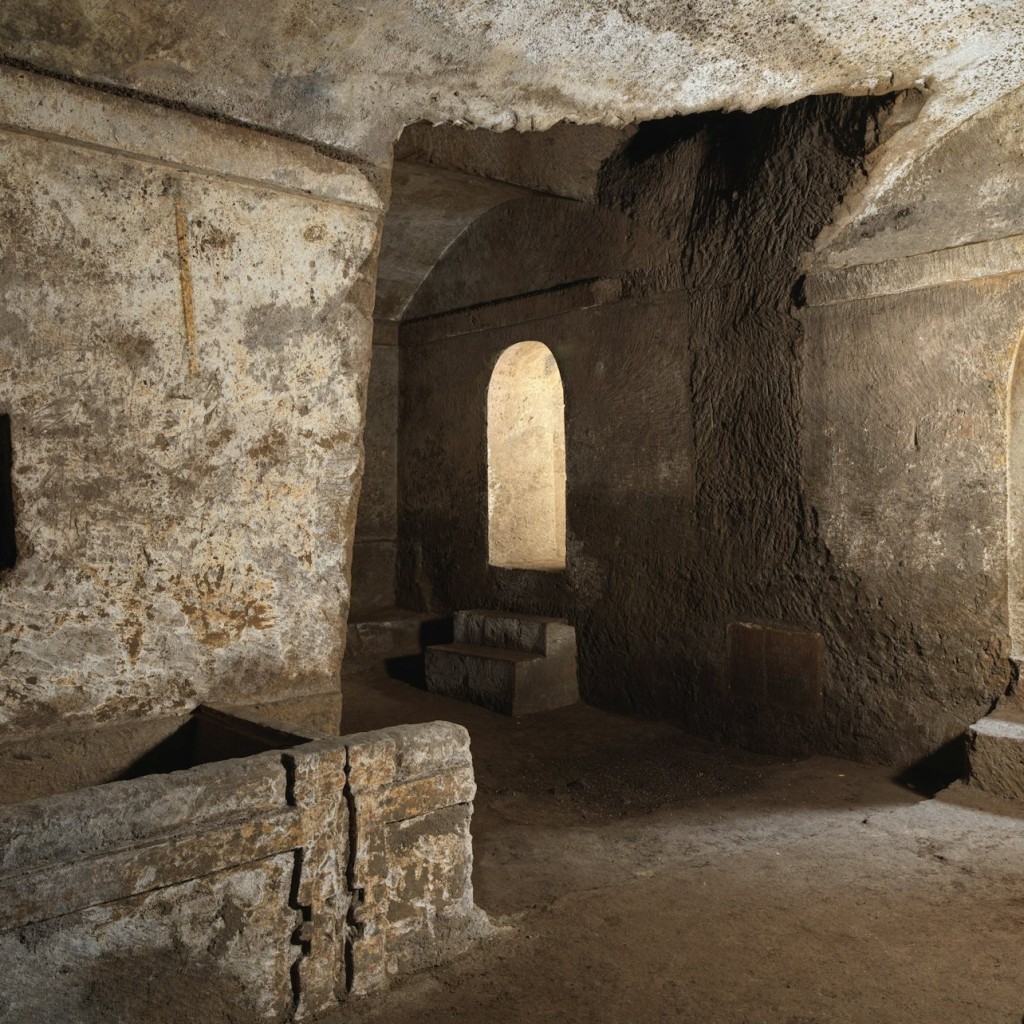
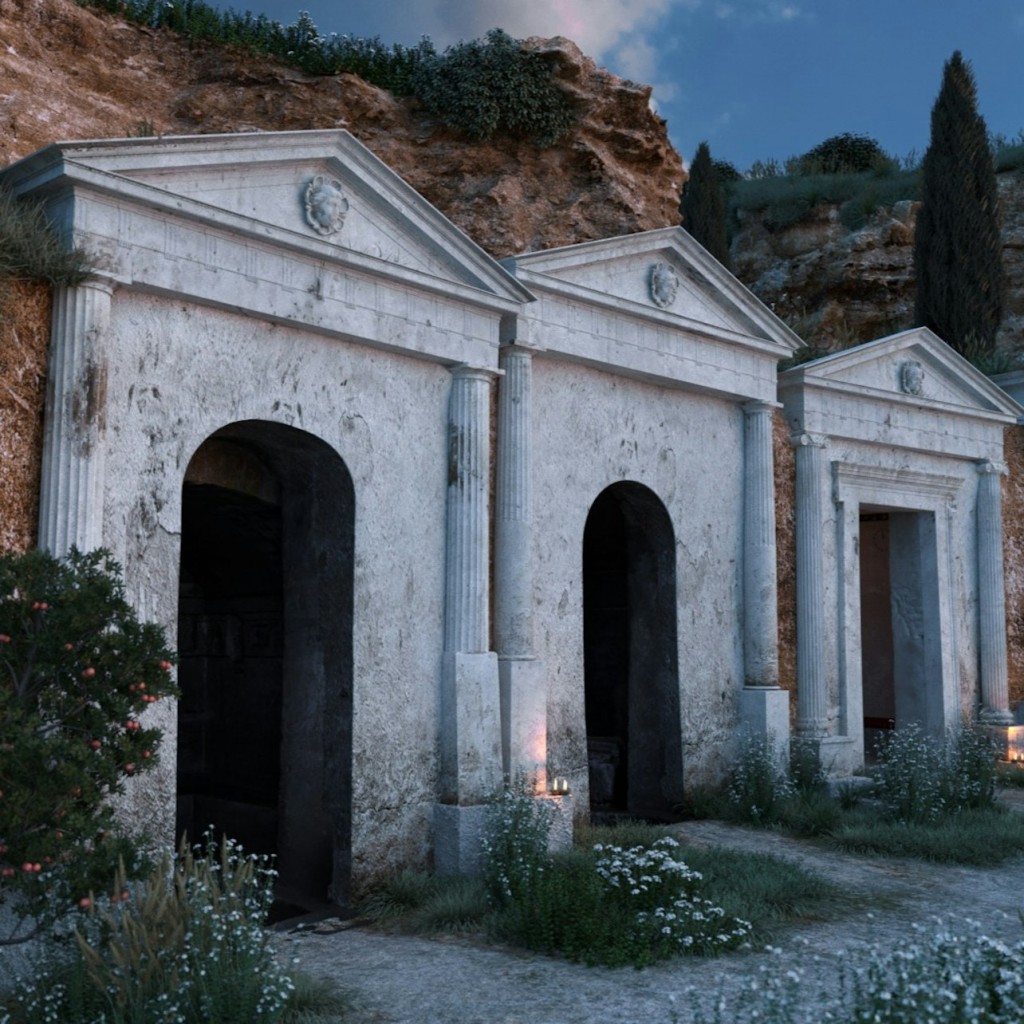
Découvrez la beauté cachée et la grandeur historique de l'Hypogée des Cristallini à travers ces images captivantes.
Plongez dans le fascinant monde souterrain de l'ancienne Naples avec une visite à l'Ipogeo dei Cristallini, l'un des sites funéraires hellénistiques les mieux conservés de la ville. Niché sous la ville moderne animée, cet hypogée offre un aperçu inégalé des coutumes funéraires et des expressions artistiques des anciens habitants grecs et romains. Découvert au début du 20e siècle, le site est rapidement devenu réputé pour ses fresques exquises et ses caractéristiques architecturales complexes, qui ont largement conservé leur éclat d'origine. L'exploration des chambres offre une expérience unique et contemplative, transportant les visiteurs des milliers d'années en arrière, à une période de profonde signification culturelle en Grande Grèce.
Il n'y a pas de code vestimentaire strict pour visiter l'Hypogée des Cristallini. Cependant, des chaussures de marche confortables sont conseillées en raison des surfaces inégales et des marches potentielles à l'intérieur des chambres souterraines. Une veste légère ou un pull pourrait être bénéfique, car la température à l'intérieur de l'hypogée a tendance à être constamment plus fraîche que l'air extérieur, quelle que soit la saison.
L'Ipogeo dei Cristallini représente un trésor archéologique significatif, distingué par ses quatre chambres souterraines sculptées dans la roche de tuf, caractéristique de la construction napolitaine antique. Chaque chambre servait de tombe familiale, méticuleusement conçue pour abriter de multiples sépultures. Ce qui distingue cet hypogée, ce sont les fresques polychromes exceptionnellement bien conservées qui ornent ses murs et ses plafonds. Ces œuvres d'art représentent des scènes mythologiques, des motifs floraux et des motifs géométriques, offrant des aperçus inestimables sur les goûts esthétiques et les systèmes de croyance de la période hellénistique. Au-delà des fresques, les visiteurs peuvent admirer les sarcophages et les niches funéraires, révélant les diverses façons dont les défunts étaient inhumés. Le site offre une rencontre rare et intime avec un monde ancien, illustrant le savoir-faire sophistiqué et le dévouement spirituel d'une civilisation lointaine. Il sert de document historique vital, contribuant à notre compréhension du passé superposé de Naples, de ses origines grecques à son assimilation romaine, et reste un témoignage de l'effort humain durable pour commémorer la vie et la mort.
Réserver votre visite à l'Ipogeo dei Cristallini en ligne offre plusieurs avantages, garantissant une expérience fluide et enrichissante. En raison de la nature délicate et de la capacité limitée de ce site antique, l'accès est souvent restreint et nécessite une entrée pré-arrangée, fréquemment dans le cadre d'une visite guidée. La réservation en ligne garantit votre place, éliminant l'incertitude de la disponibilité sur place. Elle vous permet de sélectionner votre date et heure préférées, de planifier votre itinéraire efficacement et offre souvent l'accès à des options de visite spécifiques telles que des explorations guidées, améliorant ainsi votre compréhension de ce trésor archéologique significatif.
L'Ipogeo dei Cristallini remonte à la fin du 4e et au début du 3e siècle av. J.-C., une période où Naples, alors connue sous le nom de Neapolis, était une ville grecque florissante sous influence romaine. Il a été découvert accidentellement en 1889 lors de travaux de construction pour un nouveau bâtiment dans le quartier de la Sanità. Le nom du site, « dei Cristallini », dérive d'un palais voisin, reflétant son association originale. Les fouilles ont révélé quatre chambres funéraires distinctes, chacune comportant un dromos (couloir d'entrée) menant à une zone centrale avec des sarcophages et des peintures murales. Ces tombes appartenaient à des familles aisées, comme en témoignent la qualité des œuvres d'art et de la construction. Les fresques, en particulier, offrent un aperçu rare et précieux des styles de peinture hellénistiques et de l'iconographie funéraire de la Grande Grèce, présentant des scènes de mythologie, de vie quotidienne et des motifs géométriques. Pendant des siècles, l'hypogée est resté caché, préservant son contenu presque parfaitement jusqu'à sa redécouverte, ce qui en fait l'une des découvertes archéologiques les plus importantes de Naples et un témoignage du riche patrimoine gréco-romain de la ville.
L'accès à l'Ipogeo dei Cristallini est généralement géré par des visites pré-arrangées et des visites guidées afin d'assurer la préservation de ce site archéologique délicat. Les heures d'ouverture spécifiques peuvent varier considérablement et dépendent souvent des horaires des visites. Il est fortement conseillé de réserver vos billets ou visites à l'avance pour garantir votre heure de visite préférée et confirmer le calendrier d'ouverture. Le site peut également être fermé certains jours fériés ou pour entretien. En raison de sa nature souterraine, la taille des groupes est souvent limitée pour maintenir un environnement confortable et sûr pour les visiteurs.
Le meilleur moment pour visiter l'Ipogeo dei Cristallini est généralement pendant les mois plus frais du printemps (avril-mai) ou de l'automne (septembre-octobre) lorsque le temps napolitain est doux et agréable. Visiter plus tôt dans la journée en semaine peut aider à éviter les foules plus importantes, menant à une expérience plus intime et sereine au sein de l'hypogée. Étant donné que les visites font souvent partie de visites guidées avec un nombre limité de participants, il est essentiel de réserver à l'avance, quelle que soit la saison, pour garantir l'entrée.
À l'intérieur de l'Ipogeo dei Cristallini, les visiteurs découvriront principalement les quatre chambres funéraires distinctes, chacune méticuleusement sculptée dans le tuf. Les principales attractions sont les superbes fresques qui ornent les murs et les plafonds. Ces œuvres d'art vibrantes présentent une gamme de sujets, des motifs géométriques complexes et des motifs floraux délicats aux figures mythologiques et aux scènes narratives, le tout contribuant à une riche tapisserie visuelle. Vous verrez également divers types de structures funéraires, y compris des sarcophages et de plus petites niches, qui illustrent les différentes pratiques funéraires de l'époque. Les détails architecturaux, tels que les plafonds et les entrées soigneusement sculptés, mettent davantage en évidence le savoir-faire des bâtisseurs antiques. L'atmosphère générale est celle d'une profonde signification historique, offrant un lien direct avec les anciens habitants de Naples.
Les visiteurs doivent savoir que l'Hypogée des Cristallini est un site archéologique souterrain, ce qui implique de naviguer à travers des marches et des espaces confinés. Des chaussures confortables sont fortement recommandées. La photographie peut être restreinte ou limitée à certaines zones, il est donc conseillé de se renseigner à l'arrivée ou pendant la visite guidée. Il fait souvent plus frais à l'intérieur de l'hypogée, même par temps chaud, une veste légère pourrait donc être utile. L'accès faisant généralement partie d'une visite guidée, il est important d'arriver ponctuellement à l'heure prévue. Les visites offrent un contexte et des informations inestimables sur l'histoire et la signification du site, rendant une visite guidée fortement recommandée pour une appréciation complète.
Pour préserver la nature délicate de l'Hypogée des Cristallini, les visiteurs sont priés de respecter plusieurs règles. Il est strictement interdit de toucher les fresques ou les artefacts archéologiques. Maintenir un comportement calme et respectueux tout au long de la visite est essentiel, étant donné notamment la fonction historique du site comme lieu de sépulture. Les grands sacs ou sacs à dos peuvent devoir être stockés dans des zones désignées, si disponibles. La nourriture et les boissons ne sont pas autorisées à l'intérieur des chambres. Veuillez suivre les instructions de votre guide à tout moment pour assurer une expérience sûre et respectueuse pour tous et pour protéger ce patrimoine irremplaçable.
L'Hypogée des Cristallini vaut sans aucun doute la visite pour toute personne intéressée par l'histoire ancienne, l'archéologie ou l'art. Il offre un voyage rare et immersif dans les coutumes funéraires de la Naples hellénistique, présentant des fresques et des détails architecturaux exceptionnellement préservés, difficiles à trouver ailleurs. Son cadre souterrain unique procure une atmosphère intime, permettant une connexion profonde avec le passé. Pour ceux qui recherchent une expérience au-delà des attractions plus célèbres de Naples, cet hypogée offre un aperçu captivant et éducatif de l'histoire fondatrice et de l'héritage artistique de la ville, en faisant une destination vraiment enrichissante.
L'Ipogeo dei Cristallini est un ancien site funéraire hellénistique situé à Naples, en Italie, réputé pour ses fresques et ses caractéristiques architecturales bien conservées, datant des IVe-IIIe siècles av. J.-C.
Bien qu'éducatif, le caractère historique du site et ses espaces confinés peuvent être plus attrayants pour les enfants plus âgés et les adultes. La discrétion parentale est conseillée, et les jeunes enfants doivent être surveillés.
Oui, les visites guidées sont fortement recommandées et souvent nécessaires pour accéder à l'Ipogeo dei Cristallini. Les visites fournissent un contexte historique essentiel et des aperçus de l'importance du site.
En raison de sa nature souterraine, incluant des marches et des surfaces irrégulières, l'Ipogeo dei Cristallini n'est généralement pas accessible aux fauteuils roulants.
Les politiques en matière de photographie peuvent varier. Il est conseillé de se renseigner sur les restrictions actuelles à l'arrivée ou au début de votre visite guidée.
Réserver des billets en ligne à l'avance est le moyen le plus fiable de garantir votre entrée, surtout pour les visites guidées, car la disponibilité peut être limitée.
Une visite standard, incluant souvent une visite guidée, dure généralement entre 1 et 1,5 heure, ce qui laisse amplement de temps pour explorer les chambres et apprécier les œuvres d'art.
Son état de conservation exceptionnel, en particulier ses fresques polychromes vibrantes, et son rôle de témoignage de l'art funéraire hellénistique et des coutumes de l'ancienne Neapolis en font un joyau archéologique unique.
L'Ipogeo dei Cristallini est situé dans le quartier historique de la Sanità à Naples. Pour y accéder, vous pouvez prendre la ligne 1 du métro de Naples jusqu'à la station Museo. De là, c'est une agréable promenade à travers les rues animées du quartier, riches en caractère local et en autres sites historiques. Alternativement, plusieurs lignes de bus locales desservent la région de la Sanità. La marche vous permet d'apprécier l'atmosphère unique du quartier avant de descendre dans l'ancien monde souterrain.
Il n'y a pas de code vestimentaire strict pour visiter l'Hypogée des Cristallini. Cependant, des chaussures de marche confortables sont conseillées en raison des surfaces inégales et des marches potentielles à l'intérieur des chambres souterraines. Une veste légère ou un pull pourrait être bénéfique, car la température à l'intérieur de l'hypogée a tendance à être constamment plus fraîche que l'air extérieur, quelle que soit la saison.