


Ce qui est inclus
- Guide touristique anglophone
- Visite guidée à pied de 3 heures
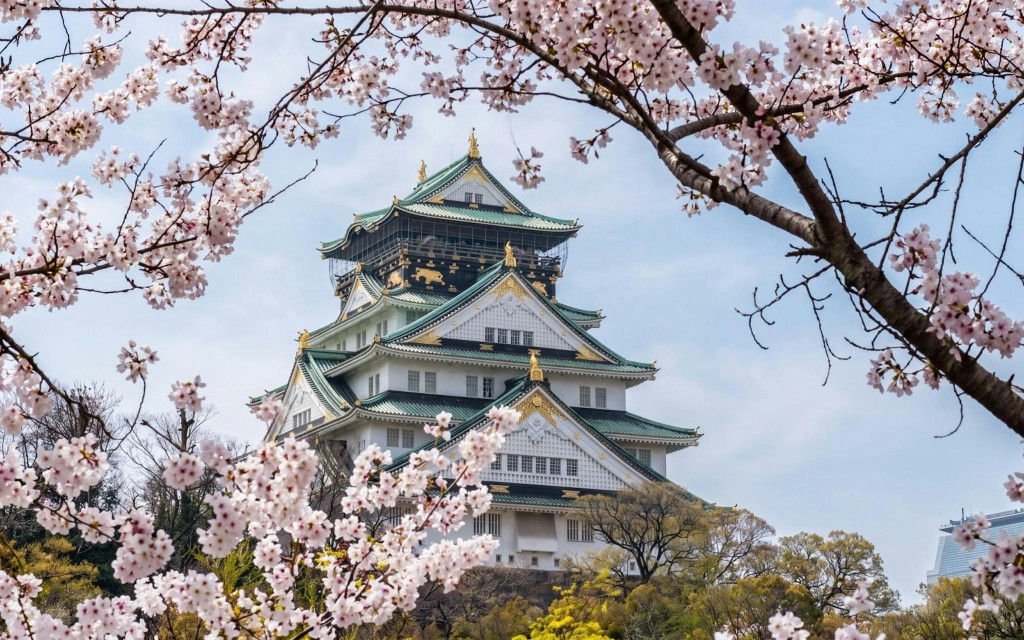
Discover Osaka Castle through these stunning photos, capturing its majestic architecture and beautiful surroundings.
The Osaka Castle stands as a symbol of the city's rich heritage, offering visitors a captivating blend of history and architectural grandeur. Built by the samurai Toyotomi Hideyoshi in the 16th century, the castle is viewed as a symbol of Japan's unification during that era. With its distinctive five-tier, eight-floor structure, which has been enhanced and reinforced over the years, it has borne witness to battles from the 1600s to World War II.
There is no specific dress code for visiting Osaka Castle. Comfortable clothing and shoes are recommended, as you'll be doing a fair amount of walking. Consider dressing in layers, as the temperature inside the castle may vary. During the warmer months, wear light and breathable clothing.
Découvrez la riche histoire du Château d'Osaka au cours d'une visite guidée avec spécialiste de 3 heures.
Pour commencer
Retrouvez votre guide à la sortie de la gare JR Osakajō-kōen (face au pont), identifiable par une chemise ou un panneau TripGuru. Après une brève introduction, commencez votre marche vers le château tandis que votre guide présente le contexte historique de la visite.
Ce qui vous attend
Château d'Osaka
Symbole du passé d'Osaka, le Château d'Osaka témoigne de l'époque féodale du Japon et des ambitions de Toyotomi Hideyoshi. Construit à la fin du XVIe siècle, le château a été le témoin de batailles légendaires et de l'ascension et de la chute de shoguns, ce qui en fait une pierre angulaire de l'histoire japonaise.
Description
Musée du Château d'Osaka : Explorez les expositions qui détaillent la construction du château, les sièges historiques et l'héritage de ses dirigeants, offrant ainsi une fenêtre sur l'ère des samouraïs.
Pont d'observation : Admirez les vues panoramiques de la ligne d'horizon d'Osaka et du parc du château, révélant à la fois le dynamisme moderne de la ville et son passé chargé d'histoire.
Jardin de Nishinomaru : Promenez-vous dans un espace de jardin calme, connu pour ses paysages saisonniers.
Parc du Château d'Osaka : Découvrez la vie locale en passant par le parc, où les habitants font leur jogging, pratiquent les arts martiaux et profitent du cadre historique.
Miraiza Osaka : Visitez un bâtiment historique restauré qui abrite aujourd'hui des boutiques et des espaces culturels.
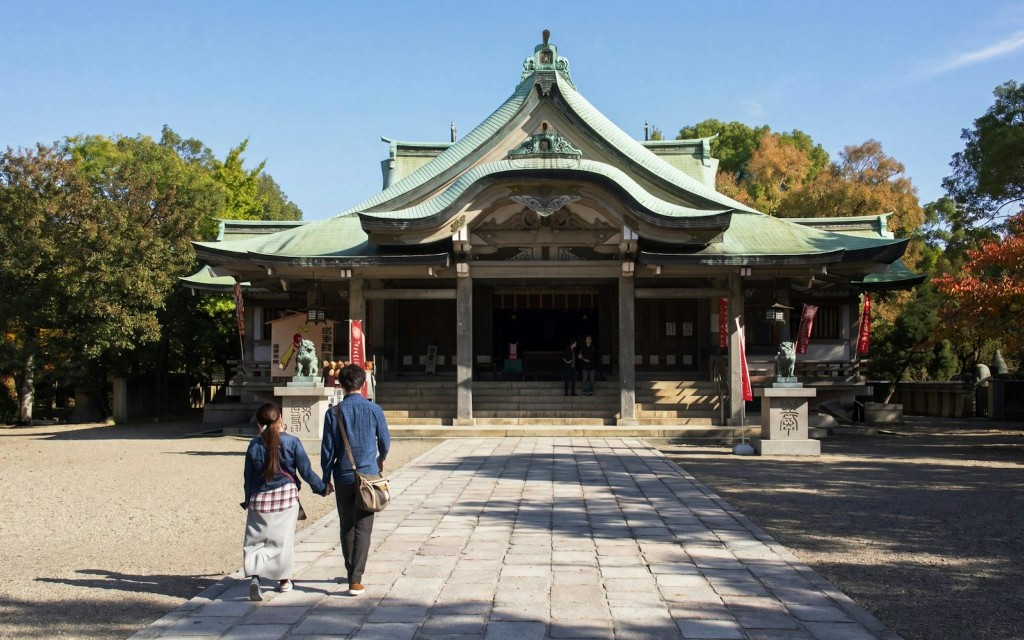
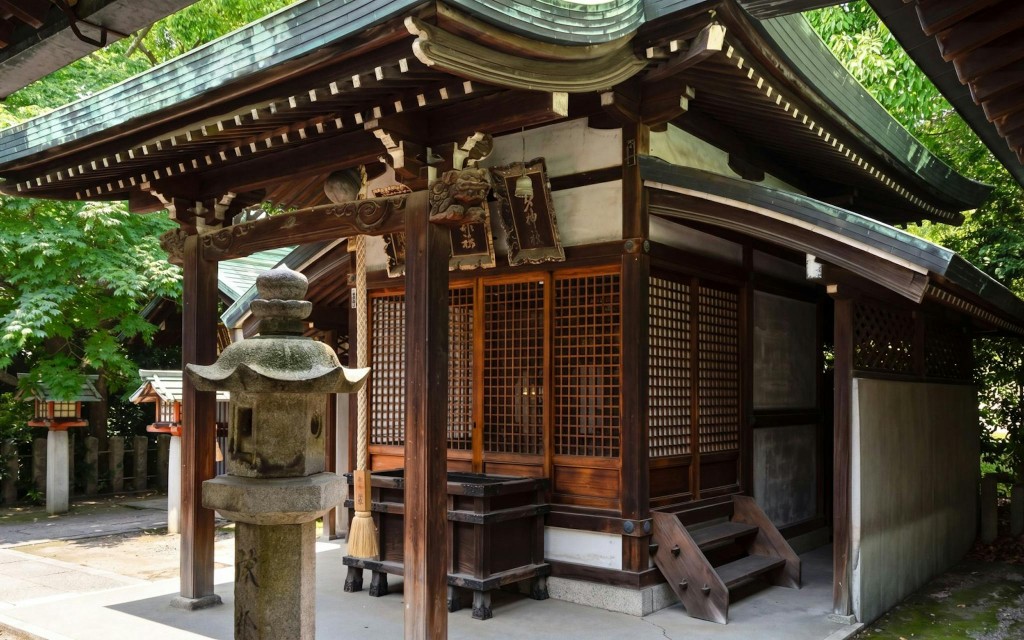
Sanctuaire Hokoku : Apprenez-en plus sur le sanctuaire dédié à Toyotomi Hideyoshi, figure clé de l'unification du Japon, et découvrez son rôle dans le patrimoine culturel de la ville.
Arrivez au point de départ (sortie de la gare JR Osakajō-kōen, face au pont) au moins 10 minutes avant l'heure de départ prévue.
Apportez une pièce d'identité avec photo en cours de validité si elle vous est demandée au point de recontre.
Habillez-vous modestement et respectueusement lorsque vous visitez les sanctuaires. Évitez les vêtements trop révélateurs ou décontractés, tels que les shorts ou les débardeurs.
Prévoyez plus de temps pour vos déplacements, car le trafic du matin peut être imprévisible.
Votre guide portera une chemise TripGuru ou tiendra un panneau TripGuru.
Le guide attendra jusqu'à 10 minutes avant de poursuivre la visite.
La visite dure environ 3 heures et se termine à la station Tanimachi 4-chome.
L'entrée au musée du Château d'Osaka coûte 1 200 yens ; elle est gratuite pour les enfants de moins de 15 ans.
L'itinéraire et les horaires peuvent varier en fonction du créneau horaire choisi.
The Osaka Castle stands as a symbol of the city's rich heritage, offering visitors a captivating blend of history and architectural grandeur. Built by the samurai Toyotomi Hideyoshi in the 16th century, the castle is viewed as a symbol of Japan's unification during that era. With its distinctive five-tier, eight-floor structure, which has been enhanced and reinforced over the years, it has borne witness to battles from the 1600s to World War II.
Booking your Osaka Castle tickets online offers a hassle-free experience, saving you time and ensuring entry. Online platforms often provide skip-the-line options, allowing you to bypass potential queues at the ticket counters. Secure your spot in advance, especially during peak seasons, and enjoy a seamless visit to this iconic landmark. Some online tickets also include access to special exhibitions or discounts.
The history of Osaka Castle dates back to 1583 when Toyotomi Hideyoshi began construction on what was intended to be the largest castle in Japan. After Hideyoshi's death, the castle became the site of a major battle between the Toyotomi and Tokugawa clans. The castle was destroyed in 1615, after the fall of the Toyotomi clan. The Tokugawa shogunate rebuilt Osaka Castle in the 1620s, but the main tower was struck by lightning and burned down in 1665. The current main keep was rebuilt in 1931, during the Showa era. Throughout its history, Osaka Castle has served as a symbol of power, resilience, and cultural heritage.
Osaka Castle is typically open from 9:00 AM to 5:00 PM, with the last entry at 4:30 PM. Hours may be extended during special events or festivals. The castle is usually closed from December 28 to January 1 for the New Year holidays. Always check the latest information before planning your visit.
The best times to visit Osaka Castle are during the spring (late March to May) and autumn (September to November). In spring, the castle park is adorned with cherry blossoms, creating a stunning backdrop. Autumn brings vibrant foliage, painting the landscape in warm colors. These seasons offer pleasant weather for strolling around the park and exploring the castle grounds. Weekday visits are recommended to avoid larger crowds.
Inside Osaka Castle, you'll find a museum spread across multiple floors, each offering a glimpse into the castle's history and the Toyotomi era. Exhibits include armor, weapons, historical documents, and artwork related to the castle and its founders. You can also see miniature replicas of the castle and the surrounding city as it once was. The top floor of the main keep features an observation deck, offering panoramic views of Osaka. Don't miss the golden tea room replica, which showcases the opulence of the era. The museum provides an engaging and educational experience, bringing the castle's past to life.
Consider purchasing the Osaka Amazing Pass for cost savings. Coin lockers are available near the entrance for storing luggage. Wheelchairs are available for rent, and elevators provide access to most floors of the main keep. Photography is allowed in most areas, but flash photography may be restricted in some exhibits. Free Wi-Fi is available in certain areas of the castle park.
Visitors are expected to follow general rules of etiquette. Smoking is prohibited inside the castle and in designated areas of the park. Food and drinks are generally not allowed inside the museum. Please refrain from touching the exhibits and maintain a respectful distance. Follow the instructions of the staff and any posted guidelines.
Osaka Castle is definitely worth visiting for its historical significance, architectural beauty, and cultural insights. It offers a unique opportunity to step back in time and learn about the rich history of Osaka and Japan. The panoramic views from the top of the castle are stunning. Whether you're interested in history, architecture, or simply want to enjoy a beautiful park, Osaka Castle provides a memorable experience.
The entry fee for Osaka Castle's main keep is approximately 600 yen for adults. Discounts are available for children and seniors.
Yes, Osaka Castle is partially wheelchair accessible. Elevators provide access to most floors of the main keep, but some areas may have limited accessibility.
Yes, there are several restaurants and cafes located within Osaka Castle Park, offering a variety of dining options.
Yes, photography is allowed in most areas of Osaka Castle, but flash photography may be restricted in some exhibits.
The walk from the nearest train station (Osakajokoen Station or Tanimachi 4-chome Station) to Osaka Castle takes approximately 15-20 minutes.
Guided tours may be available, but it's best to check with the Osaka Castle visitor center for current offerings and schedules.
Yes, there are parking facilities available near Osaka Castle, but they can be crowded, especially during peak seasons.
Large luggage is not allowed inside the main keep. Coin lockers are available near the entrance for storing your belongings.
The closest station to Osaka Castle is Osakajokoen Station on the JR Loop Line. From there, it's about a 15-20 minute walk to the castle. Alternatively, you can take the Osaka Metro to Tanimachi 4-chome Station and walk about 15-20 minutes. Several bus routes also serve the area around Osaka Castle Park.
There is no specific dress code for visiting Osaka Castle. Comfortable clothing and shoes are recommended, as you'll be doing a fair amount of walking. Consider dressing in layers, as the temperature inside the castle may vary. During the warmer months, wear light and breathable clothing.