


Ce qui est inclus
- Accès standard au Musée de la Vie romantique
- Accès aux expositions temporaires
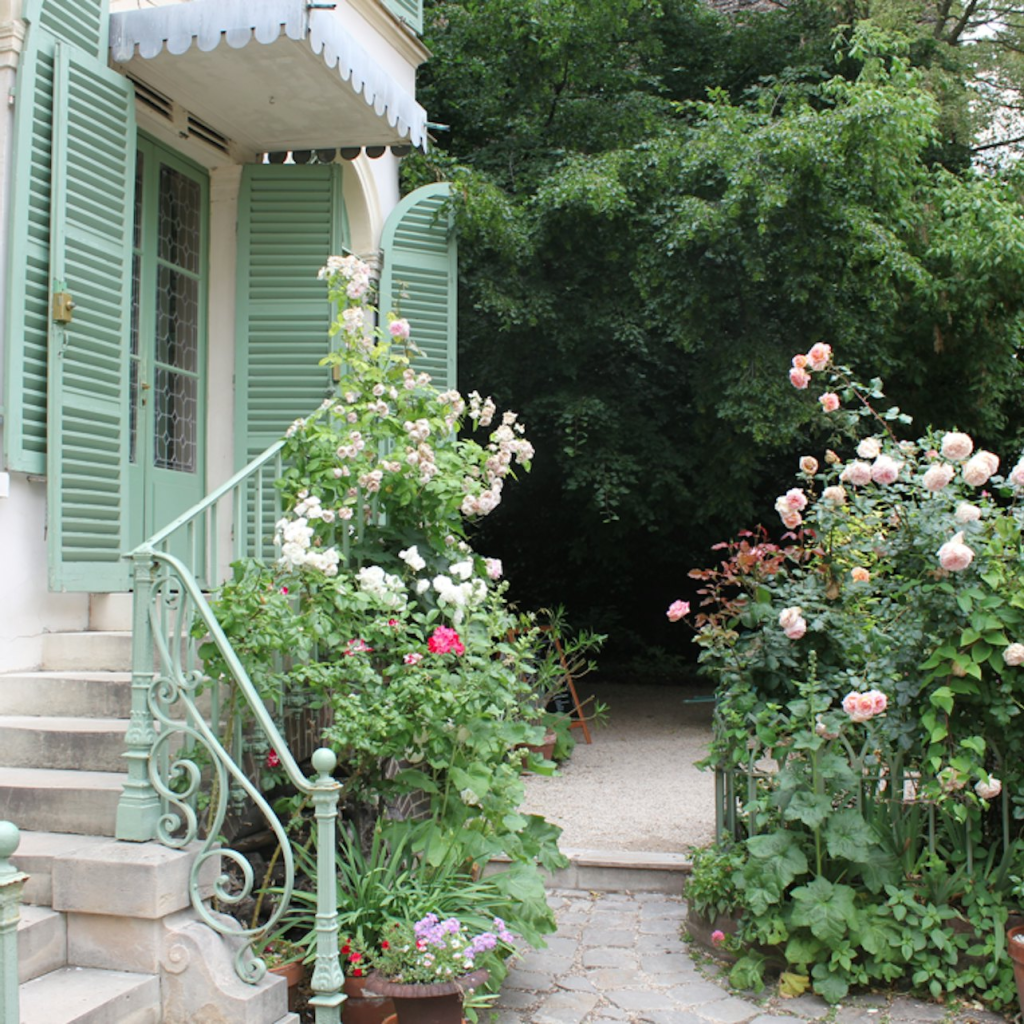
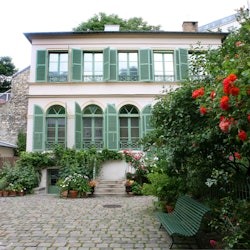
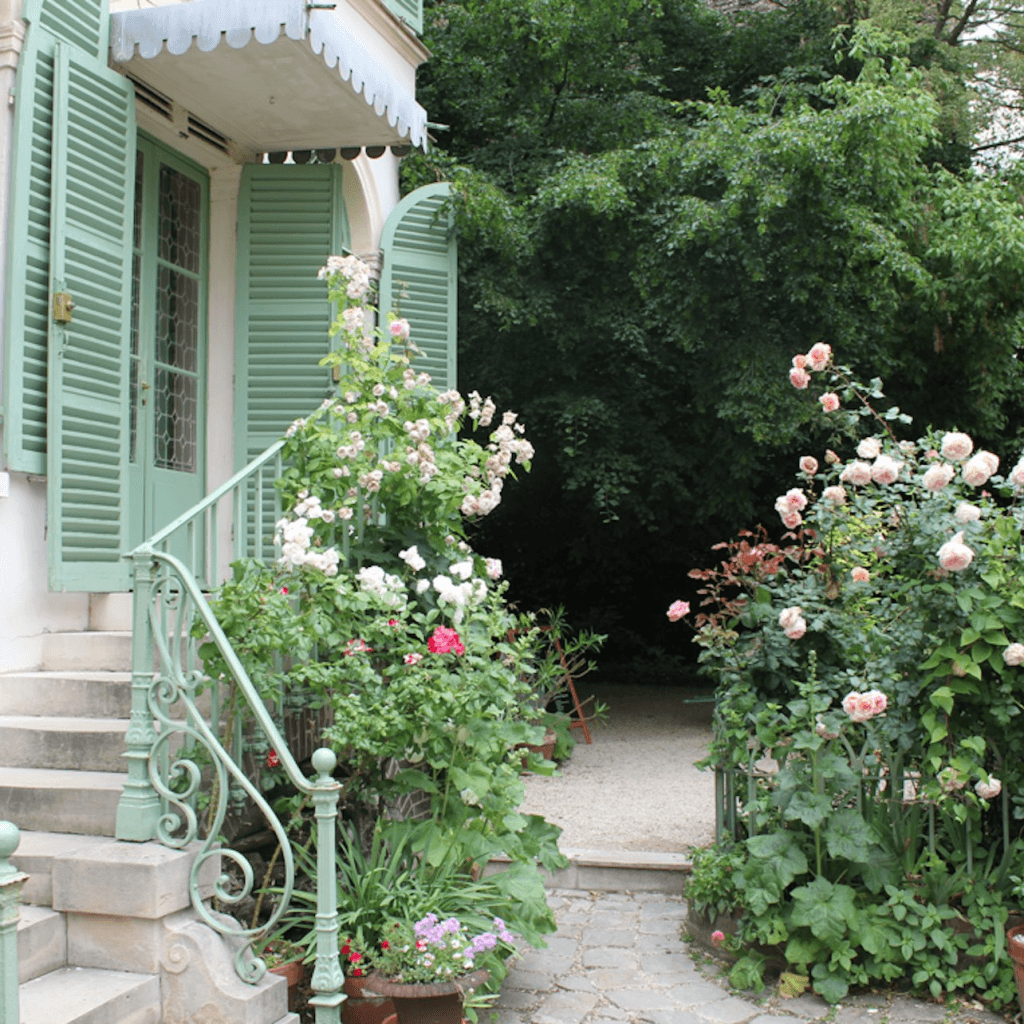
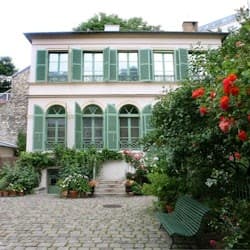
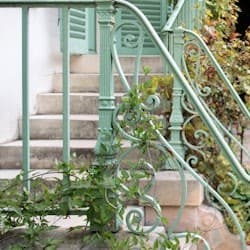
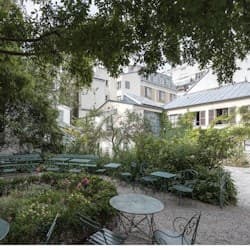
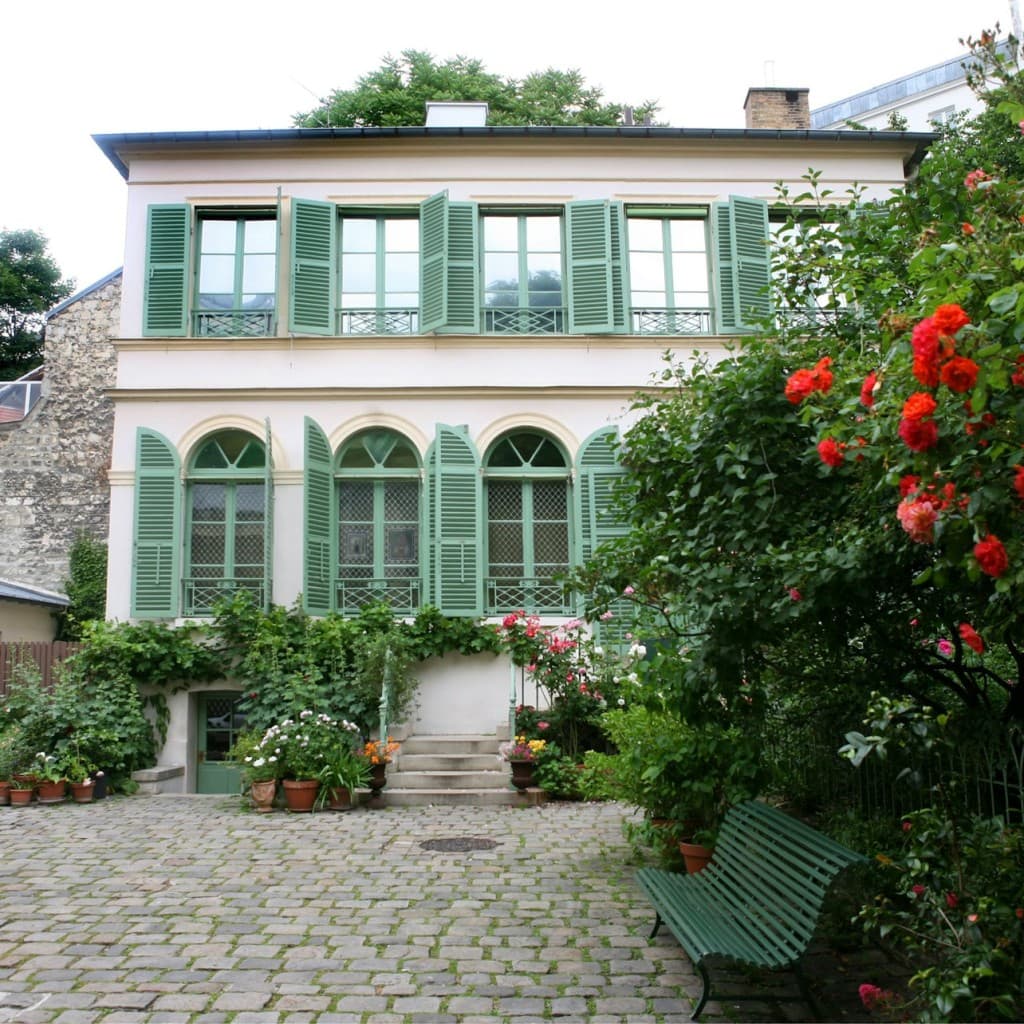
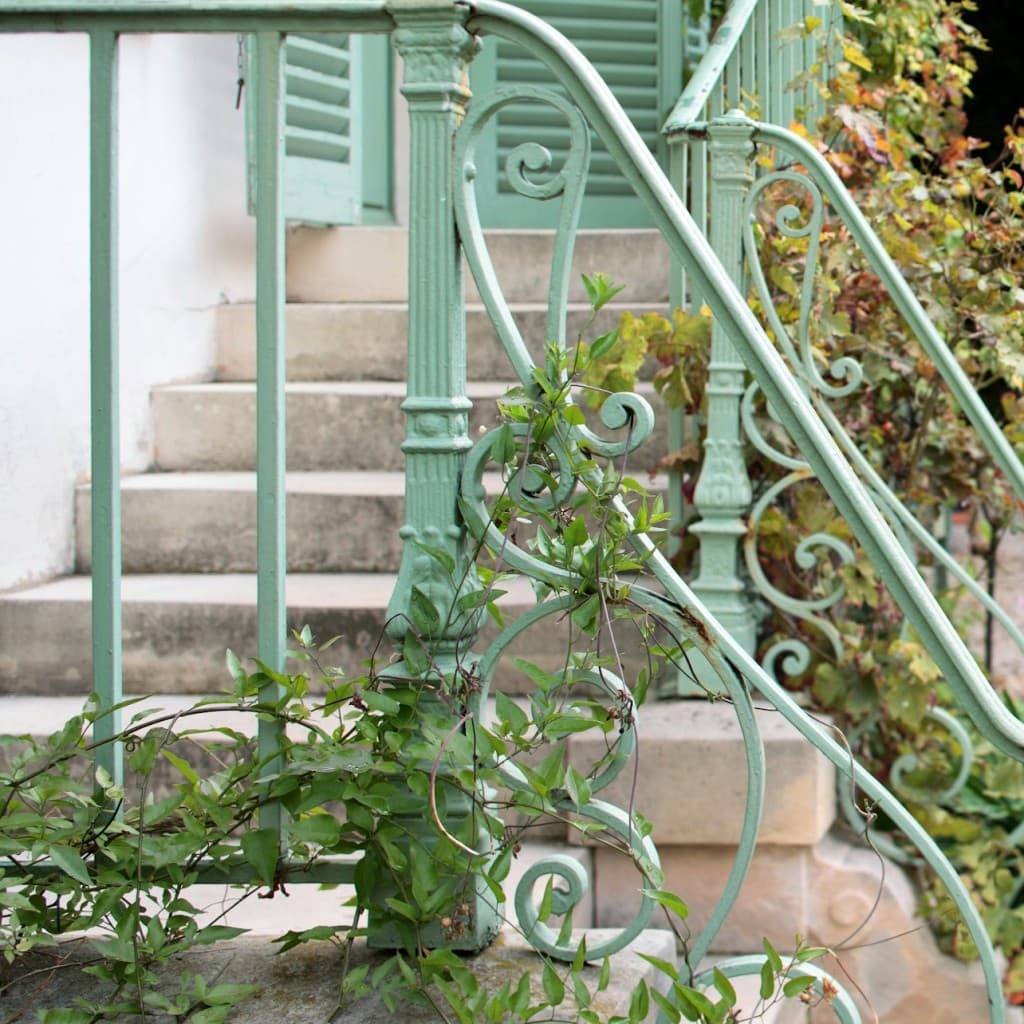
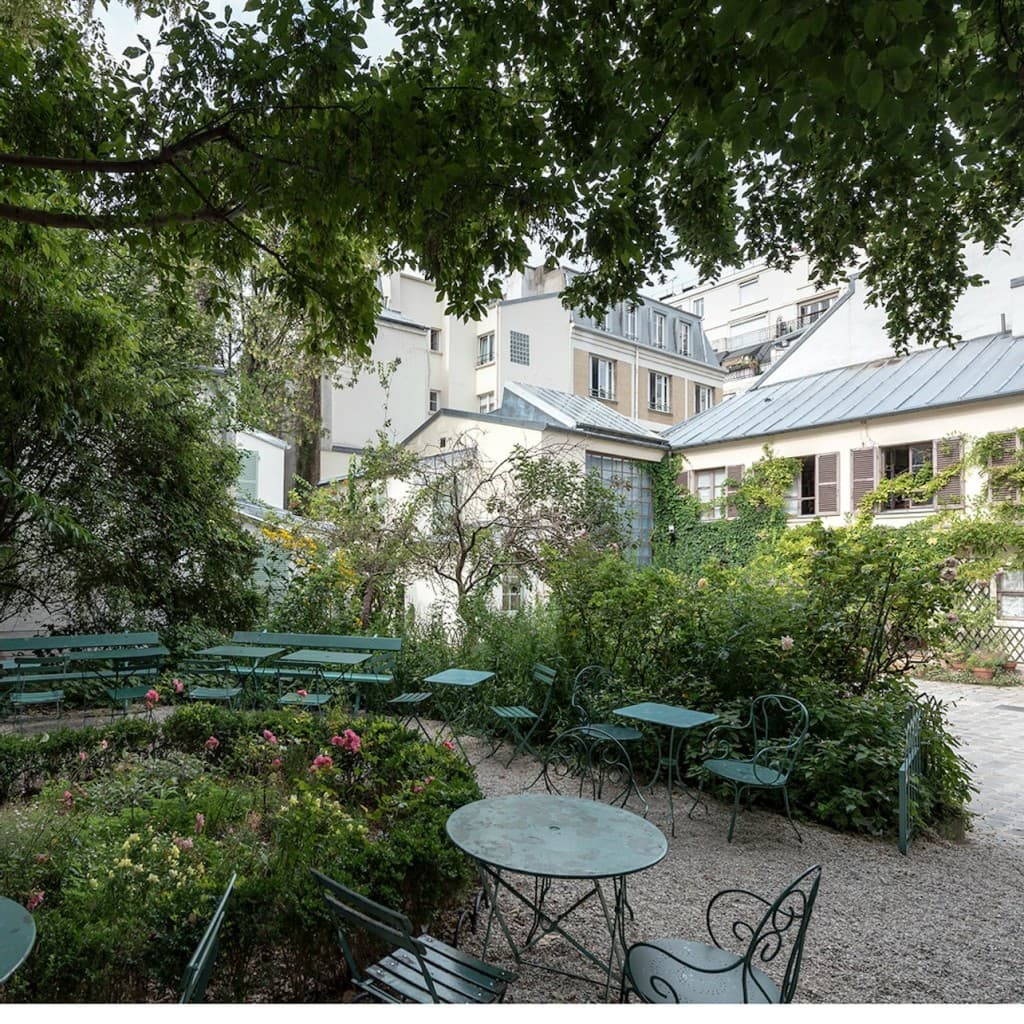
Découvrez les intérieurs enchanteurs et le jardin tranquille du Musée de la Vie Romantique à travers ces images captivantes.
Plongez dans l'élégance raffinée du Paris du XIXe siècle au Musée de la Vie Romantique, un musée-maison magnifiquement préservé et dédié à l'esprit du mouvement romantique. Niché dans le charmant quartier de la Nouvelle Athènes, ce musée offre un aperçu unique de la vie des artistes, écrivains et musiciens qui ont façonné cette époque. Autrefois demeure de l'artiste Ary Scheffer, il est devenu un salon pour des personnalités telles que Frédéric Chopin, George Sand et Charles Dickens. Les visiteurs peuvent y explorer une collection d'œuvres d'art évocatrices, de souvenirs personnels et de mobilier d'époque, et découvrir l'atmosphère intime où la créativité et le discours intellectuel ont prospéré. Au-delà de la collection permanente, le musée accueille également des expositions temporaires qui explorent plus en profondeur des thèmes et des artistes spécifiques de la période romantique, offrant de nouvelles perspectives à chaque visite.
Il n'y a pas de code vestimentaire formel requis pour visiter le Musée de la Vie Romantique. Une tenue décontractée et confortable est généralement appropriée. Étant donné que le musée implique de se promener dans diverses salles et potentiellement de rester debout pendant de longues périodes, des chaussures confortables sont recommandées. Les visiteurs doivent s'habiller respectueusement, comme il est d'usage lors de la visite d'institutions culturelles.
Le Musée de la Vie Romantique est une oasis de tranquillité au cœur de Paris, invitant les visiteurs à s'immerger dans la riche tapisserie culturelle de la période romantique. Situé dans l'ancienne résidence du peintre franco-néerlandais Ary Scheffer, le musée préserve l'héritage artistique et littéraire d'une époque influente. Le rez-de-chaussée présente la remarquable collection liée à la romancière George Sand, comprenant des portraits, des bijoux et des souvenirs de famille qui éclairent sa vie et ses relations. À l'étage, les visiteurs découvrent l'atelier de Scheffer et des salles remplies d'œuvres de Scheffer lui-même, de ses contemporains et d'autres artistes de l'époque, notamment des peintures, des sculptures et des arts décoratifs. Le charmant jardin et la serre du musée offrent un cadre serein, complétant ce tableau pittoresque. Accueillant régulièrement des expositions temporaires, des concerts et des événements littéraires, le Musée de la Vie Romantique continue d'être un centre vibrant pour apprécier l'impact profond du Romantisme sur l'art et la société, offrant une expérience profondément personnelle et intime de la vie intellectuelle parisienne du XIXe siècle.
La réservation en ligne de billets pour le Musée de la Vie Romantique offre plusieurs avantages, garantissant une visite plus fluide et plus pratique. Bien que les collections permanentes soient souvent gratuites, les expositions temporaires peuvent nécessiter un billet payant. L'achat de ces billets à l'avance vous permet de garantir votre heure d'entrée préférée, surtout pendant les hautes saisons ou pour les expositions populaires. La réservation en ligne réduit souvent les temps d'attente à l'entrée, vous permettant de contourner les files d'attente et de maximiser votre temps à explorer les charmants intérieurs et jardins du musée. Cela vous offre également une tranquillité d'esprit, sachant que votre entrée est confirmée, ce qui vous permet de planifier votre itinéraire parisien plus efficacement.
L'histoire du Musée de la Vie Romantique est intrinsèquement liée à son propriétaire d'origine, le peintre d'origine néerlandaise Ary Scheffer (1795-1858). En 1830, Scheffer s'installe dans cet hôtel particulier avec un pavillon-atelier dans le quartier alors à la mode des Nouvelles Athènes. Sa maison est rapidement devenue un salon littéraire et artistique de premier plan, un centre pour les figures majeures du mouvement romantique à Paris. Frédéric Chopin, Eugène Delacroix, Franz Liszt, Ivan Tourgueniev, et particulièrement George Sand, étaient des invités réguliers. Sand entretenait une amitié étroite avec Scheffer, et sa présence a profondément marqué l'héritage de la maison. Après la mort de Scheffer, sa nièce Cornelia Scheffer et sa famille ont continué à y résider, préservant une grande partie du mobilier et des œuvres d'art d'origine. La maison a finalement été acquise par la Ville de Paris en 1982 et ouverte en tant que Musée de la Vie Romantique en 1987. Il a été conçu pour évoquer l'atmosphère de l'ère romantique, en se concentrant sur le cercle de Scheffer et la présence significative de George Sand, dont la collection personnelle constitue une partie essentielle des fonds du musée, célébrant une période charnière de la culture française.
Le Musée de la Vie Romantique accueille généralement les visiteurs du mardi au dimanche. Il est habituellement fermé les lundis et certains jours fériés spécifiques, tels que le 1er janvier, le 1er mai et le 25 décembre. Les horaires d'ouverture s'étendent généralement de 10h00 à 18h00. Cependant, il est toujours conseillé de noter que les horaires spécifiques peuvent être sujets à modification en raison d'expositions spéciales, d'entretien ou d'autres circonstances imprévues. Il est recommandé de planifier votre visite avec flexibilité.
Le meilleur moment pour visiter le Musée de la Vie Romantique est généralement le matin en semaine, peu après l'ouverture du musée. Cette période connaît généralement moins de foule, permettant une expérience plus intime et tranquille pour explorer la maison, les collections et le jardin. Le printemps et l'automne offrent également un temps agréable pour profiter des espaces extérieurs et du charmant quartier parisien environnant. Les week-ends et les après-midis peuvent être plus fréquentés, surtout pendant les hautes saisons touristiques. Visiter en dehors des vacances scolaires peut également contribuer à une atmosphère plus détendue.
À l'intérieur du Musée de la Vie Romantique, les visiteurs sont transportés dans une époque révolue. Le rez-de-chaussée est dédié à la célèbre romancière George Sand, présentant une fascinante collection de ses portraits, dont un d'Auguste Charpentier, ainsi que des bijoux, des objets personnels et des souvenirs de sa famille, offrant un aperçu intime de sa vie et de ses amitiés. Montez au premier étage pour explorer l'atelier d'Ary Scheffer et les quartiers d'habitation attenants, remplis de ses propres peintures et sculptures. Vous y trouverez également des œuvres de ses contemporains et d'autres artistes de la période romantique, tels qu'Ingres et Delacroix, ainsi que des meubles d'époque et des objets d'art décoratif qui recréent l'ambiance d'une maison parisienne du XIXe siècle. Chaque pièce raconte une histoire, révélant les mondes entrelacés de l'art, de la littérature et de la vie sociale qui ont défini le mouvement romantique.
Les collections permanentes du Musée de la Vie Romantique sont généralement gratuites d'accès, ce qui en fait une excellente étape culturelle. Cependant, les expositions temporaires nécessitent souvent un billet payant. Le musée comprend un charmant salon de thé, Rose Bakery, situé dans le jardin, parfait pour un repas léger, un café ou une gourmandise. La photographie à usage personnel est généralement autorisée au sein des collections permanentes, mais la photographie au flash ou la photographie dans les expositions temporaires peut être restreinte. Le musée est logé dans un bâtiment ancien, soyez donc attentif aux escaliers et à une accessibilité potentiellement limitée dans certaines zones. Prévoyez environ 1 à 2 heures pour apprécier pleinement la maison, les collections et le jardin.
Les visiteurs sont priés de traiter avec respect les collections et la propriété du musée. La nourriture et les boissons ne sont généralement pas autorisées dans les zones d'exposition, bien qu'un salon de thé soit disponible dans le jardin. Les grands sacs et les parapluies peuvent devoir être laissés dans les casiers ou les vestiaires désignés. Veuillez maintenir un comportement calme, surtout dans les salles d'exposition, pour garantir une expérience agréable à tous les visiteurs. Les enfants doivent être surveillés par un adulte à tout moment. Des règles spécifiques concernant les expositions temporaires peuvent s'appliquer, et les instructions du personnel doivent toujours être suivies.
Le Musée de la Vie Romantique vaut absolument la peine d'être visité pour toute personne intéressée par la culture, l'art et la littérature parisienne du XIXe siècle. Il offre une occasion rare de pénétrer dans la maison magnifiquement préservée d'un artiste et de découvrir l'atmosphère intime où le mouvement romantique a fleuri. L'accent mis sur George Sand et Ary Scheffer offre une perspective personnelle unique sur cette époque, à la différence des musées plus grands et plus imposants. Son jardin tranquille et son charmant salon de thé en font également une évasion parfaite de la ville animée, offrant une expérience culturelle sereine et réflexive qui est à la fois éducative et profondément personnelle.
Le musée présente principalement des collections liées à la romancière George Sand, notamment des portraits et des effets personnels, ainsi que des œuvres du peintre Ary Scheffer et de ses contemporains romantiques, aux côtés de mobilier d'époque.
Les collections permanentes du musée sont généralement en accès libre. Cependant, les expositions temporaires peuvent nécessiter un billet d'entrée payant.
Le musée est généralement ouvert du mardi au dimanche, de 10h00 à 18h00, et est généralement fermé le lundi et certains jours fériés.
Oui, le musée abrite le salon de thé « Rose Bakery » situé dans son charmant jardin, proposant des rafraîchissements et des repas légers.
La plupart des visiteurs passent environ 1 à 2 heures à explorer les collections, l'atelier de l'artiste et le magnifique jardin.
En tant que bâtiment historique ancien, certaines zones du musée peuvent avoir une accessibilité limitée en raison des escaliers. Il est conseillé de se renseigner sur les caractéristiques d'accessibilité spécifiques avant votre visite.
La photographie à usage personnel est généralement autorisée dans les collections permanentes, mais la photographie au flash et la photographie dans les expositions temporaires peuvent être restreintes.
Le Musée de la Vie Romantique est facilement accessible en transports en commun. Vous pouvez vous y rendre via les lignes de métro 2 (Blanche, Pigalle) ou 12 (Saint-Georges, Pigalle, Notre-Dame-de-Lorette). Plusieurs lignes de bus desservent également la zone, notamment les lignes 74 (Blanche), 68 (Pigalle, Saint-Georges) et 40 (Saint-Georges). Depuis les arrêts de métro ou de bus, le musée se trouve à une courte et agréable promenade dans les charmantes rues du quartier de la Nouvelle Athènes, généralement moins de 10 minutes.
Il n'y a pas de code vestimentaire formel requis pour visiter le Musée de la Vie Romantique. Une tenue décontractée et confortable est généralement appropriée. Étant donné que le musée implique de se promener dans diverses salles et potentiellement de rester debout pendant de longues périodes, des chaussures confortables sont recommandées. Les visiteurs doivent s'habiller respectueusement, comme il est d'usage lors de la visite d'institutions culturelles.