Ce qui est inclus
- Billet d'entrée
Explorez les magnifiques points forts visuels des vastes collections du Musée National des Arts Asiatiques Guimet, présentant des chefs-d'œuvre de Chine, du Japon, d'Inde, de Corée et d'Asie du Sud-Est.
Embarquez pour un voyage captivant à travers le patrimoine artistique et culturel de l'Asie au Musée National des Arts Asiatiques Guimet. Située au cœur de Paris, cette institution prestigieuse est le premier musée de France dédié aux arts asiatiques. Abrite une collection inégalée de plus de 50 000 œuvres, le musée Guimet offre aux visiteurs une occasion unique d'explorer des millénaires de créativité issus de diverses civilisations à travers le continent. Des anciens empires de Chine et d'Inde aux cultures vibrantes du Japon, de la Corée et de l'Asie du Sud-Est, les galeries du musée présentent un panorama époustouflant de sculptures, peintures, céramiques, textiles et artefacts sacrés. C'est une destination essentielle pour quiconque s'intéresse à la riche tapisserie de l'expression artistique et de l'histoire asiatiques.
Il n'y a pas de code vestimentaire formel pour visiter le Musée Guimet. Les visiteurs sont encouragés à s'habiller confortablement et respectueusement, de manière appropriée pour se promener dans les galeries et les espaces publics. Comme pour la plupart des attractions intérieures, les couches peuvent être utiles pour s'adapter aux différentes températures à l'intérieur du musée.
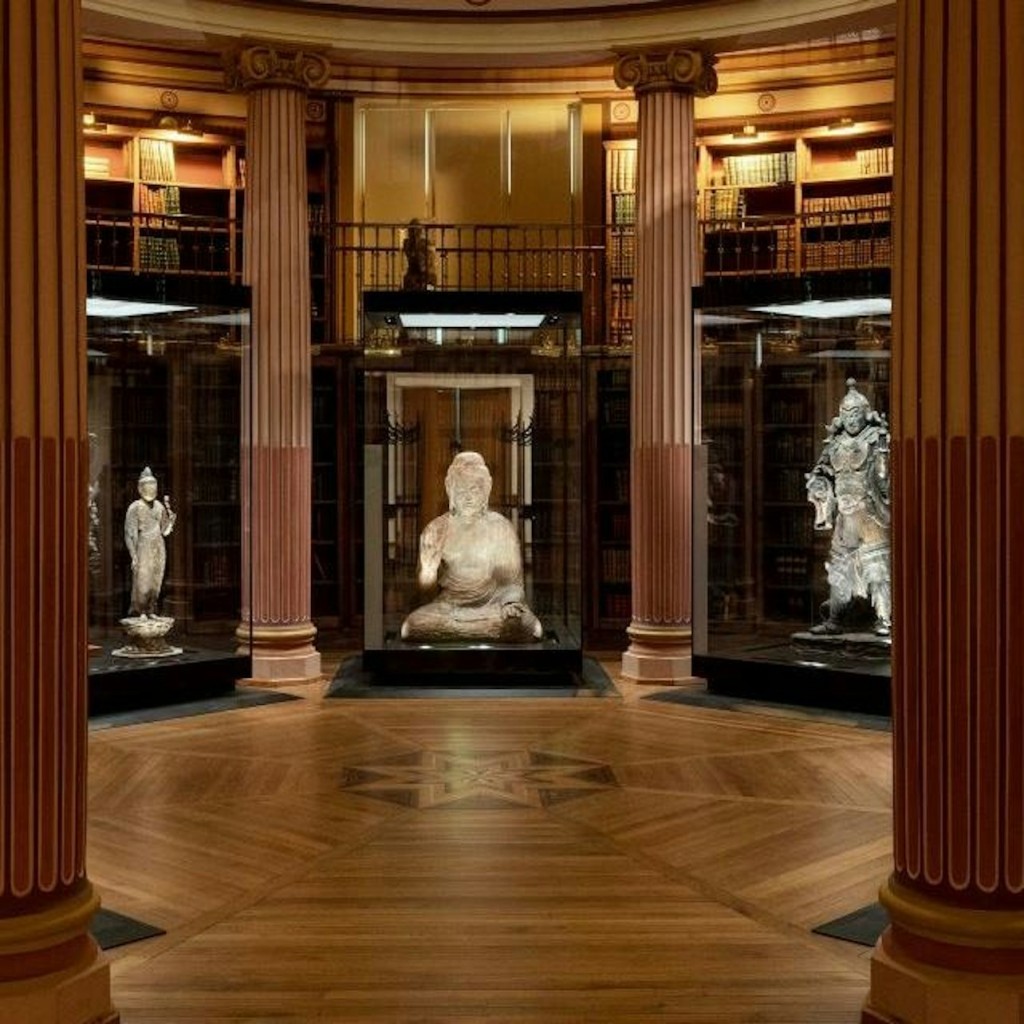
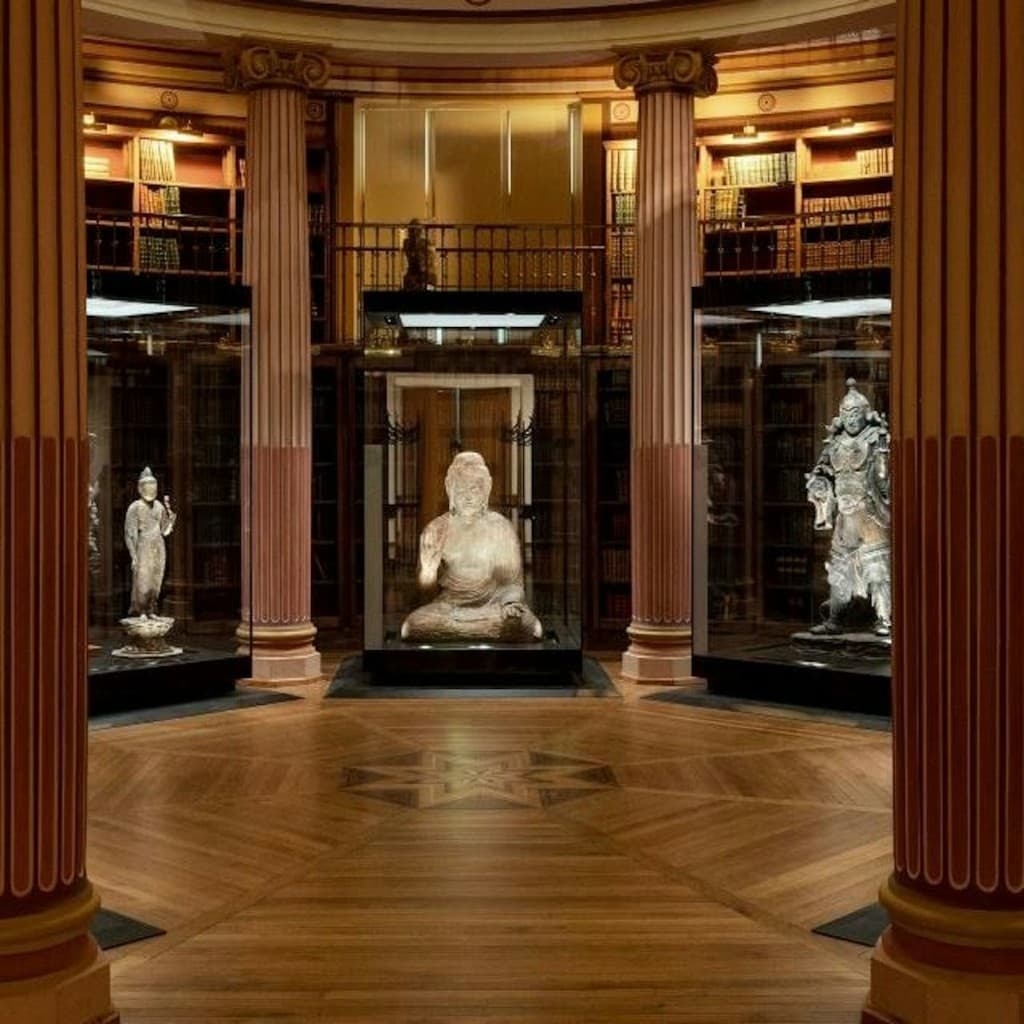
Le Musée National des Arts Asiatiques Guimet, souvent simplement appelé musée Guimet, est un monument culturel de renommée mondiale dédié à l'étude et à la préservation de l'art asiatique. Ses collections complètes couvrent de vastes zones géographiques et périodes historiques, offrant des aperçus approfondis des traditions artistiques de nombreux pays asiatiques. Les visiteurs peuvent explorer un remarquable éventail d'art bouddhiste, de sculptures hindoues, de bronzes chinois, d'estampes japonaises, de céramiques coréennes et de textiles de tout le continent. La mission du musée va au-delà de la simple exposition ; c'est un centre actif de recherche, de conservation et d'éducation, contribuant de manière significative à la compréhension et à l'appréciation des cultures asiatiques dans le monde occidental. Installé dans un grand bâtiment avec des galeries bien organisées, le musée Guimet offre une expérience contemplative et éducative, permettant aux visiteurs de s'immerger dans la beauté complexe et la profonde spiritualité des réalisations artistiques asiatiques. Ses vastes fonds en font une ressource essentielle pour les universitaires et une source d'émerveillement pour le grand public, présentant l'héritage durable des civilisations asiatiques à travers leur production artistique extraordinaire.
Réserver vos billets pour le Musée National des Arts Asiatiques Guimet en ligne offre plusieurs avantages pratiques. Cela vous permet de sécuriser votre entrée à l'avance, surtout pendant les périodes de forte affluence, garantissant une visite fluide et sans tracas. Les billets en ligne signifient souvent que vous pouvez éviter les files d'attente à l'entrée, ce qui vous fait gagner un temps précieux qui peut être mieux utilisé pour explorer les collections extraordinaires du musée. De plus, l'achat préalable de billets peut vous aider à planifier votre itinéraire plus efficacement et à budgétiser votre voyage avec une plus grande certitude. Simplifiez votre visite et garantissez l'accès à cette institution de renommée mondiale en réservant vos billets pour le Musée Guimet en ligne avant votre arrivée.
Le Musée National des Arts Asiatiques Guimet doit son existence à Émile Guimet (1836-1918), un industriel et voyageur passionné de Lyon. Dès son jeune âge, Guimet a développé un vif intérêt pour les cultures et religions étrangères, en particulier celles de l'Asie. Il a entrepris de nombreux voyages en Égypte, en Grèce, au Japon, en Chine et en Inde dans les années 1870, collectant une extraordinaire série d'artefacts religieux, de sculptures et d'objets de diverses civilisations asiatiques. Initialement, sa collection privée était abritée dans un musée qu'il a fondé à Lyon en 1879, axé sur les religions d'Égypte et d'Asie. Reconnaissant l'importance nationale de la collection, l'État français l'a acquise en 1889, la transférant à Paris et établissant le Musée Guimet à son emplacement actuel, place d'Iéna, en 1889. Au fil des décennies, les collections du musée se sont considérablement enrichies grâce à des donations, des acquisitions et des transferts provenant d'autres institutions nationales françaises, consolidant ainsi sa position de centre mondial majeur pour l'art asiatique.
Le Musée National des Arts Asiatiques Guimet est généralement ouvert de 10h00 à 18h00, du mercredi au lundi. Le musée est habituellement fermé le mardi et certains jours fériés spécifiques, notamment le 1er janvier, le 1er mai et le 25 décembre. La dernière admission se fait généralement 45 minutes avant la fermeture. Il est toujours conseillé de vérifier les horaires du musée pour tout changement spécifique ou horaires prolongés pour des événements spéciaux ou des expositions avant de planifier votre visite.
Pour apprécier pleinement les vastes collections du Musée Guimet sans l'agitation des grandes foules, les meilleurs moments pour visiter sont les matins en semaine, peu après l'ouverture, ou en fin d'après-midi, quelques heures avant la fermeture. Les week-ends et les jours fériés ont tendance à être plus fréquentés, surtout l'après-midi. Pendant les saisons touristiques creuses (hiver, hors périodes de vacances), le musée reçoit généralement moins de visiteurs, offrant un environnement plus serein pour explorer les galeries à votre guise. Visez le début du printemps ou la fin de l'automne pour un temps agréable et potentiellement moins de foule.
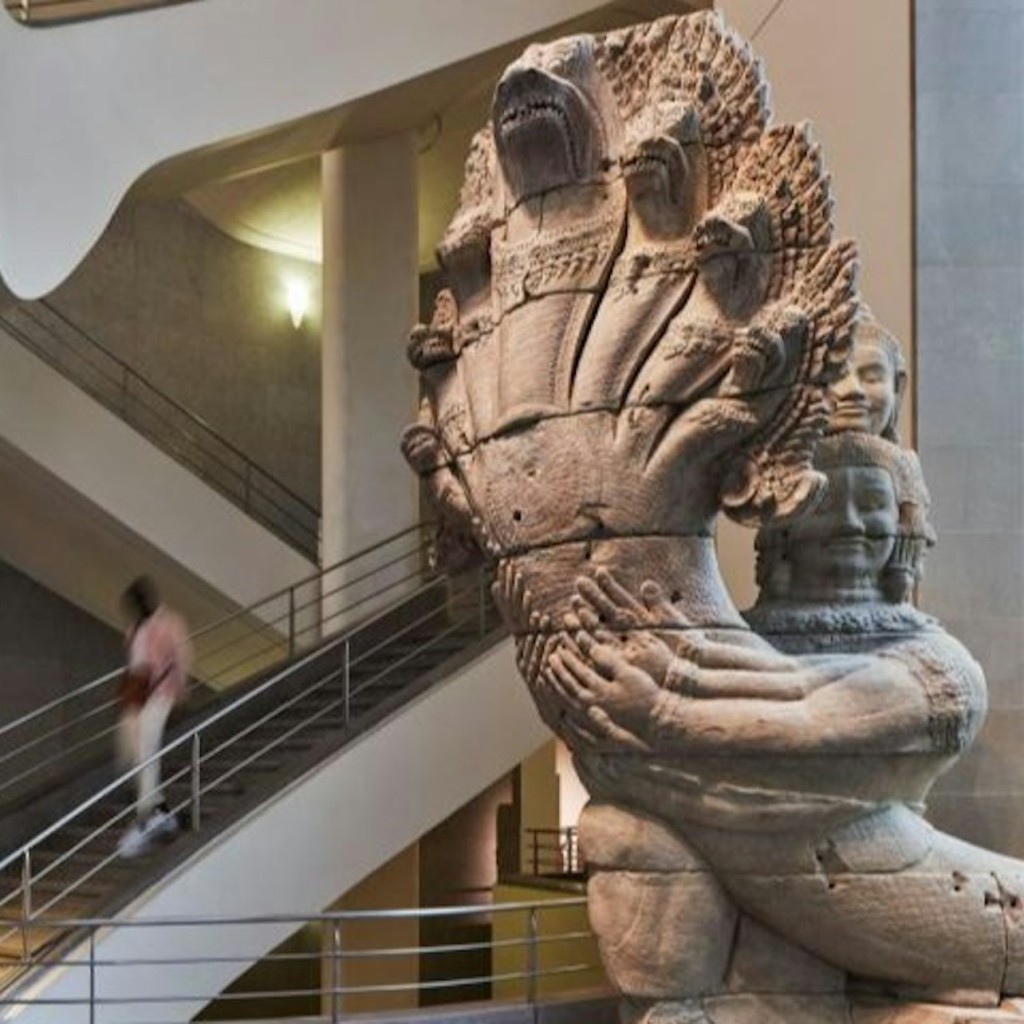
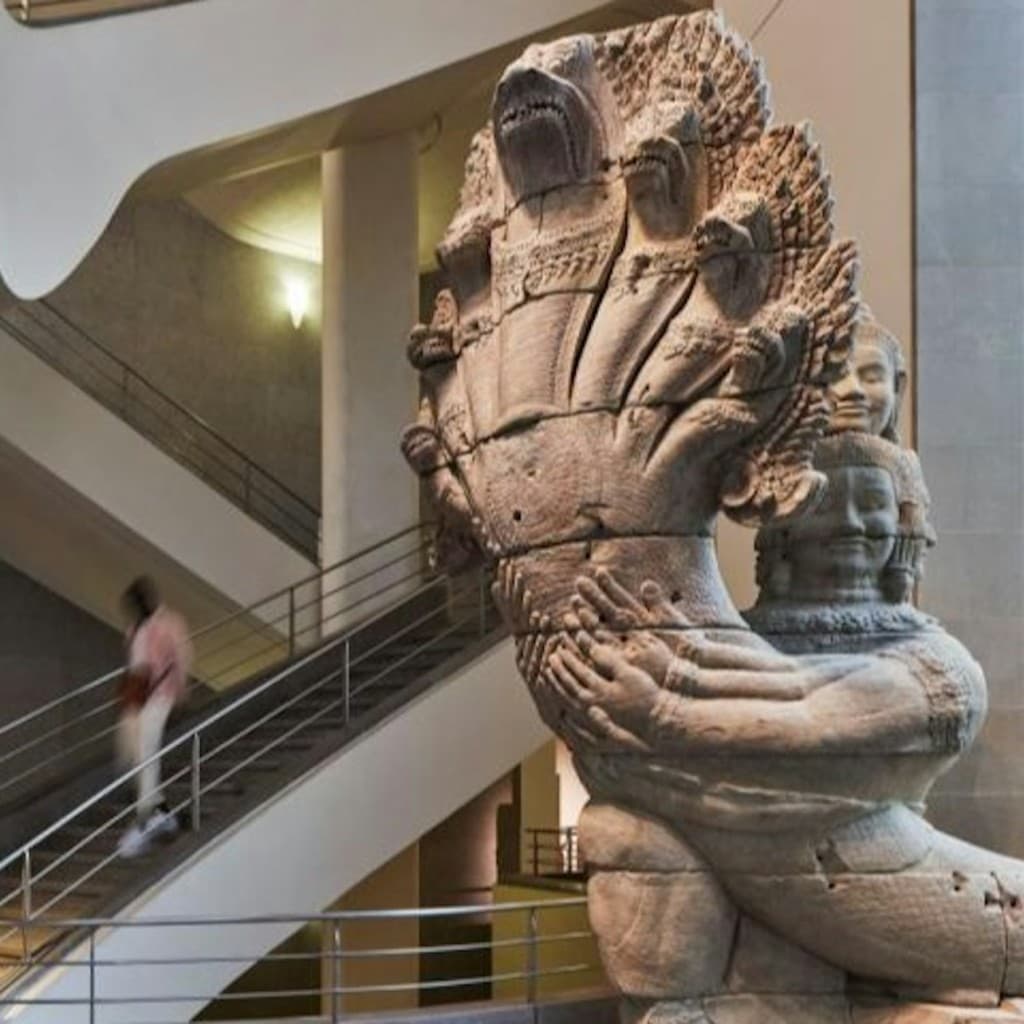
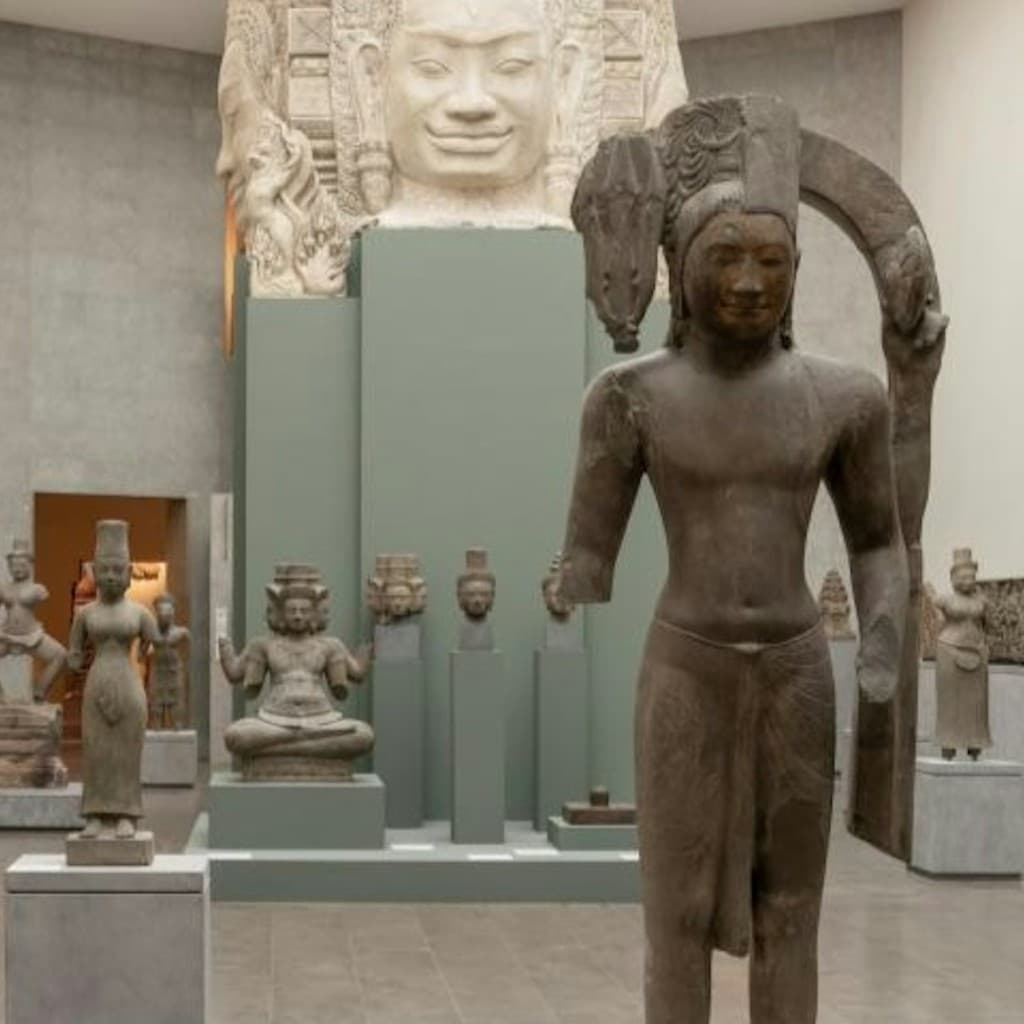
À l'intérieur du Musée Guimet, vous découvrirez un vaste univers d'art asiatique réparti sur plusieurs étages. Le rez-de-chaussée présente souvent d'impressionnantes sculptures de l'Inde et de l'Asie du Sud-Est, y compris de magnifiques œuvres d'art khmer d'Angkor, ainsi que des pièces gandhara. Montez pour explorer les collections chinoises, exposant d'anciens bronzes, des jades, des porcelaines couvrant diverses dynasties et des peintures exquises. D'autres galeries sont dédiées à l'art japonais, présentant des artefacts de samouraïs complexes, des estampes traditionnelles sur bois (ukiyo-e) et des céramiques délicates. La section coréenne met en lumière la poterie et l'art bouddhique. Vous trouverez également des collections plus petites mais significatives d'Afghanistan, du Pakistan et des régions himalayennes, ainsi que des expositions temporaires qui approfondissent des thèmes ou des mouvements artistiques spécifiques, garantissant qu'il y a toujours quelque chose de nouveau à découvrir.
Envisagez d'acheter vos billets en ligne à l'avance pour gagner du temps à votre arrivée. Le musée est réparti sur plusieurs étages, alors portez des chaussures confortables pour la marche. Des ascenseurs sont disponibles pour l'accessibilité. La photographie est généralement autorisée pour un usage personnel, souvent sans flash dans certaines zones, mais soyez toujours respectueux des autres visiteurs et des œuvres d'art. Il y a une boutique du musée proposant des livres, des répliques et des souvenirs, ainsi qu'un café pour les rafraîchissements. Des casiers peuvent être disponibles pour les petits sacs. Des audioguides sont souvent proposés en plusieurs langues pour une expérience enrichie.
Pour assurer une expérience agréable à tous et protéger les œuvres d'art, les visiteurs sont priés de respecter certaines règles. Les grands sacs et sacs à dos peuvent devoir être rangés dans des casiers. La nourriture et les boissons ne sont généralement pas autorisées à l'intérieur des galeries d'exposition. Veuillez vous abstenir de toucher les œuvres d'art. La photographie au flash est interdite pour éviter d'endommager les matériaux sensibles. Il est déconseillé de courir ou de tenir des conversations bruyantes pour maintenir une atmosphère sereine. Suivez les instructions du personnel du musée et respectez les directives spécifiques affichées dans les salles d'exposition individuelles.
Le Musée National des Arts Asiatiques Guimet vaut incontestablement la visite pour toute personne intéressée par l'art, l'histoire et les diverses cultures. Il offre une occasion inégalée d'explorer les chefs-d'œuvre artistiques et les traditions spirituelles de l'Asie sans quitter Paris. L'étendue et la profondeur de ses collections, des artefacts anciens aux textiles complexes, offrent une expérience éducative et esthétique profonde. C'est une évasion sereine de la ville animée, invitant à la contemplation et offrant une perspective unique sur le riche patrimoine artistique du continent le plus peuplé du monde, en faisant une destination culturelle véritablement enrichissante.
Le Musée Guimet est spécialisé dans l'art asiatique, présentant des collections de Chine, du Japon, d'Inde, de Corée, d'Asie du Sud-Est et de la région himalayenne. Vous y trouverez des sculptures, des peintures, des céramiques, des textiles et divers artefacts.
Oui, le Musée Guimet est généralement accessible. Il dispose d'ascenseurs pour tous les étages et les installations sont adaptées aux visiteurs à mobilité réduite. Il est toujours conseillé de vérifier les détails d'accessibilité spécifiques avant votre visite.
Une visite typique au Musée Guimet peut durer de 2,5 à 4 heures pour explorer en profondeur les collections principales, en fonction de votre niveau d'intérêt et de votre rythme.
La photographie à usage personnel est généralement autorisée dans les collections permanentes, à condition d'être sans flash. Des règles spécifiques peuvent s'appliquer aux expositions temporaires ou à certaines zones, veuillez donc consulter la signalisation.
Le musée propose souvent des visites guidées ou des audioguides en plusieurs langues pour enrichir votre compréhension des collections. La disponibilité peut varier, il est donc recommandé de se renseigner à l'arrivée ou de consulter le programme du musée.
Oui, le Musée Guimet comprend généralement un café où les visiteurs peuvent faire une pause et prendre des rafraîchissements pendant leur visite.
Les points forts incluent souvent l'impressionnante collection d'art du Gandhara, les vastes sculptures khmères, les délicates estampes japonaises (ukiyo-e) et les bronzes et porcelaines chinois anciens. Le choix des éléments à privilégier dépend des intérêts individuels.
Le Musée Guimet est facilement accessible en transports en commun. Les stations de métro les plus proches sont Iéna (Ligne 9) et Trocadéro (Lignes 6 et 9), toutes deux à quelques minutes à pied. Plusieurs lignes de bus desservent également la zone, notamment les lignes 32, 63 et 82, avec des arrêts idéalement situés à proximité. Si vous venez d'autres quartiers de Paris, utiliser le métro est souvent le moyen le plus rapide et le plus efficace pour atteindre le musée.
Il n'y a pas de code vestimentaire formel pour visiter le Musée Guimet. Les visiteurs sont encouragés à s'habiller confortablement et respectueusement, de manière appropriée pour se promener dans les galeries et les espaces publics. Comme pour la plupart des attractions intérieures, les couches peuvent être utiles pour s'adapter aux différentes températures à l'intérieur du musée.