Ce qui est inclus
- Accès aux expositions temporaires
Découvrez des aperçus inspirants des exquises expositions de mode du Palais Galliera et de ses magnifiques détails architecturaux dans notre galerie de photos.
Le Palais Galliera, musée de la Mode de la Ville de Paris, est une institution de premier plan dédiée à l'art et à l'histoire de la mode. Abrité dans un magnifique palais de la fin du XIXe siècle, il offre aux visiteurs un voyage unique à travers des siècles de créativité, d'innovation et d'élégance vestimentaires. En tant que l'un des principaux musées de la mode au monde, le Palais Galliera présente une collection inégalée de vêtements, d'accessoires, de photographies et d'archives, reflétant l'évolution du style du XVIIIe siècle à la haute couture contemporaine. Plongez dans le monde captivant des designers, de l'artisanat et des influences culturelles qui ont façonné la mode à travers le temps, présentés à travers des expositions temporaires captivantes.
Il n'y a pas de code vestimentaire spécifique pour visiter le Palais Galliera. Les visiteurs sont invités à s'habiller confortablement et respectueusement, comme ils le feraient pour toute institution culturelle publique. Comme vous serez probablement amené à marcher et à rester debout pendant une période prolongée, des chaussures confortables sont conseillées. Pendant les mois plus froids, prévoyez des couches, car les températures du musée peuvent varier.
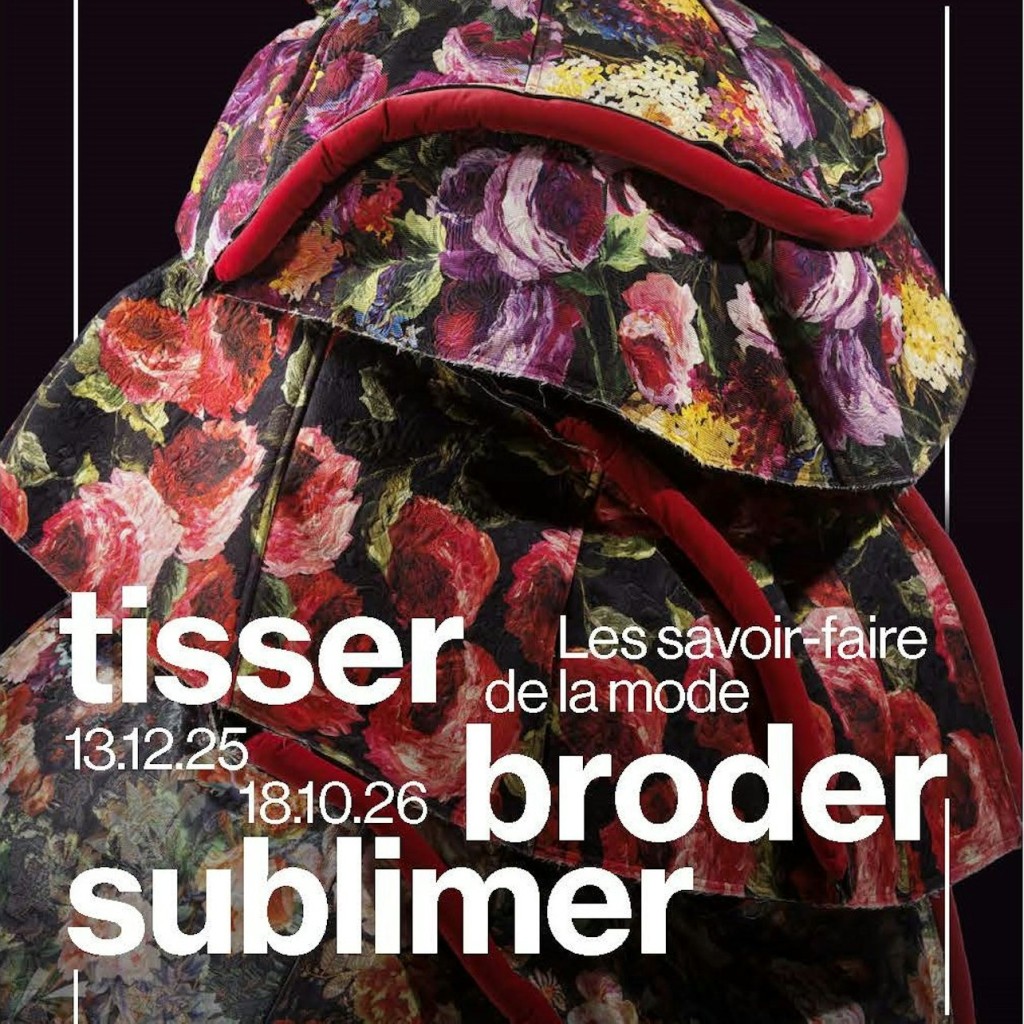
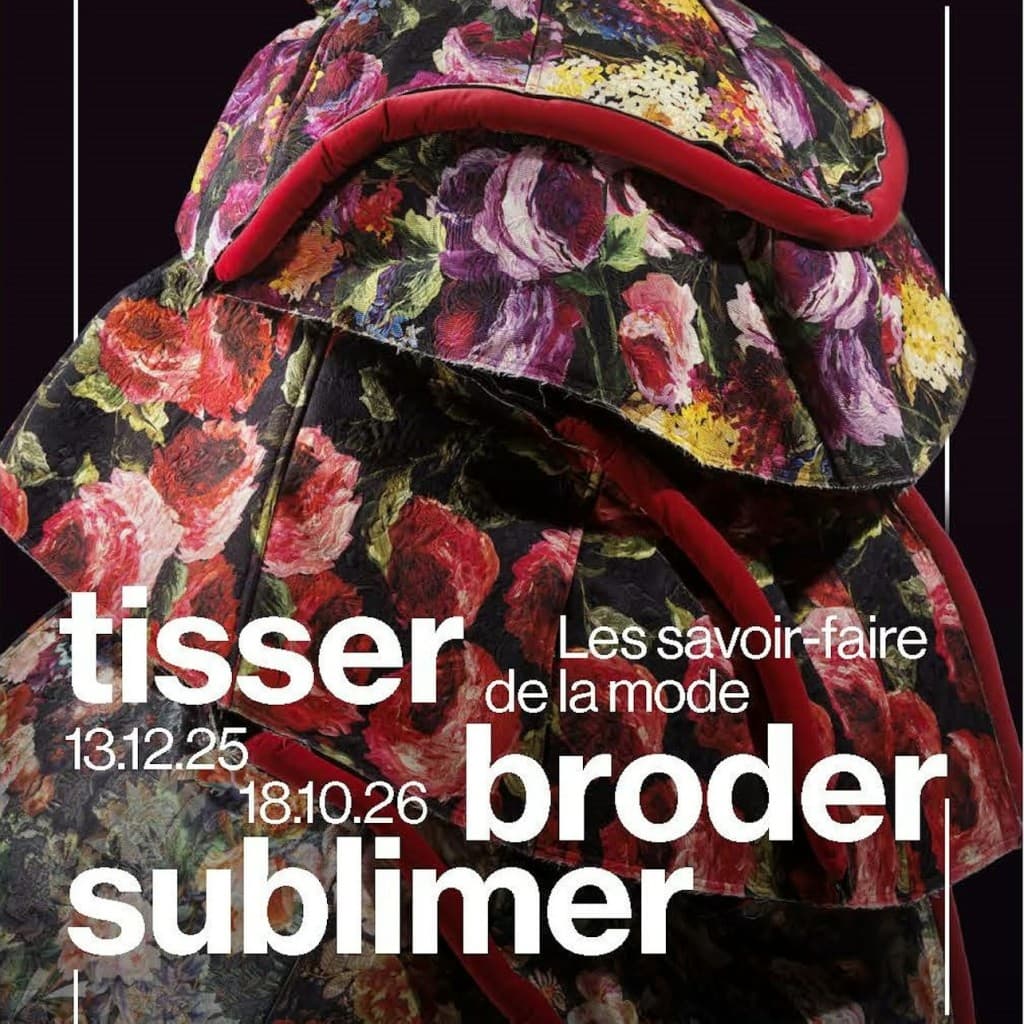
Le Palais Galliera est mondialement réputé pour sa collection exceptionnelle, comprenant plus de 200 000 pièces de vêtements, accessoires et documents, ce qui en fait l'une des collections publiques de mode les plus riches au monde. Le musée se concentre sur l'histoire de la mode et l'évolution du style à travers diverses périodes, offrant une exploration approfondie de l'artisanat, des techniques et de la vision artistique derrière des vêtements emblématiques. Bien que la collection permanente soit vaste, le Palais Galliera fonctionne principalement comme un musée d'expositions temporaires, garantissant une expérience nouvelle et dynamique à chaque visite. Ces expositions thématiques explorent des designers spécifiques, des périodes historiques ou des aspects thématiques de la mode, comme l'exposition 'Tisser, Broder, Embellir - Métiers & Savoir-faire de la Mode' ou un focus sur 'La Mode au XVIIIe siècle'. Le musée offre des récits perspicaces, retraçant le rôle de la mode dans la société, la culture et l'art, ce qui en fait une destination essentielle pour les passionnés de mode, les historiens et toute personne intéressée par la beauté et la complexité du vêtement.
Réserver vos billets pour le Palais Galliera en ligne offre plusieurs avantages, garantissant une visite plus fluide et plus agréable. En achetant à l'avance, vous pouvez garantir votre entrée pour une date et une heure spécifiques, ce qui vous aide à gérer votre emploi du temps et à éviter les files d'attente potentielles à l'entrée, surtout pendant les hautes saisons ou pour les expositions populaires. La réservation en ligne donne souvent accès à différentes options de billets et garantit votre admission, évitant toute déception si le musée atteint sa capacité maximale. C'est un moyen pratique de planifier votre exploration culturelle de Paris, vous permettant de contourner les files d'attente et de consacrer plus de temps à l'expérience des exquises expositions de mode du musée.
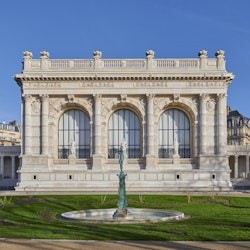
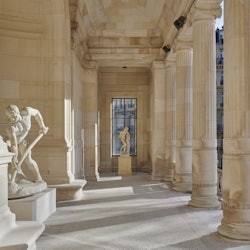
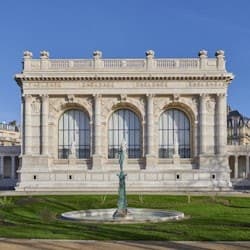
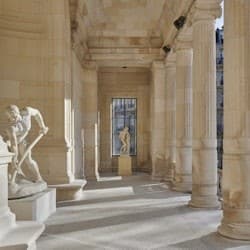
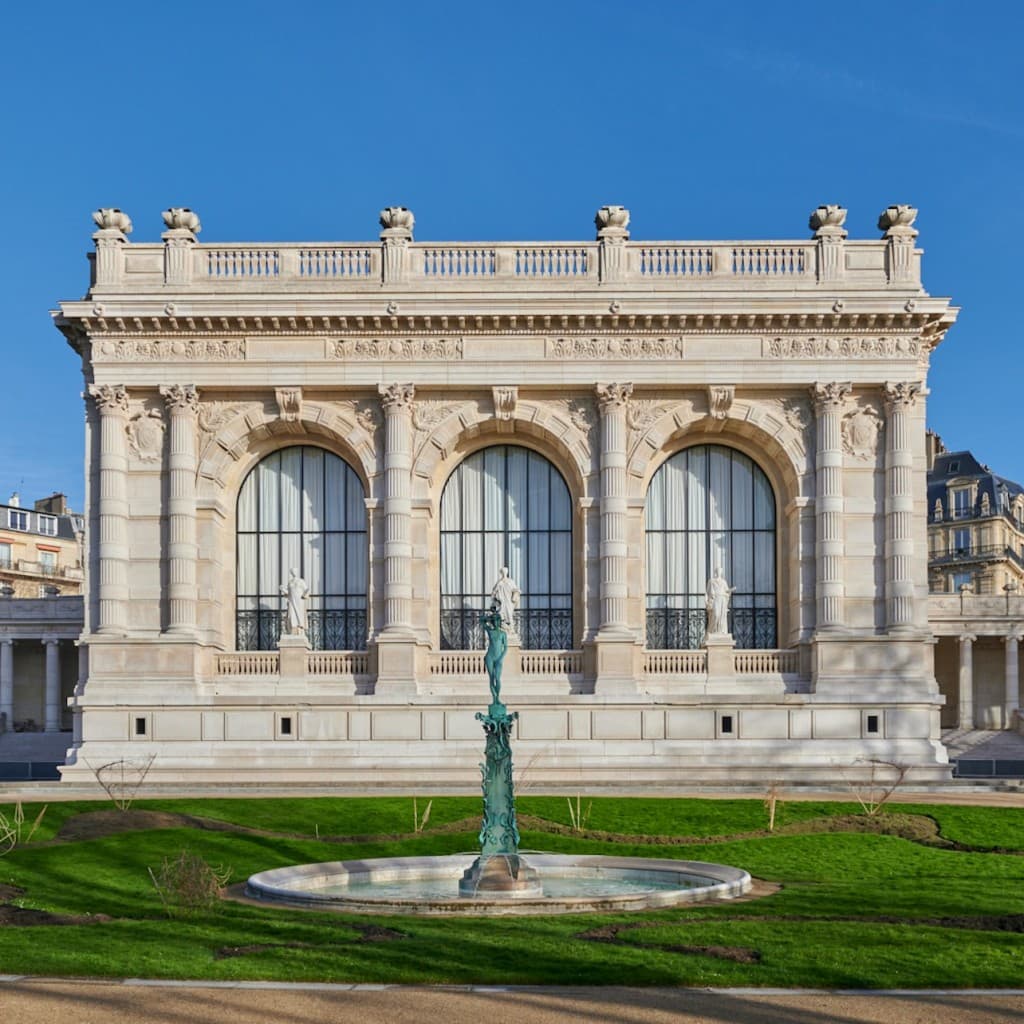
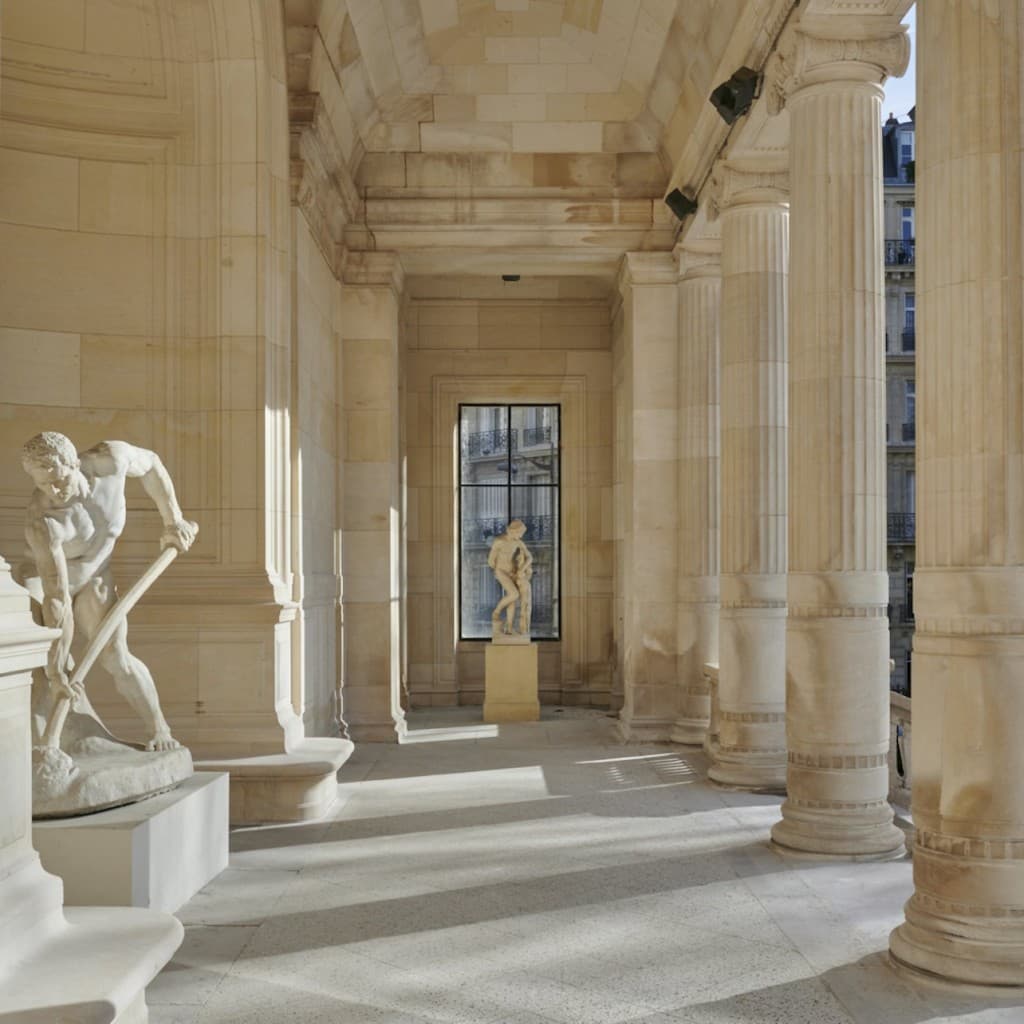
Le Palais Galliera, également connu sous le nom de Musée du Duc et de la Duchesse de Galliera, possède une riche histoire entrelacée avec la haute société parisienne et les arts. Conçu à l'origine comme un palais pour abriter la collection d'art de Maria Brignole-Sale, Duchesse de Galliera, le bâtiment a été dessiné par l'architecte Léon Ginain dans un style néo-baroque et achevé en 1894. La Duchesse, une philanthrope éminente, avait l'intention de léguer sa vaste collection d'art à la Ville de Paris. Bien que sa collection ait finalement été transférée à Gênes, en Italie, le magnifique palais lui-même a été laissé à la ville. Au fil des ans, le Palais a servi à diverses fins avant d'être désigné comme musée dédié à la mode et au costume. Il est officiellement devenu le Musée de la Mode de la Ville de Paris en 1977. Sa transformation en une institution dédiée à la mode a consolidé son rôle dans la préservation et la mise en valeur du patrimoine de la haute couture française et du prêt-à-porter, en faisant une partie indispensable du paysage culturel de Paris. L'architecture elle-même, avec ses grandes façades et ses intérieurs élégants, offre un cadre approprié pour la présentation de la mode en tant que forme d'art.
Le Palais Galliera accueille généralement les visiteurs du mardi au dimanche, avec des horaires d'ouverture typiques de 10h00 à 18h00. Le jeudi, le musée prolonge souvent ses heures jusqu'à 21h00, permettant des visites en soirée. Il est habituellement fermé le lundi et certains jours fériés. Comme le musée accueille principalement des expositions temporaires, les horaires de fonctionnement spécifiques peuvent occasionnellement être ajustés pour s'adapter aux changements d'exposition ou aux événements spéciaux. Il est recommandé de consulter le programme actuel pour obtenir les informations les plus récentes concernant les heures d'ouverture et de fermeture avant votre visite.
Pour une visite plus détendue et moins fréquentée du Palais Galliera, envisagez d'arriver peu après l'ouverture un matin de semaine, en particulier du mardi au vendredi. Une autre bonne option est de visiter en fin d'après-midi, plus près de l'heure de fermeture, lorsque l'affluence initiale s'est calmée. Les week-ends et les jours fériés ont tendance à être plus animés, surtout pour les expositions populaires. Le musée prolonge souvent ses heures le jeudi, offrant ainsi une opportunité pour une visite plus calme en soirée. Éviter les périodes de vacances scolaires en France peut également contribuer à une expérience plus sereine.
À l'intérieur du Palais Galliera, attendez-vous à un voyage à travers l'évolution fascinante de la mode, principalement à travers ses expositions temporaires acclamées par la critique. Ces expositions tournantes explorent des thèmes, des designers ou des périodes historiques spécifiques, présentant un magnifique éventail de vêtements, d'accessoires, de croquis et de photographies issus de la vaste collection du musée. Vous pourriez découvrir une exposition dédiée aux détails complexes et aux compétences artisanales requises dans 'Tisser, Broder, Embellir - Métiers & Artisanats de la Mode', soulignant le travail méticuleux derrière la haute couture. Alternativement, vous pourriez être transporté dans une époque révolue avec une 'Exposition sur la mode au XVIIIe siècle', explorant les styles opulents et les normes sociales de cette période. Au-delà des vêtements exquis, la magnifique architecture du musée, autrefois un hôtel particulier, offre un cadre somptueux à ces récits vestimentaires, améliorant l'expérience globale du visiteur.
Lorsque vous planifiez votre visite au Palais Galliera, rappelez-vous que le musée se concentre principalement sur les expositions temporaires, ce qui signifie que les présentations changent régulièrement. Vérifiez le calendrier des expositions en cours à l'avance pour savoir ce qui est présenté. La photographie pour un usage personnel est généralement autorisée dans les zones d'exposition, mais la photographie au flash et les trépieds sont habituellement interdits. Les grands sacs, sacs à dos et parapluies peuvent devoir être déposés au vestiaire, souvent gratuitement. Le musée est généralement accessible aux visiteurs à mobilité réduite. Il y a une librairie au sein du musée où vous pouvez trouver des publications liées à la mode, à l'art et aux expositions actuelles.
Pour garantir une expérience agréable à tous les visiteurs et protéger les précieuses collections, certaines règles s'appliquent au Palais Galliera. Veuillez vous abstenir de toucher les œuvres exposées et maintenir une distance respectable de tous les objets présentés. La nourriture et les boissons ne sont pas autorisées à l'intérieur des galeries d'exposition. Les grands sacs, sacs à dos et parapluies doivent être déposés au vestiaire. Courir ou avoir des conversations bruyantes est déconseillé. La photographie pour un usage personnel sans flash est généralement autorisée, mais la photographie commerciale ou l'utilisation de trépieds n'est pas permise. Suivez toujours les instructions du personnel du musée.
Le Palais Galliera vaut incontestablement le détour pour toute personne intéressée par la mode, l'histoire et l'art. Il offre une occasion unique d'explorer le monde complexe de la haute couture et l'évolution du style à travers des expositions impeccablement organisées. Que vous soyez étudiant en mode, un passionné expérimenté ou simplement curieux de l'impact culturel du vêtement, le musée offre de riches aperçus et une splendeur visuelle. Ses expositions tournantes garantissent qu'il y a toujours quelque chose de nouveau et d'engageant à découvrir, présentant la mode non seulement comme des vêtements, mais comme un reflet des changements sociétaux, de l'expression artistique et de l'ingéniosité humaine. C'est une expérience culturelle enrichissante au cœur de Paris.
Le Palais Galliera accueille principalement des expositions temporaires qui explorent des thèmes spécifiques de la mode, des créateurs ou des périodes historiques, en utilisant sa vaste collection de vêtements et d'accessoires.
Oui, la photographie pour usage personnel est généralement autorisée dans les espaces d'exposition, mais la photographie au flash et l'utilisation de trépieds sont interdites.
La disponibilité des visites guidées peut varier avec chaque exposition. Il est conseillé de consulter le programme du musée pour connaître les offres de visites spécifiques et les informations de réservation.
Oui, le Palais Galliera est généralement accessible aux visiteurs à mobilité réduite. Des détails spécifiques sur les caractéristiques d'accessibilité sont habituellement disponibles sur place.
Les grands sacs, sacs à dos et parapluies ne sont généralement pas autorisés dans les espaces d'exposition et doivent être déposés au vestiaire, souvent gratuitement.
Oui, le Palais Galliera dispose d'une boutique de musée où les visiteurs peuvent acheter des livres, des catalogues et des souvenirs liés à la mode.
Les stations de métro les plus proches sont Iéna et Alma-Marceau, toutes deux sur la Ligne 9, offrant un accès pratique au musée.
Bien que le Palais Galliera possède une vaste collection permanente, il fonctionne principalement comme un musée pour les expositions temporaires, ce qui signifie que la collection complète n'est pas toujours exposée simultanément.
Le Palais Galliera est idéalement situé et accessible en transports en commun. Vous pouvez rejoindre le musée en métro : prenez la ligne 9 jusqu'aux stations Iéna ou Alma-Marceau. Plusieurs lignes de bus desservent également la zone, notamment les lignes 32, 42, 63, 72, 82 et 92, avec des arrêts à proximité du musée. Depuis les stations de métro ou les arrêts de bus, l'entrée du Palais est à quelques minutes à pied.
Il n'y a pas de code vestimentaire spécifique pour visiter le Palais Galliera. Les visiteurs sont invités à s'habiller confortablement et respectueusement, comme ils le feraient pour toute institution culturelle publique. Comme vous serez probablement amené à marcher et à rester debout pendant une période prolongée, des chaussures confortables sont conseillées. Pendant les mois plus froids, prévoyez des couches, car les températures du musée peuvent varier.