
Ce qui est inclus
- Coupe-file
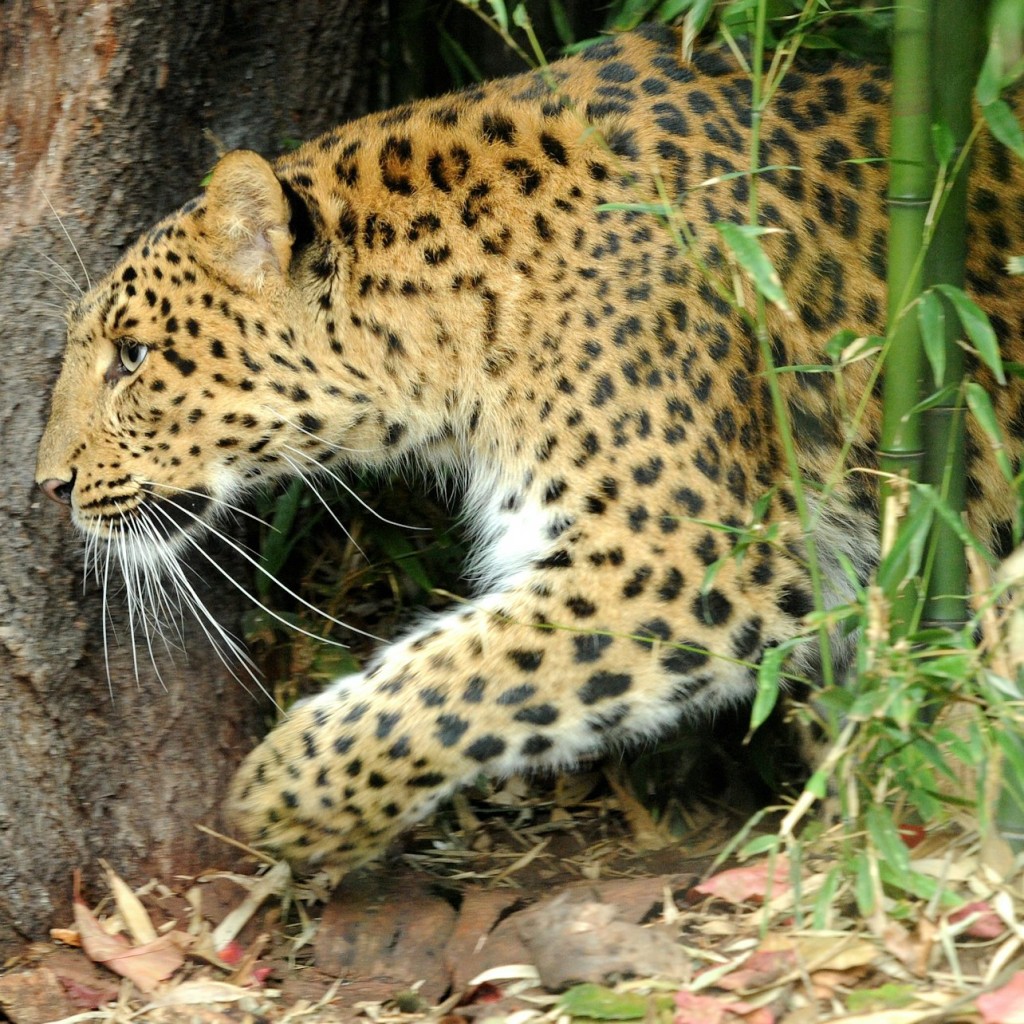
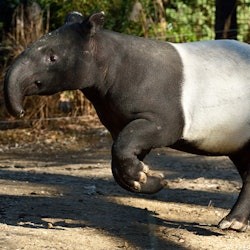
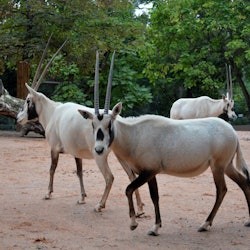
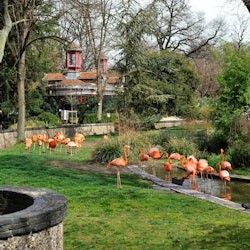
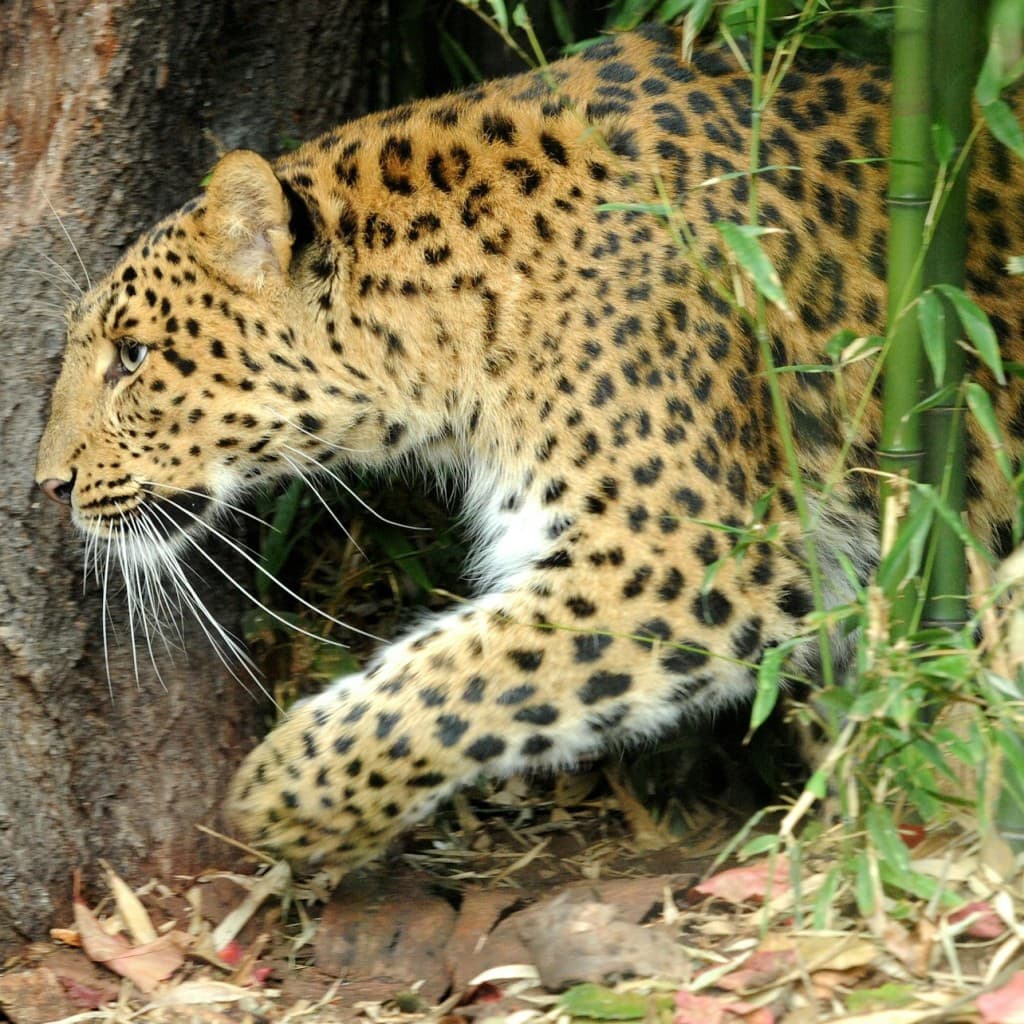
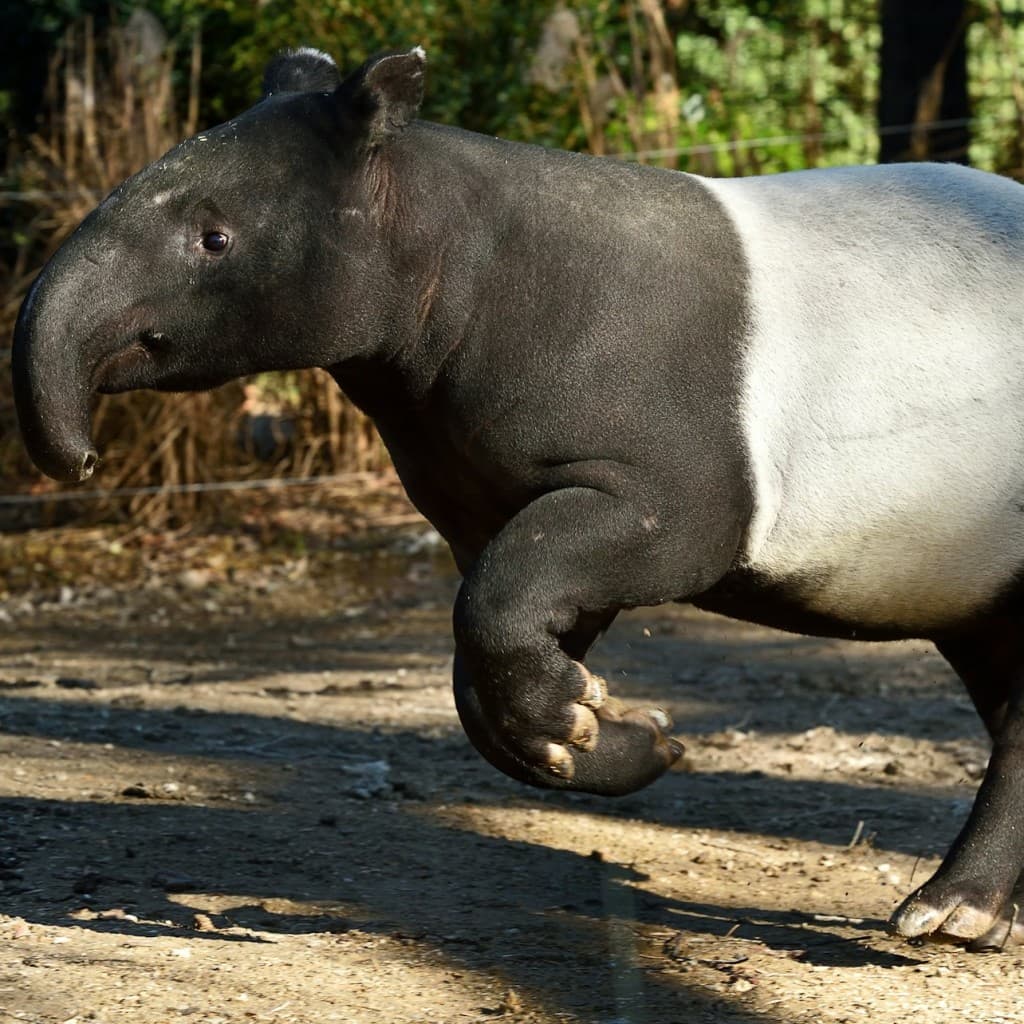
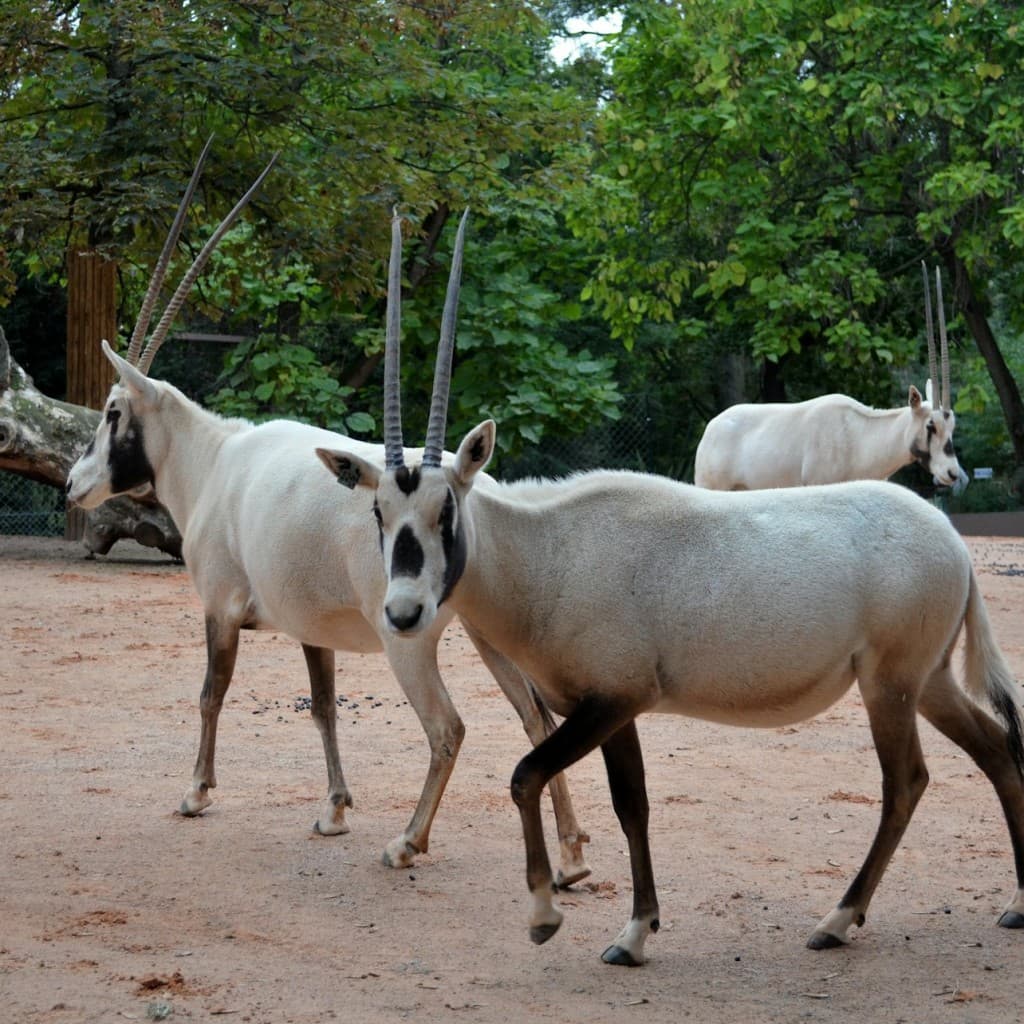
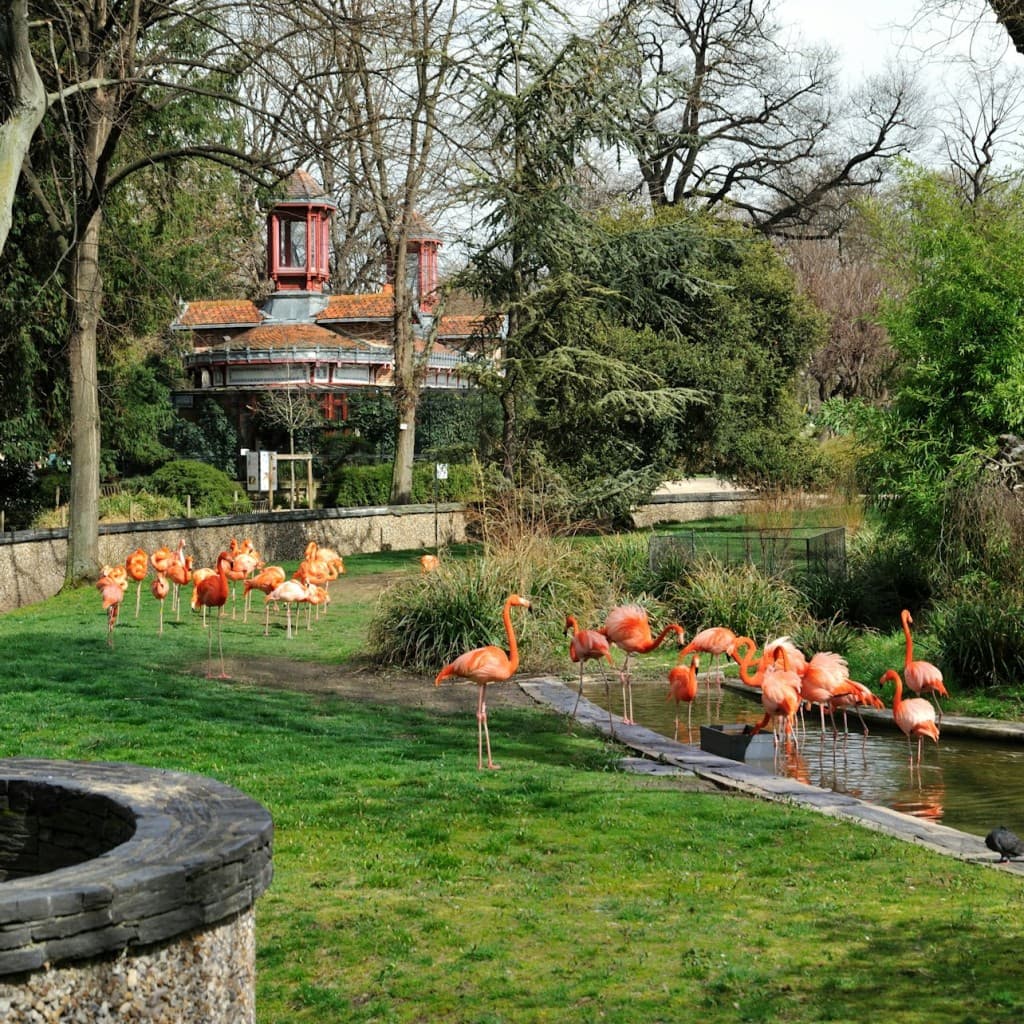
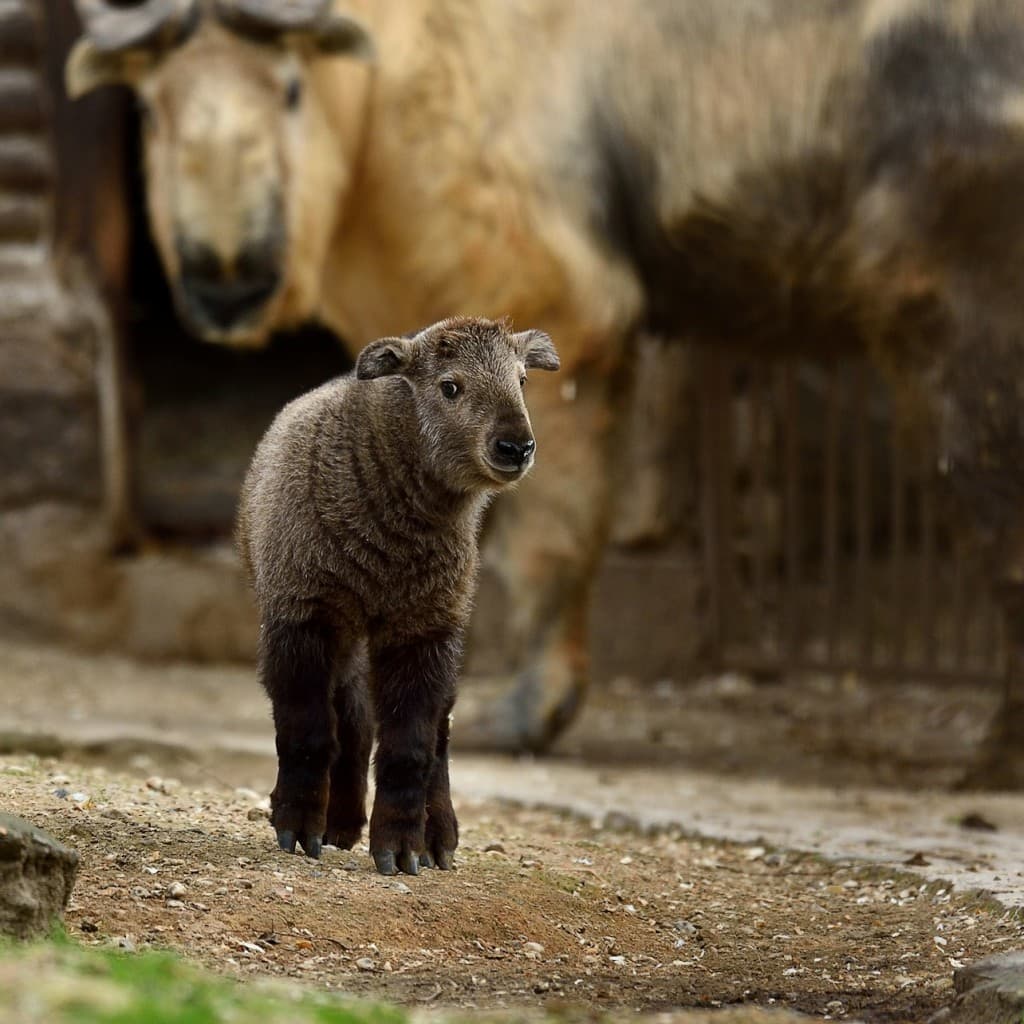
Explorez des images captivantes du Parc Zoologique de Paris et de la Ménagerie, présentant leurs divers habitants animaux et leurs magnifiques habitats naturalistes. Ces photos offrent un aperçu des incroyables efforts de conservation de la faune au cœur de Paris.
Explorez le monde vibrant de la conservation animale et de la biodiversité dans les parcs zoologiques renommés de Paris. Ces attractions familiales offrent une occasion unique de rencontrer diverses espèces du monde entier, en plein cœur de la ville. De l'historique Ménagerie, Zoo du Jardin des Plantes, l'un des plus anciens zoos publics du monde, au vaste et moderne Parc Zoologique de Paris, chaque lieu offre une expérience immersive dans les habitats de la faune. Découvrez leur rôle crucial dans la protection des espèces menacées et apprenez-en davantage sur les écosystèmes complexes qui soutiennent la vie sur Terre. Une visite aux zoos de Paris promet à la fois éducation et divertissement pour tous les âges.
Il n'y a pas de code vestimentaire formel pour visiter les parcs zoologiques de Paris. Il est recommandé de porter des vêtements confortables et des chaussures de marche robustes adaptées à plusieurs heures passées debout, d'autant plus qu'une grande partie de l'expérience implique une exploration en extérieur. Habillez-vous en couches, car les conditions météorologiques peuvent changer tout au long de la journée, en particulier au printemps et en automne.
Paris abrite deux institutions zoologiques de premier plan, chacune offrant une expérience distincte aux passionnés de faune. Le Parc Zoologique de Paris est une installation moderne qui a été largement rénovée pour offrir des environnements spacieux et naturalistes à ses habitants. Il est divisé en cinq biozones, dont la Patagonie, le Sahel-Soudan, l'Europe, l'Amazonie-Guyane et Madagascar, présentant une vaste gamme de mammifères, d'oiseaux, de reptiles, d'amphibiens et de poissons. Sa mission se concentre sur le bien-être animal, la conservation et la recherche scientifique. En revanche, la Ménagerie, Zoo du Jardin des Plantes, située au sein du jardin botanique, est un trésor historique. Fondée en 1794, c'est l'un des plus anciens zoos du monde et elle conserve une atmosphère plus intime et charmante. Bien que plus petite, elle abrite une importante collection d'espèces, dont beaucoup sont rares et menacées, mettant l'accent sur la conservation par des programmes de reproduction et de sensibilisation du public. Les deux parcs contribuent de manière significative aux efforts mondiaux en faveur de la biodiversité et proposent des programmes éducatifs attrayants pour les visiteurs de tous âges.
Réserver vos billets pour les parcs zoologiques de Paris en ligne offre plusieurs avantages, garantissant une visite plus fluide et plus agréable. Sécurisez votre entrée à l'avance et bénéficiez souvent de l'évitement des files d'attente à l'entrée, ce qui vous fait gagner un temps précieux, surtout pendant les saisons de pointe. La réservation en ligne garantit votre admission à la date de votre choix, éliminant ainsi les préoccupations concernant les billets épuisés. Elle vous permet également de planifier efficacement votre itinéraire et de budgétiser votre voyage sans surprises de dernière minute. Accédez facilement à vos billets sur votre appareil mobile, ce qui rend votre arrivée sans tracas.
L'histoire des parcs zoologiques de Paris est profondément liée à la curiosité scientifique et à l'éducation du public. La Ménagerie, Zoo du Jardin des Plantes, affiche un passé illustre, établie en 1794 pendant la Révolution française. Elle a été initialement créée pour abriter des animaux provenant des ménageries royales, devenant l'un des premiers zoos publics au monde dédié à l'étude scientifique et à la visite publique. Sa conception et son fonctionnement ont grandement influencé les institutions zoologiques ultérieures à travers l'Europe. Pendant plus de deux siècles, elle a adapté sa mission, se concentrant de plus en plus sur la conservation des espèces rares et petites au sein de ses jardins historiques. Le Parc Zoologique de Paris, situé dans le Bois de Vincennes, a une histoire plus moderne. Inauguré en 1934, il est rapidement devenu célèbre pour son emblématique «Grand Rocher» ou montagne artificielle. Après des décennies de fonctionnement, le parc a subi une vaste rénovation de sept ans, rouvrant en 2014 avec un accent renouvelé sur la recréation d'habitats naturels et l'amélioration du bien-être animal. Cette refonte extensive l'a transformé en une installation zoologique contemporaine, mettant l'accent sur la biodiversité, la conservation et les expériences immersives pour les visiteurs.
Les horaires d'ouverture des parcs zoologiques de Paris sont sujets à des variations saisonnières. Au printemps et en été, les parcs ouvrent généralement plus tôt, vers 9h30 ou 10h00, et ferment plus tard, souvent vers 18h00 ou 19h00. En automne et en hiver, les heures de fermeture sont généralement plus tôt, souvent à 17h00 ou 17h30. Il est courant que les zoos soient fermés certains jours fériés ou certains jours de la semaine pendant les saisons creuses. Tenez toujours compte des variations potentielles et planifiez votre visite en conséquence pour connaître l'horaire le plus récent.
Pour une expérience plus confortable et agréable dans les parcs zoologiques de Paris, envisagez de visiter pendant les intersaisons du printemps (avril-juin) ou du début de l'automne (septembre-octobre). Le temps pendant ces périodes est généralement doux, ce qui est agréable pour se promener dans les enclos extérieurs. Les animaux ont tendance à être plus actifs par temps frais que pendant la chaleur intense de l'été. Visiter un jour de semaine, en particulier le matin peu après l'ouverture, peut vous aider à éviter les plus grandes foules, permettant une expérience d'observation plus intime. Les week-ends et les vacances scolaires voient généralement un nombre de visiteurs plus élevé.
Au Parc Zoologique de Paris, explorez le biome de Patagonie avec ses otaries et ses pumas, puis voyagez vers la vaste zone Sahel-Soudan pour observer des girafes, des rhinocéros et des lions évoluant dans leurs vastes enclos. La biozone européenne présente la faune indigène, tandis que la section humide Amazonie-Guyane abrite des créatures vibrantes de la forêt tropicale comme des jaguars et des paresseux. Concluez votre tour du monde animalier à Madagascar, qui abrite diverses espèces de lémuriens. La Ménagerie, Zoo du Jardin des Plantes, bien que plus petite, captive par son architecture historique et sa fascinante collection de reptiles, d'amphibiens, d'oiseaux et de petits mammifères. Cherchez les pandas roux, les léopards des neiges et les chevaux de Przewalski uniques, tous logés dans de charmantes expositions traditionnelles qui racontent une histoire de l'histoire zoologique.
Portez des chaussures de marche confortables, car vous parcourrez des distances considérables dans les deux parcs. Pensez à apporter une bouteille d'eau réutilisable, surtout pendant les mois les plus chauds, car l'hydratation est essentielle. Les poussettes sont recommandées pour les familles avec de jeunes enfants, et les deux parcs sont généralement accessibles. La photographie est généralement autorisée pour un usage personnel, mais la photographie au flash est souvent déconseillée ou interdite à proximité de certains animaux sensibles. Prévoyez d'arriver tôt pour profiter au maximum de votre journée et pour voir les animaux pendant leurs périodes les plus actives. Vérifiez s'il y a des événements spéciaux ou des heures de nourrissage à votre arrivée, car cela peut enrichir votre visite.
Les visiteurs sont tenus de respecter les règles générales du parc pour assurer la sécurité des visiteurs et des animaux. Celles-ci incluent généralement de rester sur les chemins désignés, de s'abstenir de nourrir les animaux et de ne pas taper sur les vitres des enclos. Respectez les habitats des animaux et maintenez un comportement calme. Courir ou faire du bruit peut déranger les animaux. Les déchets doivent être jetés correctement dans les poubelles désignées. Toute interdiction spécifique, comme l'introduction de nourriture extérieure ou d'animaux de compagnie, sera clairement indiquée aux entrées du parc ou à l'intérieur de l'enceinte du parc.
La visite des parcs zoologiques de Paris est fortement recommandée à toute personne intéressée par la faune, la conservation ou cherchant une attraction familiale unique dans la ville. Ils offrent plus qu'une simple observation d'animaux ; ce sont des centres d'éducation, de recherche et de programmes de reproduction qui contribuent de manière significative à la biodiversité mondiale. L'opportunité d'observer diverses espèces de différents continents dans des habitats soigneusement conçus, associée à la riche histoire de la Ménagerie, en fait une expérience captivante et enrichissante. C'est une chance de se connecter à la nature et de comprendre notre rôle dans la protection de la précieuse faune de la planète.
Les principaux parcs zoologiques de Paris sont le Parc Zoologique de Paris et la Ménagerie, Zoo du Jardin des Plantes.
Oui, les deux parcs zoologiques sont parfaitement adaptés aux enfants, offrant des expositions captivantes, des programmes éducatifs et beaucoup d'espace pour l'exploration.
Oui, les deux parcs proposent généralement diverses options de nourriture et de boissons, y compris des cafés, des restaurants et des kiosques à snacks.
La photographie à usage personnel est généralement autorisée, mais la photographie au flash est souvent interdite près des animaux pour éviter de les déranger. Les trépieds peuvent également être restreints dans certaines zones.
Les deux parcs zoologiques sont généralement conçus pour être accessibles, avec des chemins pavés et des installations adaptées aux visiteurs à mobilité réduite. Les détails spécifiques d'accessibilité peuvent varier.
Vous pouvez voir une grande variété d'animaux, des grands mammifères comme les girafes, les rhinocéros, les lions et les jaguars, aux oiseaux divers, reptiles, amphibiens, et des espèces plus petites en voie de disparition comme les pandas roux et les lémuriens.
Il est souvent recommandé de visiter le matin, peu après l'ouverture, car les animaux ont tendance à être plus actifs et les foules sont généralement moins nombreuses.
Les deux parcs zoologiques sont accessibles via le vaste réseau de transports en commun de Paris. Le Parc Zoologique de Paris est accessible en Métro (Ligne 8 jusqu'à Porte Dorée) ou en Tramway (T3a jusqu'à Porte Dorée), suivi d'une courte marche. La Ménagerie est bien desservie par le Métro (Lignes 5, 7, 10 jusqu'à Gare d'Austerlitz ou Jussieu), le RER C (Gare d'Austerlitz), et diverses lignes de bus, tous à distance de marche.
Il n'y a pas de code vestimentaire formel pour visiter les parcs zoologiques de Paris. Il est recommandé de porter des vêtements confortables et des chaussures de marche robustes adaptées à plusieurs heures passées debout, d'autant plus qu'une grande partie de l'expérience implique une exploration en extérieur. Habillez-vous en couches, car les conditions météorologiques peuvent changer tout au long de la journée, en particulier au printemps et en automne.