


Ce qui est inclus
- Accès au stade Maracanã
- Accès aux chambres et à la salle de presse
- Accès au terrain et aux vestiaires
- Exposition vidéo de moments historiques
- Accès aux expositions de joueurs historiques (Pelé, Zico, Mané, et plus)
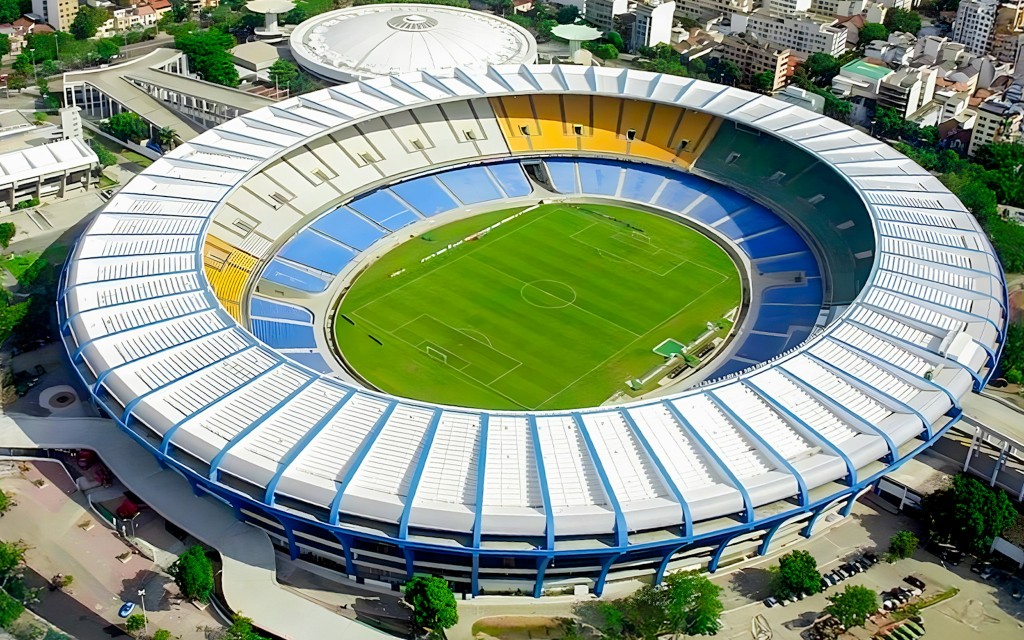
Explore the Maracanã Stadium through these captivating photos, showcasing its iconic architecture and rich history.
The Maracanã Stadium, officially Estádio Jornalista Mário Filho, is an iconic football stadium in Rio de Janeiro, Brazil. Opened in 1950, it has hosted some of the most significant moments in football history, including the 1950 and 2014 FIFA World Cup finals, as well as the opening and closing ceremonies of the 2016 Summer Olympics. Beyond its sporting significance, the Maracanã stands as a symbol of Brazilian culture and passion for football. A visit to this legendary stadium offers a unique glimpse into the heart of Brazilian sports history. Whether you're a die-hard football fan or simply curious about Brazilian culture, the Maracanã is an unforgettable experience.
There is no specific dress code for visiting the Maracanã Stadium. Comfortable and casual attire is recommended, as you'll be doing some walking. Consider the weather conditions and dress accordingly – lightweight clothing is ideal for warm days, while a light jacket may be useful on cooler days. Comfortable shoes are a must, as you'll be on your feet for a significant portion of the tour. Hats and sunglasses can also be helpful for protection from the sun.
Entrez dans le stade Maracanã et explorez le cœur de l'histoire du football brésilien.
Pour commencer
Présentez-vous à l'entrée principale du stade Maracanã et présentez votre bon imprimé pour le retrait des billets. Après un rapide enregistrement de sécurité, votre guide vous présentera l'héritage du stade et vous indiquera l'itinéraire de la visite.
Ce qui vous attend
Stade Maracanã
Inauguré en 1950, le Maracanã est le stade de football le plus grand et le plus riche en histoire du Brésil, hôte de matchs légendaires et d'icônes comme Pelé et Zico. Ses vastes tribunes et son terrain ont été les témoins de décennies d'événements sportifs marquants.
Description
Accès aux coulisses : Traversez les chambres décorées des équipes, le tunnel des joueurs et la salle de conférence de presse, des endroits habituellement réservés à l'élite du football.
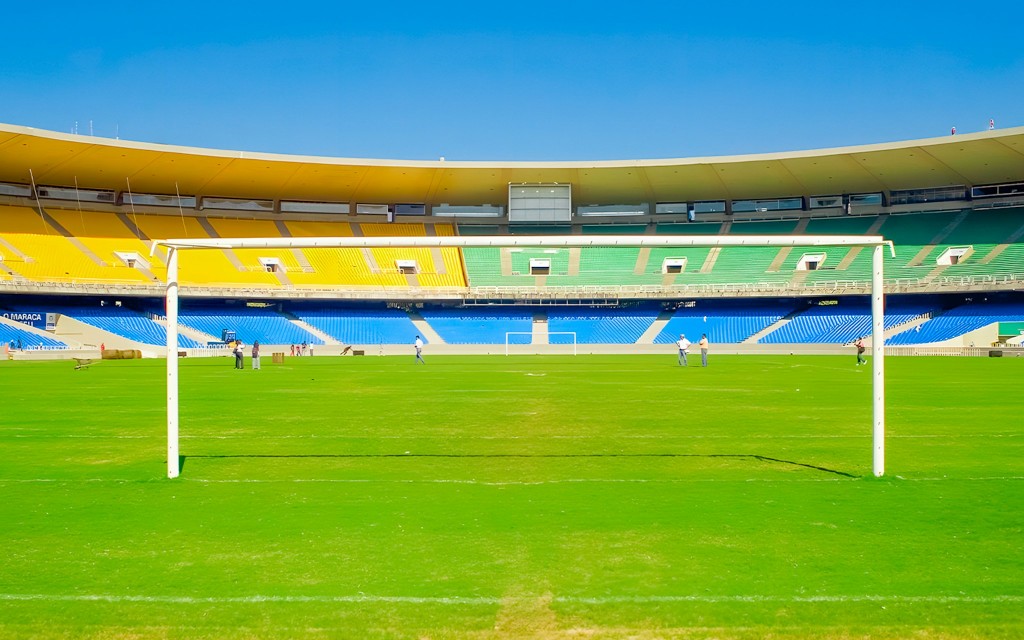
Entrée sur le terrain et banc de touche : Entrez sur le terrain et asseyez-vous sur le banc de réserve, pour vous imprégner de l'atmosphère unique où des légendes du football ont joué.
Expositions historiques : Découvrez des souvenirs de joueurs emblématiques, notamment des maillots et des objets de Pelé, Garrincha et Zico, qui vous permettront de découvrir l'héritage du football brésilien.
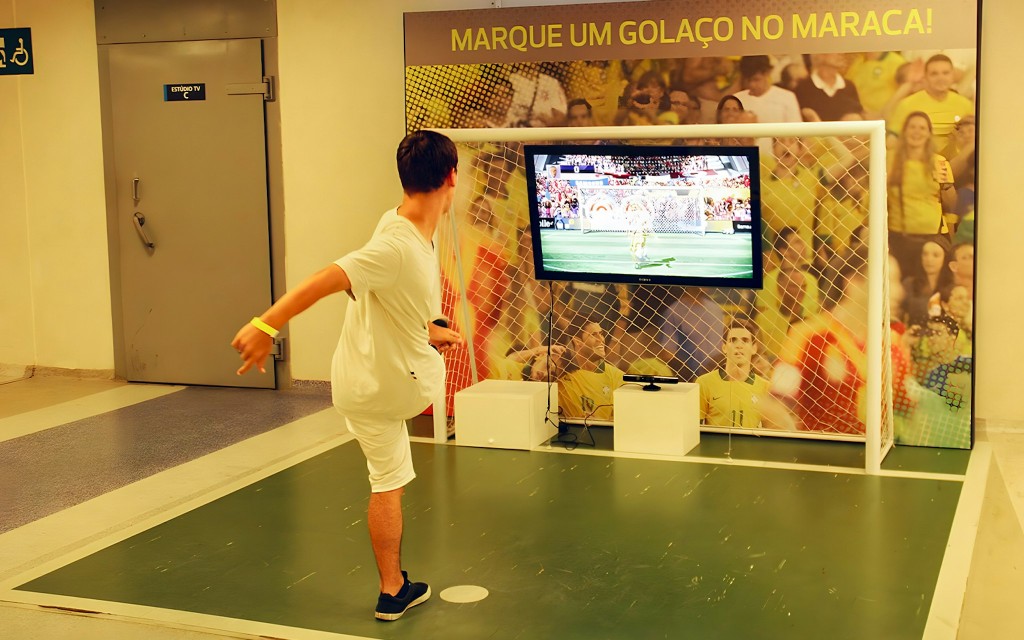
Présentation vidéo : Regardez une projection de moments historiques du football qui ont façonné l'héritage du Maracanã.
Zone Maracanã Mais : À certaines dates, accédez à des places premium et à la possibilité d'acheter de la nourriture et des boissons au restaurant Maracanã Mais.
Accès aux matchs : À certaines dates, vivez l'émotion d'assister à un match pendant votre visite, ce qui ajoutera du piquant à votre circuit.
Cette visite convient à tous les âges, avec des tarifs spéciaux pour les enfants, les étudiants et les seniors. Le stationnement est disponible sur place moyennant des frais supplémentaires.
Ce qu'il faut apporter
Apportez une copie imprimée de votre bon ; les bons numériques ne sont pas acceptés pour le retrait des billets.
Une pièce d'identité en cours de validité pour tous les visiteurs ; les étudiants, les enfants (6 - 10 ans), les seniors (60+) et les visiteurs handicapés doivent présenter des documents pour bénéficier des réductions.
Ce qui n'est pas autorisé
La consommation de nourriture et de boissons n'est pas autorisée pendant la visite.
L'accès au terrain et à certaines zones peut faire l'objet de contraintes les jours de manifestation ou de match.
La photographie et la vidéographie professionnelles ne sont pas incluses et peuvent faire l'objet de contraintes.
Les animaux domestiques ne sont pas autorisés, à l'exception des animaux d'assistance enregistrés.
Accessibilité
Informations supplémentaires
Les enfants de moins de 5 ans entrent gratuitement avec une pièce d'identité valide (non valable pour les groupes).
Des tarifs spéciaux sont disponibles pour les étudiants, les enfants de 6 à 10 ans, les seniors de plus de 60 ans et les personnes handicapées.
Les jours de match, la dernière visite se termine 5 heures avant l'ouverture des portes du stade ; les itinéraires des visites et l'accès peuvent être modifiés en fonction des événements.
Un parking est disponible moyennant des frais supplémentaires (voiture/van : 35 BRL, bus : 45 BRL, moto : 15 BRL).
Les jours d'événements spéciaux (par exemple, les 21 et 22 décembre), l'accès au terrain se fait par le T4 du côté nord uniquement ; les bancs de réserve peuvent être restreints. Les visiteur·euses peuvent accéder à la zone d'accueil du Maracanã Mais et acheter de la nourriture et des boissons au restaurant lorsqu'il est ouvert.
The Maracanã Stadium is more than just a sports venue; it's a national monument and a symbol of Brazil's deep-rooted love for football. Built to host the 1950 FIFA World Cup, its original capacity exceeded 150,000, making it the largest stadium in the world at the time. Over the years, it has undergone several renovations, including significant upgrades for the 2014 World Cup and the 2016 Olympics. Today, with a capacity of around 78,000, it remains the largest stadium in South America. The stadium has witnessed countless historic matches and performances, solidifying its place in football folklore. A tour of the Maracanã offers visitors the chance to walk in the footsteps of legends, learn about the stadium's rich history, and experience the electric atmosphere that has made it one of the world's most revered sporting arenas. From the locker rooms to the pitch, every corner of the stadium tells a story of passion, triumph, and Brazilian sporting heritage.
Booking your Maracanã Stadium tour online offers convenience and peace of mind. Secure your spot in advance, especially during peak season, and avoid potential queues at the ticket counter. Online booking often provides access to exclusive tour options and discounts. Plan your visit with ease and make the most of your time at this iconic landmark. Don't miss the opportunity to delve into the heart of Brazilian football history.
The Maracanã Stadium, officially named Estádio Jornalista Mário Filho, was built for the 1950 FIFA World Cup, which Brazil hosted. Construction began in 1948, and the stadium was partially completed in time for the tournament. The stadium's original capacity was over 150,000, making it the largest stadium in the world at the time. The 1950 World Cup final, where Uruguay defeated Brazil, remains one of the most memorable and heartbreaking events in Brazilian football history. Over the decades, the Maracanã has hosted countless important matches, including several Copa Libertadores finals and international friendlies. It underwent significant renovations for the 2014 FIFA World Cup and the 2016 Summer Olympics, bringing it up to modern standards while preserving its historical significance. Today, the Maracanã stands as a testament to Brazil's passion for football and its place in the sport's global history.
The Maracanã Stadium's tour schedules can vary depending on events and other factors. Generally, tours are available throughout the week, but it's recommended to check the official website or ticketing platforms for the most up-to-date information. Keep in mind that on match days or during special events, tours may be limited or unavailable. Planning ahead and confirming the tour schedule will help ensure a smooth and enjoyable visit.
The best time to visit the Maracanã Stadium is during the daytime when the stadium is bathed in natural light, providing excellent conditions for photos and a comfortable tour experience. Weekdays are often less crowded than weekends, allowing for a more relaxed visit. Consider checking the stadium's event schedule to avoid times when matches or other events are taking place, as this may affect tour availability and crowd levels.
Inside the Maracanã Stadium, visitors can explore various key areas that showcase the stadium's history and significance. The tour typically includes a visit to the locker rooms, where you can see the spaces used by some of the world's most famous football players. You'll also have the opportunity to walk through the players' tunnel and imagine the excitement of entering the field on match day. The highlight of the tour is undoubtedly stepping onto the pitch itself, where you can soak in the atmosphere and take memorable photos. Additionally, the stadium features exhibits and displays that detail the history of the Maracanã and the many legendary matches that have taken place there. These exhibits offer insights into the stadium's cultural impact and its role in shaping Brazilian football.
Before visiting the Maracanã Stadium, it's a good idea to purchase your tour tickets in advance, especially during peak tourist season. Be prepared for security checks upon entry. Comfortable shoes are recommended, as you'll be doing a fair amount of walking. Photography is allowed throughout the tour, so bring your camera to capture the experience. Consider bringing water, especially on hot days. Check the weather forecast and dress accordingly. Finally, be respectful of the stadium's history and significance, and enjoy your visit to this iconic landmark.
To ensure a pleasant experience for all visitors, certain rules are in place at the Maracanã Stadium. Please follow the instructions of tour guides and staff members. Avoid touching or climbing on any restricted areas. Smoking is generally not allowed inside the stadium. Be mindful of other visitors and avoid disruptive behavior. Large bags or backpacks may not be permitted, so it's best to travel light. By adhering to these rules, you'll help maintain the stadium's condition and ensure a safe and enjoyable visit for everyone.
The Maracanã Stadium is undoubtedly worth visiting for any football enthusiast or traveler interested in Brazilian culture. As one of the world's most iconic stadiums, it offers a unique glimpse into the heart of Brazilian football history. Walking through the locker rooms, stepping onto the pitch, and learning about the stadium's rich past are unforgettable experiences. Whether you're a die-hard fan or simply curious about this legendary venue, the Maracanã provides a memorable and enriching visit that captures the spirit of Brazilian sports.
The stadium is easily accessible by metro. Take Line 2 to the Maracanã station.
Tours may be limited or unavailable on match days. Check the schedule in advance.
There is no specific dress code; comfortable, casual attire is recommended.
A typical tour lasts between one and two hours.
Yes, purchasing tickets online is recommended to secure your spot and avoid queues.
Yes, photography is allowed throughout the tour.
Large bags or backpacks may not be permitted; it's best to travel light.
The stadium offers accessibility features; it's advisable to confirm specific requirements in advance.
The Maracanã Stadium is easily accessible by public transport. The Rio de Janeiro Metro has a dedicated station, Maracanã, right next to the stadium. Several bus lines also serve the area. If you are coming from other parts of the city, simply take the metro or a bus to the Maracanã station, and the stadium is a short walk away.
There is no specific dress code for visiting the Maracanã Stadium. Comfortable and casual attire is recommended, as you'll be doing some walking. Consider the weather conditions and dress accordingly – lightweight clothing is ideal for warm days, while a light jacket may be useful on cooler days. Comfortable shoes are a must, as you'll be on your feet for a significant portion of the tour. Hats and sunglasses can also be helpful for protection from the sun.