Ce qui est inclus
- Entrée au Musée d'histoire naturelle de Vienne
- Guide anglophone ou germanophone (selon l'option choisie)
Explore a visual journey through the Natural History Museum Vienna, capturing the awe-inspiring architecture and incredible diversity of its world-renowned collections.
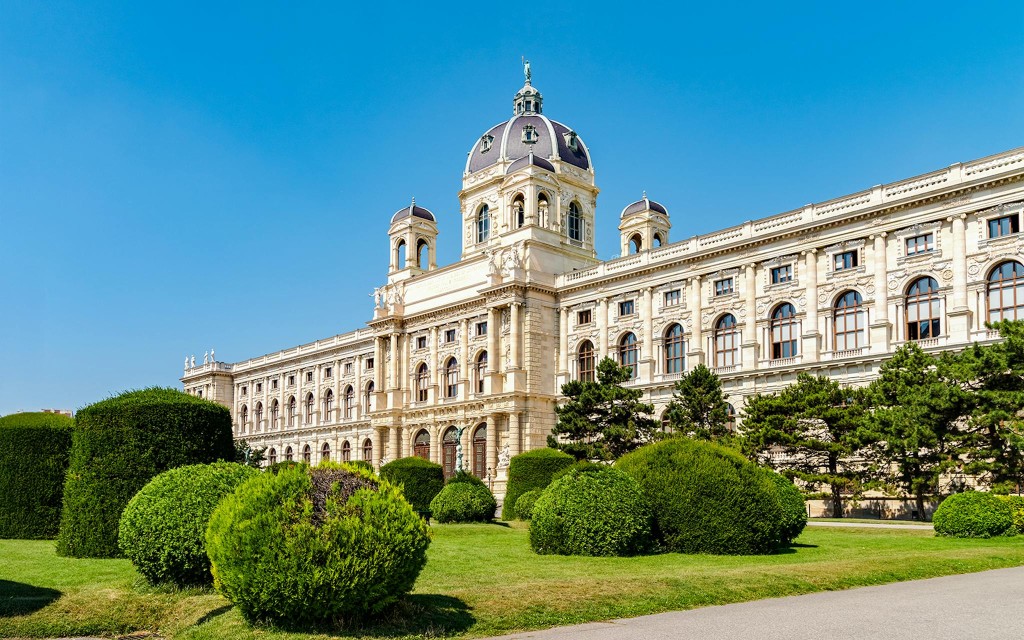
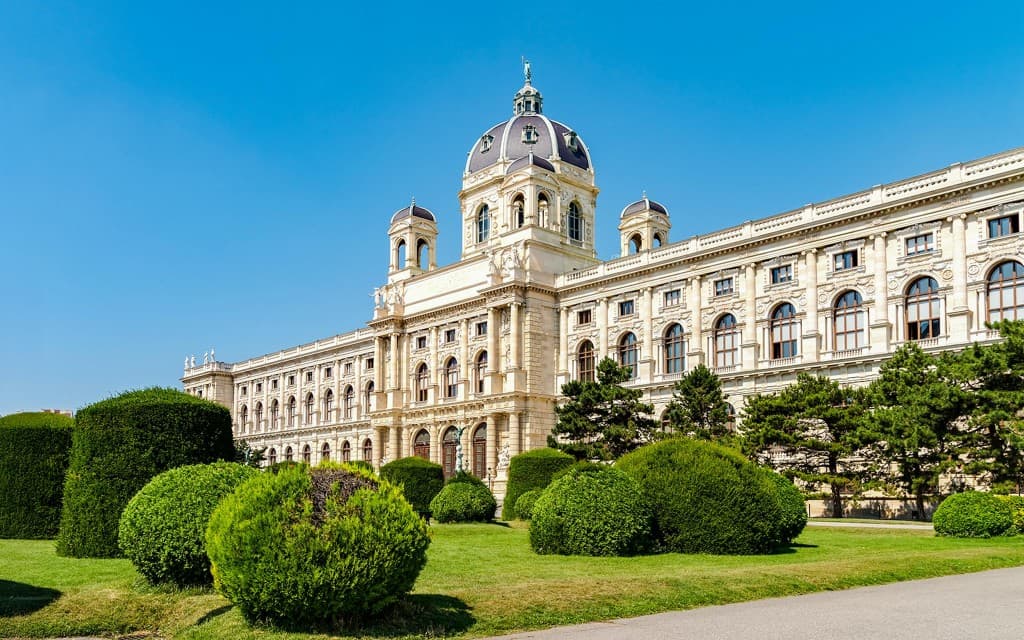
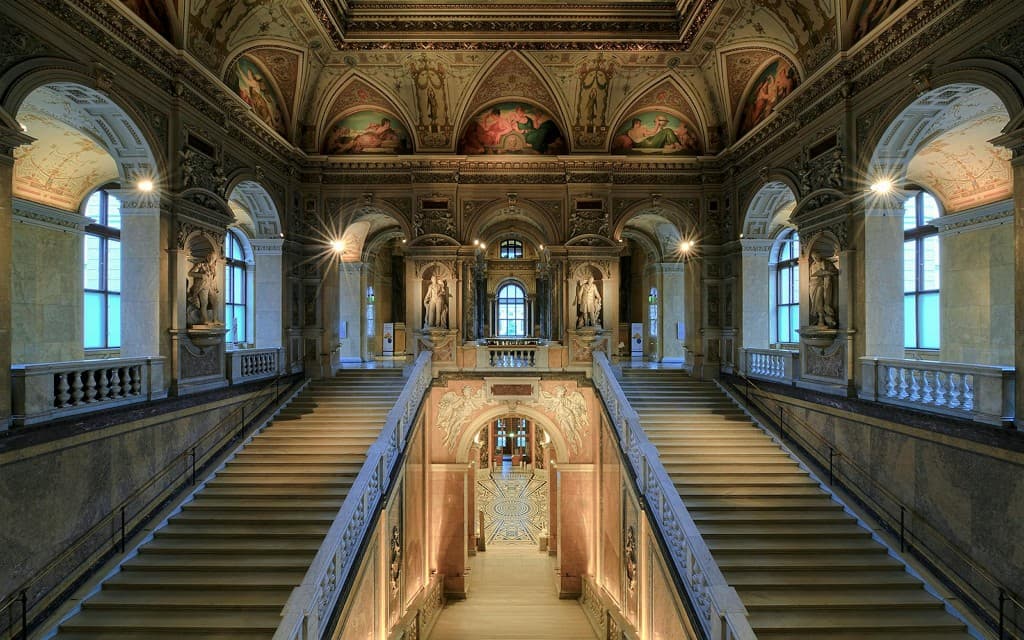
The Natural History Museum Vienna, or Naturhistorisches Museum Wien, is one of the largest and most significant natural history museums in the world. Housed in an opulent palace on Maria-Theresien-Platz, it presents an extraordinary journey through billions of years of Earth's history and the evolution of life. Its vast collections span over 30 million objects, offering a comprehensive look at biodiversity, geology, palaeontology, and anthropology. Visitors can explore everything from precious minerals and gigantic dinosaur skeletons to unique ethnographic artifacts. A visit promises an enriching experience for all ages, combining scientific exploration with the grandeur of imperial architecture, making it a cornerstone of Vienna's cultural landscape.
There is no specific dress code for visiting the Natural History Museum Vienna. Casual and comfortable attire is perfectly acceptable, as you will likely be doing a fair amount of walking. However, dressing respectfully is always appreciated, particularly when visiting cultural institutions. Given Vienna's climate, it is advisable to dress in layers, especially during cooler months, to ensure comfort while moving between the potentially varied temperatures of the exhibition halls.
Parcourez le musée d'histoire naturelle de Vienne et découvrez l'évolution de la vie, en partant des géants préhistoriques et des météorites anciennes pour arriver à la créativité des premiers hommes et à la beauté du monde minéral.
L'entrée principale du musée se trouve sur la Maria-Theresien-Platz, en face du Musée d'Histoire de l'art. Présentez votre billet au guichet principal situé juste à l'intérieur du hall du dôme central, puis passez un bref enregistrement de sécurité. Une fois à l'intérieur, vous êtes libre d'explorer le musée à votre rythme.
Fondé en 1889, le Muséum d'histoire naturelle est non seulement un joyau architectural, mais aussi un trésor de connaissances scientifiques. S'étendant sur 39 grandes salles d'exposition, le musée propose une plongée dans l'histoire de la Terre, depuis la formation du système solaire jusqu'au développement des civilisations humaines.
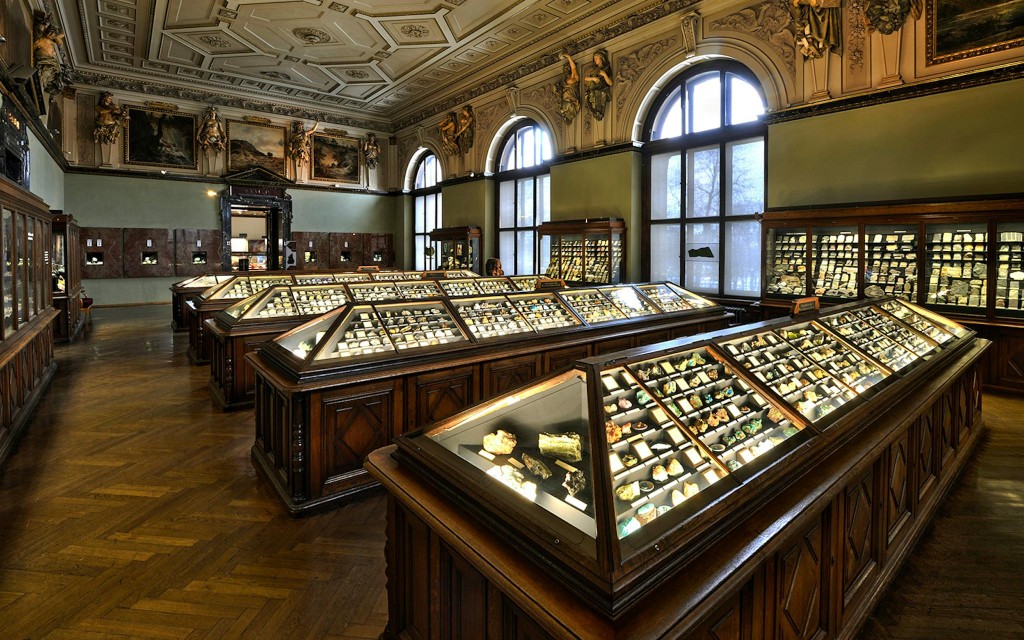
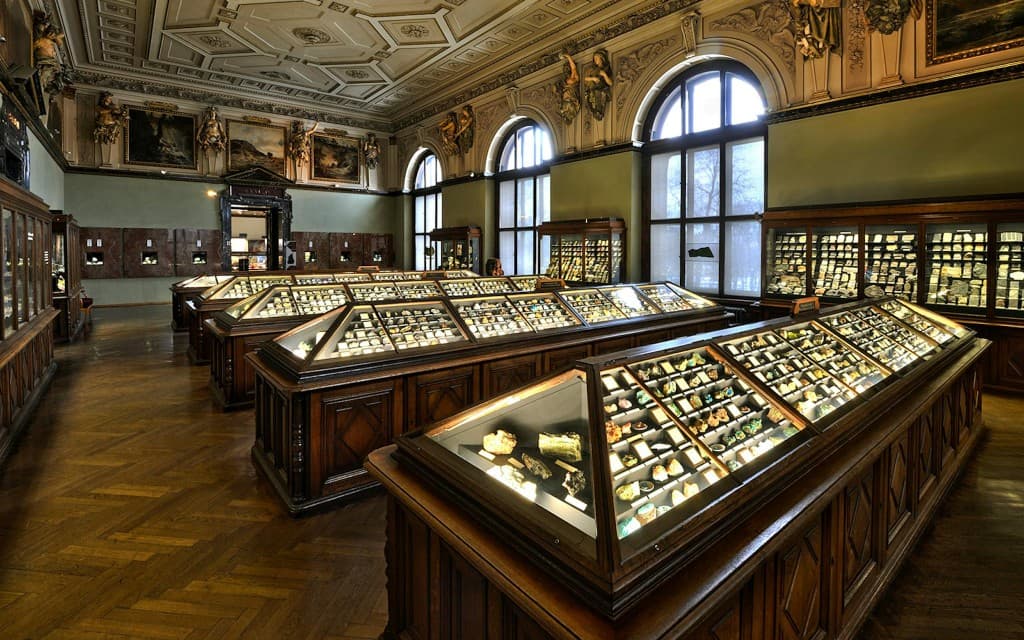
Le voyage commence par la minéralogie et les météorites, avec notamment l'une des plus grandes expositions publiques de météorites au monde, avant de se poursuivre par des collections de fossiles et de vestiges préhistoriques fascinants.
Parmi ses points forts permanents figure la célèbre Vénus de Willendorf, une figurine vieille de 29 500 ans qui offre un rare aperçu de l'expression artistique des premiers temps de l'humanité.
Les jeunes explorateurs seront ravis de visiter le site Les enfants de l'âge de glace et leur monde, une salle pour enfants qui recrée la vie au cours de la dernière période glaciaire grâce à des expositions immersives et des activités interactives.
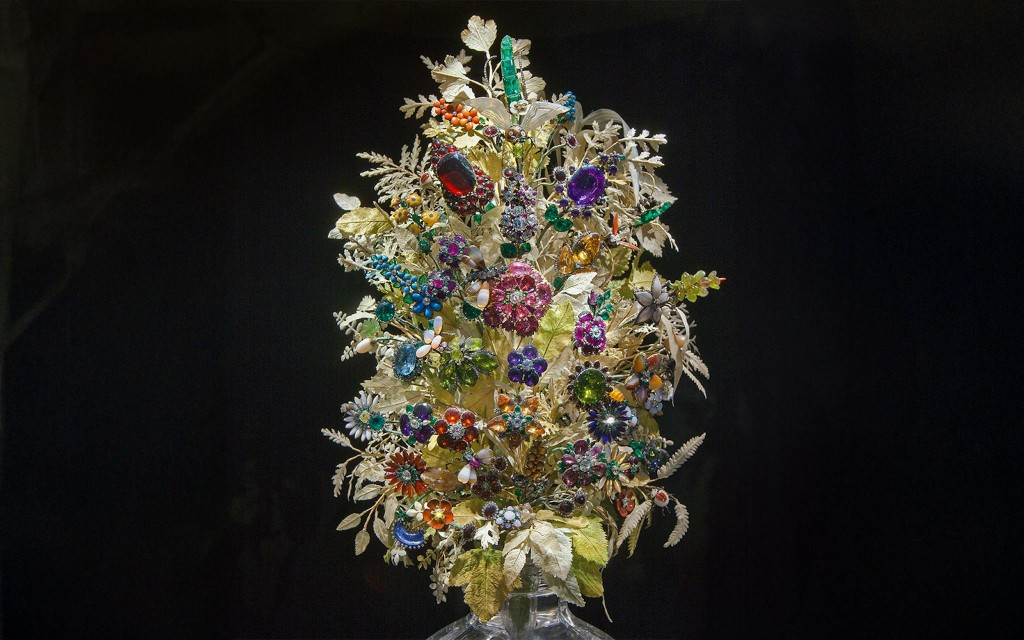
Dans le hall 1, le Crystal World vous invite à découvrir un paysage scintillant de minéraux et de pierres précieuses. Des stations interactives vous invitent à toucher, à observer et à expérimenter, vous permettant ainsi de découvrir comment ces structures naturelles se forment et révèlent la géométrie cachée de notre planète.
Pendant ce temps, les chambres nouvellement rénovées Amphibiens et Reptiles révèlent les fascinantes adaptations évolutives des espèces à sang froid grâce à des dioramas vivants et des spécimens détaillés.
Le musée est également connu pour ses expositions spéciales en constante évolution, ou Sonderausstellungen, qui abordent des thèmes variés, allant des campagnes de santé publique à des niches insolites de l'histoire naturelle, telles que l'importance culturelle des rhinocéros.
Il est recommandé de porter des chaussures confortables et fermées, car certains sols et certaines galeries ne sont pas recouverts de moquette et vous aurez beaucoup à marcher.
Si vous avez l'intention d'emprunter un fauteuil roulant, vous devez vous munir d'une pièce d'identité avec photo en cours de validité que vous déposerez à la réception.
Les grands sacs, les sacs à dos de grande taille, les parapluies, les trépieds, les cannes sans nécessité médicale et les manteaux encombrants doivent être enregistrés dans le vestiaire situé près de l'entrée.
La nourriture et les boissons ne sont en aucun cas autorisées à l'intérieur des zones d'exposition.
Les animaux domestiques ne sont pas admis à l'intérieur du musée ; seuls les animaux d'assistance certifiés, tels que les chiens d'assistance, sont autorisés.
Les photographies avec flash ou toute forme de matériel de tournage professionnel ne sont pas autorisées sans autorisation écrite préalable.
Le musée est partiellement accessible aux fauteuils roulants, avec une rampe d'accès par Burgring 7 et un accès par ascenseur à tous les étages d'exposition. Cependant, la visite des toits n'est pas accessible en raison des escaliers et de l'espace limité.
Les fauteuils roulants peuvent être empruntés gratuitement au bureau d'information, mais leur disponibilité est limitée et ils sont fournis selon le principe du premier arrivé, premier servi.
Des toilettes accessibles sont situées à chaque étage principal, dont une près du jardin des participants du café.
Pour profiter au mieux de votre visite, arrivez tôt - la dernière admission est 30 minutes avant la fermeture (17 h 30 du jeudi au lundi et 19 h 30 le mercredi).
L'entrée principale se trouve à Maria-Theresien-Platz, 1010 Vienne, et la billetterie se trouve juste devant. Pour les visiteurs en fauteuil roulant, veuillez utiliser l'entrée accessible à Burgring 7, 1010 Vienne.
Le bureau d'information est situé à l'intérieur du musée, dans le hall d'entrée à la "Unterer Kuppelsaal".
Les enfants de moins de 14 ans doivent être accompagnés d'un adulte à tout moment à l'intérieur du musée.
La plupart des visiteurs commencent par le rez-de-chaussée, c'est pourquoi commence par les niveaux supérieurs (surtout le matin), ce qui vous permettra d'être plus tranquille dans les salles des fossiles, de l'anthropologie et des météorites.
Bien que l'utilisation des casiers soit gratuite, vous devez vous munir d'une pièce de 1 euro en guise de caution, qui vous sera restituée lorsque vous déverrouillerez les casiers.
Les poussettes sont autorisées, mais aux heures de pointe, le personnel peut vous demander de les garer temporairement dans des zones désignées afin de réduire les embouteillages.
Le café du musée, situé sous le dôme central, sert une gamme de repas chauds, de pâtisseries et de boissons. Il est ouvert tous les jours sauf le mardi.
Une boutique du musée située au rez-de-chaussée propose une variété de souvenirs à thème, notamment des livres, des pierres précieuses, des fossiles et des jouets éducatifs.
The Natural History Museum Vienna is a monumental institution dedicated to the preservation and study of the natural world. Situated in a stunning historic building that mirrors the Kunsthistorisches Museum across the square, it boasts 39 exhibition halls designed to captivate and educate. The museum's diverse collections originated from the vast scientific acquisitions of the Habsburg monarchy, meticulously gathered over centuries. Today, it serves as a leading research center and a popular attraction, inviting visitors to delve into its extensive displays. From rare gemstones and ancient fossils to meticulously preserved animal specimens and human origins, the museum covers nearly every aspect of natural history. Interactive exhibits and detailed presentations provide insights into complex scientific concepts, while the sheer scale and beauty of the exhibits leave a lasting impression. It stands as a testament to humanity's enduring curiosity about the universe and its inhabitants.
Booking your Natural History Museum Vienna entry ticket online offers a convenient way to plan your visit and save time upon arrival. Online tickets often allow for expedited entry, enabling you to bypass general admission queues and begin your exploration without delay. This is particularly beneficial during peak tourist seasons or on weekends when the museum can be very busy. Securing your tickets in advance ensures guaranteed access, providing peace of mind and a smoother, more enjoyable experience from the moment you step foot in this magnificent institution.
The history of the Natural History Museum Vienna is deeply intertwined with the Habsburg monarchy's passion for collecting and scientific inquiry. Its origins trace back to the 18th century with Emperor Franz Stephan I, husband of Empress Maria Theresia, who acquired a vast collection of natural objects, including minerals and precious stones. This collection formed the core of what would become a world-class institution. Over generations, the Habsburg emperors expanded these collections significantly, funding expeditions and scientific research worldwide. The current magnificent building on Maria-Theresien-Platz was commissioned by Emperor Franz Joseph I and designed by Gottfried Semper and Carl von Hasenauer. It was officially opened in 1889, purpose-built to house the Imperial Natural History Collections. Since then, the museum has continued to grow its collections, conduct vital research, and educate the public, preserving its rich imperial legacy while embracing modern scientific advancements.
The Natural History Museum Vienna typically welcomes visitors from 9:00 AM or 9:30 AM, with closing times varying between 6:00 PM and 6:30 PM. It is generally closed to the public on Tuesdays. On Wednesdays, the museum often has extended evening hours, closing later. It is advisable to note that opening hours can be subject to change, especially on public holidays or for special events. Please plan your visit accordingly, allowing ample time to explore the extensive collections.
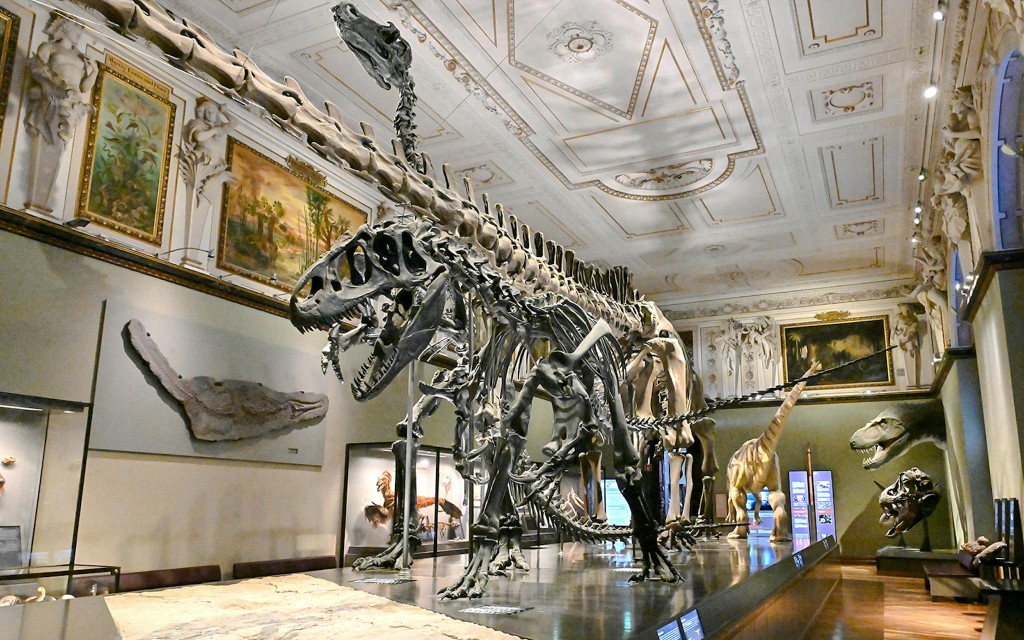
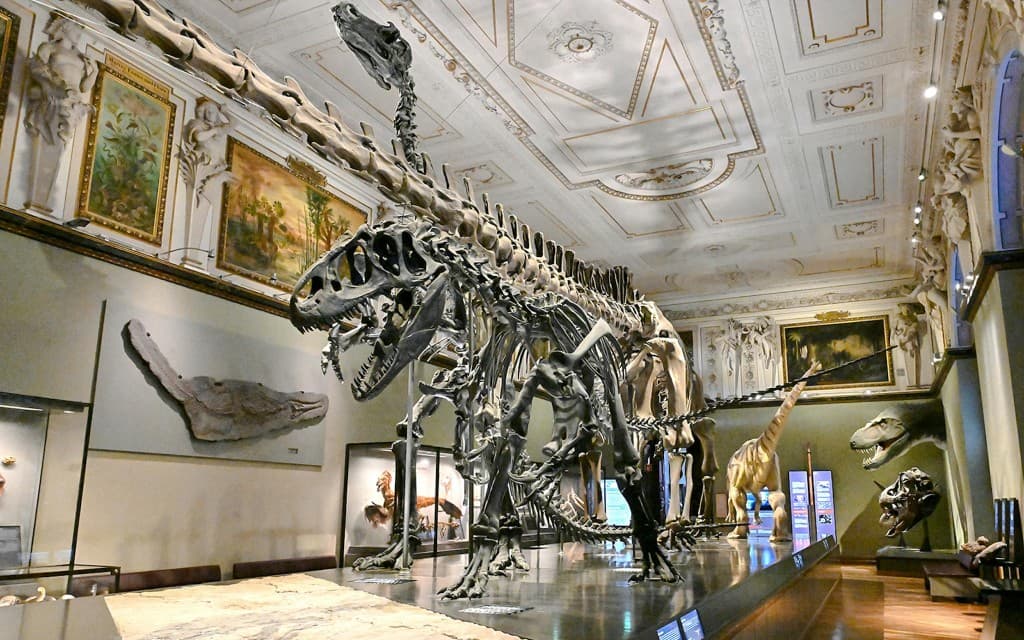
To experience the Natural History Museum Vienna with fewer crowds and a more relaxed atmosphere, consider visiting on a weekday, particularly in the morning shortly after opening. Weekends and public holidays tend to be busier, especially in the afternoon. During school holidays, the museum can also attract larger groups. Arriving early on a weekday allows you to explore the most popular exhibits, such as the Dinosaur Hall and the Venus of Willendorf, with greater ease. The museum's vastness ensures that even on busier days, there are still quieter sections to discover.
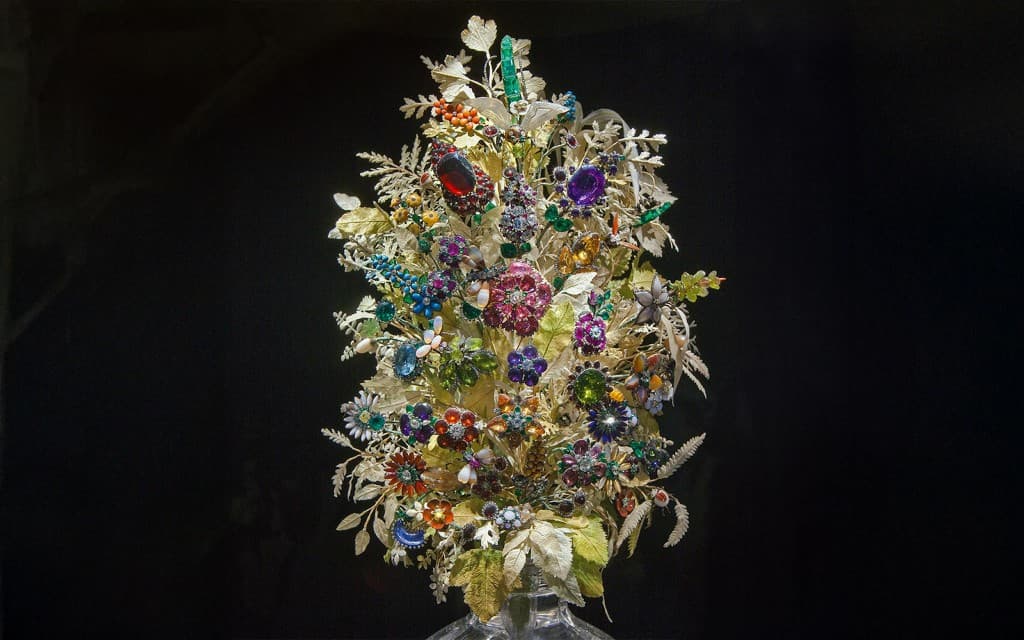
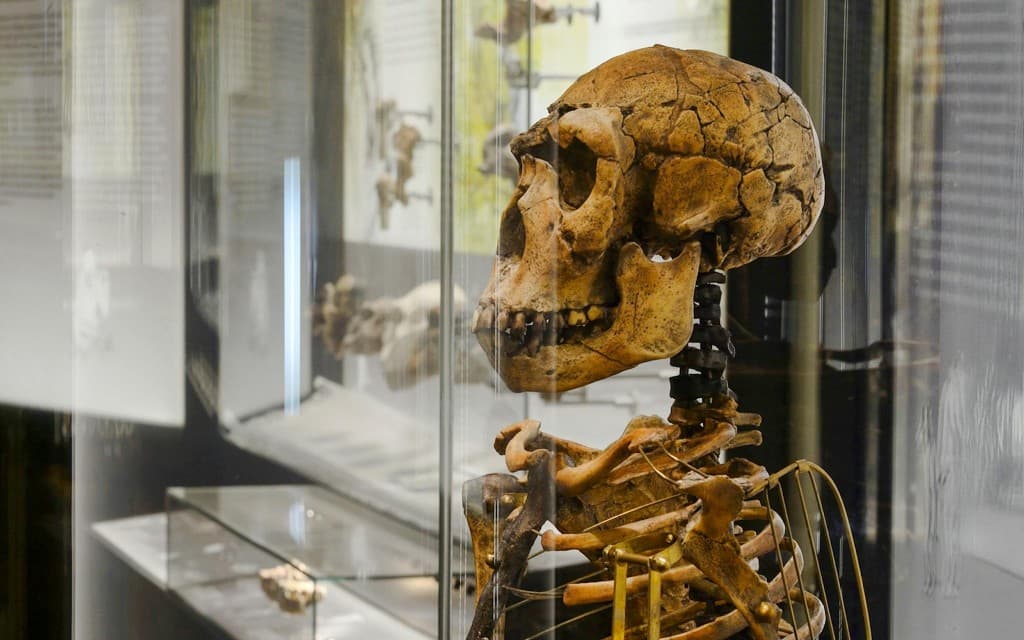
Inside the Natural History Museum Vienna, visitors are treated to an expansive array of exhibits across two floors. The first floor is primarily dedicated to geology, palaeontology, and mineralogy, housing the world-renowned Meteorite Hall and a spectacular collection of gemstones and minerals. The dinosaur hall is a major draw, with impressive skeletons and realistic models. The second floor focuses on zoology, botany, and anthropology. Here, you'll find meticulously arranged displays of diverse animal species, from insects to mammals, showcasing global biodiversity. The Anthropological Hall features significant archaeological finds, including the Venus of Willendorf, offering insights into human history and development. The grand architecture of the building itself, with its ornate ceilings and intricate details, is also a sight to behold.
Wear comfortable shoes as the museum is vast and involves a lot of walking across its numerous halls and two main floors. Consider renting an audio guide to enhance your understanding of the exhibits and their historical significance. The museum has a cafe where you can take a break and a shop for souvenirs. Allow sufficient time for your visit, as rushing through the extensive collections may diminish the experience. Lockers are available for coats and bags. Photography is generally permitted for personal use, but flash photography is typically prohibited to protect sensitive artifacts.
To ensure a pleasant experience for all visitors and to preserve the valuable collections, please observe the museum's rules. Do not touch the exhibits, as this can cause damage. Flash photography is generally not allowed. Food and beverages are not permitted in the exhibition halls but can be consumed in designated areas like the cafe. Running, shouting, or disruptive behavior is discouraged. Large bags and backpacks may need to be stored in lockers. Please respect fellow visitors and maintain a quiet atmosphere.
The Natural History Museum Vienna is undoubtedly worth visiting for its unparalleled collections, stunning architecture, and educational value. It offers a unique opportunity to explore billions of years of natural history under one roof, from the smallest microorganisms to gigantic dinosaur skeletons. The sheer scale and diversity of the exhibits, combined with the grandeur of the imperial building, create an immersive and awe-inspiring experience. Whether you are interested in geology, zoology, palaeontology, or anthropology, or simply seeking a cultural and educational outing, the museum provides fascinating insights and discoveries for visitors of all ages, making it a highlight of any trip to Vienna.
Key highlights include the iconic Venus of Willendorf, the spectacular Dinosaur Hall, the extensive Meteorite Collection, and the impressive displays of minerals and gemstones.
Yes, the museum is very family-friendly, offering many engaging exhibits like the dinosaur hall, interactive displays, and diverse animal collections that captivate visitors of all ages.
Most visitors spend between 2 to 4 hours exploring the museum's numerous exhibition halls, though more time can be spent for a deeper dive into specific collections.
The museum offers various guided tours and audio guides in multiple languages to enhance your understanding of the collections. Specific availability may vary.
Food and beverages are generally not allowed in the exhibition areas but can be consumed in designated cafe or restaurant areas within the museum.
The Natural History Museum Vienna is committed to accessibility, offering elevators and ramps to ensure that all visitors can explore its collections.
It is recommended to purchase your Natural History Museum Vienna entry ticket online in advance to save time and ensure a smooth entry, especially during busy periods.
The Natural History Museum Vienna is easily accessible by public transport. Take the U2 or U3 underground lines to Volkstheater station, which is just a short walk away. Alternatively, tram lines 1, 2, D, and 71 stop at Burgring, also within walking distance. Various bus lines also serve the area around Maria-Theresien-Platz. The museum's central location makes it a convenient destination from most parts of Vienna.
There is no specific dress code for visiting the Natural History Museum Vienna. Casual and comfortable attire is perfectly acceptable, as you will likely be doing a fair amount of walking. However, dressing respectfully is always appreciated, particularly when visiting cultural institutions. Given Vienna's climate, it is advisable to dress in layers, especially during cooler months, to ensure comfort while moving between the potentially varied temperatures of the exhibition halls.