

포함 내역
- 쾨페닉 궁전 입장
- 모든 전시 관람 가능
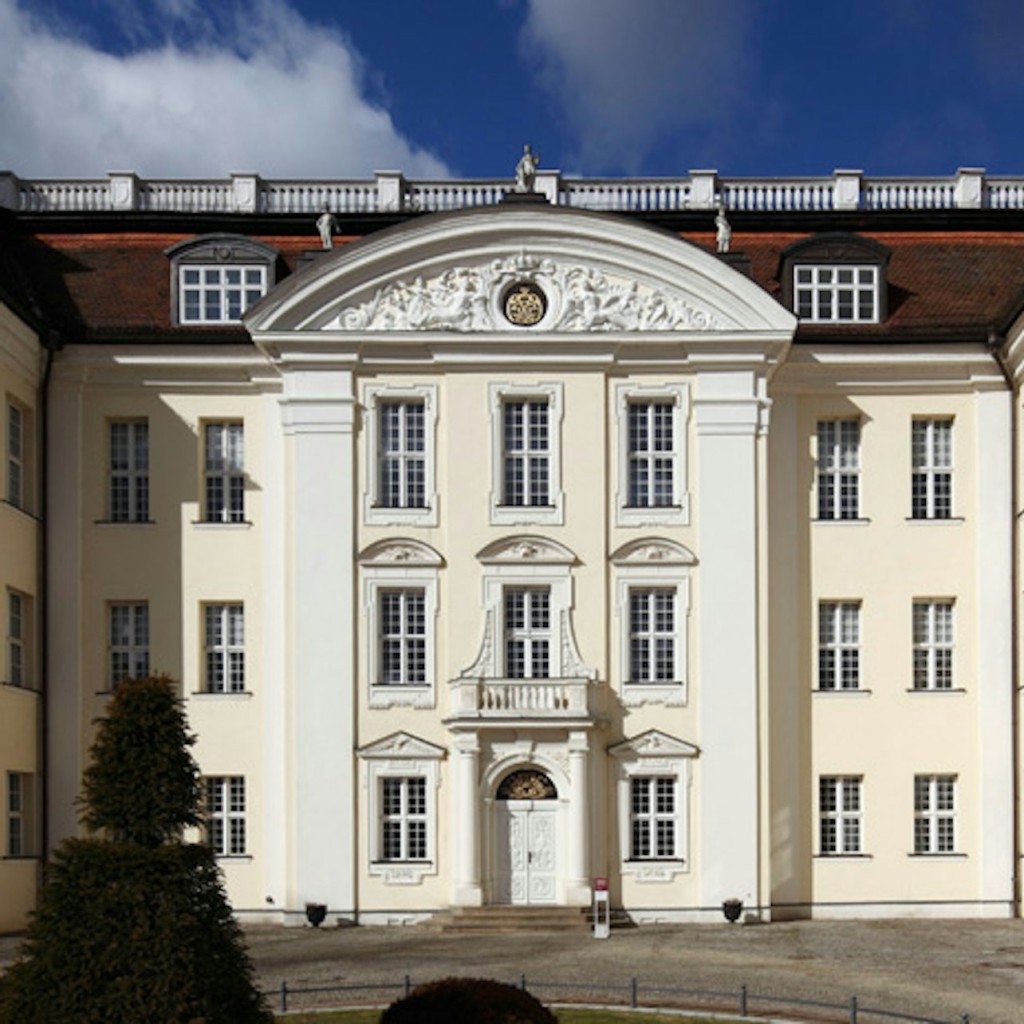
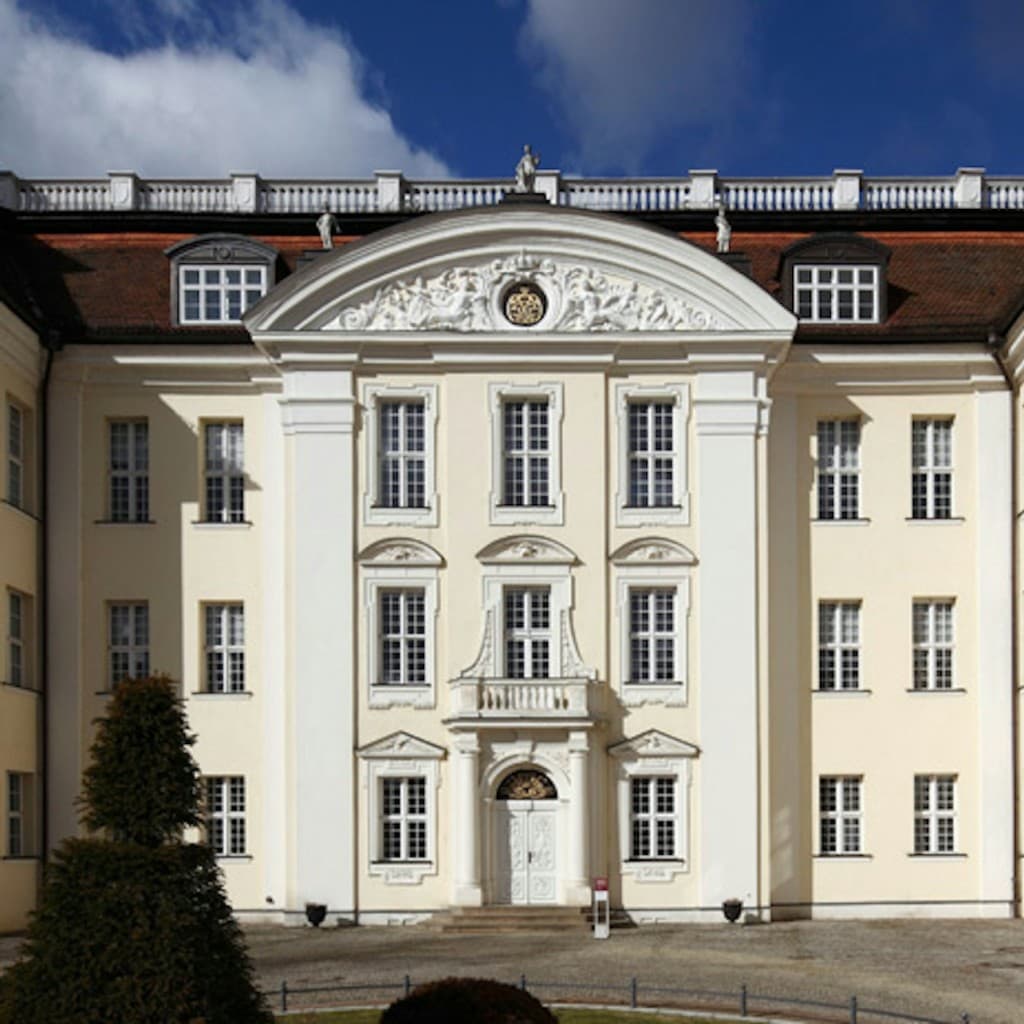
Explore a visual journey through Schloss Köpenick, showcasing its magnificent baroque architecture, opulent interiors, and stunning art collections, all set against the picturesque backdrop of the Dahme River.
Schloss Köpenick offers a captivating journey into Berlin's opulent past, situated majestically on an island in the Dahme River. This baroque palace, a former residence of Prussian royalty, is now a prominent branch of the Berlin State Museums, housing exquisite collections of decorative arts from the 16th to the 18th centuries. Visitors can explore grand halls, intricate stucco work, and a significant collection of European applied arts, providing a deep insight into the luxurious lifestyles of past centuries. Surrounded by serene parkland and water, Schloss Köpenick is not just a museum but a picturesque historical retreat, perfect for those seeking cultural enrichment away from the city's bustling center. It's a tranquil yet grand destination that beautifully showcases baroque architecture and artistry.
There is no specific formal dress code for visiting Schloss Köpenick. Visitors are encouraged to dress comfortably and respectfully, as it is a historical site and museum. Casual attire is generally acceptable. Considering you will likely be walking and standing for extended periods, comfortable footwear is advisable. During colder months, ensure you dress warmly, as some areas of the historic building might be cooler.
Schloss Köpenick stands as a remarkable example of baroque architecture, uniquely positioned on an island in the Köpenick district of Berlin. Originally a Slavic stronghold, the site evolved through various iterations, culminating in the elegant palace seen today, primarily designed by Rutger van Langervelt. It served as a summer residence and hunting lodge for Electors and Kings of Brandenburg-Prussia. Today, the palace is home to the Museum of Decorative Arts, showcasing an impressive array of European arts and crafts from the Renaissance, Baroque, and Rococo periods. The collection includes furniture, textiles, ceramics, glass, and silverware, each piece telling a story of craftsmanship and artistic trends across centuries. The palace's interior itself is a work of art, with elaborately decorated rooms reflecting the grandeur of its former inhabitants. Beyond the collections, the palace's island location, surrounded by the Dahme River, offers scenic views and a peaceful atmosphere, enhanced by the adjacent palace park, inviting visitors to stroll through landscaped gardens. It’s an ideal destination for history enthusiasts, art lovers, and anyone seeking a cultural escape in a beautiful historical setting.
Booking your Schloss Köpenick entry ticket online provides several advantages for a smoother and more enjoyable visit. Purchasing in advance can help save time upon arrival, allowing you to bypass potential queues at the ticket counter and proceed directly into the palace. It also offers the convenience of securing your admission at your leisure, anytime and anywhere, ensuring your visit on your preferred date. Online booking often comes with instant confirmation and digital tickets, making entry seamless. Furthermore, it allows for better planning of your itinerary, ensuring that your cultural exploration of this magnificent baroque palace fits perfectly into your Berlin travel plans, guaranteeing access to this historical gem.
The history of Schloss Köpenick is deeply intertwined with the development of the Brandenburg-Prussian state. The site was originally a Slavic settlement, with a castle first mentioned in documents from the 13th century. Over the centuries, various fortifications and residences stood here, reflecting the changing political landscape. In the late 17th century, under Elector Frederick III (later King Frederick I of Prussia), the medieval structures were largely demolished to make way for the magnificent baroque palace we see today. Designed by Rutger van Langervelt and later by Johann Arnold Nering, the palace served as a summer residence and hunting lodge. It was also famously associated with Frederick II's (Frederick the Great) youth, as he spent time there as a crown prince. The palace endured various periods of use and disuse, escaping significant damage during World War II. After extensive restoration efforts in the latter half of the 20th century, Schloss Köpenick reopened as a branch of the Berlin State Museums, specifically housing the Museum of Decorative Arts. Its island location and enduring baroque grandeur make it a living testament to Berlin's rich historical and architectural heritage.
Schloss Köpenick generally welcomes visitors from Tuesday to Sunday, with opening hours often starting in the late morning and concluding in the late afternoon. The palace is typically closed on Mondays. Specific opening times may vary throughout the year and for special exhibitions, and it is also often closed on certain public holidays. It is advisable to allow ample time before closing to fully appreciate the collections and the palace's surroundings.
Visiting Schloss Köpenick is most enjoyable during the late morning or early afternoon on a weekday. During these times, the palace tends to be less crowded, allowing for a more serene experience as you explore the art collections and baroque interiors. Weekends can draw larger crowds, especially during peak tourist season. The spring and autumn months offer pleasant weather for exploring the palace grounds and the surrounding park, enhancing the overall visit. However, the indoor exhibitions are equally engaging regardless of the season, providing a cultural refuge even on colder or wetter days.
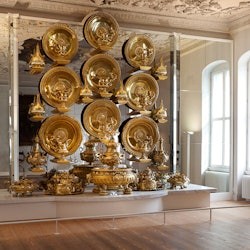
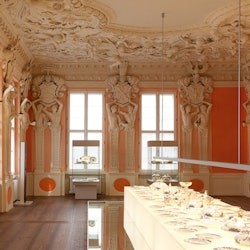
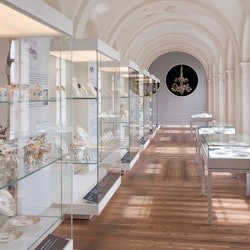
Inside Schloss Köpenick, visitors are treated to a magnificent display of European decorative arts from the 16th to the 18th centuries, primarily from the Kunstgewerbemuseum (Museum of Decorative Arts) collection. You can wander through beautifully preserved state rooms, adorned with intricate stucco work, ornate fireplaces, and historical furnishings that evoke the grandeur of baroque living. The collections feature an extensive array of furniture, tapestries, porcelain, glass, and silverware, highlighting the exquisite craftsmanship of different eras. Key exhibits include precious ceramics from the Renaissance, intricate Baroque silver, and elegant Rococo furniture, offering a comprehensive overview of changing artistic styles and courtly tastes. Each room is meticulously curated to transport you back in time, allowing you to appreciate the artistry and historical context of these valuable objects.
When planning your visit to Schloss Köpenick, be aware that photography without flash is generally permitted in most exhibition areas, though specific restrictions might apply to certain artifacts. The palace includes accessible routes, but it's always good to inquire about specific accessibility needs in advance. There are often cafes or restaurants in the vicinity for refreshments. Allow sufficient time to explore both the interior museum collections and the beautiful palace park and island setting. Lockers might be available for bags, and comfortable walking shoes are recommended as you navigate the palace and its grounds.
Visitors to Schloss Köpenick are expected to adhere to standard museum etiquette. This includes refraining from touching exhibits, maintaining a respectful noise level, and following any instructions from museum staff. Large bags and backpacks may need to be stored in lockers or checked at the entrance. Food and drinks are typically not allowed in the exhibition areas. Running or disruptive behavior is prohibited to ensure a pleasant experience for all guests and the preservation of the historical artifacts. Please respect all posted signage regarding specific rules within the palace.
Schloss Köpenick is absolutely worth visiting for anyone interested in art, history, and beautiful architecture, or simply seeking a peaceful escape. It offers a unique opportunity to immerse oneself in Berlin's baroque past, far from the urban bustle. The palace's exquisite collections of decorative arts are among the finest in Europe, providing a detailed look into centuries of craftsmanship and noble lifestyles. Its idyllic island location on the Dahme River, surrounded by serene parkland, adds to its charm, making it a picturesque destination for a leisurely cultural outing. It's a chance to see a different, more tranquil side of Berlin's rich heritage.
Schloss Köpenick is a baroque palace located on an island in Berlin's Köpenick district, housing a significant collection of European decorative arts from the 16th to 18th centuries as part of the Berlin State Museums.
It is situated on an island in the Dahme River, within the Köpenick district of Berlin, Germany.
The palace is home to the Museum of Decorative Arts, featuring an extensive collection of furniture, textiles, ceramics, glass, and silverware from the Renaissance, Baroque, and Rococo periods.
Most visitors spend approximately 2 to 3 hours exploring the palace and its surrounding park.
Yes, it is easily reachable via Berlin's S-Bahn and tram network, with a short walk from the Köpenick station.
Yes, there are various dining options available in the immediate vicinity of the palace and within the Köpenick district.
Photography is generally permitted for personal use without flash in most exhibition areas, but it's always advisable to check for any specific restrictions upon entry.
While primarily an art and history museum, older children interested in history or art may find it engaging. The park outside offers space for younger visitors.
Schloss Köpenick is well-connected by Berlin's public transport system. To reach the palace, take the S-Bahn (S3 line) to 'Köpenick' station. From there, you can either take a short tram ride (e.g., M27, 60, 61, 62, 63, 67, 68) or enjoy a pleasant 10-15 minute walk across the bridges to the palace island. Bus routes also serve the area, with stops conveniently located near the palace grounds. Public transport is an efficient way to arrive, allowing you to easily access this historic site.
There is no specific formal dress code for visiting Schloss Köpenick. Visitors are encouraged to dress comfortably and respectfully, as it is a historical site and museum. Casual attire is generally acceptable. Considering you will likely be walking and standing for extended periods, comfortable footwear is advisable. During colder months, ensure you dress warmly, as some areas of the historic building might be cooler.