옵션 비교
| 옵션 | 유형 | 요약 | 소요 시간 | 부터 | 예약 |
|---|---|---|---|---|---|
| Theodosius Water Cistern Tickets and Audio Guide in Istanbul | 티켓 | 옵션 페이지에서 자세히 보기 | 유연함 | €22.00 | 예약 |
Discover the hidden depths of Istanbul's history with a visit to the Theodosius Cistern, an ancient marvel located beneath the bustling city. Built by Emperor Theodosius II between 428 and 443 AD, this cistern once stored water for the Great Palace and surrounding areas. Rediscovered in recent times, the Theodosius Cistern now offers visitors a unique glimpse into the engineering and artistry of the Byzantine era. Explore the serene atmosphere and marvel at the architectural details that have been preserved for centuries. An audio guide will enrich your visit, providing historical context and fascinating stories about this subterranean wonder.
기대할 사항
하이라이트
정보 İstanbul Theodosius Water Cistern
The Theodosius Cistern, also known as Şerefiye Sarnıcı in Turkish, is a remarkable feat of ancient engineering and a testament to the ingenuity of the Byzantine Empire. Constructed during the reign of Emperor Theodosius II, this cistern played a vital role in supplying water to Constantinople, particularly the Great Palace and the city's expanding population. Connected to the Valens Aqueduct, it stored water transported from afar, ensuring a reliable water source even during times of drought or siege. Lost to time and rediscovered in the 20th century, the Theodosius Cistern has been carefully restored and opened to the public. Today, visitors can wander through its atmospheric chambers, marveling at the rows of marble columns and the play of light on the water's surface. The cistern provides a tranquil escape from the city above, offering a unique perspective on Istanbul's rich historical tapestry.
온라인으로 예약해야 하는 이유
Booking your tickets online for the Theodosius Cistern offers several advantages. Secure your entry in advance and skip potential lines, especially during peak tourist season. Online platforms often provide bundled options, such as including an audio guide, to enhance your experience. Enjoy a hassle-free visit by planning ahead and ensuring your spot at this captivating historical site.
역사
The Theodosius Cistern was commissioned by Emperor Theodosius II in the 5th century AD to address the growing water needs of Constantinople. Connected to the Valens Aqueduct, the cistern stored water that was transported from distant sources, providing a reliable supply for the Great Palace and the surrounding urban areas. Over the centuries, as Constantinople transformed into Istanbul, the cistern gradually fell into disuse and was eventually forgotten. It wasn't until the late 20th century that the Theodosius Cistern was rediscovered during urban planning projects. Recognizing its historical significance, the city undertook a comprehensive restoration effort to preserve and showcase this remarkable underground structure. Today, the Theodosius Cistern stands as a testament to Byzantine engineering prowess and a captivating destination for history enthusiasts and travelers alike.
운영 시간
The Theodosius Cistern is generally open to the public every day of the week. Opening hours typically begin around 9:00 AM and may close as late as 6:00 PM or 7:00 PM. It's recommended to check the specific hours for the day of your visit, as these are subject to change due to holidays or special events.
방문하기 가장 좋은 시간
The best time to visit the Theodosius Cistern is during the off-peak seasons (spring or fall) or on weekdays to avoid large crowds. Arriving early in the morning or later in the afternoon can also provide a more peaceful experience, allowing you to fully appreciate the cistern's serene atmosphere and architectural details without the distraction of many other tourists.
내부 볼거리
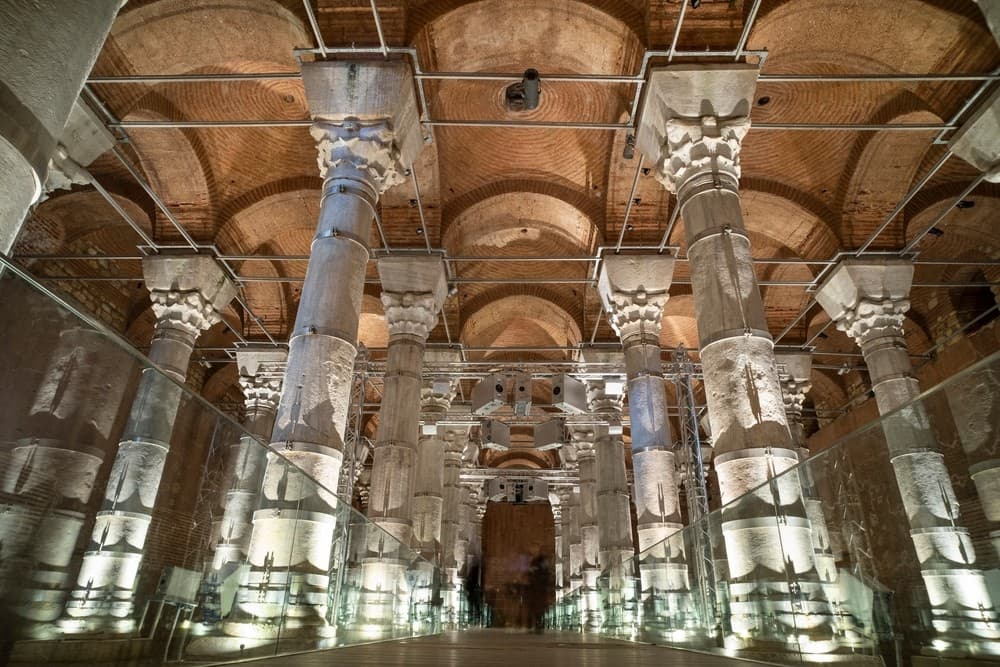
Inside the Theodosius Cistern, you'll be greeted by a mesmerizing display of ancient architecture. Rows of elegant marble columns support the brick arches above, creating a stunning visual effect. The cistern features 32 columns, each standing approximately 9 meters tall. The play of light and shadow within the cistern adds to its mysterious ambiance. As you explore, take note of the intricate brickwork and the overall design, which showcases the advanced engineering skills of the Byzantine builders. The audio guide will point out key features and share stories about the cistern's construction, use, and rediscovery. The serene atmosphere invites quiet contemplation and offers a unique perspective on Istanbul's historical layers.
알아두면 좋은 정보
Before visiting the Theodosius Cistern, remember that the temperature inside can be cooler than above ground, so bringing a light jacket might be wise. Comfortable shoes are recommended as you'll be walking on stone surfaces. Photography is allowed, so bring your camera to capture the beauty of this ancient site. Be mindful of the quiet atmosphere and speak respectfully.
방문객 규칙
To ensure a pleasant experience for all visitors, please refrain from loud talking or disruptive behavior inside the Theodosius Cistern. Do not touch or climb on the ancient structures. Follow any instructions given by the on-site staff. Food and drinks are generally not allowed inside the cistern. Please be respectful of the historical site and help preserve it for future generations.
방문할 가치가 있을까요?
The Theodosius Cistern is absolutely worth visiting for anyone interested in history, architecture, or the hidden wonders of Istanbul. It provides a unique opportunity to step back in time and explore a remarkably preserved Byzantine-era structure. The serene atmosphere and stunning visuals make it a memorable experience. Unlike the more famous Basilica Cistern, the Theodosius Cistern often offers a less crowded, more intimate visit. It's a captivating destination that adds depth to your understanding of Istanbul's rich heritage.
자주 묻는 질문
The Theodosius Cistern is an ancient underground water reservoir built during the Byzantine era in Istanbul.
It is located in the Eminönü district of Istanbul, near Sultanahmet Square.
Ticket prices vary; check the official website or ticketing platforms for current rates.
Audio guides are typically included with admission. Check for options for guided tours when booking.
Accessibility may be limited due to the nature of the site; it's best to check in advance for specific details.
Yes, photography is generally allowed for personal use.
Plan to spend approximately 1 to 2 hours exploring the cistern.
Restrooms are typically available for visitors.
Yes, there is usually a gift shop where you can purchase souvenirs.
오시는 길
The Theodosius Cistern is easily accessible by public transportation. Take the tram to the Sultanahmet stop, which is a short walk from the cistern. From there, follow the signs or use a map app to guide you to the entrance.