

포함 내역
- 국립 코치 박물관 입장
- 코치에 대한 설명이 포함된 다운로드 가능한 오디오 가이드 (영어 및 포르투갈어)
- 인터랙티브 프로젝션 및 특별 전시
- 피카데이로 레알 입장
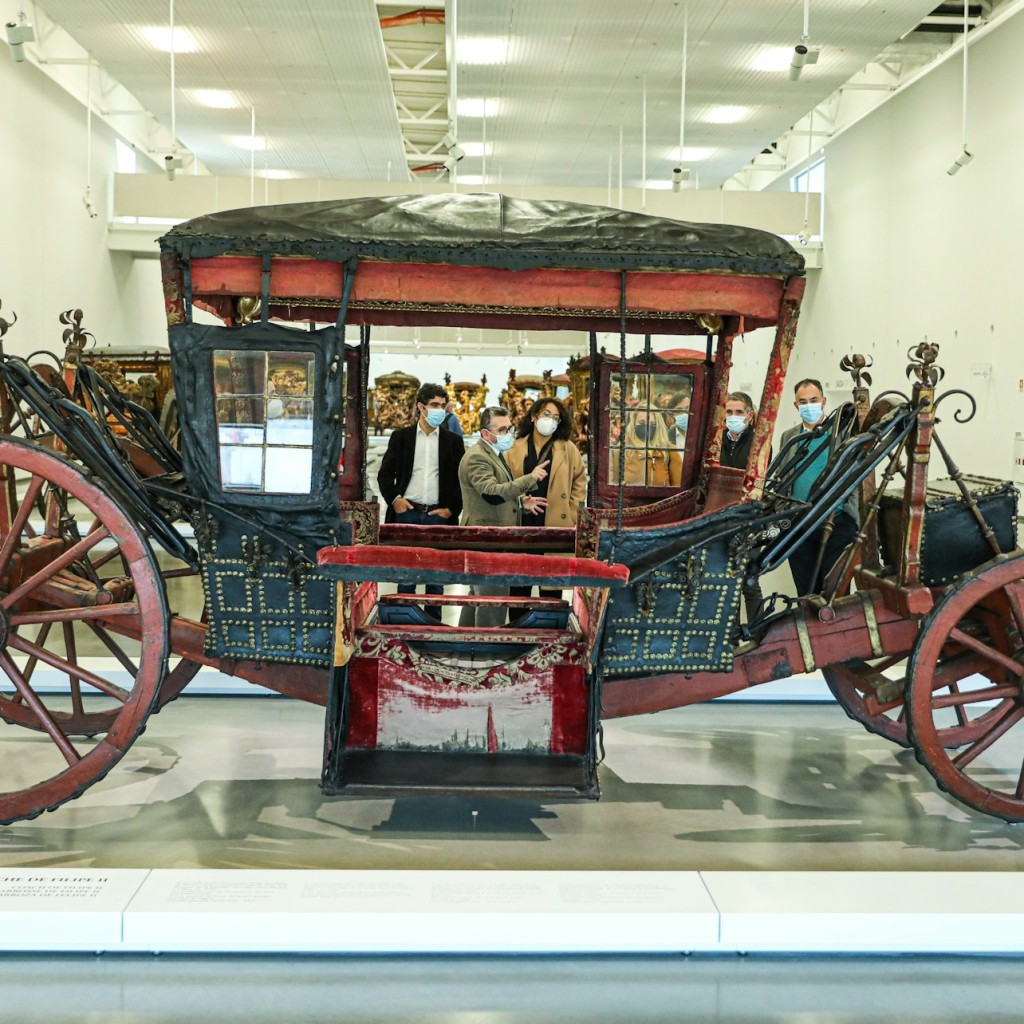
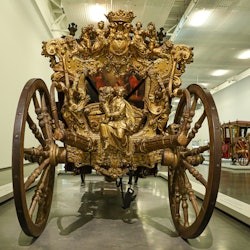
Step into a visual journey through history with these captivating images of the National Coach Museum's magnificent collection. Witness the grandeur and intricate details of royal carriages, captured to inspire your visit.
Explore the opulent world of royal transportation at the National Coach Museum (Museu Nacional dos Coches) in Lisbon. This unique museum houses one of the finest collections of historical carriages in the world, offering a captivating journey through the evolution of horse-drawn vehicles. Visitors can marvel at the extraordinary craftsmanship, intricate details, and lavish decorations of coaches once used by Portuguese royalty and nobility. From gilded ceremonial coaches to practical travel vehicles, each piece tells a story of an era of grandeur and tradition. It's a must-visit for anyone interested in history, art, design, and the rich cultural heritage of Portugal, providing a fascinating glimpse into the lives of past monarchs and the artistry of their time.
There is no strict dress code for visiting the National Coach Museum, but smart casual attire is generally recommended. As with most public cultural institutions, comfortable and respectful clothing is appropriate. Given that you might be walking around for a couple of hours and potentially visiting other sites in Belém, comfortable footwear is advisable. There are no specific restrictions on head coverings or religious attire.
The National Coach Museum stands as a testament to the splendor and societal importance of royal and aristocratic transport in Portugal over several centuries. Situated in the historic Belém district of Lisbon, the museum's collection is unparalleled, featuring an exquisite array of carriages ranging from the 16th to the 19th centuries. These aren't merely vehicles; they are rolling works of art, adorned with elaborate carvings, gilded motifs, rich tapestries, and detailed paintings that reflect the artistic styles and technological advancements of their respective eras. Visitors will encounter magnificent ceremonial coaches used for coronations, royal weddings, and diplomatic events, alongside more modest yet historically significant travelling coaches. The museum's primary aim is to preserve and showcase this remarkable heritage, providing insights into the daily lives, ceremonial practices, and social hierarchies of past Portuguese monarchies. The exhibition is thoughtfully arranged, allowing for a chronological appreciation of design and function, making it an engaging experience for all ages and interests. It truly highlights the pivotal role these vehicles played in historical events and the development of European design and engineering.
Booking National Coach Museum entry tickets online often provides several advantages for visitors. It allows for convenient planning and guarantees your entry on the chosen date, helping you to bypass potentially long queues, especially during peak tourist seasons. Many online options, such as the National Coach Museum Entry Tickets, offer immediate confirmation and e-tickets, streamlining your arrival. Some bundles, like the National Coach Museum & Royal Riding School + Audio City Tour, also provide enhanced value by combining admission with additional experiences, making your visit to Lisbon more comprehensive and hassle-free. Securing your tickets in advance ensures a smoother start to your exploration of this unique collection.
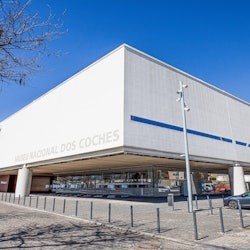
The National Coach Museum's origins trace back to the initiative of Queen Amélia of Orleans and Braganza, wife of King Carlos I, who established the Royal Coach Museum in 1905. It was initially housed in the former Riding Arena of Belém Palace, an 18th-century building designed by Giacomo Azzolini. The museum's core collection was drawn from the Portuguese royal household, comprising an unparalleled array of coaches and carriages accumulated over centuries by the monarchy and nobility. Following the establishment of the Portuguese Republic in 1910, the institution was renamed the National Coach Museum. Its collection continued to grow, eventually outgrowing its original home. In 2015, a new, purpose-built museum building, designed by architect Paulo Mendes da Rocha, was inaugurated adjacent to the old Riding Arena. This modern space now houses the bulk of the permanent collection, providing optimal conditions for display and preservation, while the old Riding Arena is still used for temporary exhibitions and special events, maintaining its historical connection to the collection.
The National Coach Museum generally welcomes visitors from Tuesday to Sunday. Opening hours typically run from mid-morning until late afternoon or early evening. It is commonly closed on Mondays, as well as on major public holidays such as Christmas Day, New Year's Day, and Easter Sunday. Visitors planning their trip should be aware that hours can occasionally change due to special events or maintenance. It is advisable to plan your visit during regular operational days to ensure access to the full collection.
For the most pleasant and uncrowded experience at the National Coach Museum, consider visiting on a weekday, especially during the morning shortly after opening or in the late afternoon. Weekends and public holidays tend to attract more visitors, particularly families and tour groups. Spring (April-May) and autumn (September-October) offer comfortable weather for exploring Belém and generally fewer tourists than the peak summer months. Arriving early allows for a more intimate viewing of the exquisite collection without the rush, enhancing your appreciation of the intricate details and historical significance of each carriage.
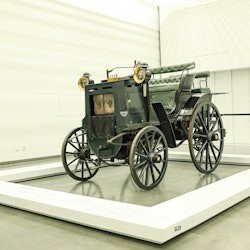
Inside the National Coach Museum, visitors are greeted by an extraordinary display of horse-drawn carriages. The collection spans several centuries, showcasing vehicles from modest utility coaches to magnificently ornate ceremonial models. You will see carriages of state, used for coronations, royal weddings, and diplomatic processions, often resplendent with gold leaf, intricate carvings depicting mythological scenes, and rich velvet interiors. Highlights include the Coaches of the Portuguese Crown, such as the elaborate coaches used by King John V and King Philip II of Spain, renowned for their artistic and historical value. The exhibition also features less grand but equally significant coaches that illustrate the evolution of transport technology and design, alongside period uniforms, riding accessories, and harnesses, providing a complete picture of royal and noble travel.
Plan to spend at least 1.5 to 2.5 hours to fully appreciate the collection. Photography without flash is generally permitted for personal use, but it is always good practice to check for specific signage. The museum is largely accessible, with elevators and ramps in the new building. There are usually restrooms and a small gift shop on-site. Consider purchasing combination tickets if you plan to visit other attractions in Belém. Wear comfortable shoes, as you'll be doing a fair amount of walking both inside the museum and in the surrounding historic district.
To ensure a pleasant experience for all and to preserve the historic collection, visitors are typically asked to adhere to several rules. These usually include refraining from touching the exhibits, keeping a respectful distance from the carriages, and maintaining a moderate noise level. Eating and drinking are generally not allowed inside the exhibition areas. Large bags and backpacks may need to be stored in lockers, if available, or carried at the front of the body. Running or boisterous play is discouraged, particularly for younger visitors. Always follow instructions from museum staff.
The National Coach Museum is undoubtedly worth visiting for its extraordinarily unique collection, which is considered one of the best of its kind globally. It offers a rare window into the ceremonial and practical aspects of royal and noble life across several centuries. The sheer artistry and craftsmanship displayed in the carriages are breathtaking, making it a compelling experience for art and design enthusiasts. Beyond the visual spectacle, the museum provides significant historical context, bringing to life the grandeur of the Portuguese monarchy. It's an enriching cultural experience that stands apart from typical art or history museums, making it a memorable stop in Lisbon.
The National Coach Museum in Lisbon, Portugal, houses one of the world's most impressive collections of royal and noble horse-drawn carriages, coaches, and related items, dating from the 16th to the 19th centuries.
The museum is located in the historic Belém district of Lisbon, easily accessible by public transport.
The museum is generally open from Tuesday to Sunday, typically from mid-morning to late afternoon or early evening, and usually closed on Mondays and some public holidays.
Most visitors spend between 1.5 to 2.5 hours exploring the entire collection.
While specific guided tours may vary, many entry tickets include an audio guide option, such as the Lisbon: E-ticket to the National Coach Museum with Audio Tour, which offers detailed explanations of the exhibits.
Yes, the new museum building is designed with accessibility in mind, featuring elevators and ramps to accommodate visitors with mobility challenges.
Photography for personal use is generally allowed without flash, but visitors are advised to check for specific signage or staff instructions upon entry.
The museum typically has a cafe or vending machines available, and there are many dining options in the surrounding Belém area.
Yes, the museum's impressive and visually striking collection of coaches can be very engaging for children and families, offering a unique historical experience.
The National Coach Museum is easily accessible in Lisbon's Belém district. You can reach it via public transport by taking a tram (e.g., Tram 15E) or a bus that serves the Belém area. Several train lines also stop nearby, at Belém station, from which the museum is a short walk away. Taxis and ride-sharing services are also readily available throughout Lisbon for direct transport.
There is no strict dress code for visiting the National Coach Museum, but smart casual attire is generally recommended. As with most public cultural institutions, comfortable and respectful clothing is appropriate. Given that you might be walking around for a couple of hours and potentially visiting other sites in Belém, comfortable footwear is advisable. There are no specific restrictions on head coverings or religious attire.