아피아안티카 & 로마 언더그라운드 전동자전거 투어아피아안티카 & 로마 언더그라운드 전동자전거 투어 - 1아피아안티카 & 로마 언더그라운드 전동자전거 투어 - 2아피아안티카 & 로마 언더그라운드 전동자전거 투어 - 3

Explore the timeless beauty and historical grandeur of the Appia Antica through these captivating images.

The Appia Antica, or Appian Way, is one of the most historically significant ancient roads in Rome, offering a unique journey through over two millennia of history. This marvel of Roman engineering, once a vital military and economic artery, now serves as an extraordinary open-air museum. Visitors can explore a sprawling archaeological park, tracing the footsteps of emperors, soldiers, and merchants. Whether you choose to walk, cycle, or take a guided tour, the Appia Antica promises an immersive experience amidst ancient ruins, grand mausoleums, subterranean catacombs, and the tranquil Roman countryside. It's a perfect escape from the city's bustle, inviting exploration and reflection on Rome's enduring legacy.

부터79.00
Adult
099 나이
79.00
만나는 장소
Rome
Via Appia Antica 136
운영 시간
The Appia Antica park itself is generally accessible at all times, being an open-air historical route. Specific archaeological sites, museums, and catacombs along the route operate with their own distinct opening hours, often closing on Mondays or specifi
방문 예상 소요 시간
A typical visit to the Appia Antica, including some key sites, can range from 3 to 5 hours, depending on whether you walk, cycle, or join a guided tour.
방문하기 가장 좋은 시간
The best time to visit Appia Antica is during the spring or autumn months, particularly in the mornings, to enjoy pleasant weather and fewer crowds.
주소
The Appia Antica extends southeast from Rome, with a primary access point generally starting near the Porta San Sebastiano and the Catacombs.
복장 규정

For a visit to the Appia Antica, a casual and comfortable dress code is highly recommended. Given that much of the experience involves walking or cycling outdoors on uneven surfaces, practical clothing and sturdy, comfortable shoes are essential. During warmer months, light, breathable fabrics, and a hat for sun protection are advisable. In cooler seasons, layers are best. If you plan to visit any catacombs or religious sites along the way, it is respectful to wear clothing that covers shoulders and knees.

체험 정보 한눈에 보기

포함 내역

  • 전기 자전거 또는 일반 자전거 대여
  • 헬멧 및 잠금 장치 대여
  • 현지 가이드
  • 로마 지하 입장권
  • 판초 (우천 시)

불포함 내역

  • 식음료
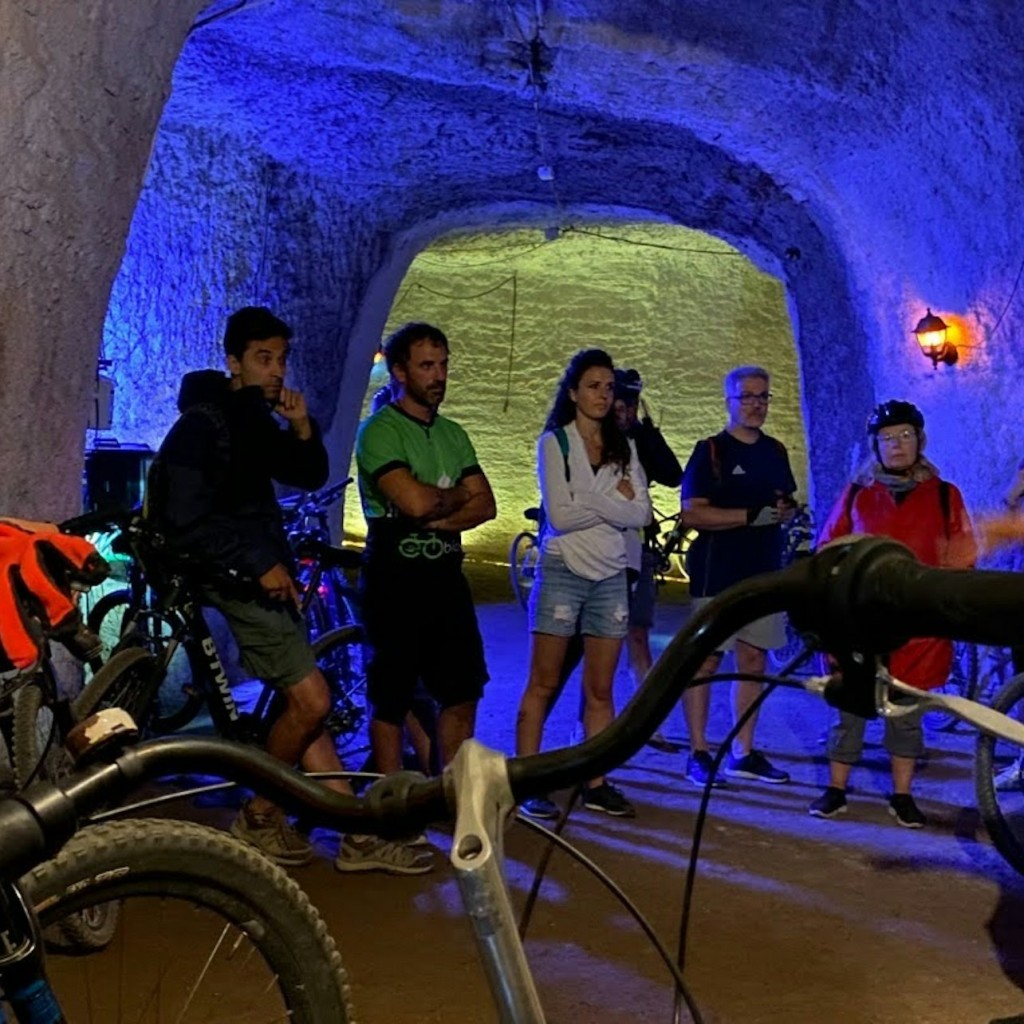
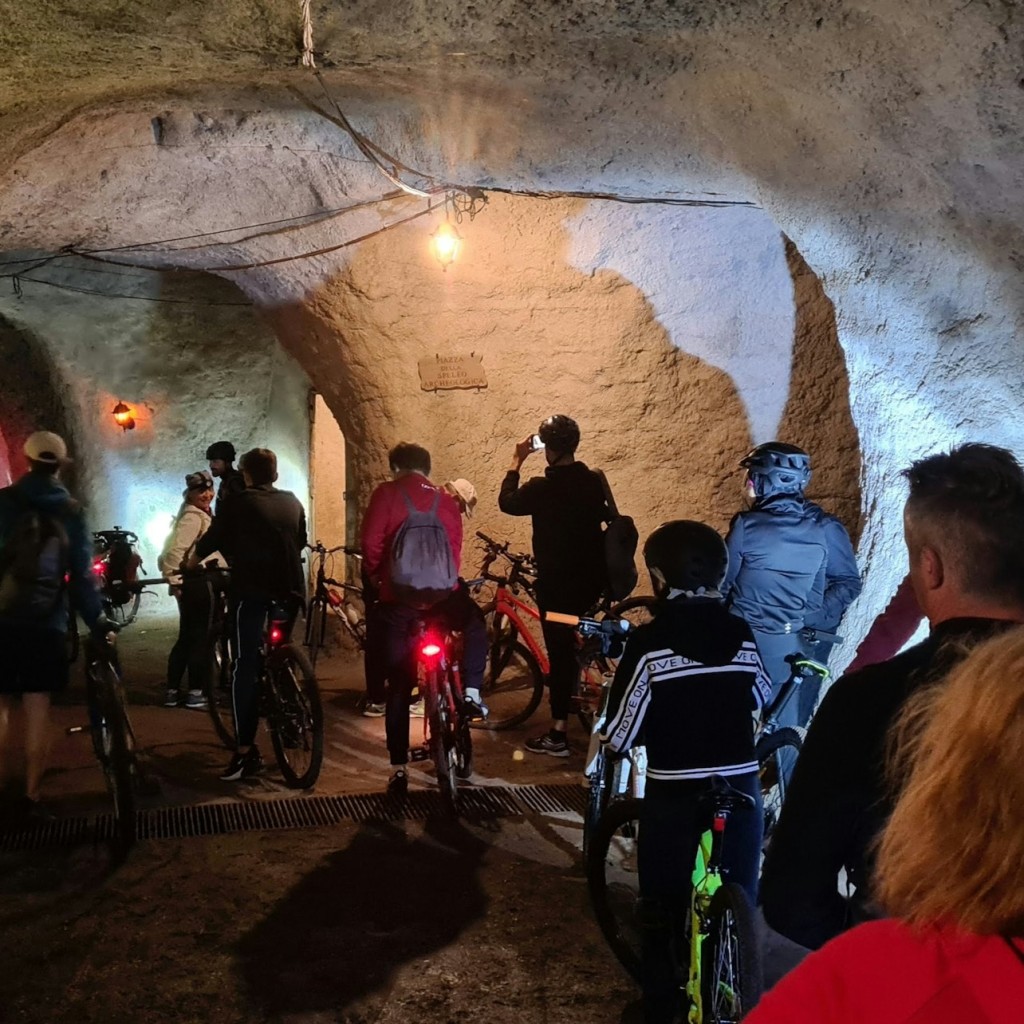
세계에서 가장 오래된 도로 중 하나인 비아 아피아 안티카 (Via Appia Antica) 에서 전기 자전거 투어에 참여해보세요. 로마 전차가 다니던 곳에서 자전거를 타고 기념비적인 무덤, 수로, 고대 저택을 둘러보세요. 카파렐라 공원 (Caffarella Park) 에 있는 로만 채석장 (Roman Quarry) 도 투어의 독특한 부분입니다. 여기에서 핸드 더그 터널을 사이클링할 수 있습니다. 로마를 건설하기 위해 재료를 추출한 지하 경로를 탐험하고 오래 전에 노동자들이 만든 벽을 구경하세요.

기대할 사항

When you visit the Appia Antica, expect a journey back in time across a landscape rich with history and natural beauty. You'll encounter long stretches of the original Roman cobblestone road, winding through fields and pine groves. Along the way, prepare to see impressive ancient ruins, including grand mausoleums, the remnants of Roman villas, and the entrances to subterranean catacombs. The experience is largely outdoors, offering fresh air and panoramic views of the Roman countryside. Whether you choose to walk, rent a bike, or join a guided tour, you can anticipate a serene and educational adventure, combining archaeological exploration with the peaceful ambiance of a historic park.

정보 Appia Antica Rome: Ancient Road & Historical Park

The Appia Antica is much more than just an ancient road; it's a testament to the engineering prowess and historical depth of the Roman Empire. Commissioned in 312 BC by Appius Claudius Caecus, the road originally stretched from Rome to Capua, eventually reaching Brindisi, making it a crucial link for military and trade movements across the Italian peninsula. Today, much of its original cobblestone surface remains, inviting visitors to traverse a landscape dotted with archaeological treasures. The Appian Way Regional Park protects this invaluable heritage, encompassing not only the road itself but also significant sites like the Catacombs of Callisto and Domitilla, the Tomb of Cecilia Metella, the Circus and Villa of Maxentius, and sections of ancient aqueducts. Exploring the Appia Antica offers a serene yet profound connection to Rome's past, allowing for quiet contemplation amidst monumental ruins and picturesque scenery. It's an ideal destination for those seeking a blend of history, nature, and active exploration, far from the urban clamor.

하이라이트

Walk or cycle on original Roman cobblestones, tracing ancient history.
Explore the fascinating subterranean Catacombs of Callisto and Domitilla.
Admire the imposing Tomb of Cecilia Metella and the Circus of Maxentius.
Discover ancient Roman aqueducts remnants in the surrounding park.
Enjoy the serene beauty of the Roman countryside and its archaeological landscape.

온라인으로 예약해야 하는 이유

Booking your Appia Antica experience online ensures convenience and access to a variety of tours and rentals, allowing you to tailor your visit. You can choose from guided tours that include transfers and entry to significant sites like the Catacombs, or opt for e-bike tours that cover more ground, extending to the Roman Underground, Aqueducts, or even Castel Gandolfo. Booking in advance saves time, guarantees your spot, and often provides better rates than on-site purchases. Options like Appia Antica & St. Callisto Catacombs Guided Tour, Appia Antica & Roman Underground E-Bike Tour, or a simple 1-Hour Bike Rental are readily available to enhance your exploration.

역사

The Appia Antica, often hailed as the 'Queen of Roads,' was inaugurated in 312 BC by the censor Appius Claudius Caecus. Its initial purpose was military, providing a direct route for Roman legions from Rome to Capua in Campania during the Samnite Wars. Over centuries, it was extended further south, eventually reaching Brindisi in Apulia, making it the most important commercial and military artery in the Roman Republic and Empire. The road's construction was a marvel of engineering, featuring large, tightly fitted volcanic stones (basalt blocks) laid on a robust foundation, some of which are still visible today. Along its path, wealthy Romans built impressive tombs, mausoleums, and villas, transforming the roadside into a grand necropolis and status symbol. After the fall of the Western Roman Empire, the road fell into disuse and disrepair in many sections, but its historical significance endured. In modern times, efforts have been made to preserve and protect this invaluable heritage, leading to the establishment of the Appia Antica Regional Park, which safeguards its archaeological and natural landscape for future generations.

운영 시간

As an expansive archaeological park, the Appia Antica itself does not have traditional opening and closing hours, meaning the road and its natural surroundings are accessible throughout the day. However, the numerous archaeological sites and catacombs situated along the Appian Way, such as the Catacombs of Callisto or the Tomb of Cecilia Metella, operate with specific visitor hours. These sites typically open in the morning and close in the late afternoon, with many closed on Mondays, Sundays, or for lunch breaks. It is advisable to consider the operating hours of any specific indoor attractions you wish to visit when planning your journey along the Appia Antica.

방문하기 가장 좋은 시간

The ideal time to explore the Appia Antica is during the spring (April-May) and autumn (September-October) when the weather is mild and the natural landscape is particularly beautiful. Mornings are generally best to avoid the heat of midday, especially in summer, and to experience the ancient road in a quieter, more reflective atmosphere before larger crowds arrive. Weekdays might offer a more tranquil experience compared to weekends. Visiting during these periods also provides comfortable conditions for walking or cycling, making it easier to appreciate the extensive historical and natural surroundings.

내부 볼거리

Along the Appia Antica, a wealth of ancient sites awaits discovery. Key attractions include the Catacombs of Callisto, one of the most important and best-preserved early Christian burial sites, and the Catacombs of Domitilla, renowned for its extensive network of underground passages and frescoes. Further along, the monumental Tomb of Cecilia Metella stands as a grand mausoleum from the 1st century BC, a striking example of Roman funerary architecture. Nearby are the ruins of the Circus of Maxentius, a remarkably preserved Roman chariot racing circuit, and the remains of the Imperial Villa of Maxentius. The Appia Antica also passes through or near portions of the Parco degli Acquedotti, where colossal ancient Roman aqueducts can be seen, showcasing Rome's hydraulic engineering feats.

알아두면 좋은 정보

When planning your visit to the Appia Antica, comfortable walking shoes are essential, especially if you plan to explore the ancient cobblestones on foot. Bringing water, snacks, and sun protection (hat, sunscreen) is highly recommended, as shade can be limited along certain stretches. Consider renting a bike or e-bike for a more efficient way to cover the extensive distance and see more sites. Many rental shops are located near the beginning of the park. A map or a GPS-enabled device with the route is useful for navigation. For a deeper understanding of the history and sites, joining a guided tour is highly beneficial, as expert guides can bring the ancient ruins to life with fascinating stories and historical context.

방문객 규칙

Visitors to the Appia Antica Regional Park are encouraged to respect the historical and natural environment. Please stay on designated paths to protect the ancient ruins and vegetation. Littering is strictly prohibited; dispose of all waste properly. picnicking is allowed in designated areas, but open fires are not. Cycling is permitted on the main road, but some smaller archaeological sites or sensitive areas may require dismounting. Dogs are generally allowed but must be kept on a leash. Always be mindful of other visitors and do not disturb the tranquility of the park.

방문할 가치가 있을까요?

The Appia Antica is absolutely worth visiting for anyone seeking a profound connection with ancient Roman history and a refreshing escape into nature. It offers a unique opportunity to walk or cycle directly on the path of emperors and gladiators, exploring an unparalleled open-air museum filled with monumental tombs, historic villas, and early Christian catacombs. Unlike the bustling city center, the Appia Antica provides a tranquil setting where history unfolds amidst picturesque landscapes. It's an ideal destination for history enthusiasts, nature lovers, and those looking for an active, enriching experience beyond the typical tourist attractions.

자주 묻는 질문

What is the Appia Antica?

The Appia Antica, or Appian Way, is one of the most ancient and historically significant Roman roads, built in 312 BC. Today, it's a vast archaeological park allowing visitors to explore ancient ruins, catacombs, and monuments.

How long does it take to visit the Appia Antica?

A visit can range from 3 to 5 hours, depending on whether you walk or cycle, and how many sites you wish to explore. E-bike tours can cover more ground in a shorter time.

Can you bike on the Appia Antica?

Yes, cycling is a very popular way to explore the Appia Antica. You can rent bikes or e-bikes near the park entrance, or join an organized e-bike tour.

Are there guided tours available for the Appia Antica?

Yes, there are many guided tours available, often including transfers from Rome, bike rentals, and entry to key sites like the Catacombs. These tours provide valuable historical context.

What are the main attractions along the Appia Antica?

Key attractions include the Catacombs of Callisto and Domitilla, the Tomb of Cecilia Metella, the Circus of Maxentius, the Villa of the Quintili, and visible sections of ancient aqueducts.

Is there an entrance fee for the Appia Antica?

The Appia Antica Regional Park itself does not have an entrance fee as it is an open public space. However, individual archaeological sites and catacombs along the way, such as the Catacombs of Callisto, require separate tickets.

How far is the Appia Antica from central Rome?

The beginning of the Appia Antica is located just a few kilometers southeast of central Rome, easily accessible by public transport or tour transfers.

오시는 길

To reach the Appia Antica, you can take public transportation from central Rome. A common approach is to take bus 118 or 218 from the city center, which will drop you near the initial stretch of the Appian Way and its prominent sites like the Catacombs of Callisto or the Appia Antica Park Visitor Center. Alternatively, many guided tours include direct transfers, offering a convenient way to access the starting points and key attractions without navigating public transport. Cycling is also a popular way to explore once you arrive.

부터
79.00
1인당
Adult
099 나이
79.00
예약 가능 여부 확인
취소 정책이 옵션에는 무료 취소가 포함되어 있지 않습니다.
만나는 장소
Rome
Via Appia Antica 136
운영 시간
The Appia Antica park itself is generally accessible at all times, being an open-air historical route. Specific archaeological sites, museums, and catacombs along the route operate with their own distinct opening hours, often closing on Mondays or specifi
방문 예상 소요 시간
A typical visit to the Appia Antica, including some key sites, can range from 3 to 5 hours, depending on whether you walk, cycle, or join a guided tour.
방문하기 가장 좋은 시간
The best time to visit Appia Antica is during the spring or autumn months, particularly in the mornings, to enjoy pleasant weather and fewer crowds.
주소
The Appia Antica extends southeast from Rome, with a primary access point generally starting near the Porta San Sebastiano and the Catacombs.
복장 규정

For a visit to the Appia Antica, a casual and comfortable dress code is highly recommended. Given that much of the experience involves walking or cycling outdoors on uneven surfaces, practical clothing and sturdy, comfortable shoes are essential. During warmer months, light, breathable fabrics, and a hat for sun protection are advisable. In cooler seasons, layers are best. If you plan to visit any catacombs or religious sites along the way, it is respectful to wear clothing that covers shoulders and knees.