

포함 내역
- 대기 없이 입장 티켓
- 다운로드 가능한 로마시 오디오 가이드 앱
- 고대 로마 멀티미디어 동영상
- Touristation Aracoeli 사무실에서의 지원
고대 신전과 율리우스 카이사르 암살의 역사적인 장소를 시각적으로 여행하며 라르고 아르헨티나의 시대를 초월한 아름다움을 담아보세요.
라르고 아르헨티나 고고학 지역은 고대 로마를 깊이 엿볼 수 있는 기회를 제공합니다. 현대 도시의 심장부에 위치한 이 인상적인 유적지에는 공화정 시대의 네 개의 신전 유적과 폼페이 극장 유적이 보존되어 있습니다. 기원전 44년 율리우스 카이사르가 암살된 장소로 유명한 라르고 아르헨티나는 중요한 역사적 랜드마크입니다. 방문객들은 발굴되어 현재 접근 가능한 이 고대 건축물들 사이를 걸으며 수 세기의 역사에 몰입할 수 있습니다. 역사적 중요성 외에도, 이 지역은 번성하는 길고양이 군집의 서식지로도 잘 알려져 있어 고대 유적에 독특한 매력을 더합니다. 라르고 아르헨티나를 탐험하는 것은 로마의 다층적인 과거와 연결될 수 있는 비할 데 없는 기회를 제공합니다.
라르고 아르헨티나 고고학 지역을 방문하는 데 특별한 복장 규정은 없습니다. 그러나 야외 고고학 유적지이므로 편안한 의류와 튼튼한 워킹화를 착용하는 것이 강력히 권장됩니다. 날씨에 맞는 복장을 고려하십시오. 화창한 날에는 모자와 선크림이 권장되며, 시원한 계절에는 가벼운 재킷이 유용할 수 있습니다. 특정 노출을 요구하는 종교적인 장소는 아니지만, 역사적인 명소를 방문할 때 정중하게 옷을 입는 것은 항상 적절합니다.
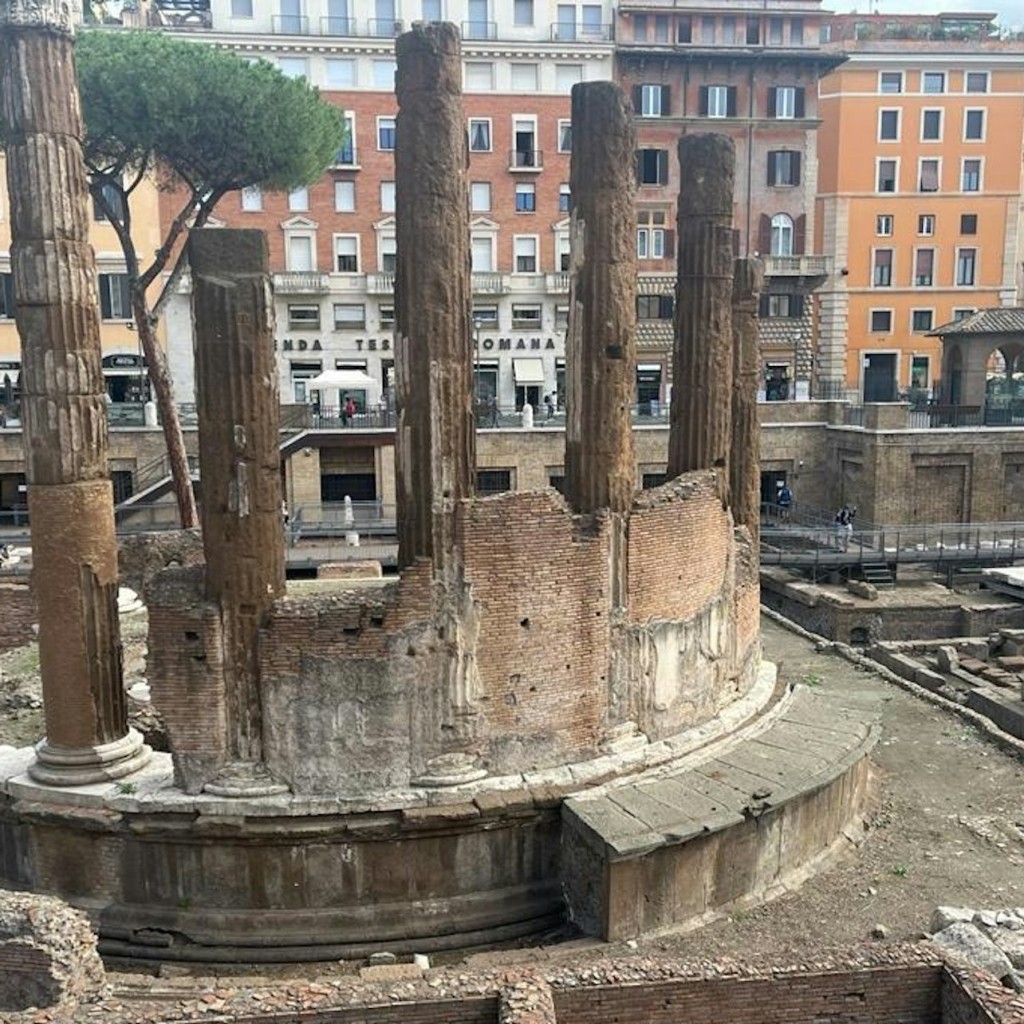
라르고 아르헨티나는 중앙에 특별한 고고학 단지를 드러내는 움푹 들어간 광장입니다. 이 지역은 사크라 구역(성스러운 구역)으로 알려져 있으며, 기원전 4세기에서 2세기 사이의 공화정 시대로 거슬러 올라가는 A, B, C, D로 지정된 네 개의 로마 신전 유적을 품고 있습니다. 특히 B 신전은 원형 형태를 띠며 포르투나 후이우스체 디에이(Fortuna Huiusce Diei)에 헌정되어 있습니다. 이 신전들 옆에는 고대 로마 최초의 영구적인 석조 극장 중 하나인 폼페이 극장과 그 옆에 폼페이 쿠리아가 위치했던 포르티코의 유적이 있습니다. 이 쿠리아에서 원로원 회의 도중 율리우스 카이사르가 비극적인 최후를 맞이했습니다. 이 유적지의 보존 노력 덕분에 새로운 접근성이 확보되어 방문객들이 유적 사이를 직접 걸으며 더 가까이서 관찰할 수 있게 되었습니다. 라르고 아르헨티나의 독특한 측면은 고양이 보호소로서의 역할인데, 전용 비영리 단체가 고대 돌을 집으로 삼은 수백 마리의 고양이를 돌보고 있어 역사와 현대 생활이 조화를 이루는 곳입니다.
라르고 아르헨티나 고고학 지역의 티켓을 온라인으로 예약하면 매끄럽고 효율적인 방문을 시작할 수 있습니다. 줄 서지 않고 입장할 수 있는 티켓을 이용하면 대기 시간을 건너뛰고 이 중요한 역사적인 장소에 바로 입장할 수 있습니다. 이는 귀중한 시간을 절약하여 고대 사원과 율리우스 카이사르 암살의 전설적인 장소를 최대한 탐험할 수 있도록 해줍니다. 온라인 예약은 특히 성수기 동안 입장을 보장하여, 도착 시 티켓을 구매하는 번거로움 없이 편안하고 순조로운 여행 경험을 제공합니다.
라르고 아르헨티나의 역사는 공화정 로마의 발전과 깊이 얽혀 있습니다. 이 유적지는 한때 광대한 공공 장소였던 캄푸스 마르티우스의 일부였습니다. 네 개의 사원은 기원전 4세기부터 2세기까지 거슬러 올라갑니다. 사원 C는 기원전 4세기경의 가장 오래된 사원으로, 페로니아에게 헌정되었을 가능성이 높습니다. 사원 A는 기원전 3세기경의 것으로, 유투르나를 기렸을 것입니다. 사원 D 역시 기원전 3세기경의 것으로, 라레스 페르마리니에게 헌정되었습니다. 원형 사원인 사원 B는 퀸투스 루타티우스 카툴루스가 킴브리족에 대한 승리 후 기원전 101년에 건축했으며, 포르투나 후이우스케 디에이에게 헌정되었습니다. 이 사원들 옆에는 기원전 55년에 개장한 폼페이 극장이 있었는데, 이는 로마 최초의 영구 석조 극장이었으며, 광대한 포르티코 복합 단지와 회의장인 폼페이 원로원 의사당(Curia Pompeii)도 함께 있었습니다. 바로 이 원로원 의사당에서 기원전 44년 3월 15일(3월의 이데스)에 율리우스 카이사르가 원로원 의원들에 의해 암살당했습니다. 이 유적지는 수세기 동안 묻혀 잊혀졌다가 1920년대 도시 개발 중에 발굴이 시작되어 고대 보물들을 드러냈습니다.
라르고 아르젠티나 유적지는 일주일 내내 방문객을 맞이하지만, 특정 개장 및 폐장 시간은 계절에 따라 달라질 수 있습니다. 봄과 여름철에는 일반적으로 오전 9시 30분부터 오후 7시까지 연장 운영됩니다. 가을과 겨울에는 운영 시간이 단축되어 일반적으로 오후 4시 또는 오후 5시에 폐장합니다. 유적지를 충분히 둘러보려면 폐장 시간 전에 충분한 시간을 할애하는 것이 좋습니다. 일부 공휴일에는 운영 시간이 변경될 수도 있습니다.
최적의 조건에서 라르고 아르헨티나 고고학 지역을 온전히 즐기려면 봄(4월-5월) 또는 가을(9월-10월)에 방문하는 것을 고려하세요. 이 시기의 날씨는 일반적으로 온화하고 쾌적하여 야외 탐험에 완벽합니다. 개장 직후 평일 오전이나 폐장 전 늦은 오후는 많은 인파를 피하기에 이상적입니다. 특히 여름에는 한낮이 붐비고 더울 수 있습니다. 성수기를 피해 방문하면 더욱 평온한 경험을 할 수 있으며, 역사적 중요성을 더 깊이 이해할 수 있습니다.
라르고 아르헨티나 고고학 지역 내부에서는 각기 다른 역사와 공화정 시대의 건축 양식을 지닌 네 개의 로마 사원의 잘 보존된 기초와 잔해를 만나볼 수 있습니다. 유투르나에게 헌정되었을 것으로 추정되는 사원 A, 포르투나 후이우스케 디에이에게 헌정된 원형 사원 B, 가장 오래된 페로니아에게 헌정된 사원 C, 그리고 라레스 페르마리니에게 헌정된 사원 D가 있습니다. 사원들을 넘어, 폼페이 극장의 눈에 띄는 유적, 특히 율리우스 카이사르가 암살당한 포르티코와 폼페이 원로원 의사당(Curia Pompeii)을 볼 수 있습니다. 탐방로는 이러한 고대 건축물들과 가까이 교감할 수 있도록 합니다. 또한, 이곳은 수백 마리의 길고양이들의 안식처로, 고양이들이 유적 사이를 자유롭게 거닐며 고대 돌에 생동감 넘치는 요소를 더해줍니다.
라르고 아르헨티나 방문을 계획할 때, 고대 유적지의 고르지 않은 표면을 걷게 되므로 편안한 신발을 착용하는 것이 강력히 권장됩니다. 특히 따뜻한 계절에는 수분 섭취가 중요하므로 물병을 가져가는 것을 고려해 보세요. 줄 서지 않고 입장할 수 있는 옵션을 포함한 티켓은 일반적으로 온라인에서 구매할 수 있습니다. 이 유적지는 비교적 아담하여 가족을 포함한 대부분의 방문객이 둘러보기에 좋습니다. 이곳이 고양이 보호구역이지만, 고양이들의 복지와 유적지의 고고학적 보존을 위해 고양이에게 먹이를 주는 것은 일반적으로 권장되지 않습니다. 사진 촬영은 허용되지만, 항상 다른 방문객과 유적의 취약성에 유의하십시오.
라르고 아르헨티나 고고학 지역 방문객들은 유적지를 보존하고 모두에게 쾌적한 경험을 제공하기 위해 특정 규칙을 준수해야 합니다. 지정된 통로에 머무르고 고대 건축물에 올라가지 마십시오. 쓰레기 투기는 엄격히 금지되며, 방문객들은 지정된 쓰레기통에 폐기물을 버려야 합니다. 유적지의 역사적 중요성에 대한 존중이 가장 중요합니다. 큰 소리를 내거나 방해되는 행동을 삼가십시오. 일반적으로 애완동물은 허용되지 않으며, 안내견은 예외입니다. 모든 전문 사진 또는 비디오 촬영은 특별 허가가 필요할 수 있습니다.
라르고 아르헨티나 고고학 지역은 심오한 역사적 중요성과 활기찬 현대 생활이 독특하게 조화를 이루고 있어 방문할 가치가 충분합니다. 이곳은 고대 로마를 문자 그대로 걸어 다니며 잘 보존된 공화정 시대 신전들을 탐험하고 율리우스 카이사르 암살과 관련된 바로 그 장소에 서 볼 수 있는 희귀한 기회를 제공합니다. 역사적 무게 외에도, 사랑받는 고양이 보호구역의 존재는 예상치 못한 매력적인 차원을 더하여 진정으로 독특한 로마 경험을 선사합니다. 이곳은 도시의 여러 층으로 이루어진 과거에 대한 접근 가능한 통찰력을 제공하는 핵심적인 고고학적 보석입니다.
로마 중심부에 있는 고대 로마 유적지로, 공화정 시대의 네 개 신전 유적과 율리우스 카이사르 암살로 유명한 폼페이우스 극장의 흔적이 남아 있습니다.
이탈리아 로마 중심부, 유명한 광장인 토레 아르헨티나 광장(Largo di Torre Argentina)에 위치해 있습니다.
네, 최근 접근성 개선으로 방문객들이 지정된 통로를 통해 고대 건축물들 사이를 직접 걸으며 더 가까이서 볼 수 있게 되었습니다.
기원전 44년 율리우스 카이사르가 암살당한 장소로 가장 유명합니다. 암살은 폼페이우스 극장 옆에 있던 폼페이우스 쿠리아에서 발생했으며, 그 유적이 이곳에 남아있습니다.
네, 헌신적인 자원봉사 단체가 돌보는 많은 길고양이들의 서식지이며, 독특한 역사 유적지이자 동물 보호구역입니다.
일반적으로 1~2시간 정도 소요되며, 유적지를 둘러보고 역사에 대해 배우기에 충분한 시간입니다.
네, 고고학 지역의 접근 가능한 구역에 입장하려면 티켓이 필요합니다. 온라인으로 예약하는 것을 권장하며, 줄 서지 않고 입장할 수 있는 옵션도 있습니다.
이 유적지에는 기원전 4세기부터 2세기까지의 로마 신전 4개(A, B, C, D 신전)의 유적이 있으며, 각 신전은 고유한 역사적 봉헌을 가지고 있습니다.
라르고 아르젠티나 유적지는 대중교통으로 쉽게 갈 수 있습니다. 여러 버스 노선(예: 8, 40, 46, 62, 64, 70, 81, 87, 186, 492, 628, 629, 640번)이 라르고 아르젠티나에 바로 정차합니다. 가장 가까운 트램 정류장도 라르고 아르젠티나(트램 8번)입니다. 지하철로 오실 경우, 가장 가까운 역은 콜로세오(B선) 또는 스파냐(A선)이며, 두 역 모두 도보 또는 연결 버스 탑승이 필요합니다. 이 유적지는 주변에서 쉽게 알아볼 수 있는 유명한 랜드마크이며, 로마 중심부의 다른 많은 명소에서도 도보로 이동할 수 있는 거리에 있습니다.
라르고 아르헨티나 고고학 지역을 방문하는 데 특별한 복장 규정은 없습니다. 그러나 야외 고고학 유적지이므로 편안한 의류와 튼튼한 워킹화를 착용하는 것이 강력히 권장됩니다. 날씨에 맞는 복장을 고려하십시오. 화창한 날에는 모자와 선크림이 권장되며, 시원한 계절에는 가벼운 재킷이 유용할 수 있습니다. 특정 노출을 요구하는 종교적인 장소는 아니지만, 역사적인 명소를 방문할 때 정중하게 옷을 입는 것은 항상 적절합니다.