팔라초 브라스키 - 로마 박물관팔라초 브라스키 - 로마 박물관 - 1팔라초 브라스키 - 로마 박물관 - 2팔라초 브라스키 - 로마 박물관 - 3

Explore a visual journey through the magnificent Museo di Roma at Palazzo Braschi, showcasing its grand architecture, stunning art collections, and historical charm.

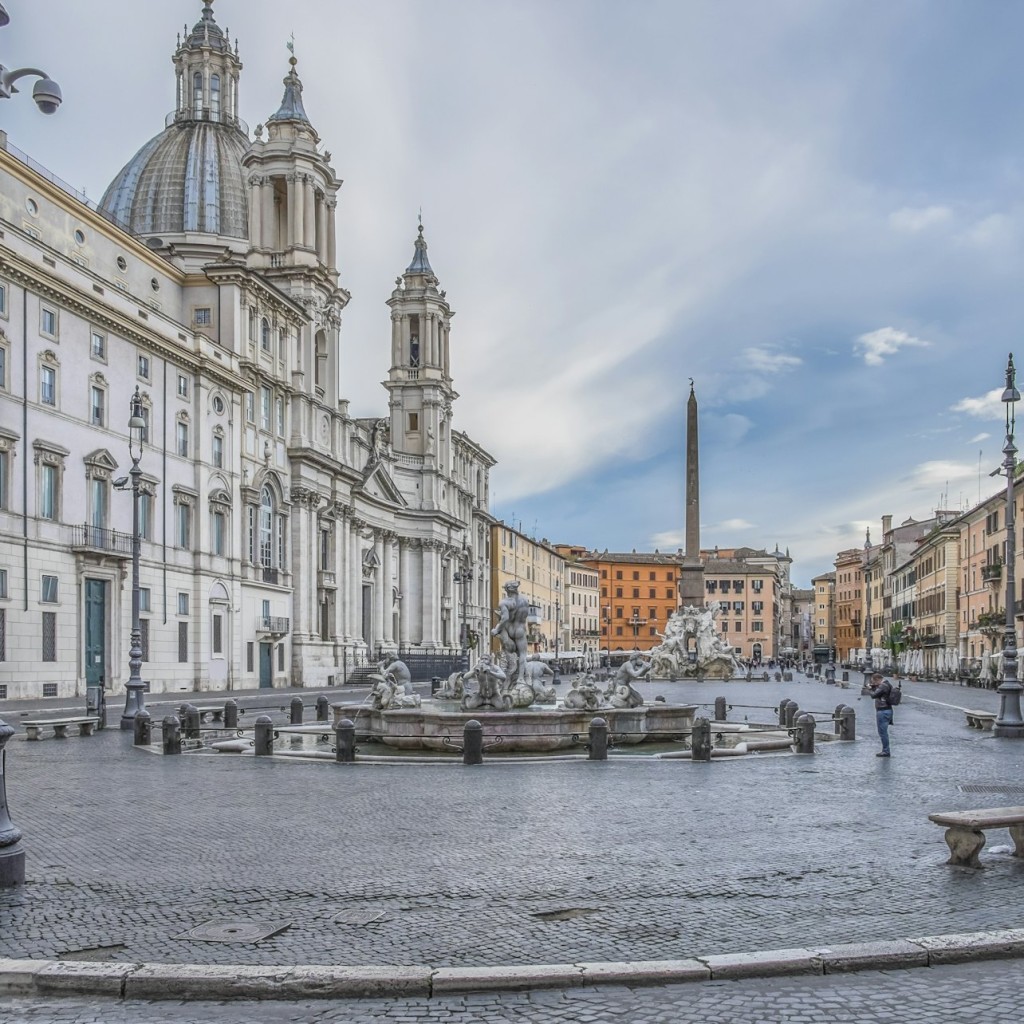
Nestled in the heart of Rome, the Museo di Roma at Palazzo Braschi offers a deep dive into the Eternal City's rich artistic and cultural heritage. Housed within a magnificent neoclassical palace overlooking the iconic Piazza Navona, this museum provides a unique perspective on Rome's evolution from the 18th to the 20th century. Visitors can explore an extensive collection of paintings, sculptures, drawings, engravings, and decorative arts, all meticulously curated to tell the story of Roman life and society. It's a journey through time, showcasing the city's transformation through various historical periods, making it an essential stop for anyone interested in understanding the true essence of Rome beyond its ancient ruins.

부터15.00
Default - Permanent Collection (6+)
099 나이
15.00
Permanent Collection (6+)
099 나이
15.00
만나는 장소
Rome
10,Piazza di San Pantaleo
운영 시간
The Museo di Roma - Palazzo Braschi is typically open from Tuesday to Sunday, with specific hours varying by season. It is generally closed on Mondays.
방문 예상 소요 시간
Most visitors spend approximately 2 to 3 hours exploring the collections and the palace's architecture.
방문하기 가장 좋은 시간
The best time to visit is during the shoulder seasons (spring and autumn) or on weekday mornings to avoid larger crowds.
주소
The museum is located in the historic Palazzo Braschi, overlooking Piazza San Pantaleo and very close to Piazza Navona, in the heart of Rome.
복장 규정

There is no formal dress code for visiting the Museo di Roma - Palazzo Braschi. However, as it is a cultural institution and an important historical site, modest and respectful attire is generally recommended. Comfortable clothing and footwear are advisable, given the amount of walking involved in exploring the extensive collections and multiple floors of the palace. During warmer months, light clothing is suitable, while in cooler seasons, a jacket or sweater is recommended.

체험 정보 한눈에 보기

포함 내역

  • 팔라초 브라스키 궁전 입장
  • 기획 전시 입장 가능 (선택 시)
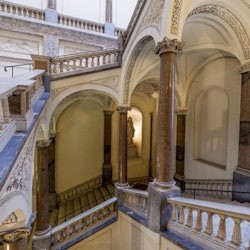
로마 박물관 팔라초 브라스키 (Palazzo Braschi) 를 방문하여 다양한 회화, 드로잉, 사진, 동상, 가구 및 의상을 감상하세요. 이 궁전은 건축가 코시모 모렐리 (Cosimo Morelli) 가 설계했으며, 주세페 발라디에 (Giuseppe Valadier) 가 설계한 칼리굴라 황제가 원래 사용했던 18개의 붉은 화강암 기둥이 있는 계단이 있습니다. 위층의 전시 공간에는 빈치스의 산타마리아 성당의 중세 프레스코화 조각과 중세 성 베드로 대성당의 모자이크 등 예술과 공예품이 전시되어 있습니다. 교황 가족의 초상화 흉상, 조반니 파올로 파니니 (Giovanni Paolo Pannini) 와 바르톨로메오 피넬리 (Bartolomeo Pinelli) 의 로마 의식을 보여주는 그림, 사진, 가구, 의류, 세단 의자, 도자기 컬렉션도 볼 수 있습니다. 현장에 있는 카페에서 나보나 광장으로 바로 이동할 수 있습니다.

기대할 사항

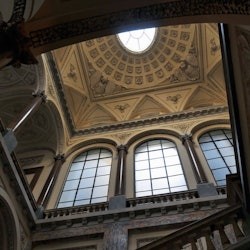
Upon entering Museo di Roma - Palazzo Braschi, you can expect to be transported into an elegant world of Roman art and history. The experience begins with the impressive neoclassical architecture of the palace itself, featuring grand staircases and beautifully decorated salons. As you move through the various floors, you will encounter diverse collections ranging from fine art paintings and sculptures to intricate decorative arts and historical photographs. The exhibits are thoughtfully arranged to guide you through different periods of Roman history, offering insights into the city's social, political, and cultural transformations. You can anticipate a calm and informative atmosphere, suitable for leisurely exploration, with ample opportunities to admire both the exhibits and the stunning palace interiors, including occasional views of Piazza Navona from its windows.

정보 Museo di Roma - Palazzo Braschi: Art, History & Culture

The Museo di Roma at Palazzo Braschi is a prominent cultural institution dedicated to preserving and exhibiting the art and history of Rome. Its vast collections encompass a wide range of artifacts, including masterpieces from renowned artists that depict Roman landscapes, daily life, and significant historical events. Beyond the paintings and sculptures, the museum also features rich photographic archives, period costumes, and decorative arts, providing a comprehensive panorama of the city's social and artistic fabric. The palace itself is a work of art, a grand 18th-century structure built for the powerful Braschi family, and its opulent interiors offer a fitting backdrop for the treasures it houses. Visitors will find themselves wandering through elegant halls and grand salons, each telling a story of aristocratic life and the flourishing arts in Rome. The museum's exhibitions often rotate, ensuring a fresh experience for repeat visitors while always maintaining a core focus on Roman identity and urban development. It serves as a vital resource for scholars and a captivating destination for tourists seeking to connect with the city's vibrant past.

하이라이트

Explore the opulent neoclassical architecture of Palazzo Braschi, a grand 18th-century palace.
Discover extensive collections of paintings, sculptures, and decorative arts detailing Roman life.
Admire views of Piazza Navona and other historic Roman sites from the palace windows.
Journey through Rome's history from the 18th to the 20th century through diverse exhibits.
See unique historical photographs and documents showcasing the city's evolution.

온라인으로 예약해야 하는 이유

Booking your Museo di Roma - Palazzo Braschi tickets online offers numerous advantages for a seamless visit. By purchasing in advance, you can secure your preferred entry time, which helps in planning your itinerary efficiently, especially during peak tourist seasons. Online tickets often allow for expedited entry, saving you valuable time that would otherwise be spent waiting in queues at the entrance. It also provides the convenience of having your tickets ready on your mobile device, reducing the hassle of physical ticket handling. Guaranteeing your admission ahead of time ensures a smooth and stress-free start to your exploration of Rome's rich history and art.

역사

The history of Palazzo Braschi, which now houses the Museo di Roma, is as rich and intricate as the collections within its walls. Construction of this grand neoclassical palace began in 1791 for Duke Luigi Braschi Onesti, nephew of Pope Pius VI. Designed by architect Cosimo Morelli, the palace was intended to be a magnificent symbol of the Braschi family's prestige and influence in late 18th-century Rome. However, due to political upheavals and financial difficulties during the Napoleonic era, its construction faced numerous interruptions and was only completed in 1811 under the guidance of Giuseppe Valadier. For decades, it remained a prominent aristocratic residence, known for its lavish parties and significant art collection. By the late 19th century, the Braschi family faced economic hardship, leading to the gradual sale of its contents. In 1871, the Italian state acquired the palace, which then served various purposes, including housing government offices and a military barracks. In 1952, following extensive renovations, Palazzo Braschi was officially inaugurated as the Museo di Roma, with the mission to document and narrate the modern and contemporary history of the city, bringing together collections previously scattered across other civic museums.

운영 시간

The Museo di Roma - Palazzo Braschi typically welcomes visitors from 10:00 AM to 7:00 PM, Tuesday through Sunday. Last entry is usually one hour before closing. It is generally closed on Mondays, as well as on major public holidays such as January 1st, May 1st, and December 25th. Specific opening hours and closing days can be subject to change, especially for special exhibitions or events. It is advisable to consider visiting earlier in the day to enjoy a more tranquil experience before the afternoon crowds arrive.

방문하기 가장 좋은 시간

To fully appreciate the Museo di Roma - Palazzo Braschi and its extensive collections, consider visiting during the quieter shoulder seasons of spring (April-May) or autumn (September-October), when the weather in Rome is pleasant and tourist numbers are generally lower than in summer. Weekday mornings, shortly after opening, are typically the least crowded times, allowing for a more intimate viewing of the exhibits and the splendid palace interiors. Avoiding weekends and public holidays can help you bypass larger groups and enjoy a more relaxed pace. Early afternoons can also be a good option if you prefer to avoid the morning rush.

내부 볼거리

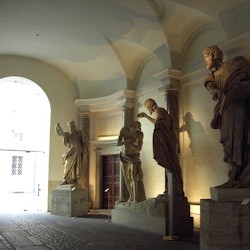
Inside the Museo di Roma at Palazzo Braschi, visitors are greeted by a diverse array of collections spanning several centuries of Roman history and art. The museum's permanent exhibitions are dedicated to portraying the life and urban development of Rome, primarily from the 18th century to the mid-20th century. You can marvel at an impressive selection of paintings by artists like Ippolito Caffi and Bartolomeo Pinelli, depicting iconic Roman scenes, ancient ruins, and daily city life. Sculptures, including works by Canova, add to the artistic richness, while a vast collection of drawings, prints, and photographs provides intimate glimpses into historical events and the changing cityscape. Don't miss the decorative arts, such as period furniture, ceramics, and textiles, which illustrate the elegance of Roman aristocratic homes. Temporary exhibitions also frequently showcase specific aspects of Roman culture or renowned artists, offering fresh perspectives on the Eternal City's heritage.

알아두면 좋은 정보

When planning your visit to Museo di Roma - Palazzo Braschi, be aware that tickets are required for entry and can be purchased online or at the museum. The museum has facilities such as restrooms, and accessibility features are generally provided for visitors with mobility needs, including elevators to access different floors. Photography for personal use is usually permitted within the permanent collection areas, but flash photography is often prohibited, and special restrictions may apply to temporary exhibitions. A cloakroom service is typically available for larger bags and umbrellas. Consider wearing comfortable shoes as you will be doing a fair amount of walking through the palace's many rooms and halls.

방문객 규칙

To ensure a pleasant experience for all, visitors are asked to adhere to standard museum etiquette. Please refrain from touching artworks and exhibits. Food and drinks are not permitted within the exhibition halls. Large bags, backpacks, and umbrellas must be deposited in the cloakroom. Running, loud conversations, and disruptive behavior are discouraged. Flash photography is generally prohibited, and tripods are usually not allowed without prior authorization. Visitors should follow the directions of museum staff and respect all posted signage throughout the palace.

방문할 가치가 있을까요?

Museo di Roma - Palazzo Braschi is undoubtedly worth visiting for anyone eager to delve into the rich tapestry of Roman history and art beyond its ancient ruins. It offers a unique window into the city's modern evolution, showcasing exquisite artworks, historical artifacts, and the grandeur of an 18th-century aristocratic palace. The museum's strategic location overlooking Piazza Navona also makes it an ideal complement to exploring the surrounding historical center. It provides a fascinating narrative of Roman life, society, and artistic achievements, making it a compelling cultural experience that enriches your understanding of the Eternal City.

자주 묻는 질문

What is the Museo di Roma - Palazzo Braschi?

It is a museum dedicated to the art, history, and culture of Rome, primarily from the 18th to the 20th century, housed in the beautiful neoclassical Palazzo Braschi.

Where is the Museo di Roma - Palazzo Braschi located?

It is centrally located in Rome at Piazza San Pantaleo, very near to the iconic Piazza Navona.

What types of collections can I see at the museum?

The museum features paintings, sculptures, drawings, engravings, photographs, decorative arts, and period furniture, all illustrating Roman life and urban development.

Are tickets required to enter Palazzo Braschi?

Yes, tickets are required for entry to the Museo di Roma. It is recommended to book them online in advance.

Is the Museo di Roma - Palazzo Braschi accessible for visitors with disabilities?

The museum generally provides accessibility features, including elevators, to assist visitors with mobility needs in navigating the different floors.

How long does a typical visit to the museum take?

Most visitors spend between 2 to 3 hours exploring the permanent collections and the palace's architecture.

Is photography allowed inside the museum?

Photography for personal use is usually permitted in the permanent collection areas, but flash photography is generally prohibited. Restrictions may apply to temporary exhibitions.

오시는 길

The Museo di Roma - Palazzo Braschi is centrally located and easily accessible by public transport. You can reach it via several ATAC bus lines (e.g., lines 64, 81, 87, 492) with stops a short walk away. The closest metro station is 'Spagna' on Line A, followed by a pleasant walk through the historic center, or 'Colosseo' on Line B, requiring a slightly longer walk or a connecting bus. Walking from major attractions like Piazza Navona or Campo de' Fiori takes only a few minutes. Taxis and ride-sharing services can also drop you directly at Piazza San Pantaleo.

부터
15.00
1인당
Default - Permanent Collection (6+)
099 나이
15.00
Permanent Collection (6+)
099 나이
15.00
예약 가능 여부 확인
취소 정책이 옵션에는 무료 취소가 포함되어 있지 않습니다.
만나는 장소
Rome
10,Piazza di San Pantaleo
운영 시간
The Museo di Roma - Palazzo Braschi is typically open from Tuesday to Sunday, with specific hours varying by season. It is generally closed on Mondays.
방문 예상 소요 시간
Most visitors spend approximately 2 to 3 hours exploring the collections and the palace's architecture.
방문하기 가장 좋은 시간
The best time to visit is during the shoulder seasons (spring and autumn) or on weekday mornings to avoid larger crowds.
주소
The museum is located in the historic Palazzo Braschi, overlooking Piazza San Pantaleo and very close to Piazza Navona, in the heart of Rome.
복장 규정

There is no formal dress code for visiting the Museo di Roma - Palazzo Braschi. However, as it is a cultural institution and an important historical site, modest and respectful attire is generally recommended. Comfortable clothing and footwear are advisable, given the amount of walking involved in exploring the extensive collections and multiple floors of the palace. During warmer months, light clothing is suitable, while in cooler seasons, a jacket or sweater is recommended.