

포함 내역
- 액세스 Scuola Grande dei Carmini
Explore a visual journey through the exquisite art and architecture of the Scuola Grande dei Carmini, capturing its historical grandeur and artistic masterpieces.
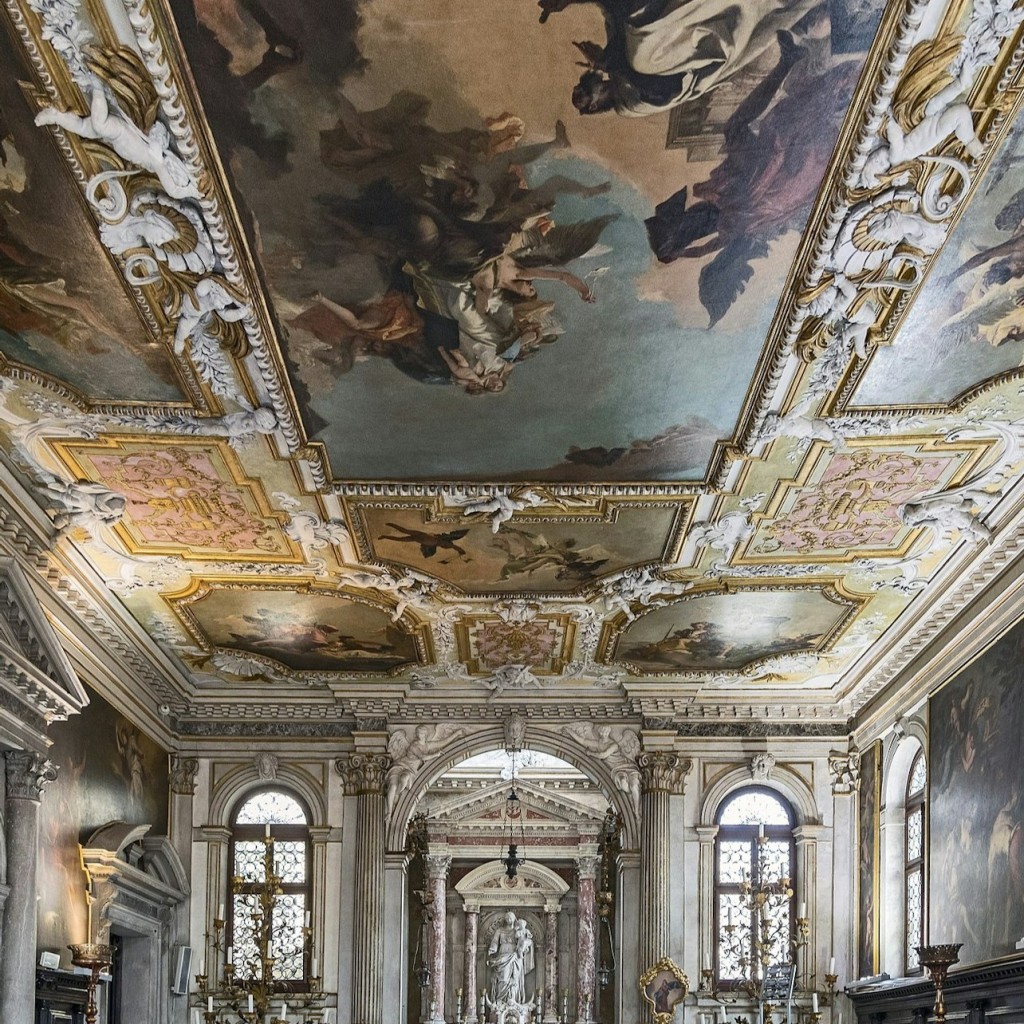
Step into the Scuola Grande dei Carmini, a magnificent example of Venetian confraternity architecture and art. Located in the lively Dorsoduro district, this historic building invites visitors to explore its richly decorated halls, which house an exceptional collection of artworks from the 17th and 18th centuries. Dominated by the stunning ceiling frescoes by Giambattista Tiepolo in the Chapter Hall, the Scuola offers a profound glimpse into Venice's artistic and religious heritage. It served as a charitable and devotional institution for centuries, and today stands as a testament to the city's enduring cultural legacy, offering a serene and beautiful experience away from the busiest tourist paths.
As a site with significant religious and historical importance, a respectful dress code is recommended when visiting the Scuola Grande dei Carmini. Modest attire is generally appreciated. This means covering shoulders and knees, and avoiding overly revealing clothing. While there isn't a strict enforcement like in some religious venues, dressing appropriately contributes to a respectful atmosphere within this venerable institution.
The Scuola Grande dei Carmini is one of the six historic 'Scuole Grandi' of Venice, confraternities that played a significant role in the city's social, religious, and artistic life. Founded in 1594, the Scuola Grande dei Carmini was dedicated to the Virgin of Mount Carmel and focused on charitable works and the spiritual guidance of its members. The current building, constructed between 1668 and 1680, is a masterpiece of Baroque architecture, primarily designed by Baldassare Longhena. Its interior is a treasure trove of Venetian art, most notably the sublime cycle of ceiling paintings by Giovanni Battista Tiepolo, completed between 1739 and 1749. These frescoes depict episodes from the life of the Virgin and allegories related to the Carmelite order, showcasing Tiepolo's extraordinary skill in creating dynamic, luminous, and illusionistic compositions. Beyond Tiepolo's works, the Scuola features pieces by other prominent Venetian artists like Giambattista Piazzetta, Niccolò Bambini, and Antonio Zanchi, offering a comprehensive view of the artistic flourishing during this period. The Scuola continues to function as a confraternity, maintaining its historical traditions and serving as a custodian of its artistic patrimony.
Booking your Scuola Grande dei Carmini entry ticket online offers a streamlined way to plan your visit, ensuring a smoother experience. By securing your admission in advance, you can save time upon arrival, bypassing potential queues and gaining direct entry. This convenient option allows you to manage your itinerary effectively, especially during peak travel seasons, and provides peace of mind knowing your visit is confirmed. It's a simple step to guarantee your opportunity to explore this artistic gem at your preferred time, without any last-minute hassles.
The history of the Scuola Grande dei Carmini traces back to 1594 when the Confraternity of the Carmini was established in Venice, dedicated to the Virgin of Mount Carmel. Like other Scuole Grandi, it was a lay confraternity focused on charitable work, mutual aid among its members, and the promotion of religious devotion. Initially, the confraternity occupied a smaller space, but its growing prestige and membership led to the decision to construct a grander, more suitable headquarters. The present magnificent building was erected between 1668 and 1680, primarily under the architectural genius of Baldassare Longhena, one of Venice's most celebrated Baroque architects, with finishing touches by his pupil, Giuseppe Sardi. Over the centuries, the Scuola Grande dei Carmini became a significant patron of the arts, commissioning works from leading Venetian masters. Its most famous artistic contribution, the breathtaking ceiling cycle by Giambattista Tiepolo in the Chapter Hall, was completed between 1739 and 1749. Despite the suppression of religious orders during the Napoleonic era, the Scuola Grande dei Carmini managed to retain its original function and much of its artistic heritage, a rarity among Venetian Scuole. Today, it remains an active confraternity and a remarkable museum, preserving its rich legacy for future generations.
The Scuola Grande dei Carmini typically opens its doors to visitors on most days of the week, often with consistent morning and afternoon schedules. However, specific opening and closing times can vary seasonally or on public holidays, and there might be occasional closures for special events or maintenance. It is generally open from late morning until early evening. To make the most of your visit, consider arriving during the stated opening hours and allocate sufficient time, as access may be limited during the final hour before closing.
To fully appreciate the serene beauty and artistic grandeur of the Scuola Grande dei Carmini, consider visiting during the quieter periods. Weekdays, particularly in the late morning after opening or in the early afternoon, tend to be less crowded than weekends. Autumn and spring months (April-May, September-October) offer pleasant weather for exploring Venice and generally fewer visitors compared to the peak summer season. Visiting outside of major public holidays can also enhance your experience, allowing for a more intimate encounter with the artwork, especially Tiepolo's magnificent frescoes, without significant interruptions.
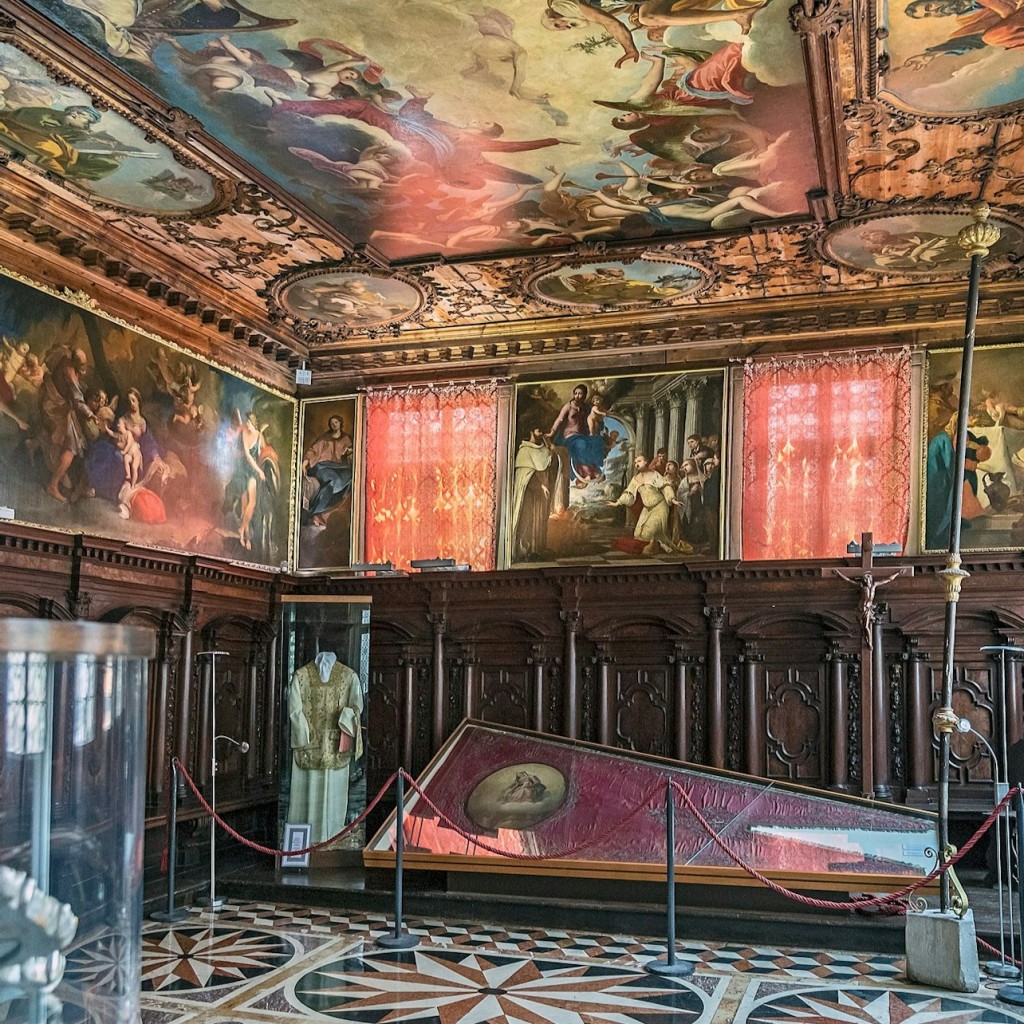
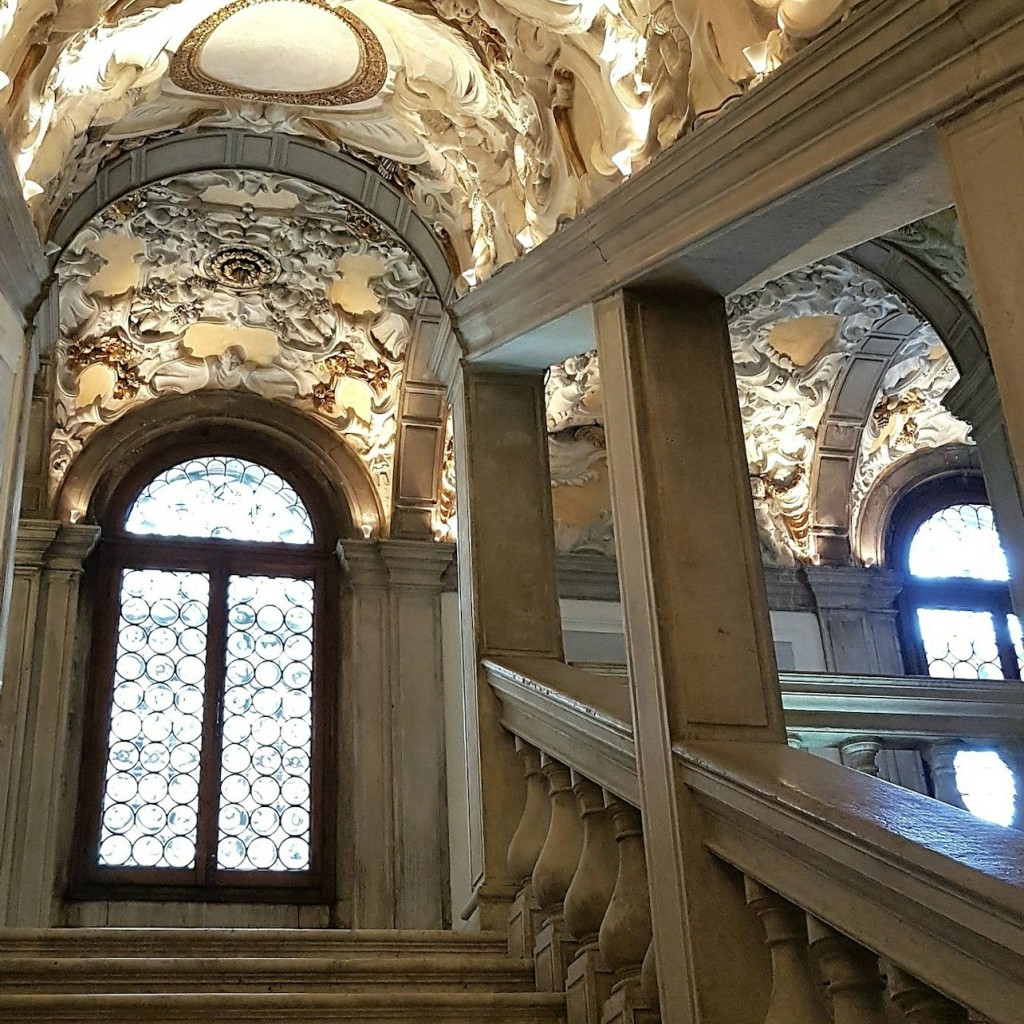
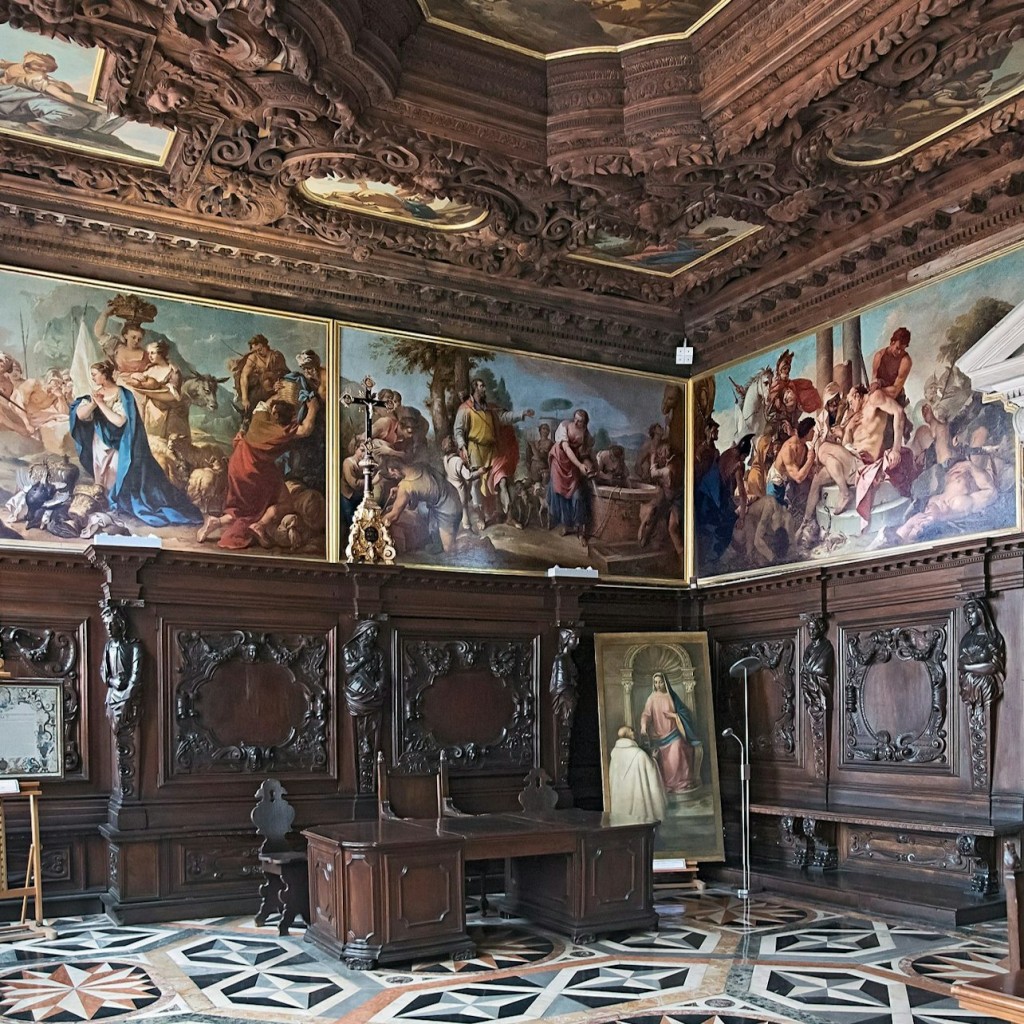
Inside the Scuola Grande dei Carmini, visitors are invited to explore several distinct and beautifully appointed rooms. The Grand Staircase, designed by Francesco Caustello, leads to the main floor, immediately setting a tone of grandeur. The Sala Capitolare (Chapter Hall) is the absolute highlight, featuring the spectacular ceiling painted by Giambattista Tiepolo, depicting scenes such as 'The Virgin in Glory Delivering the Scapular to Saint Simon Stock' and other allegorical figures. The Sala dell'Albergo (Assembly Hall) displays works by Giambattista Piazzetta, notably 'Judith and Holofernes', alongside more Tiepolo frescoes. The building also houses the Sala del Capitolo and the Sala della Cancelleria, adorned with carvings, gilded decorations, and paintings by artists such as Niccolò Bambini and Antonio Zanchi, offering a comprehensive overview of Venetian Baroque artistry.
When planning your visit to the Scuola Grande dei Carmini, remember to wear comfortable shoes as you will be standing and walking through the various halls. Photography is generally permitted for personal use, but always be respectful of other visitors and avoid using flash, especially in rooms with delicate frescoes. The Scuola offers a quiet and contemplative atmosphere, so speaking softly is encouraged. While the main attractions are the stunning artworks, take time to appreciate the architectural details and decorative elements that contribute to the overall grandeur. Consider purchasing your entry ticket online in advance to potentially streamline your entry. Restrooms are usually available on site for visitor convenience.
To ensure a respectful and pleasant experience for all, visitors are asked to adhere to a few simple rules. Please refrain from touching the artworks or architectural elements. Food and drinks are not permitted inside the exhibition areas. Smoking and vaping are strictly prohibited throughout the building. Large bags and backpacks may need to be stored in designated areas, if available. Visitors are expected to maintain a quiet demeanor, especially in the art-filled halls, to preserve the tranquil atmosphere. Always follow any instructions provided by the Scuola staff during your visit.
The Scuola Grande dei Carmini is undeniably worth visiting for anyone with an interest in art, history, and Venetian culture. It offers a unique opportunity to immerse oneself in one of Venice's most opulent and historically significant confraternity buildings. The highlight, Giambattista Tiepolo's magnificent ceiling frescoes, alone makes the visit worthwhile, representing some of the artist's finest work. Beyond Tiepolo, the Scuola showcases a wealth of 17th and 18th-century Venetian art and exquisite Baroque architecture. It provides a more intimate and less crowded experience compared to some of Venice's larger attractions, allowing for a deeper appreciation of its artistic treasures and a genuine connection to Venice's rich past.
The Scuola Grande dei Carmini is one of Venice's historic 'Scuole Grandi' or lay confraternities, dedicated to the Virgin of Mount Carmel. It is renowned for its magnificent Baroque architecture and a rich collection of 17th and 18th-century Venetian art, most notably the ceiling frescoes by Giambattista Tiepolo.
It is located in the Dorsoduro district of Venice, Italy, a charming area known for its artistic atmosphere and proximity to other cultural sites.
The primary highlights include the stunning ceiling paintings by Giambattista Tiepolo in the Chapter Hall, the grand Baroque architecture by Baldassare Longhena, and other significant artworks by Venetian masters like Piazzetta, Bambini, and Zanchi.
A typical visit to the Scuola Grande dei Carmini usually lasts between 1 to 1.5 hours, allowing visitors ample time to appreciate the art and architecture.
Photography for personal use is generally permitted inside, but it is requested that visitors do not use flash and are respectful of other guests and the artworks.
While not strictly enforced, it is advisable to dress respectfully, covering shoulders and knees, out of consideration for the historical and religious significance of the venue.
Given its historic nature, parts of the Scuola Grande dei Carmini may have stairs and limited accessibility. It is recommended for visitors with mobility concerns to inquire about specific access options beforehand.
While self-guided visits are common, some tours of Venice may include a stop or offer specific guidance within the Scuola Grande dei Carmini. Check the available ticket options for details on guided experiences.
The Scuola Grande dei Carmini is conveniently located in the Dorsoduro district, easily accessible by Venice's public transport system, the vaporetto. The closest vaporetto stops are 'San Tomà' (Line 1 or 2) or 'Ca' Rezzonico' (Line 1). From either stop, it is a pleasant walk of about 5-10 minutes through the charming Venetian streets. Follow the signs towards Campo Santa Margherita, and the Scuola is situated nearby. Walking from other central areas like Rialto or San Marco is also feasible, though it will take longer.
As a site with significant religious and historical importance, a respectful dress code is recommended when visiting the Scuola Grande dei Carmini. Modest attire is generally appreciated. This means covering shoulders and knees, and avoiding overly revealing clothing. While there isn't a strict enforcement like in some religious venues, dressing appropriately contributes to a respectful atmosphere within this venerable institution.