Musée d'Orsay Tickets, Tours & Visitor Information


Combo Musee d'Orsay and Seine River Cruise Entry Ticket
Visit Musée d’Orsay to admire Impressionist and Post‑Impressionist masterpieces, then glide along the Seine for a relaxed cruise highlighting Paris’s famous landmarks—all with one ticket.
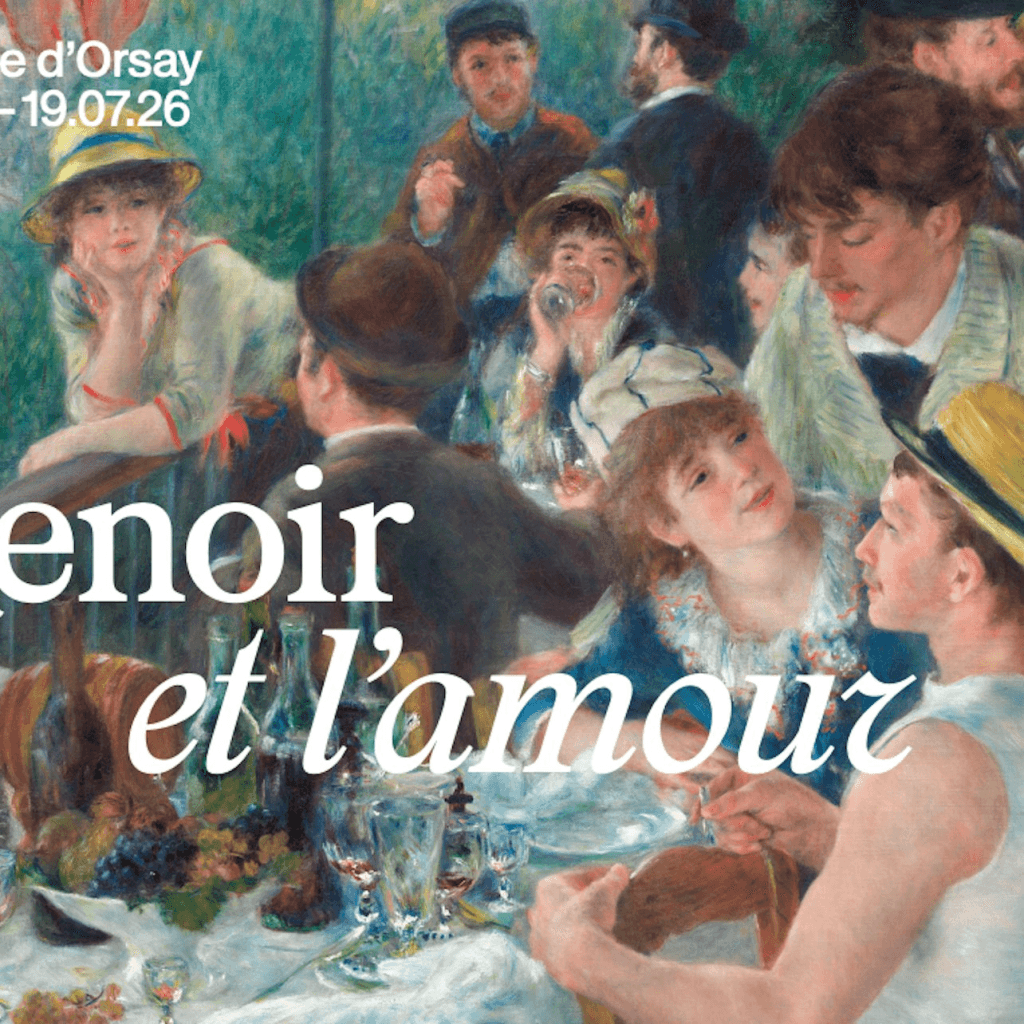
Musée d'Orsay: Renoir and Love (1865-1885)

Musée d'Orsay: Small Group Tour

Musée d'Orsay: Guided Tour
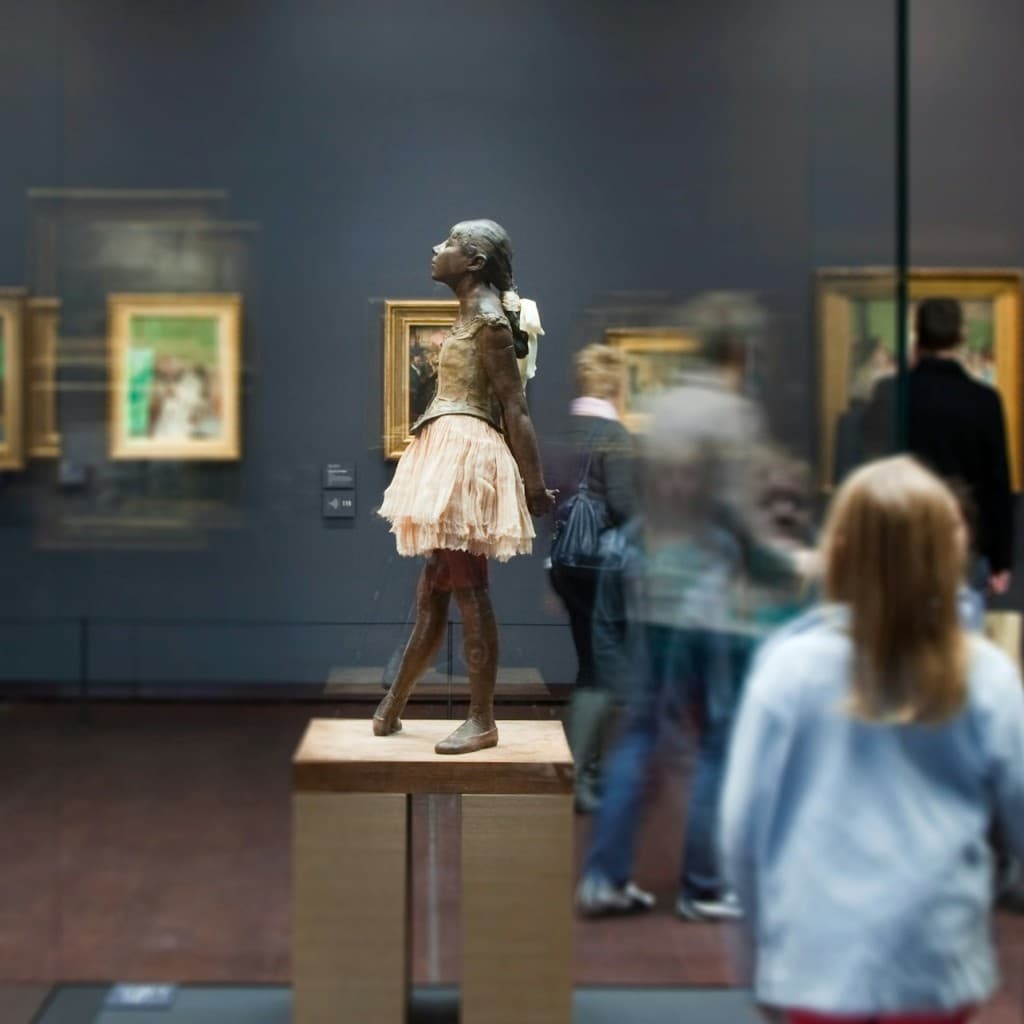
Musée d'Orsay: Entry Ticket + Guided Tour
Musée d'Orsay: Dedicated Entrance
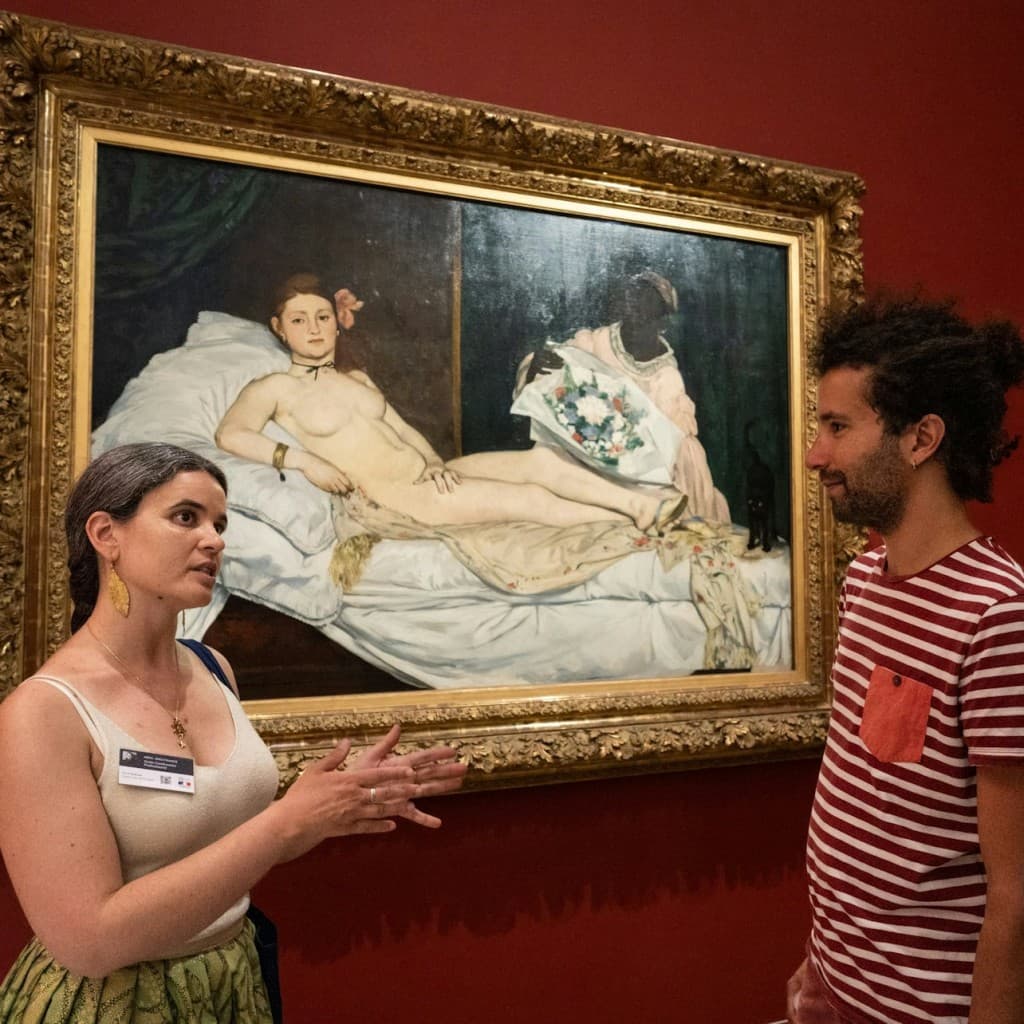
Musée d'Orsay: Guided Tour - Guided Tour
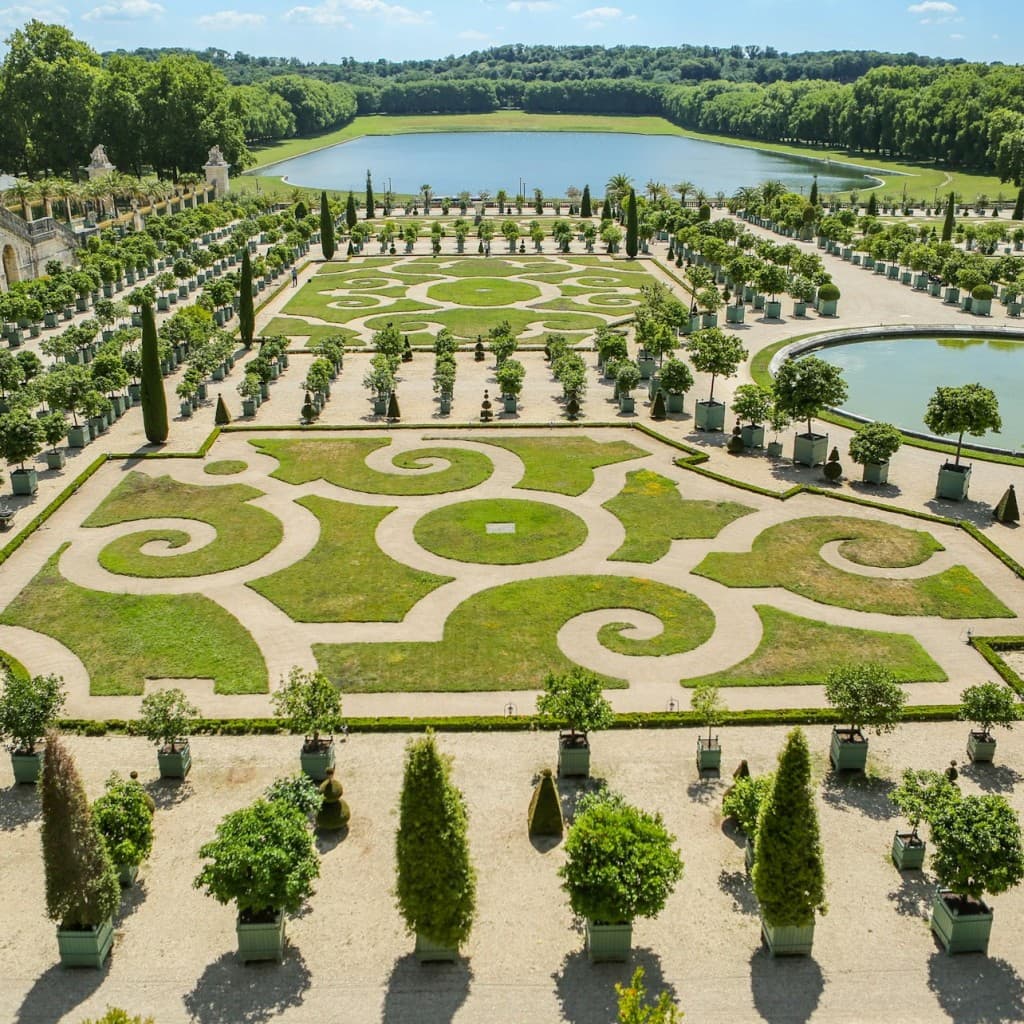
Versailles & Musée d’Orsay: Entry + Roundtrip from Paris
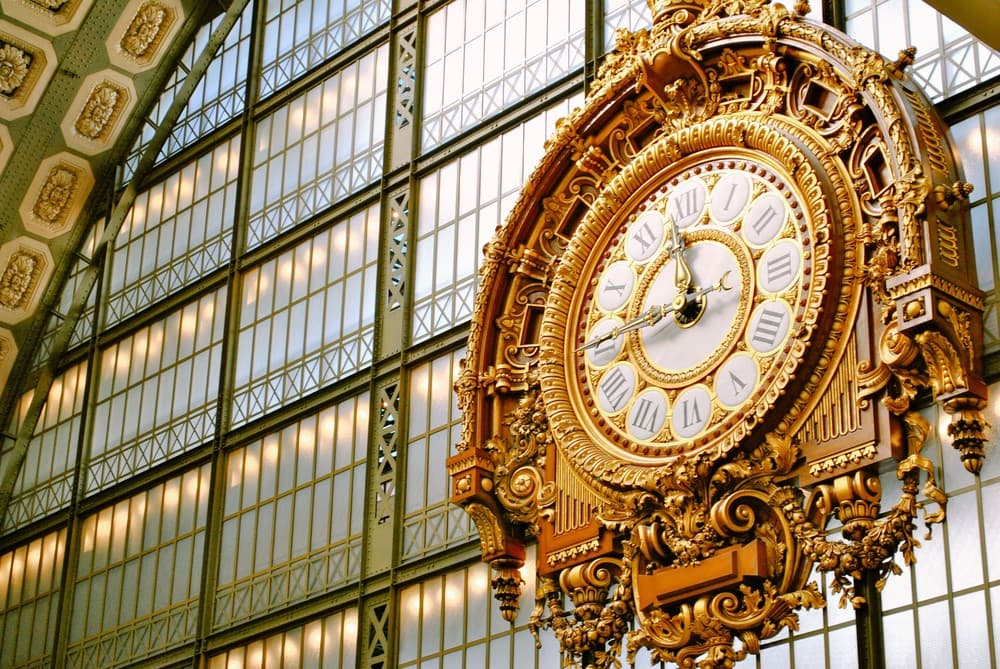
Musée d'Orsay: Private Guided Tour - Private tour in French

Musée d'Orsay: Private Guided Tour - Private tour in English

Musée d'Orsay: Private Guided Tour - Private tour in Spanish
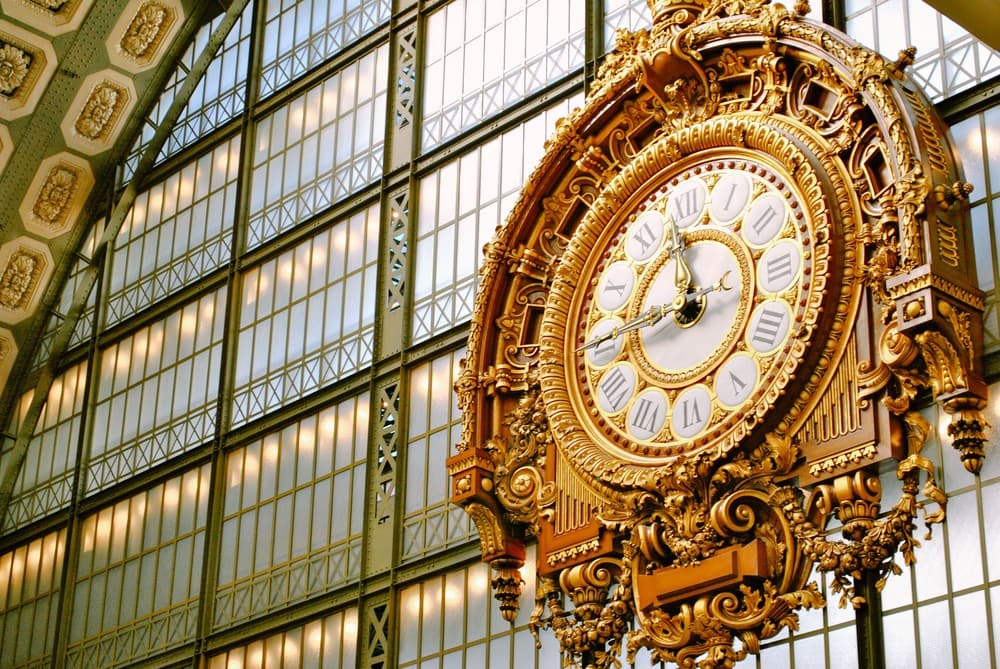
Musée d'Orsay: Private Guided Tour - Private tour in Italian
Musée d'Orsay: Private Guided Tour - Private tour in Russian
Musée d'Orsay: Private Guided Tour - Private tour in German
Musée d'Orsay: Small Group Tour of Must-Sees
Orsay Museum Ticket: Dedicated Entrance Ticket (Admission)
Orsay Museum Ticket: Dedicated Entrance Ticket (Admission - Thursday Evening)
Comparar opções
| Opção | Tipo | Resumo | Duração | A partir de | Reservar |
|---|---|---|---|---|---|
| Orsay Museum Ticket: Dedicated Entrance Ticket (Admission - Thursday Evening) | Attractions | Enjoy a dedicated entrance to the Musée d'Orsay, access to the permanent collection, and access to temporary exhibition... | 2 horas | €16.06 | Reservar |
| Musée d'Orsay: Renoir and Love (1865-1885) | Bilhetes | Pierre-Auguste Renoir (1841-1919) foi uma figura importante do Impressionismo e, juntamente com Manet, Degas, Monet e C... | Flexível | €21.11 | Reservar |
| Orsay Museum Ticket: Dedicated Entrance Ticket (Admission) | Attractions | Enjoy a dedicated entrance to the Musée d'Orsay, access to the permanent collection, and access to temporary exhibition... | 2 horas | €21.46 | Reservar |
| Musée d'Orsay: Dedicated Entrance | Bilhetes | O Museu de Orsay é a casa da coleção nacional da França de obras impressionistas, pós-impressionistas e Art Nouveau. Co... | Flexível | €21.99 | Reservar |
| Orsay Museum Reserved Access Tickets (Reserved Access with Audio Guide) | Attractions | Detalhes na página da opção | 2 horas | €28.25 | Reservar |
| Combo Musee d'Orsay and Seine River Cruise Entry Ticket | Bilhetes | Visit Musée d’Orsay to admire Impressionist and Post‑Impressionist masterpieces, then glide along the Seine for a relax... | Flexível | €30.56 | Reservar |
| Orsay Museum Reserved Access Tickets (Reserved Access Ticket) | Attractions | Detalhes na página da opção | 2 horas | €33.00 | Reservar |
| Versailles & Musée d’Orsay: Entry + Roundtrip from Paris | Bilhetes | Visite Versalhes e Paris num único dia. Comece com um confortável transfer de ida e volta de Paris para Versalhes. À ch... | Flexível | €36.29 | Reservar |
| Musée d'Orsay: Guided Tour | Bilhetes | O espetacular Musée d'Orsay vai causar uma impressão com sua arte impressionista e Pós-Impressionista! Junte-se a um gr... | Flexível | €69.90 | Reservar |
| Musée d'Orsay: Guided Tour - Guided Tour | Bilhetes | O espetacular Musée d'Orsay vai causar uma impressão com sua arte impressionista e Pós-Impressionista! Junte-se a um gr... | Flexível | €80.28 | Reservar |
| Musée d'Orsay: Small Group Tour of Must-Sees | Bilhetes | Com cinco andares de criações impressionistas e pós-impressionistas, o Musée d'Orsay tem mais do que o suficiente para... | Flexível | €109.14 | Reservar |
| Musée d'Orsay: Entry Ticket + Guided Tour | Bilhetes | Experimente uma visita guiada ao Musée d'Orsay com os melhores especialistas, obtendo uma compreensão mais profunda do... | Flexível | €113.70 | Reservar |
| Musée d'Orsay: Small Group Tour | Bilhetes | Mergulhe na beleza do Musée d'Orsay, lar da melhor coleção de obras-primas impressionistas do mundo, durante um tour se... | Flexível | €129.40 | Reservar |
| Musée d'Orsay: Private Guided Tour - Private tour in Spanish | Bilhetes | Paris foi o epicentro do Impressionismo e da revolução artística no século XIX e não existe uma melhor coleção que comp... | Flexível | €199.20 | Reservar |
| Musée d'Orsay: Private Guided Tour - Private tour in English | Bilhetes | Paris foi o epicentro do Impressionismo e da revolução artística no século XIX e não existe uma melhor coleção que comp... | Flexível | €219.62 | Reservar |
| Musée d'Orsay: Private Guided Tour - Private tour in French | Bilhetes | Paris foi o epicentro do Impressionismo e da revolução artística no século XIX e não existe uma melhor coleção que comp... | Flexível | €274.55 | Reservar |
| Musée d'Orsay: Private Guided Tour - Private tour in Italian | Bilhetes | Paris foi o epicentro do Impressionismo e da revolução artística no século XIX e não existe uma melhor coleção que comp... | Flexível | €274.55 | Reservar |
| Musée d'Orsay: Private Guided Tour - Private tour in Russian | Bilhetes | Paris foi o epicentro do Impressionismo e da revolução artística no século XIX e não existe uma melhor coleção que comp... | Flexível | €274.55 | Reservar |
| Musée d'Orsay: Private Guided Tour - Private tour in German | Bilhetes | Paris foi o epicentro do Impressionismo e da revolução artística no século XIX e não existe uma melhor coleção que comp... | Flexível | €274.55 | Reservar |
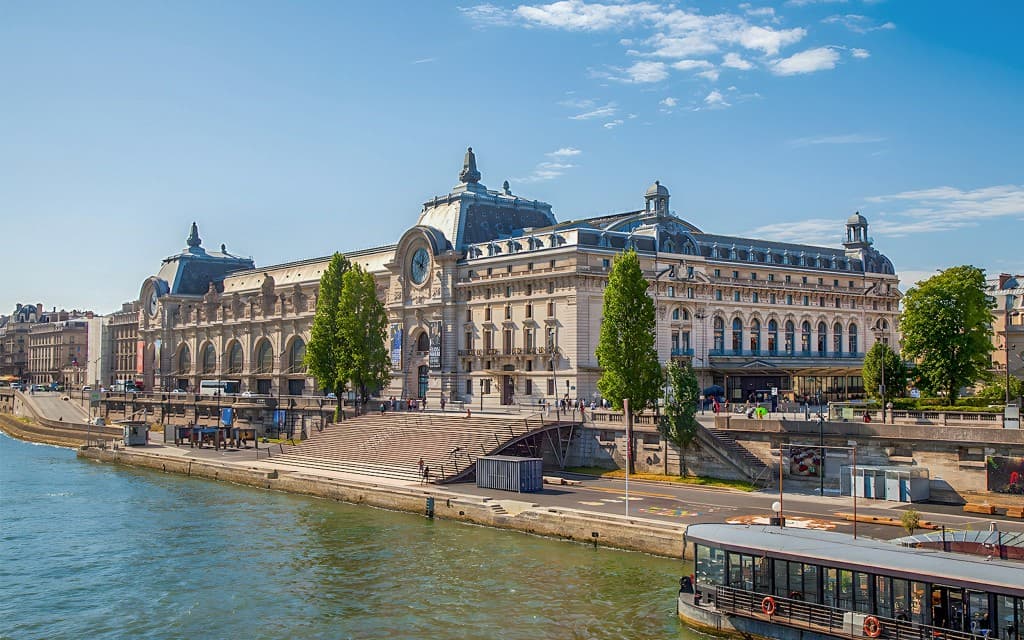
The Musée d'Orsay is a world-renowned art museum located in Paris, France, on the left bank of the Seine. Housed in a stunningly converted Beaux-Arts railway station, the museum primarily showcases French art dating from 1848 to 1914, including masterpieces of Impressionism and Post-Impressionism.
Visitors can wander through its grand halls and discover iconic works by artists such as Monet, Renoir, Degas, and Van Gogh. A visit to the Musée d'Orsay offers a unique opportunity to immerse yourself in the artistic and cultural atmosphere of 19th-century France. The Orsay Museum's unique architecture and curated collection provide an unforgettable experience for art lovers and history enthusiasts alike.
Destaques
Sobre Musée d'Orsay
The Musée d'Orsay (Orsay Museum in English) stands as a testament to France's rich artistic heritage, bridging the gap between the Louvre's focus on earlier art and the modern collections of the Centre Pompidou. Its collection is primarily focused on paintings and sculptures from the period of 1848-1914.
The museum provides context for understanding the evolution of art during a transformative period. Beyond its artistic offerings, the Musée d'Orsay is a cultural hub that hosts temporary exhibitions, educational programs, and special events throughout the year. These initiatives aim to engage diverse audiences and promote a deeper appreciation for art and its historical significance. The Orsay Museum's commitment to preservation and accessibility ensures that future generations can continue to be inspired by its collection.
Porquê reservar online?
Booking your Musée d'Orsay tickets online offers a seamless and stress-free experience. While tickets can be purchased on-site, potential long queues and the risk of sell-outs, especially during peak season, can be avoided by planning ahead. By booking in advance on this page, you can secure your preferred time slot, access verified ticket options, and benefit from attractive online deals. Our platform also allows you to compare different ticket types, including guided tours, combination tickets with other Paris attractions and Paris city passes, helping you choose the option that best fits your itinerary.
História
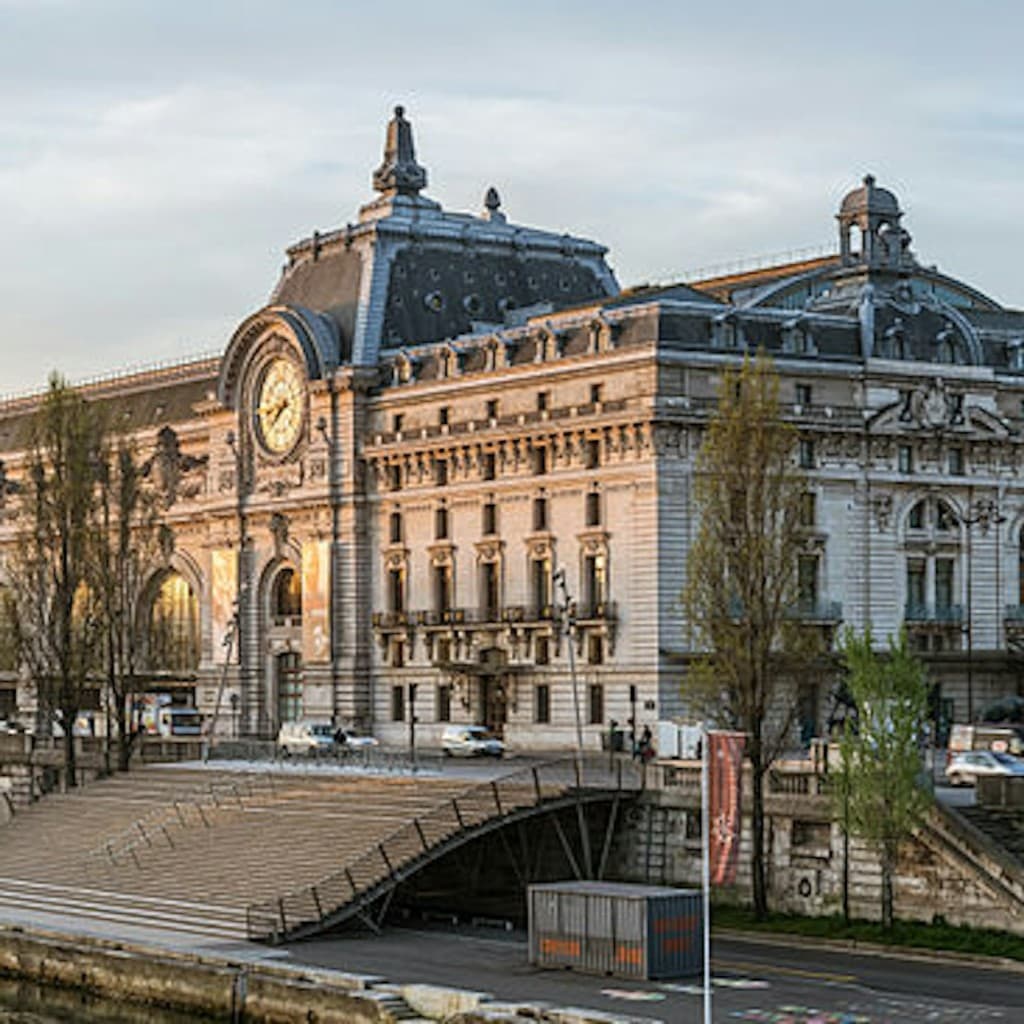
The Musée d'Orsay has a fascinating history that intertwines with the story of Paris itself. The building that houses the museum was originally constructed as a railway station, the Gare d'Orsay, for the Exposition Universelle of 1900. Designed by architect Victor Laloux, the station was celebrated for its innovative architecture and modern amenities.
However, with the changing landscape of rail transport, the Gare d'Orsay eventually became obsolete and was threatened with demolition. In the 1970s, a proposal was put forth to transform the former railway station into a museum dedicated to 19th-century art. The Musée d'Orsay officially opened its doors in 1986, quickly becoming one of Paris's most popular cultural attractions. Today, it stands as a symbol of architectural preservation and artistic appreciation.
Horário de funcionamento
The Musée d’Orsay is open Tuesday through Sunday. The Orsay Museum closed on Mondays, as well as on May 1 and December 25.
- From Tuesday, Wednesday, Friday, Saturday, and Sunday, the museum welcomes visitors from 9:30 AM to 6:00 PM.
- On Thursdays, the museum offers an extended late-night opening until 9:45 PM, which is a popular time to visit with fewer crowds.
- The last admission to the museum is at 5:00 PM, with access to temporary exhibitions until 5:15 PM.
- Galleries begin closing at 5:30 PM. On Thursdays, the last admission is at 9:00 PM, and galleries close at 9:15 PM.
Melhor altura para visitar
The best time to visit the Musée d’Orsay is early in the morning shortly after opening, when galleries are quieter and you can enjoy the Impressionist masterpieces with fewer crowds. Weekdays tend to be calmer than weekends, with Tuesdays and Wednesdays usually offering the most relaxed experience. Another excellent option is the Thursday late opening, especially after 6:00 PM, when visitor numbers drop and the atmosphere becomes noticeably more peaceful.
Weekends and school holidays are generally the busiest, particularly late mornings and early afternoons.
O que ver dentro
The Musée d'Orsay's collection is spread across several floors, each offering a unique perspective on 19th-century art.
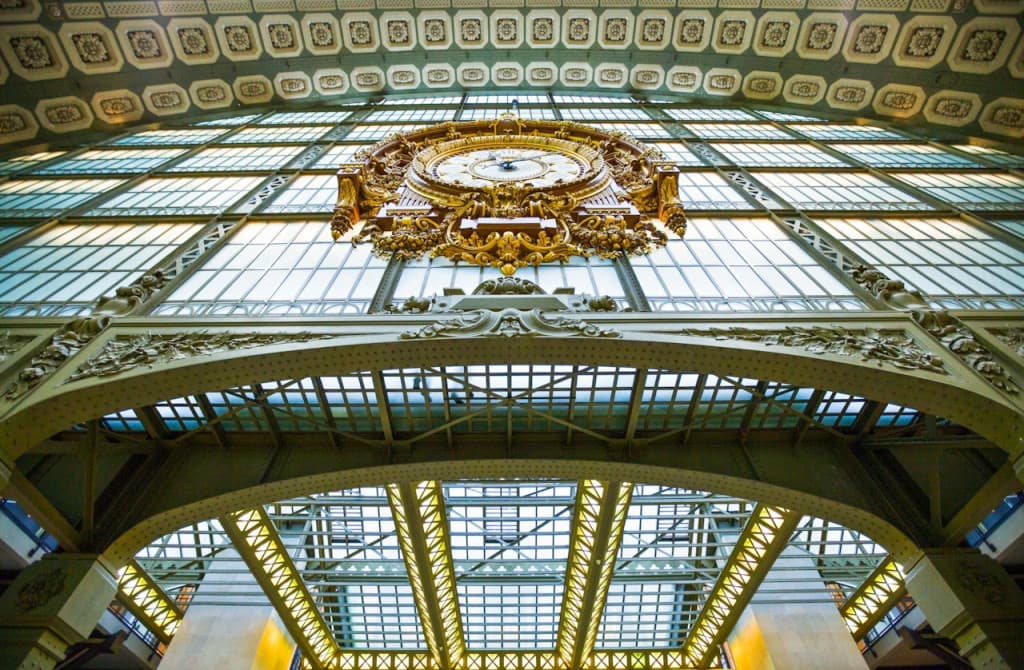
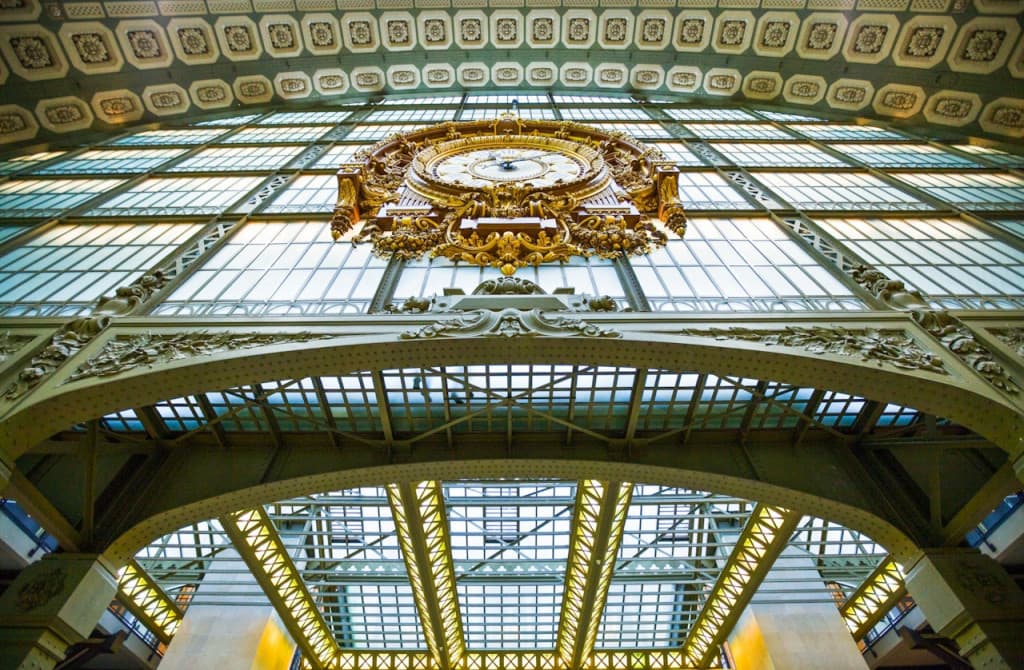
- The main hall, with its soaring glass ceiling, houses sculptures and large-scale paintings.
- The upper levels are dedicated to Impressionist and Post-Impressionist art, including famous works like Monet's "Poppies" and Van Gogh's "Self-Portrait."
- Be sure to visit the charming cafe located in the former railway station's restaurant, which has retained its original Belle Époque decor.
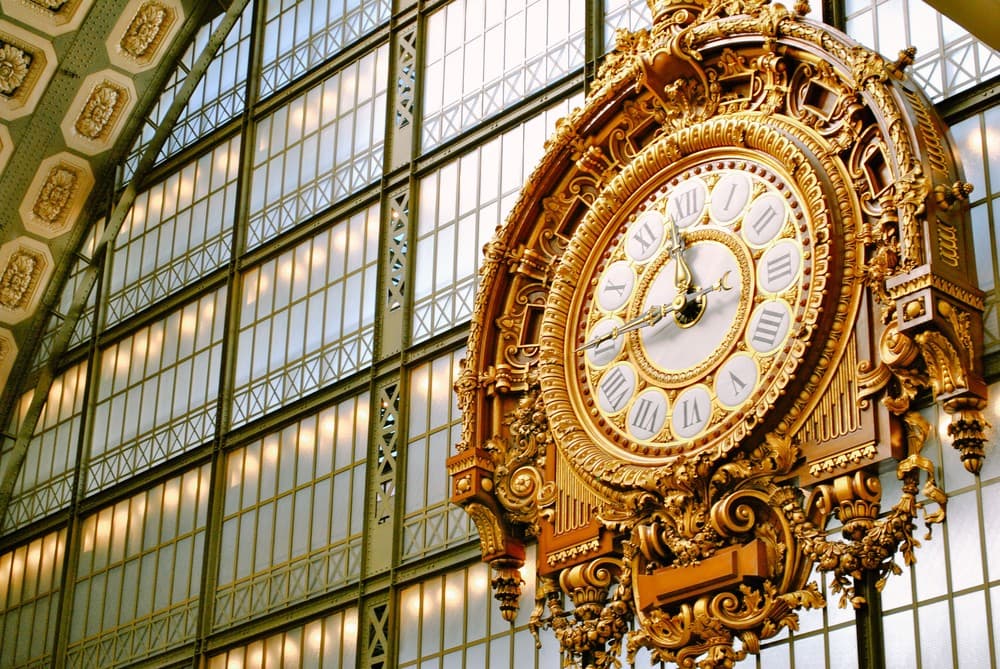
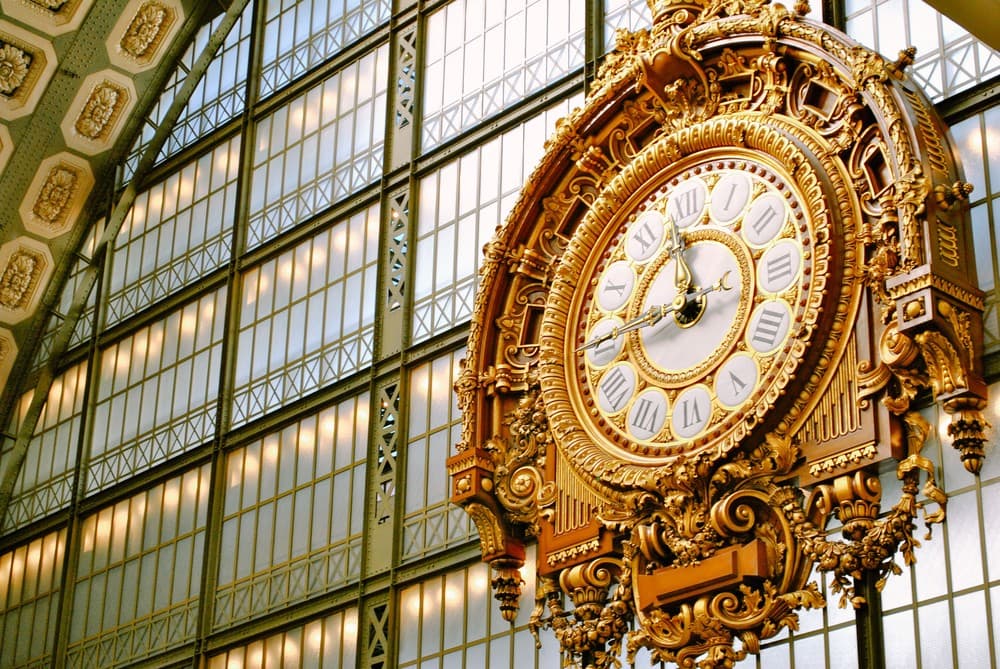
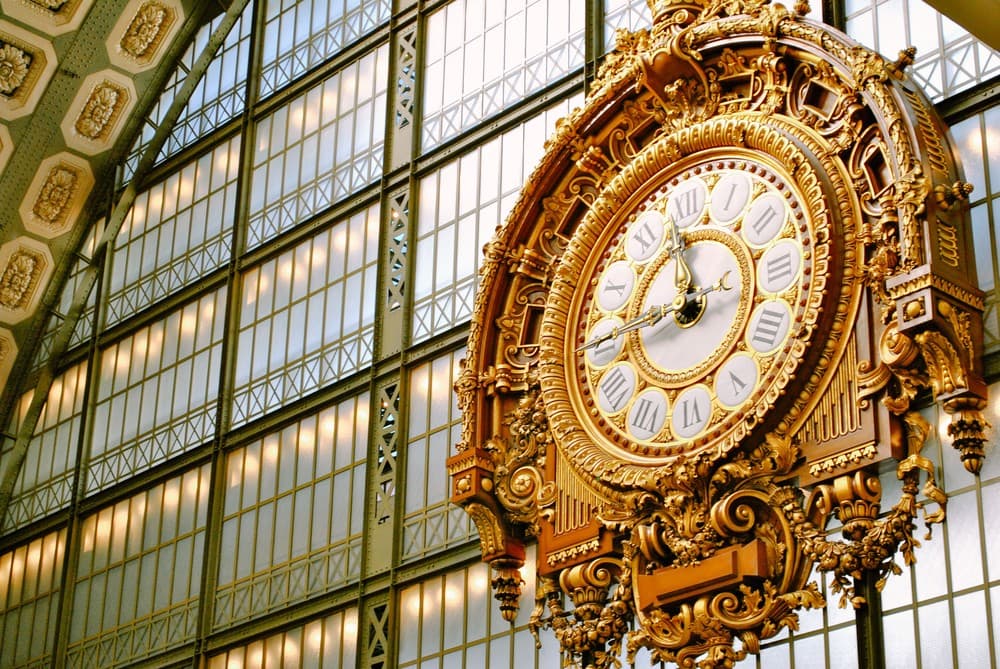
- The museum also features temporary exhibition spaces that showcase specific artists or themes, providing fresh perspectives on the period. For stunning views of the Seine and the Louvre, head to the clock tower.
Coisas importantes a saber
Before visiting the Musée d’Orsay, a little planning can help you get the most out of your experience:
- Booking Musee d’Orsay tickets in advance is strongly recommended, as time slots often sell out and queues can be long, especially during peak season.
- Musee d’Orsay entry tickets are timed, so be sure to arrive close to your selected time to ensure smooth access.
- The museum is free on the first Sunday of every month, but expect significantly larger crowds on these days.
- The Orsay’s collections are extensive; guided tours or audio guides are highly recommended to better understand the artworks and historical context.
- Combination tickets, such as those including a Seine River cruise, are a popular option and can save both time and money while enhancing your Paris itinerary.
- Wear comfortable shoes, as you’ll spend most of your visit walking or standing.
- Security checks are mandatory, so allow extra time at the entrance.
Regras para visitantes
To ensure a pleasant experience for all visitors, the Musée d'Orsay has a few simple rules:
- Food and drinks are not permitted inside the galleries; consumption is only allowed in designated areas.
- Photography for personal use is allowed without flash; tripods, selfie sticks, and large photography equipment are not permitted without prior authorization.
- Smoking is forbidden throughout the museum premises.
- Bags larger than 55 × 35 × 20 cm are not allowed inside the museum. Larger items must be left at the cloakroom.
- Touching artworks is strictly prohibited.
- Prohibited items include sharp objects, art materials, large umbrellas and dangerous items.
- Children under 13 must be accompanied by an adult.
Vale a pena visitar?
The Musée d’Orsay is a must-visit for anyone drawn to the art and ideas that shaped the modern world. Home to the world’s most important collection of Impressionist and Post-Impressionist masterpieces, the museum captures a transformative period of creativity, experimentation, and cultural change.
Set within a beautifully restored former railway station, the Musée d’Orsay combines exceptional artworks with striking architecture, creating an atmosphere that is both intimate and inspiring. From iconic paintings to sculpture and decorative arts, a visit here offers a deep and rewarding encounter with one of the most influential eras in art history.
Perguntas frequentes
The Musée d’Orsay is one of Paris’s most important art museums, housed in a former Beaux-Arts railway station on the Seine. It is world-famous for its outstanding collection of Impressionist and Post-Impressionist art.
The museum is best known for masterpieces by Monet, Van Gogh, Degas, Renoir, Cézanne, and Manet. Highlights include Impressionist paintings, sculptures, decorative arts, photography, and the iconic clock views over Paris from the upper level.
The Musée d’Orsay is free for all visitors on the first Sunday of each month. Outside of these dates, a paid ticket is required. Certain visitors, such as EU residents under 26, may also qualify for free entry.
Ticket prices vary depending on the type of entry, such as standard admission, guided tours, or combination tickets with other Paris attractions. For the most up-to-date prices and available options, it’s best to check the verified Musée d’Orsay tickets listed on this page.
Yes, booking Musee d’Orsay tickets in advance is highly recommended. The museum is one of Paris’s most visited attractions, and time-slot tickets often sell out, especially during peak season. On this page, you can review verified ticket options, compare entry types, and take advantage of attractive online deals while securing your preferred visiting time.
The best way to skip the line at the Musée d’Orsay is to book timed-entry tickets online in advance. Pre-booked tickets allow you to use priority access lanes, avoiding long ticket queues at the entrance. Booking through this page also makes it easy to compare skip-the-line options and choose the most convenient ticket for your visit.
Musee d’Orsay tickets can be purchased online or at the museum. Booking through this page allows you to compare verified ticket options, including standard entry, guided tours, and combo tickets, helping you choose the option that best fits your visit.
The Orsay Museum is centrally located on the Left Bank of Paris. The easiest way to reach it is by RER Line C to Musée d’Orsay station. It is also accessible by Metro, bus, or a short walk from landmarks such as the Louvre and the Seine riverbanks.
Como chegar
The Musée d’Orsay is centrally located on the Left Bank of Paris at Esplanade Valéry Giscard d’Estaing, 75007 Paris, directly along the Seine and within walking distance of the Louvre and Saint-Germain-des-Prés.
Public transport options:
- Metro: Line 12 to Solférino station
- RER: Line C to Musée d’Orsay station
- Bus: Lines 63, 68, 69, 73, 83, 84, 87, 94
Museum entrances (choose the right one to save time):
- Entrance A: On-site ticket purchases
- Entrance B: Adult groups with reservations
- Entrance C: Individual visitors with pre-booked tickets, pass holders, AFMO members, and visitors with special needs
- Entrance D: Reserved for school groups
Tip: If you’ve booked tickets in advance, head straight to Entrance C to avoid unnecessary queues.
Avaliações (30)
Getting into the Musée d'Orsay was smooth with the entry ticket. The audio guide, though helpful, could have had better sound quality during busy parts.
while it was pretty crowded even with a time slot, the staff at the entrance were very helpful and clear with directions. i enjoyed seeing the art, the building is lovely.
The queue moved steadily, despite the crowds that morning. Overall, the visit was enjoyable and the art impressive.
sono entrata subito grazie al biglietto. ho potuto scattare delle foto stupende, la luce era perfetta.
it felt very packed inside, but reserved entry helped.
دخلت بسرعة بفضل الحجز المسبق، وكان تعامل الموظفين عند المدخل واضحا ومفيد جدا. تعلمت الكثير عن تاريخ اللوحات من المعلومات المتاحة.