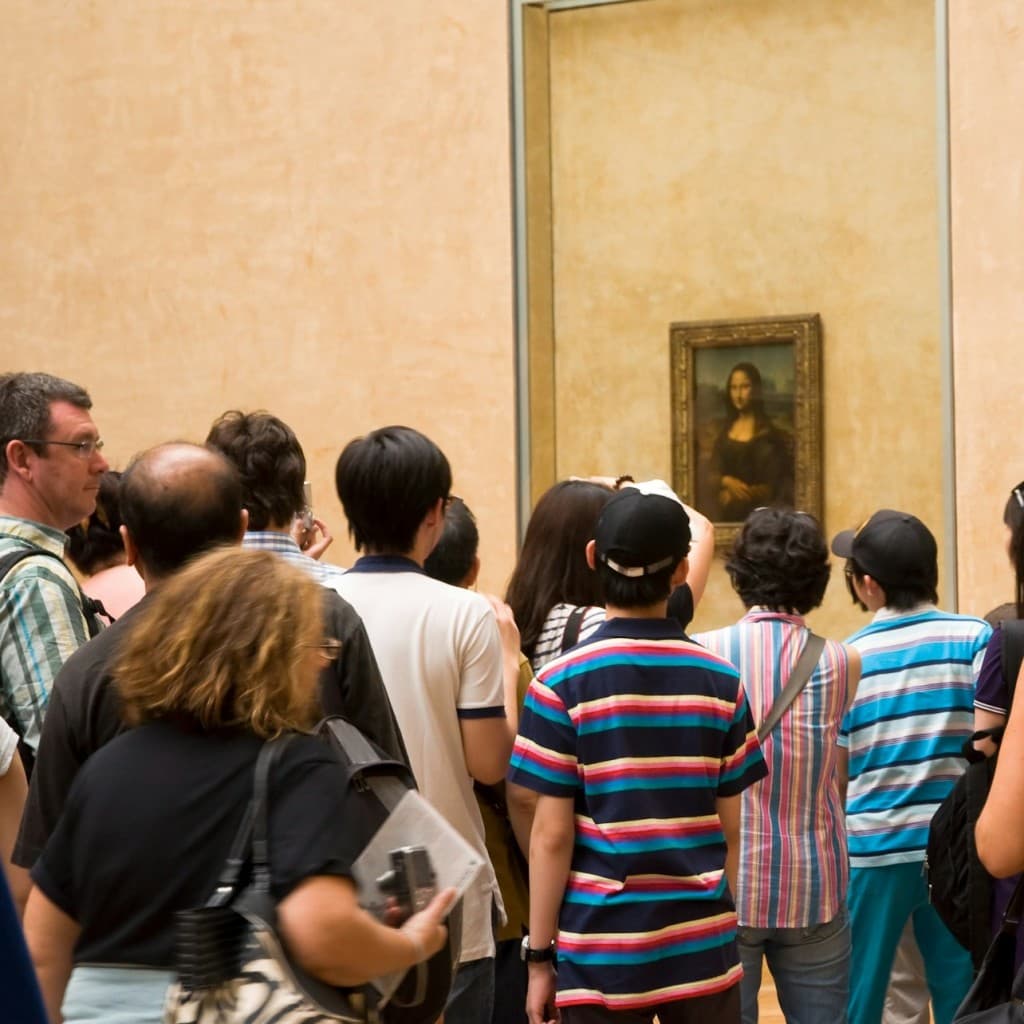
The Louvre's history spans from its origins as a fortress in the late 12th century under King Philip II to its transformation into a royal residence and, ultimately, a public museum. Originally built to protect Paris, the fortress was gradually expanded and embellished, becoming a palace during the Renaissance. French monarchs, including Louis XIV, contributed to its architectural grandeur, adding new wings and decorations.
In 1793, during the French Revolution, the Louvre was officially established as a museum, opening its doors to display the nation's art collections. Over the centuries, the museum's holdings have grown through acquisitions, donations, and discoveries. Significant additions include the Venus de Milo in the 19th century and, more recently, the creation of the Islamic Art department.
The construction of the iconic glass pyramid in the late 20th century provided a modern entrance and further enhanced the museum's appeal. Today, the Louvre continues to evolve, hosting exhibitions and educational programs that engage visitors with art from around the world. Its rich history and diverse collections make it a cultural landmark and a testament to human creativity.